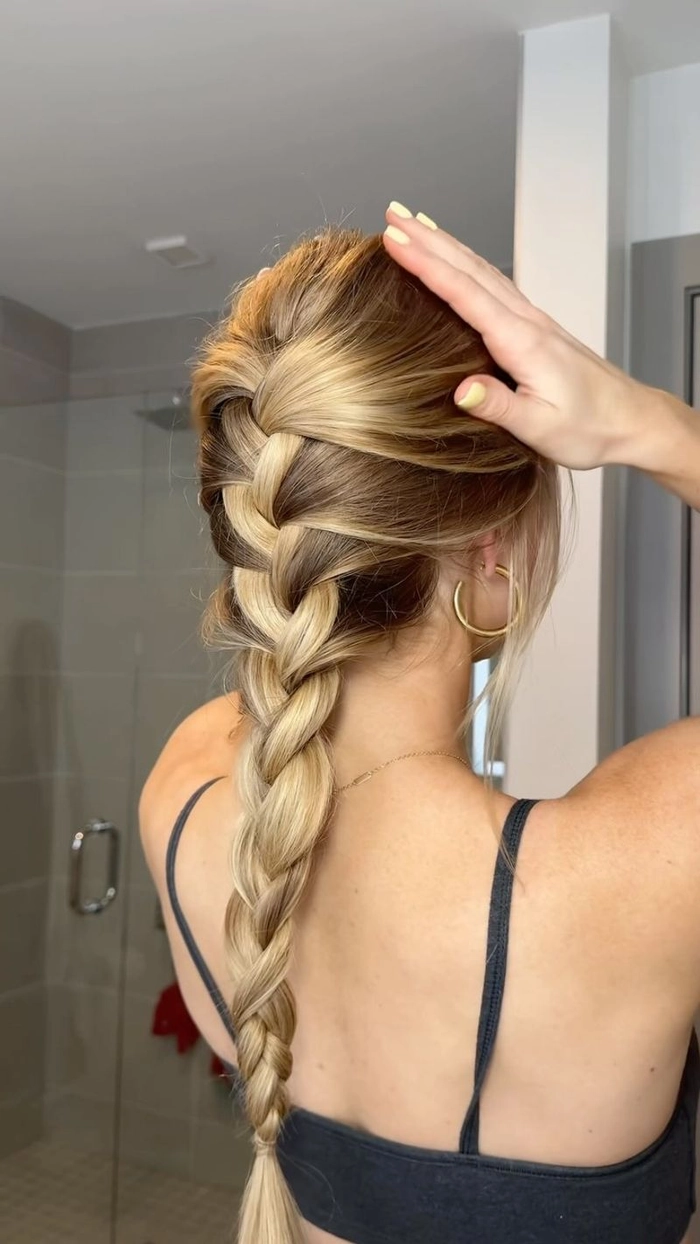
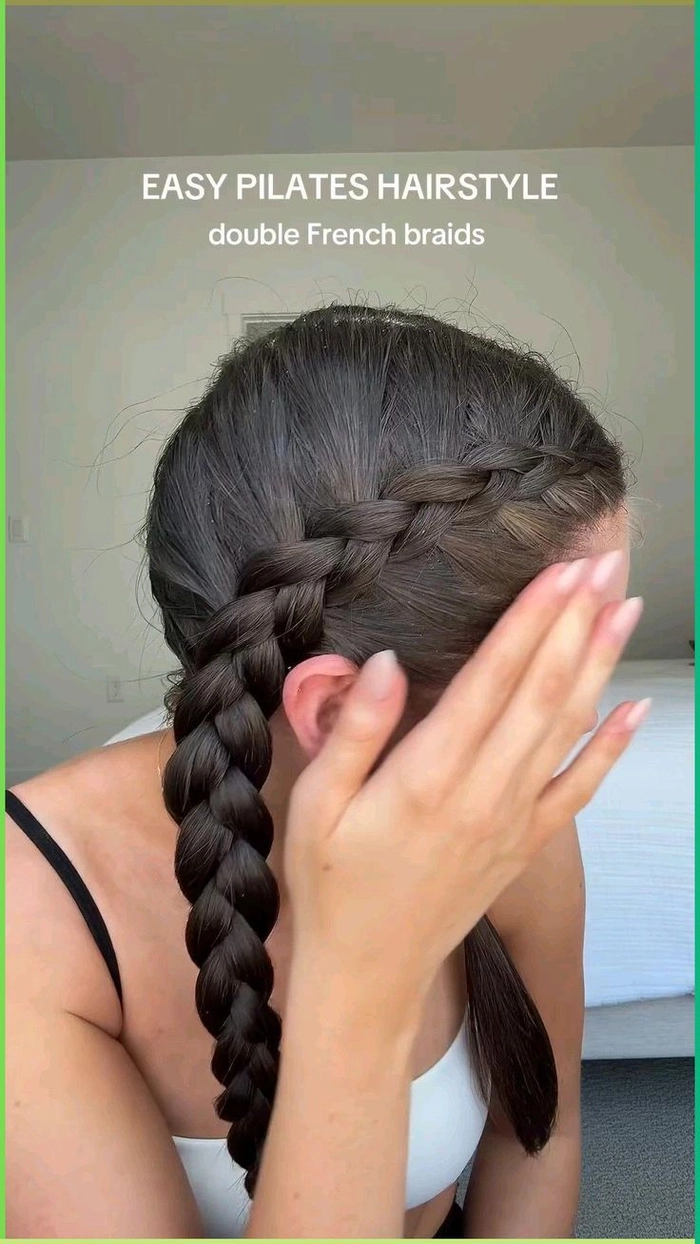
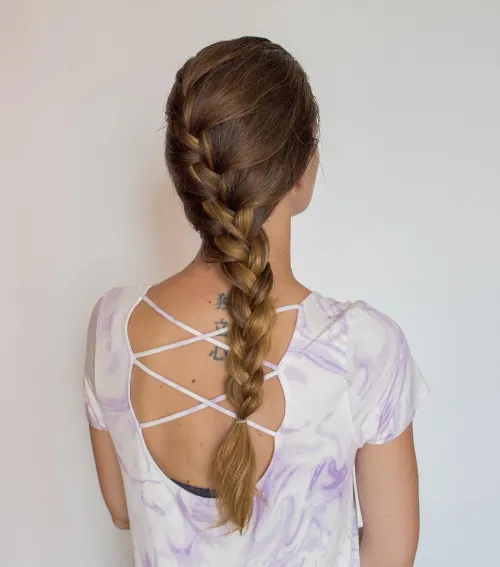
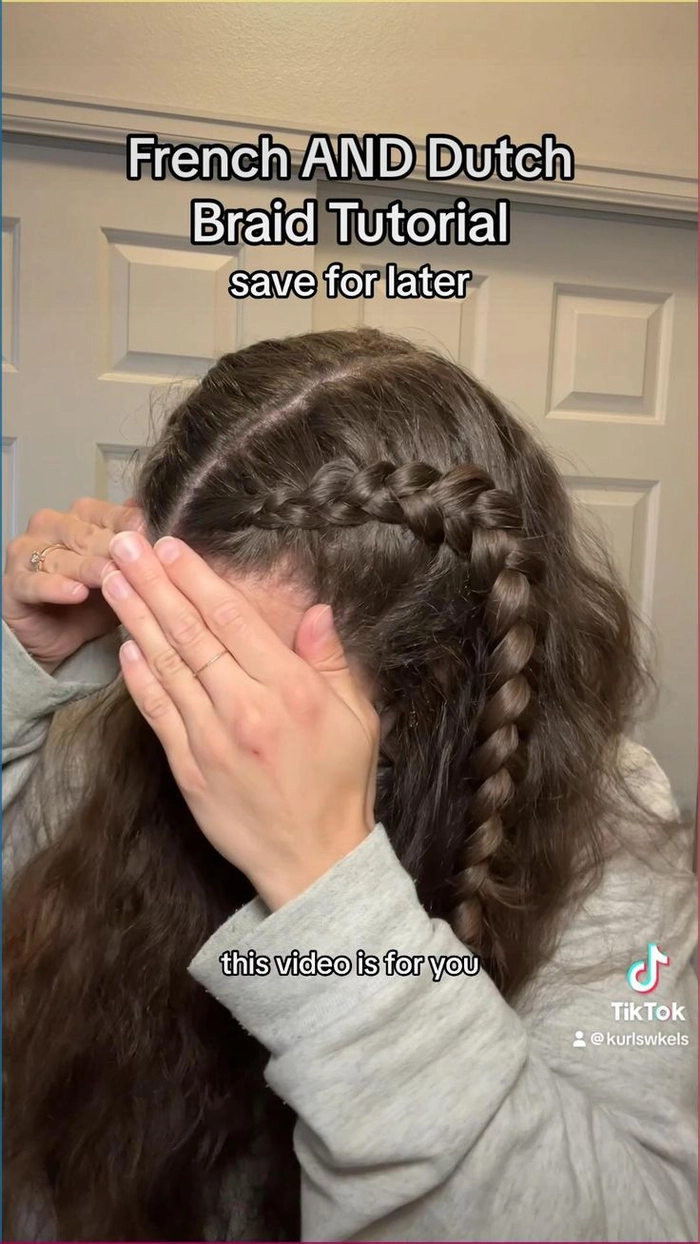
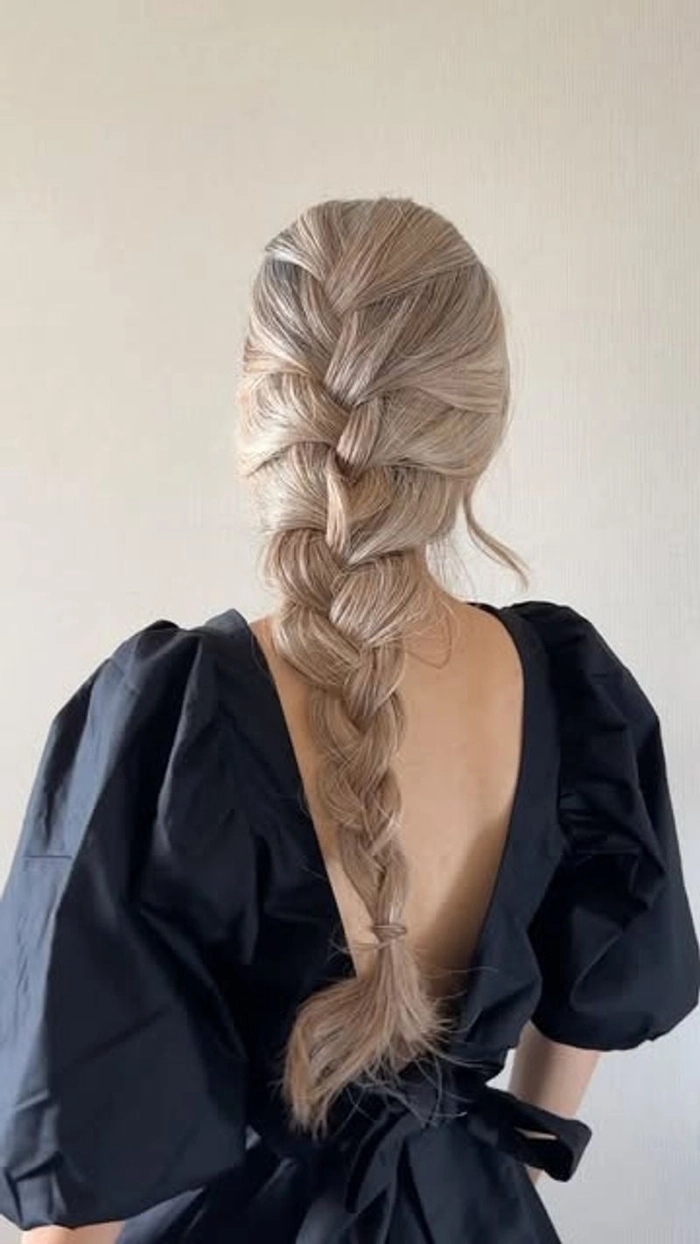
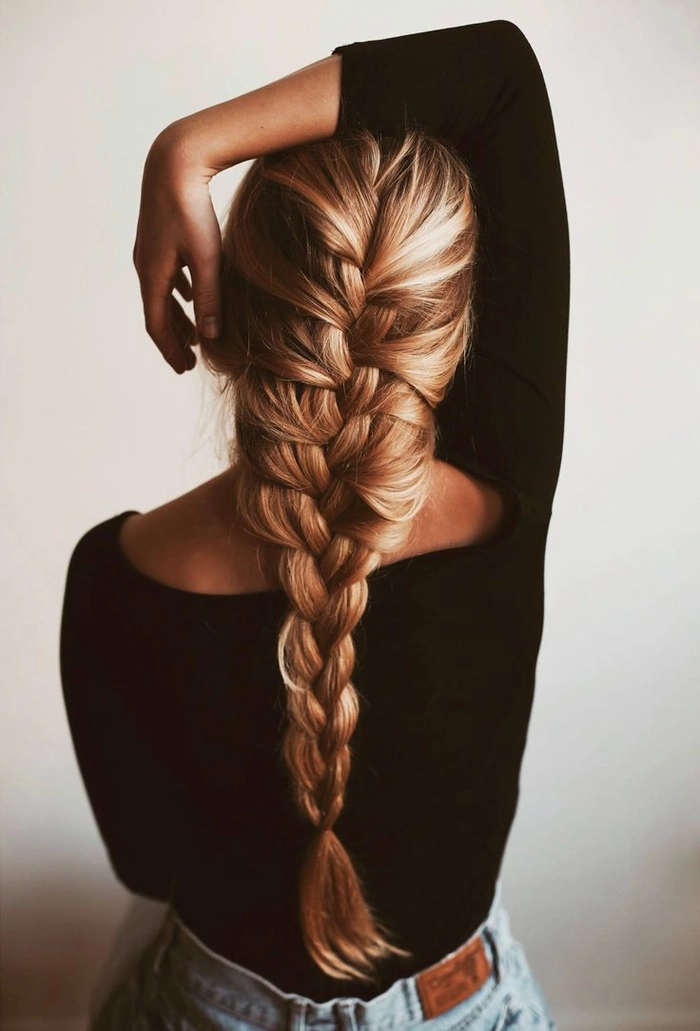
If you want a hairstyle that looks put-together but does not require constant upkeep, a loose French braid is one of the most practical options for country casual style. It keeps hair off your face, works with different hair textures, and fits naturally into a lifestyle that might include outdoor activities, errand running, or just moving through your day without constant mirror checks. The trick is choosing a version that matches your hair length, face shape, and routine rather than forcing a style that fights your natural texture.
Why Loose French Braids Fit Country Casual So Well
Country casual hairstyles balance comfort with a sense of natural polish. A loose French braid solves a real everyday problem: hair that gets in the way during physical activity or windy conditions, without looking like you spent twenty minutes in front of the mirror. This makes it a reliable choice for grocery shopping, farmers markets, weekend hikes, or casual dinners. The braid stays in place better than loose styles, which means less time fixing your look mid-day.
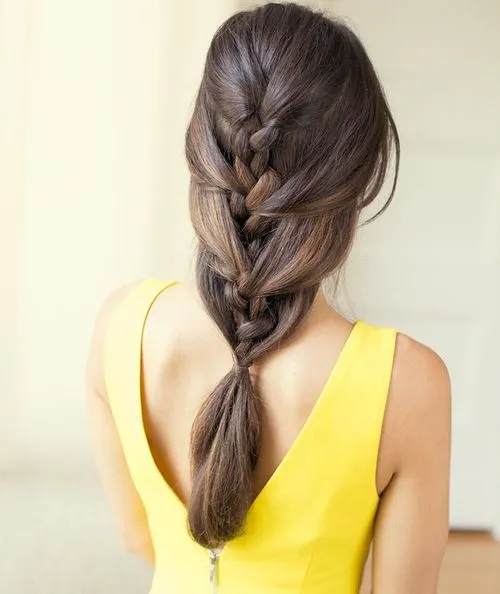
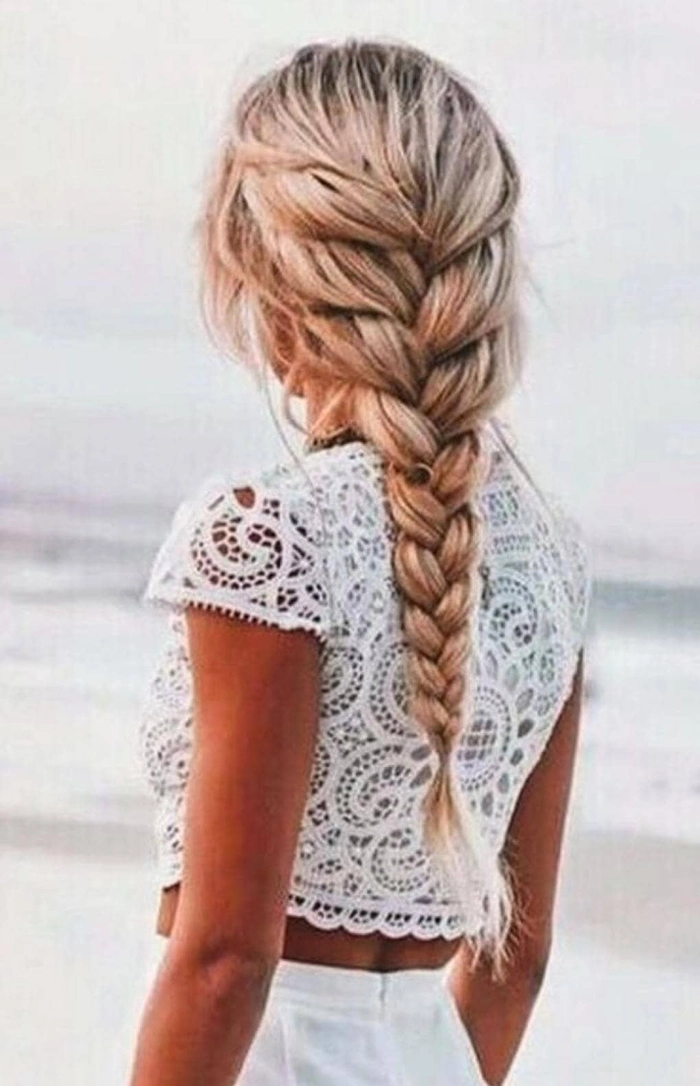
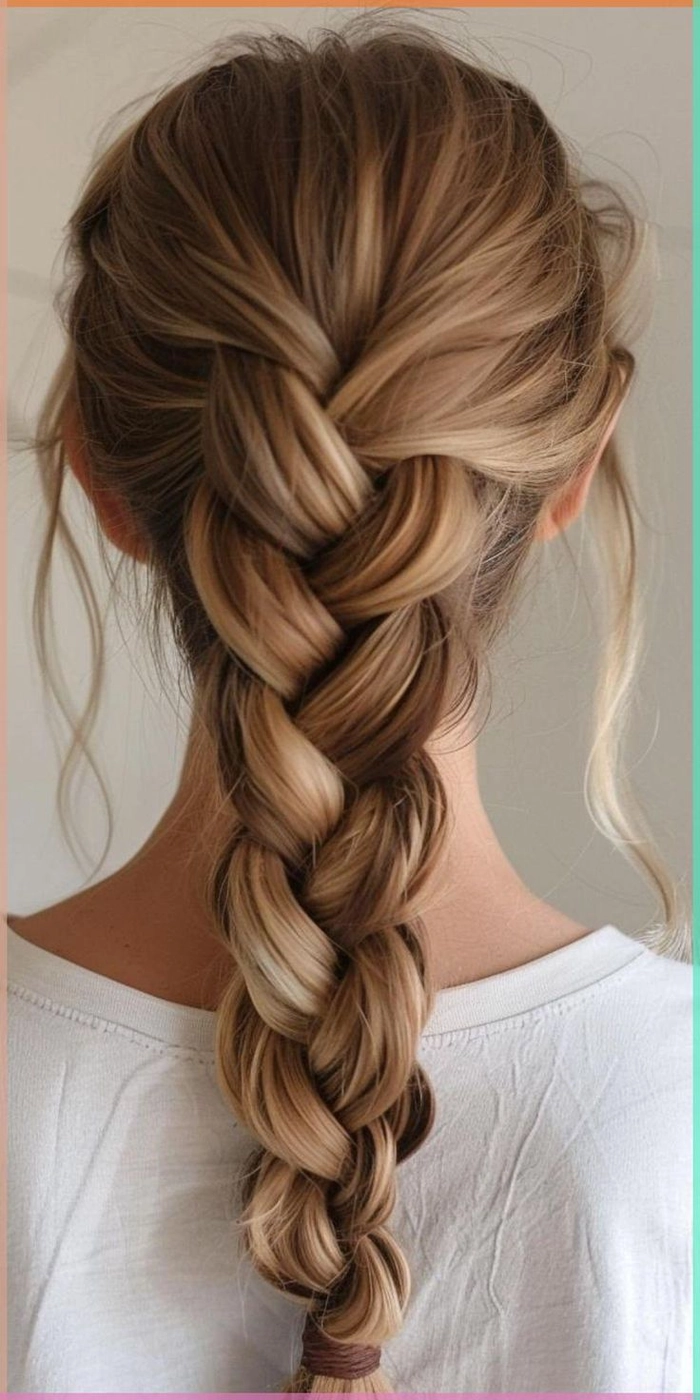
The casual part matters here. A tight, sleek French braid leans more formal. A loose version with intentional gaps and softer tension feels relaxed and intentional at the same time. You get the structure of a braid without the polished vibe that might feel out of place at a bonfire or hardware store run.
Matching the Braid to Your Hair and Face Shape
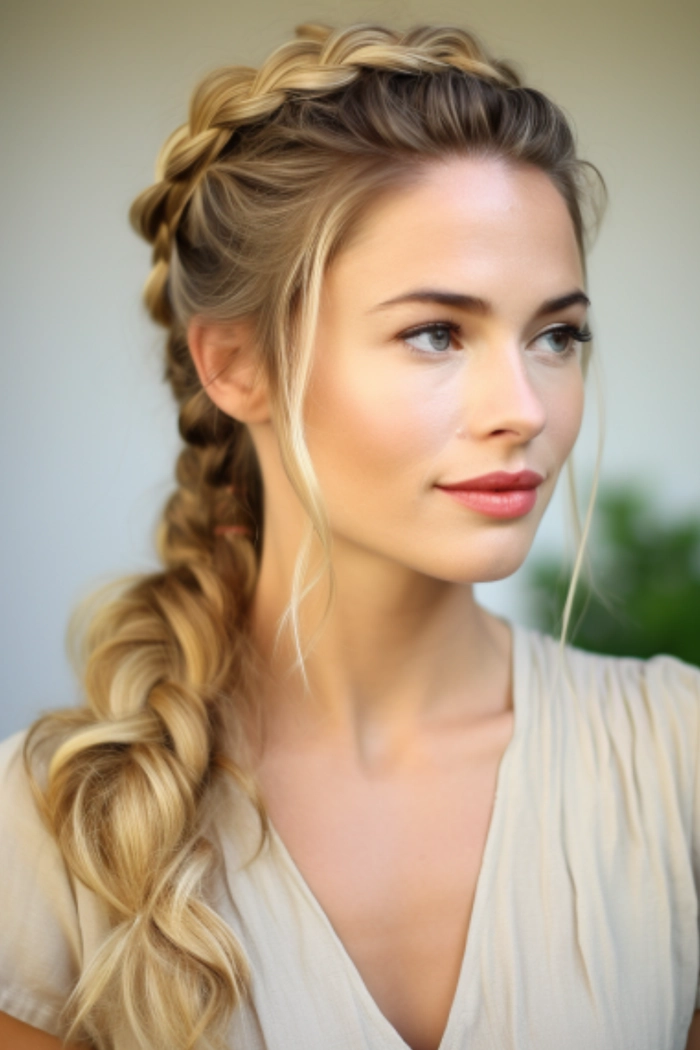
Your face shape affects how any hairstyle looks, and a loose French braid is no different. If you have a round face, adding some height at the crown helps balance proportions. A slightly higher starting point for the braid or backcombing at the roots creates that lift without looking overdone. For oval or long face shapes, keeping the braid closer to the head prevents the style from emphasizing length. Square faces benefit from softer textures around the face, so leaving a few face-framing pieces loose breaks up the angularity.
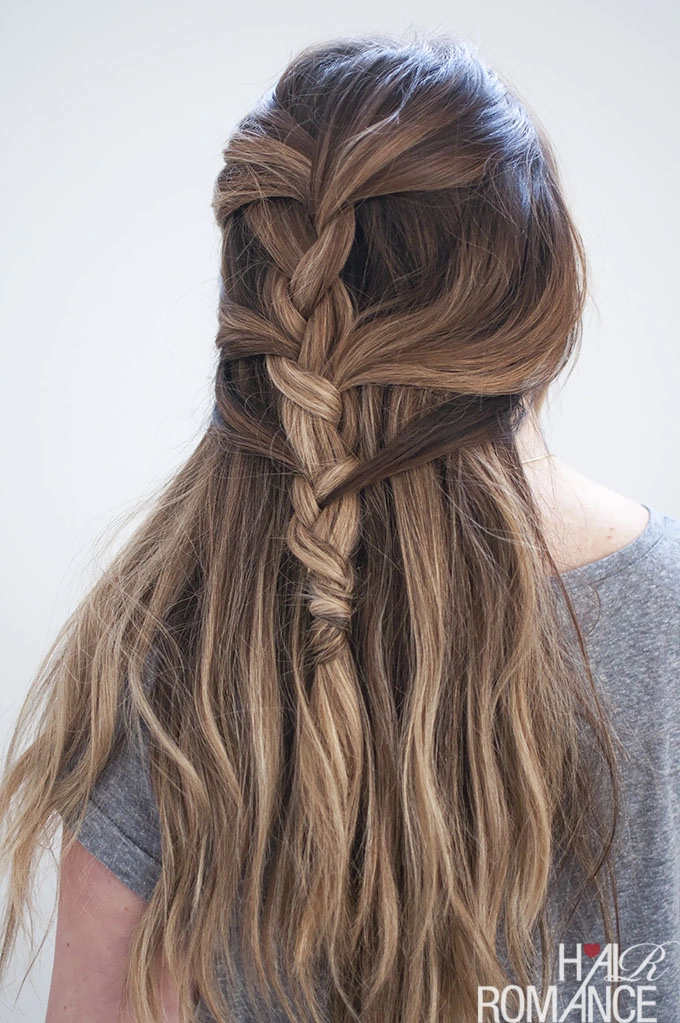
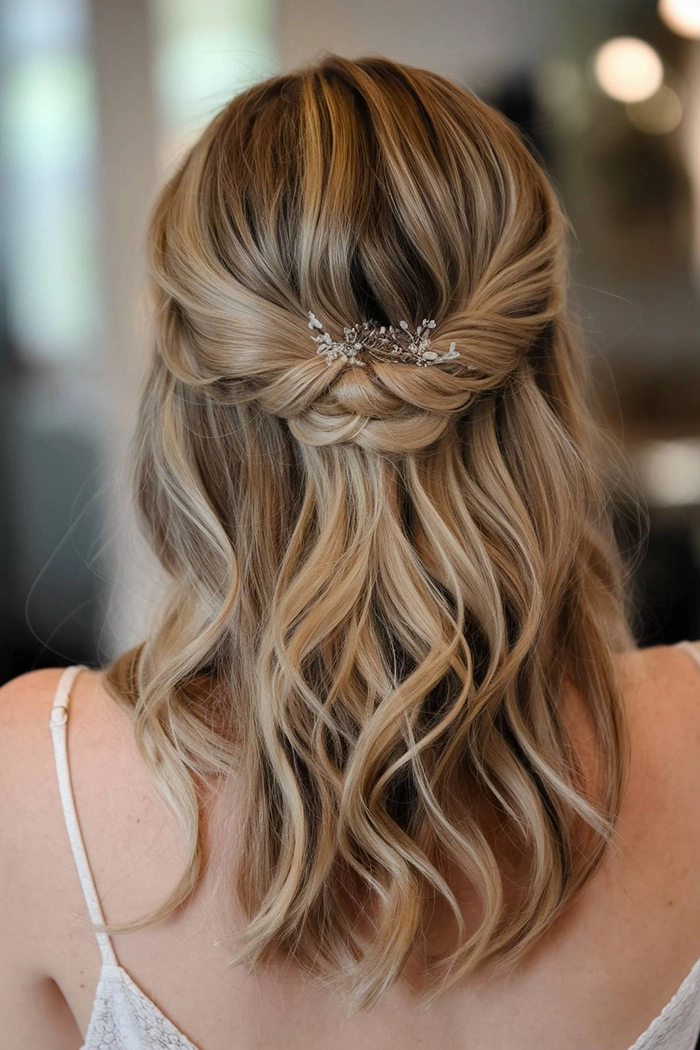
Hair length plays a role too. Shoulder-length hair works well for half-up loose French braid variations where not all hair gets braided. Longer hair lets you create a thicker braid with more visual interest, while shorter lengths can still pull off a loose French braid with a lower starting point or by using shorter sections at the front. If you have layered hair, the layers often show through the braid in a way that adds natural texture, which actually works in your favor for a country casual look.
Styling Tips That Make a Real Difference
Prep work matters more than most people realize. Starting with slightly damp hair gives the braid better grip and staying power than dry hair, especially if your hair tends to slip. A light leave-in conditioner or a small amount of styling cream smoothed through the mid-lengths and ends reduces frizz without making the hair too slippery to hold the braid. Avoid heavy products that weigh the braid down or create a greasy appearance.
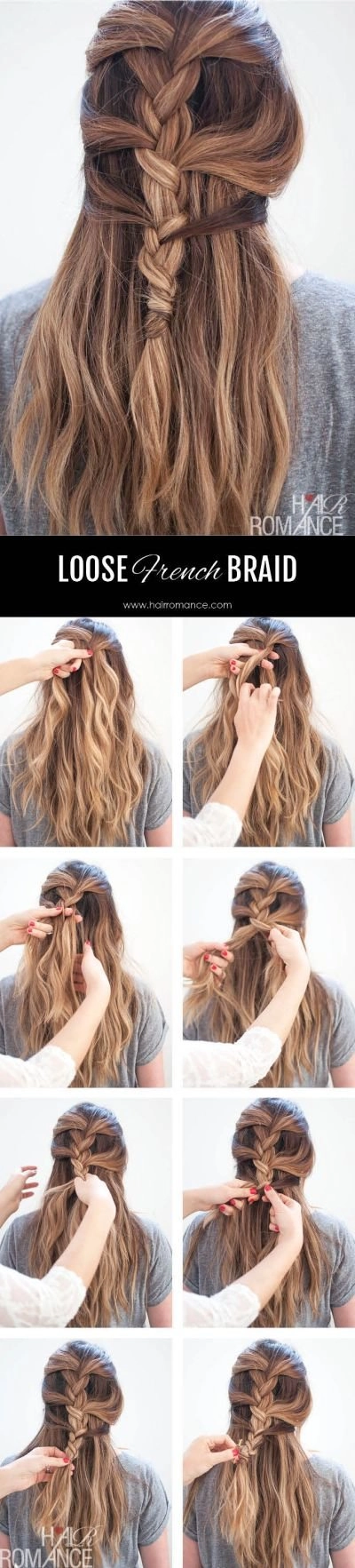
When braiding, keep the tension loose from the start. If you pull tightly at the roots, the style becomes stiff and flat within an hour. Instead, work with a gentle hand that keeps the braid secure but relaxed. Overlap the sections loosely rather than pulling them tight against the scalp. This casual approach also puts less strain on your hair, which matters for anyone concerned about hair care over time.
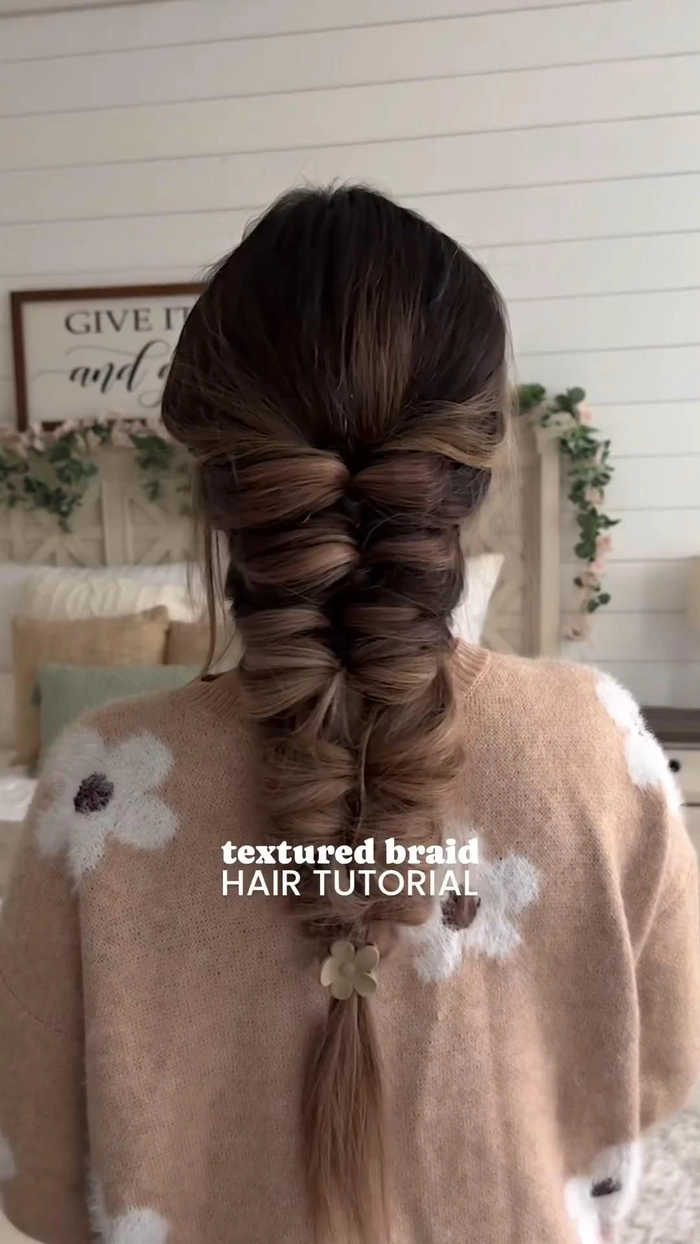
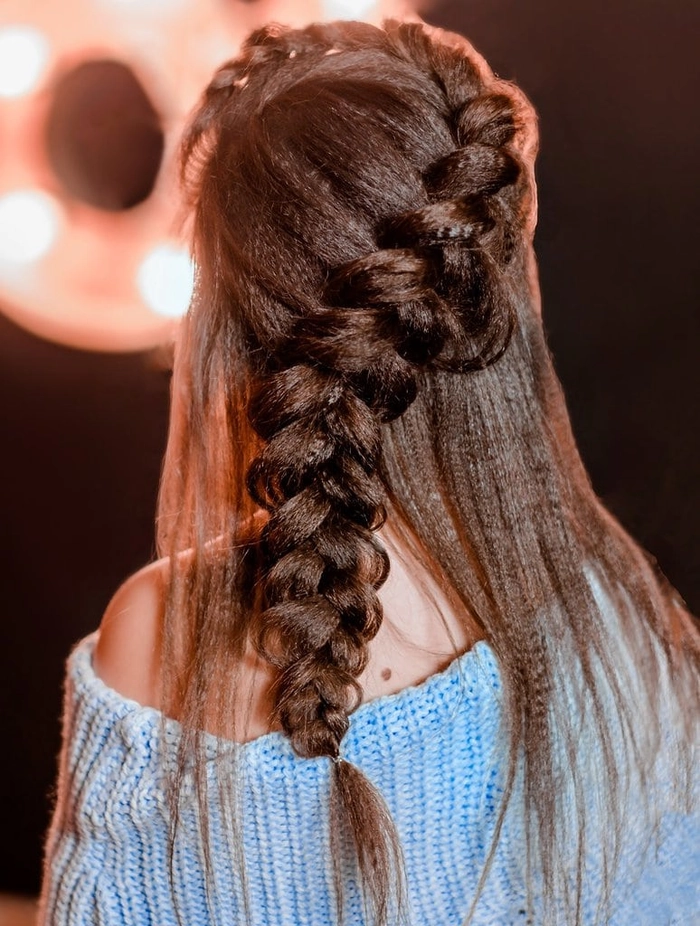
Once the braid is in place, gently pull it apart slightly to thicken the appearance. This step sounds counterintuitive, but loosening the braid slightly makes it look more natural and less geometric. It also reduces the tight look that makes casual braids read as too done-up.
Common Mistakes That Undermine the Look
- Braiding when hair is completely dry and slippery, which causes the style to fall apart quickly
- Starting with too much product that creates a stiff, weighed-down appearance
- Trying to copy a tight, formal French braid style instead of adapting it to be looser
- Skipping the face-framing pieces that soften the overall look
- Using elastics that leave dents or creases, especially when the braid needs to last through a full day
Maintenance and Keeping the Look Fresh
Loose French braids do not need daily washing, which helps if your hair runs dry. Refresh the style by dampening the hair slightly and re-braiding every two to three days, or switch to a different part like trying an everyday messy bun to give your hair a break between braid days. Using a satin pillowcase or a loose bun at night helps the style last longer and reduces tangling.
If you color your hair or have highlighted pieces, the loose braid actually works well because the braid pattern shows off dimensional hair color in a way that looks natural rather than forced. This gives you a chance to show off hair color ideas you might otherwise hide under a ponytail.
What to Ask at a Salon Consultation
Before committing to any new hairstyle approach, bring a few reference photos showing the level of looseness you want. Ask your stylist whether your hair texture can hold a loose braid without excessive frizz, and what products they recommend for your specific hair type. A good stylist will discuss how the style works with your hair texture and density, not just show you a photo that looks nothing like your hair. Ask about layering if you have thick or heavy hair, since strategic layers reduce bulk in the braid and make the style more manageable.
Also ask about maintenance for your particular hair type. If you have coarse or naturally dry hair, the styling routine will differ from someone with fine or oily hair. Understanding these differences prevents frustration later.
Making It Work for Different Occasions
The same loose French braid adapts from errands to casual evenings out. For daytime, keep it simple with minimal product and loose face pieces. For a more polished evening look, add a decorative pin or scarf, or switch to a side-swept version that feels a bit more intentional. This flexibility makes the style practical for casual holiday gatherings or informal dinner dates without requiring a complete re-do.
If you are transitioning to natural hair or working with textures that hold braids well, a loose French braid also works as a protective style that keeps ends tucked away while reducing daily manipulation. The key is keeping the tension genuinely loose to avoid stress on the roots.
Your Next Practical Step
Try the style this week using damp hair, a light product, and a genuinely loose hand. Take a photo to see how it holds over several hours. If it falls apart too quickly, adjust the starting tension or add slightly more grip product. If it looks too stiff, loosen the sections and pull the braid apart gently. Small tweaks make the difference between a look that works and one that feels like a failed experiment.
Choose the variation that fits your routine, face shape, and hair type, and you will have a reliable country casual hairstyle that handles real life without constant maintenance.
 Easy Half Up Half Down Hairstyles for Medium Hair Days
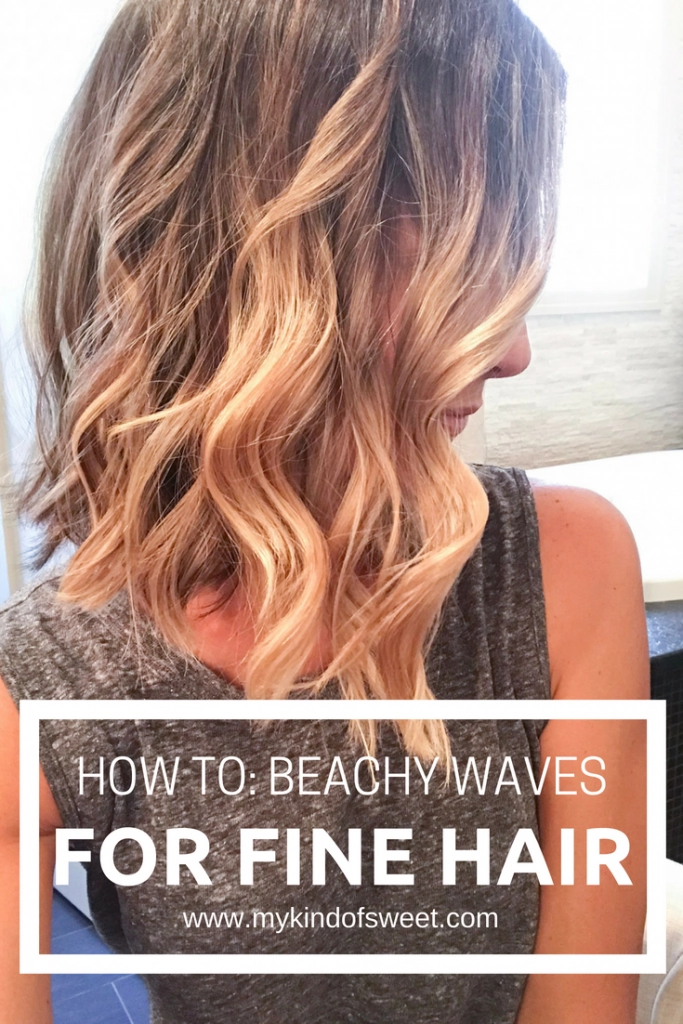 Effortless Beach Wave Hairstyles Perfect for Fine Hair
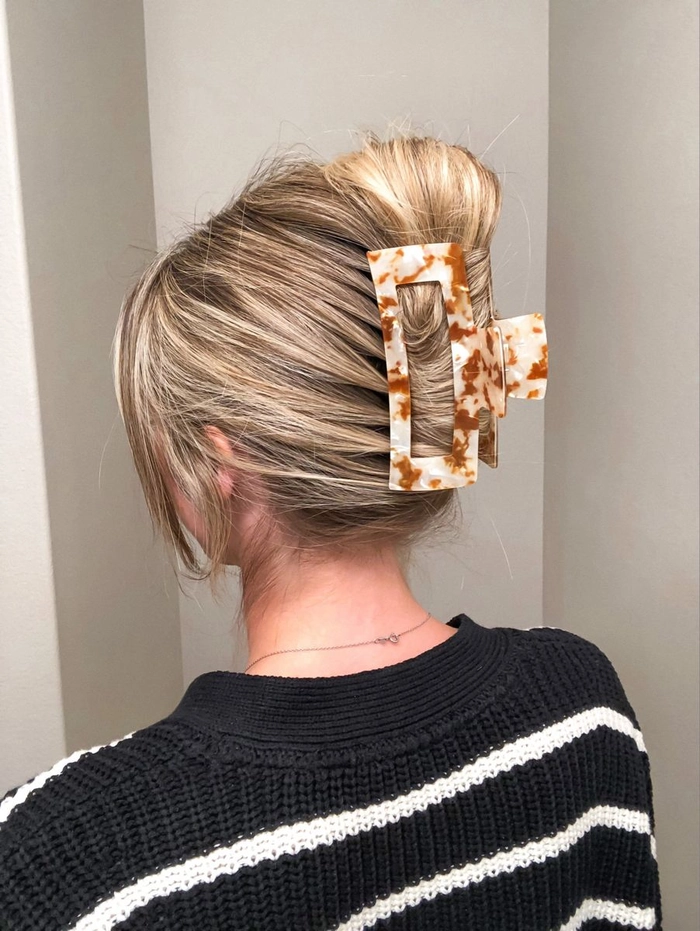 Effortless Claw Clip Hairstyles for Thick Hair You’ll Love
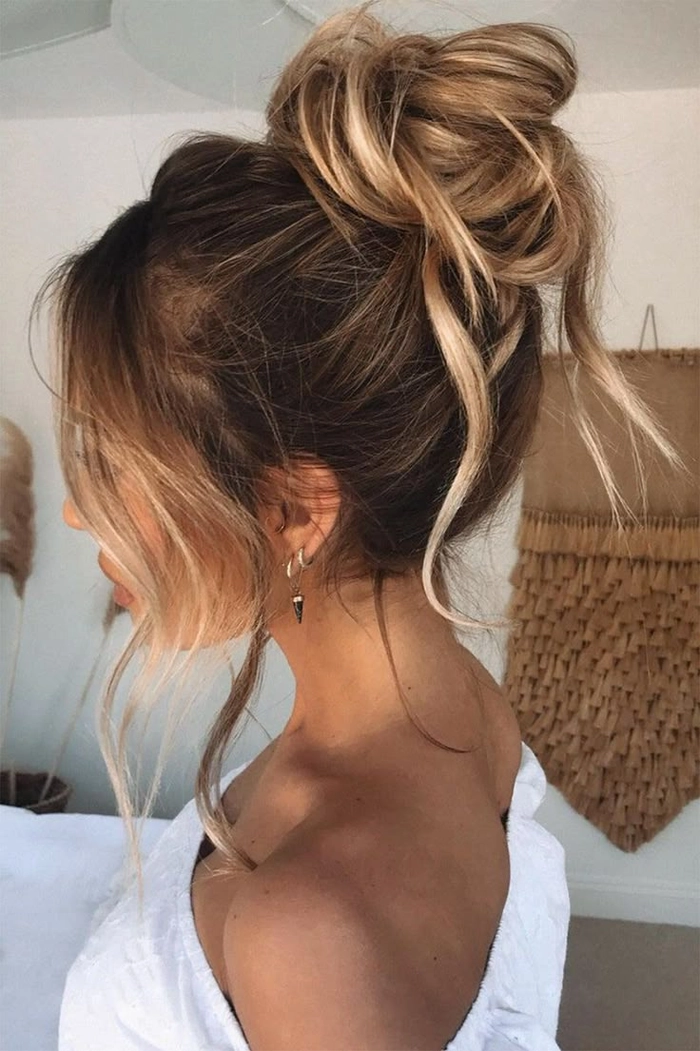 Effortless Casual Messy Bun Styles for Long Hair Ideas
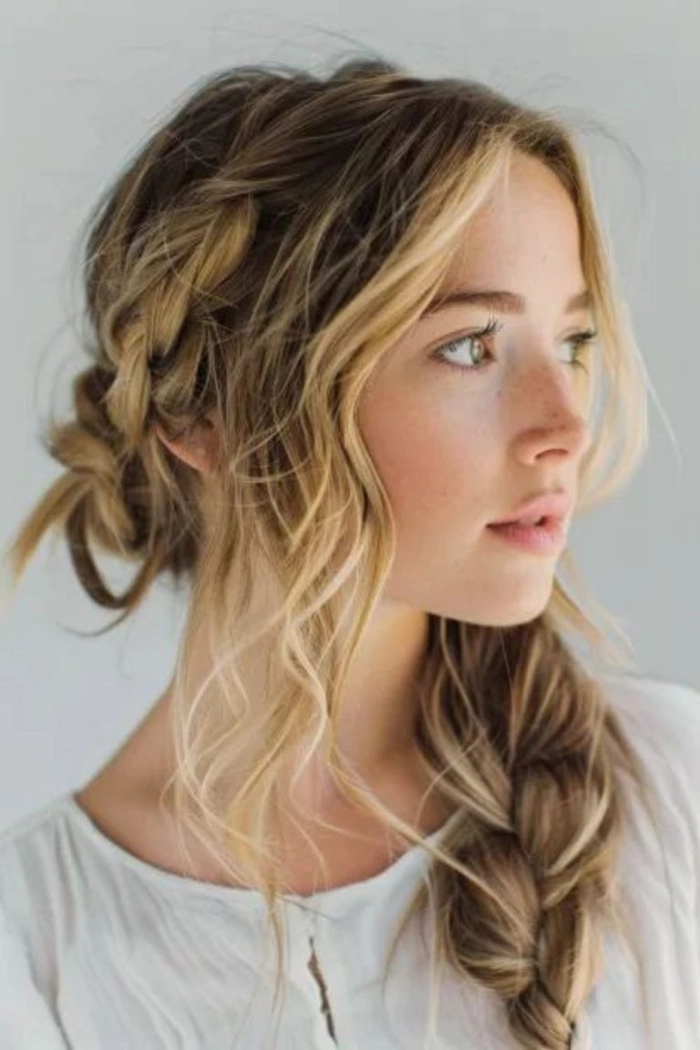 Effortless Braided Hairstyles Perfect for College Days
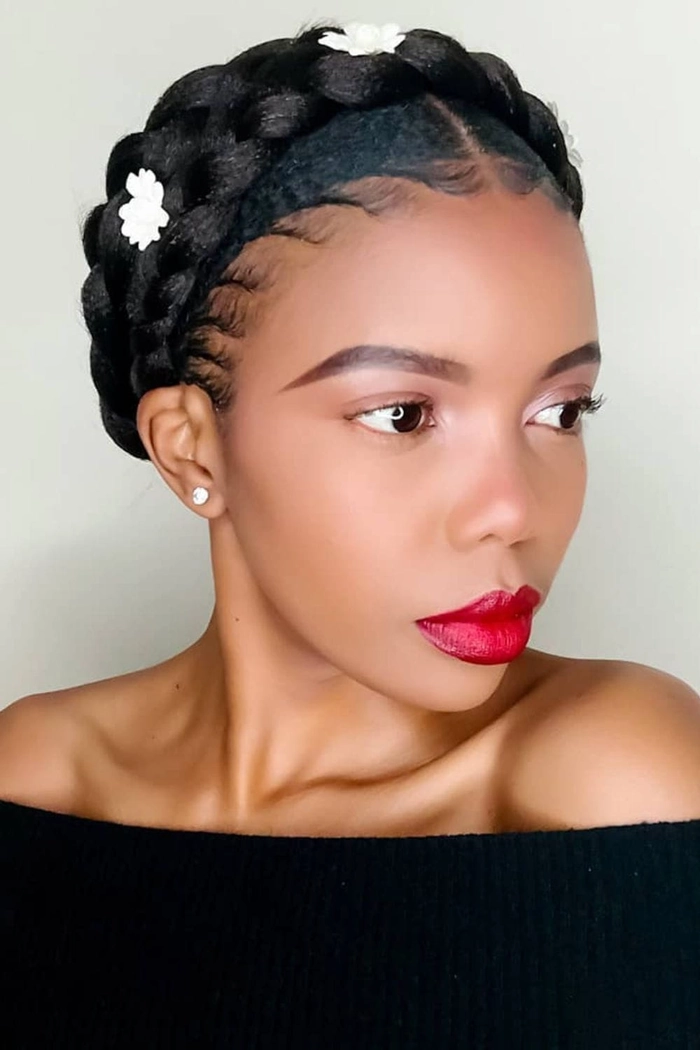 Effortless Casual Halo Braid Styles Perfect for Summer Trips