Transitioning from chemically treated or heat-damaged hair to your natural texture is a journey that takes patience, and protecting your hair along the way is essential. Everyday protective styles for transitioning natural hair help you manage the two different textures your natural roots and your processed ends without constant manipulation that can cause breakage. Whether you're six months in or just starting out, the right style can keep your hair healthy, reduce daily stress on fragile strands, and still look polished enough for work, errands, or a casual weekend outing. Below, you'll find practical guidance to help you choose styles that actually work for your lifestyle and hair type.
Why Protective Styling Matters When You're Transitioning
When your hair is transitioning, the line where your natural texture meets your chemically treated or damaged hair is especially fragile. This demarcation point is where most breakage happens. Protective styles tuck those vulnerable ends away, limit daily combing and heat exposure, and give your hair room to grow without constant tension. Think of it as giving your strands a break while you figure out what your natural texture really wants to do.
Beyond hair health, protective styling simplifies your styling routine. Mornings become easier when you don't have to wrestle with two textures in the mirror. That practicality is exactly why so many people on the transition journey rely on these styles as their go-to everyday hairstyles.
Choosing the Right Style for Your Face Shape and Texture
Not every protective style works the same on every head of hair. Your face shape, hair length, and texture all play a role in what looks and feels best. For example, flat twists and chunky braids tend to frame a round face beautifully, while a pinned-up updo can elongate a heart-shaped face. If your hair is on the finer side, styles like bantu knots or coil-outs can add volume without weighing your strands down.
For those with layered hair or shorter lengths, half-up styles and low buns work well because they don't require as much length to hold. If you have thicker or coarser texture, two-strand twists, cornrows, and braided updos tend to stay in place longer and offer more versatility throughout the week.
Low-Maintenance Styles You Can Do at Home
You don't always need a salon visit to keep your hair looking put together. Many low-maintenance hairstyles for transitioning hair are simple enough for a home styling routine. Here are some reliable options:
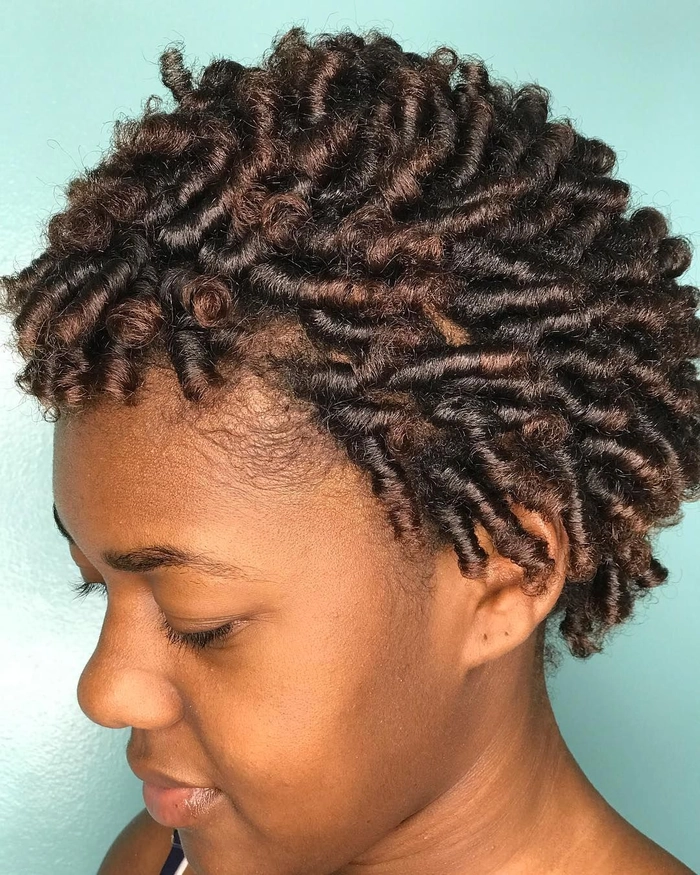
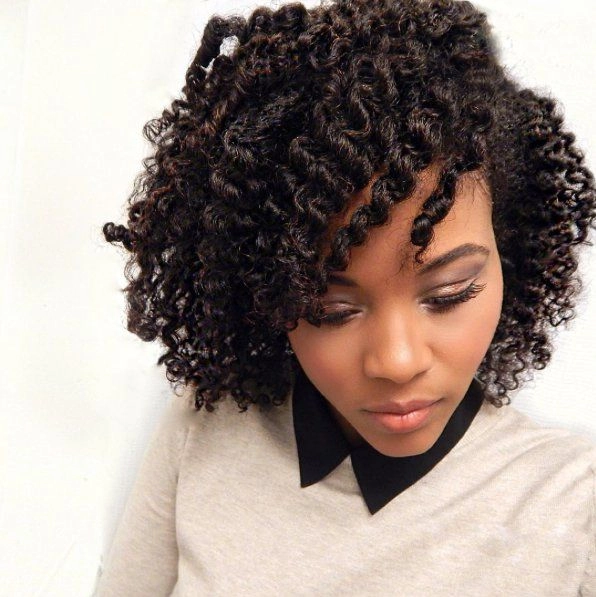
- Two-strand twists Easy to install, gentle on fragile strands, and can last up to two weeks with proper care.
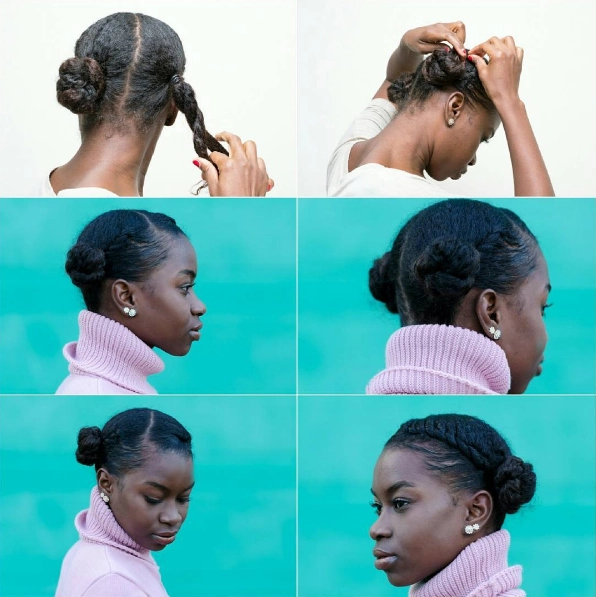
- Low manipulation buns Gather your hair loosely at the nape and secure with a satin scrunchie. This works on almost any hair length.
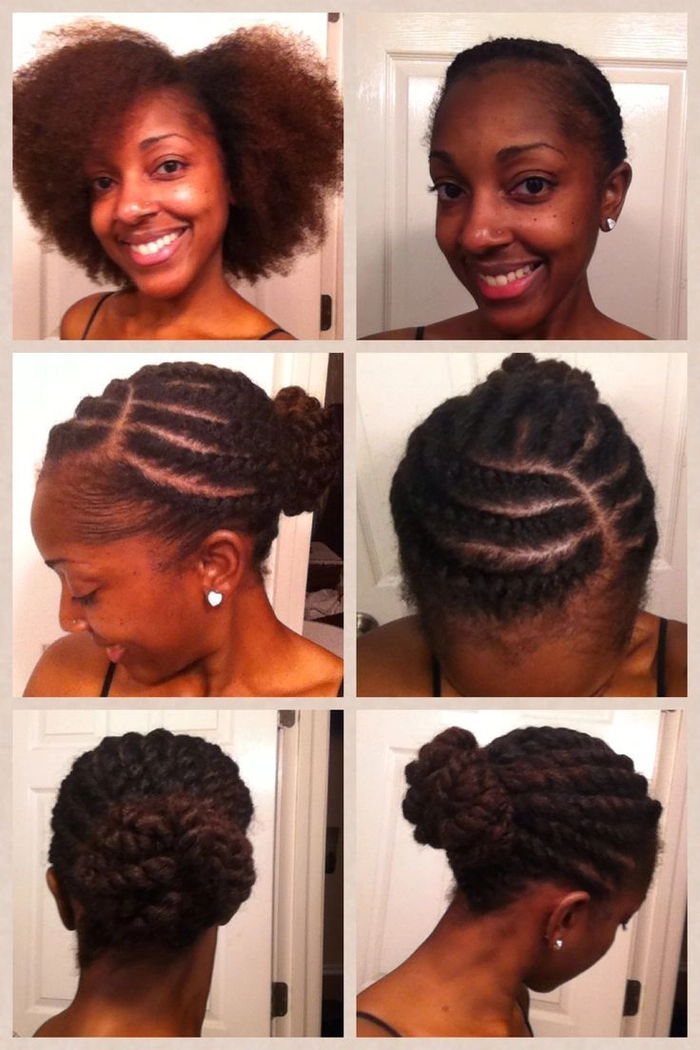
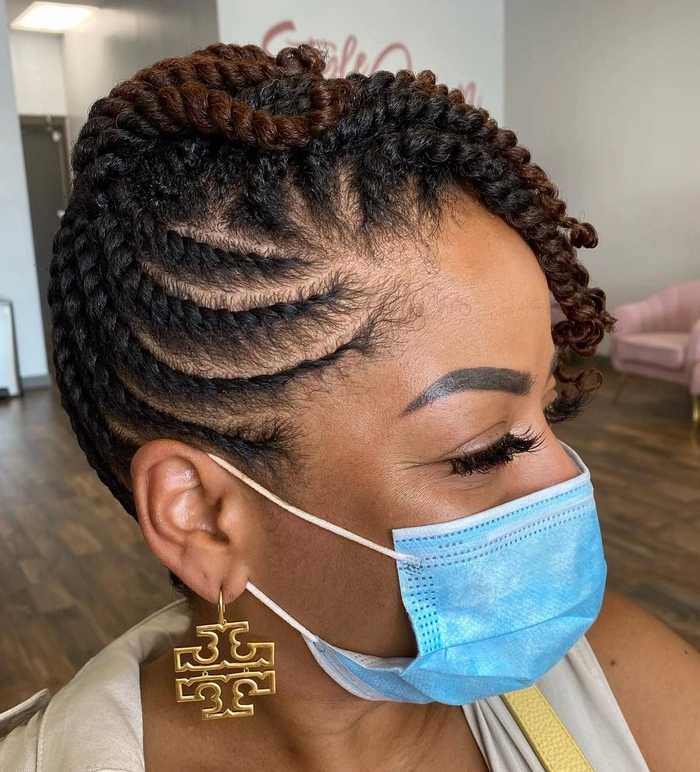
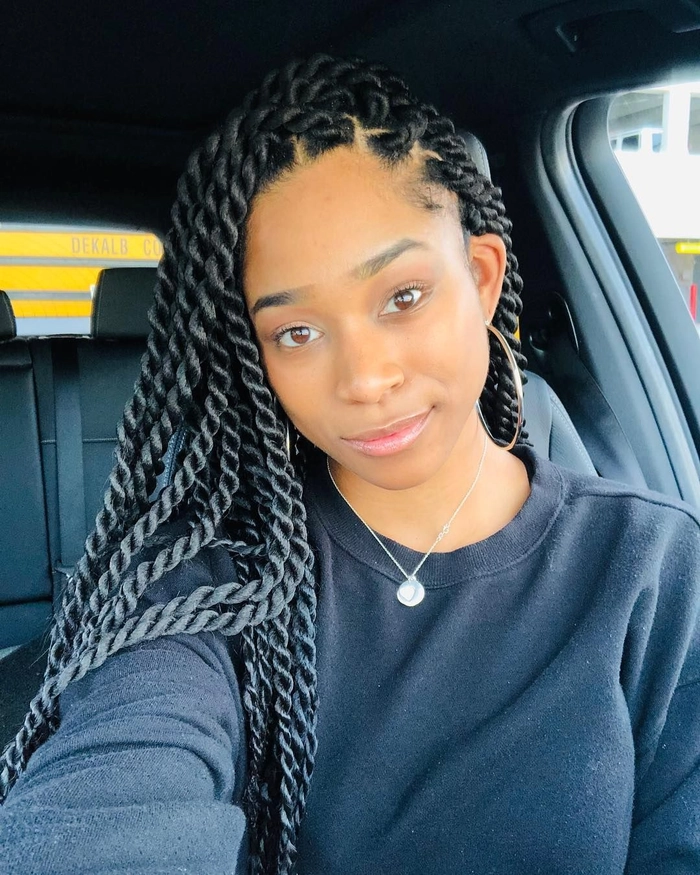
- Flat twists along the scalp A great alternative to cornrows that puts less tension on your edges.
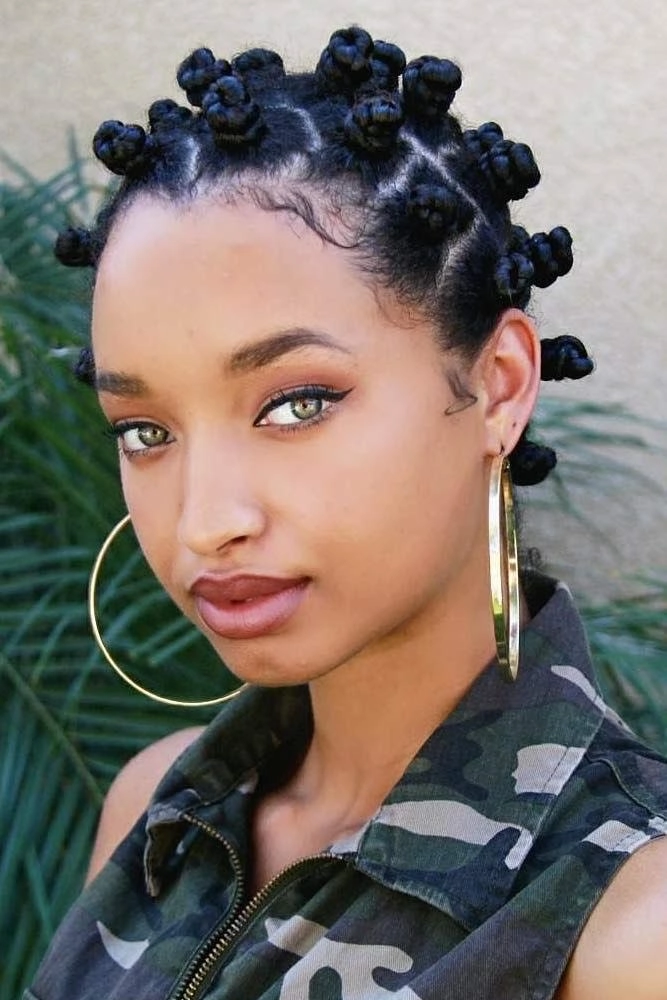
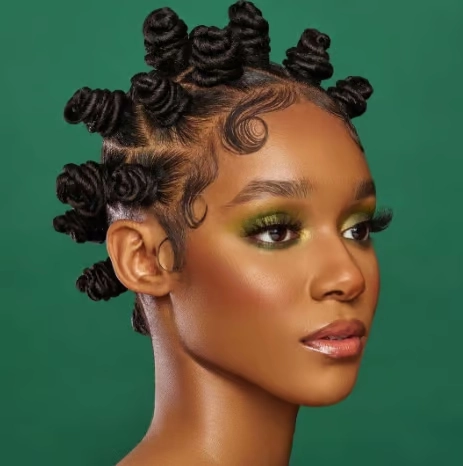
- Bantu knot-outs Install bantu knots overnight and unravel them in the morning for a defined, curly look that blends both textures.
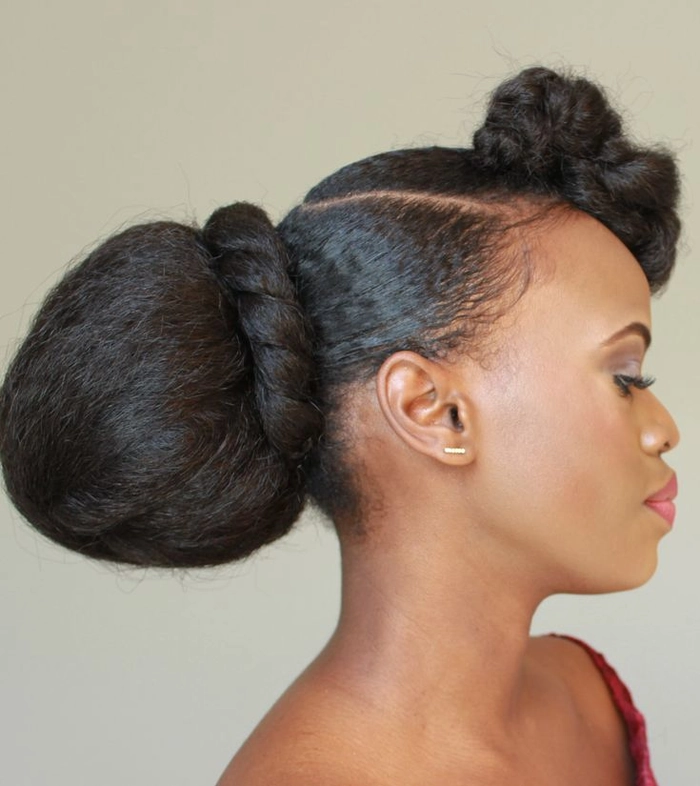
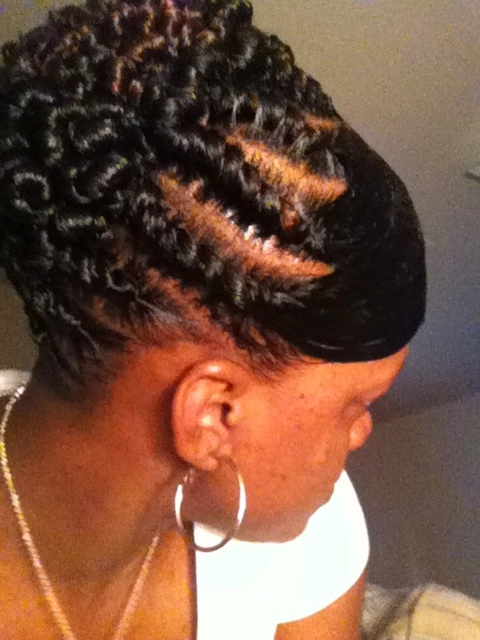
- Pin-up tuck styles Roll and pin sections of hair for a chic look that hides uneven textures.
Styling Tips to Keep Your Look Polished
A few small habits make a big difference in how fresh your protective style looks day to day. Always start with clean, moisturized hair before installing any style. Use lightweight styling products like leave-in conditioners or styling creams to add slip and reduce friction. At night, wrap your hair in a satin bonnet or sleep on a satin pillowcase to prevent frizz and dryness.
For styles that start to look fuzzy after a few days, gently refresh the front sections or edges with a little edge control and a soft brush. This small touch-up takes two minutes and makes the style look freshly done no need to redo the entire head.
What to Ask Your Stylist Before Making a Change
If you're considering a bigger change like a big chop, adding bangs, or trying new hair color ideas schedule a salon consultation first. Ask your stylist how the proposed style will work with your transitioning texture, what hair care tips they recommend for maintaining it at home, and whether the style requires heat or chemical processing that could set back your progress. A good stylist will be honest about what your hair can handle right now and suggest haircut ideas that complement your journey.
Common Mistakes to Avoid
One of the biggest pitfalls during transition is choosing styles that are too tight. Excessive tension on your edges and scalp can lead to traction alopecia, which is difficult to reverse. Avoid installing styles on dirty or dry hair, skipping moisture between installs, and leaving protective styles in for too long most should be refreshed or redone every two to three weeks.
Also, resist the urge to compare your hair to someone else's hairstyle inspiration. Your texture, density, and porosity are unique, and the best protective style is one that respects where your hair is right now.
Find What Works for You
Transitioning is a personal process, and there's no single "right" way to do it. The best everyday protective style is one that fits your routine, flatters your face, and keeps your hair healthy as it grows. Start simple, listen to your hair, and don't be afraid to experiment until you find the styles that make you feel confident and comfortable every single day.
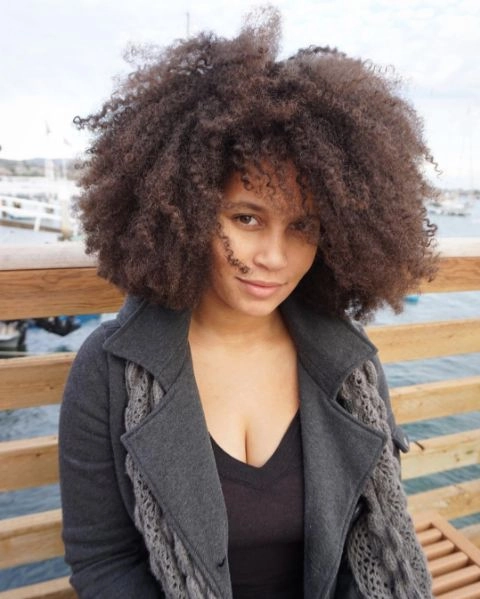
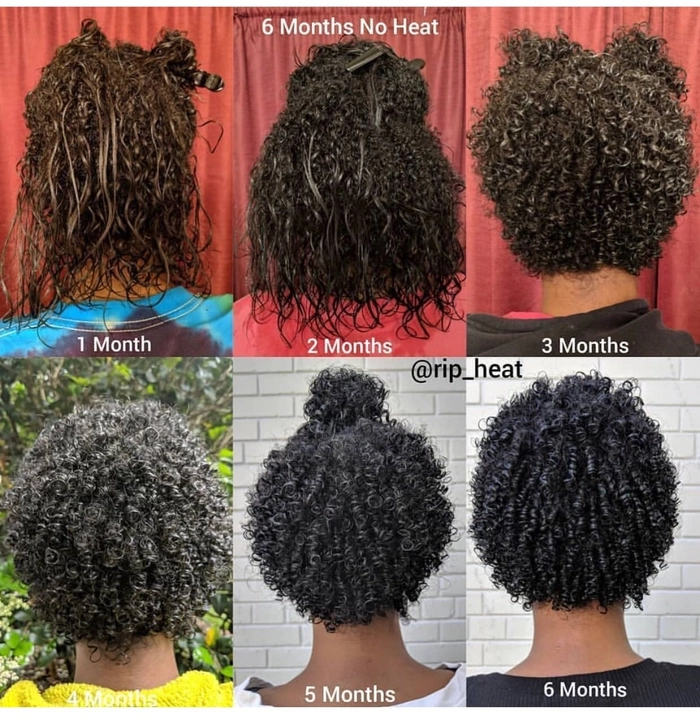
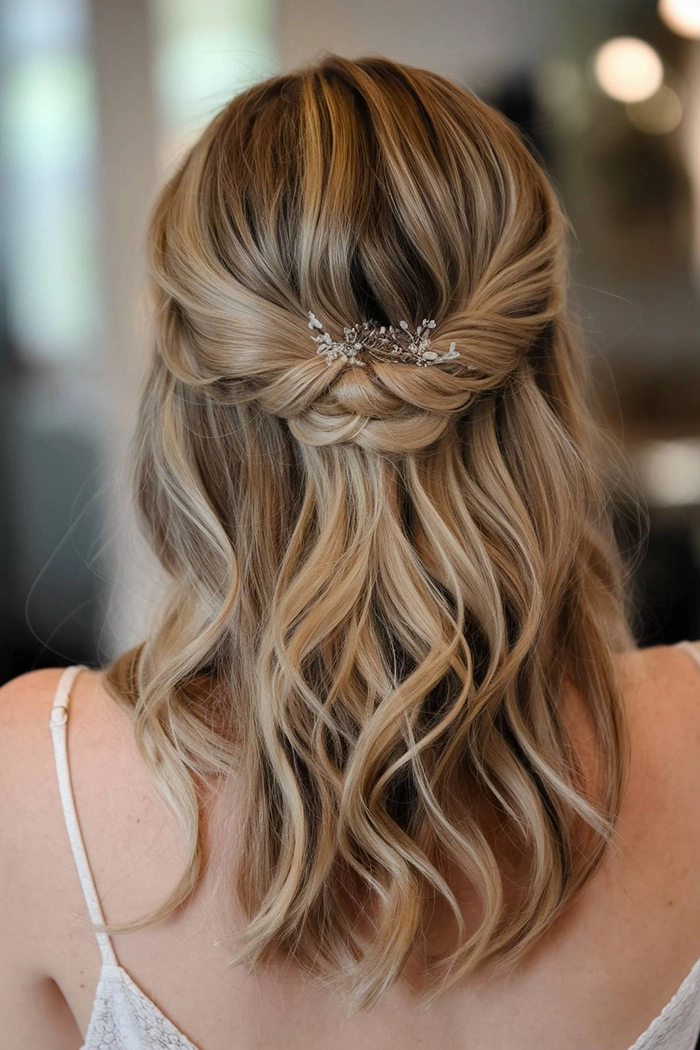 Easy Half Up Half Down Hairstyles for Medium Hair Days
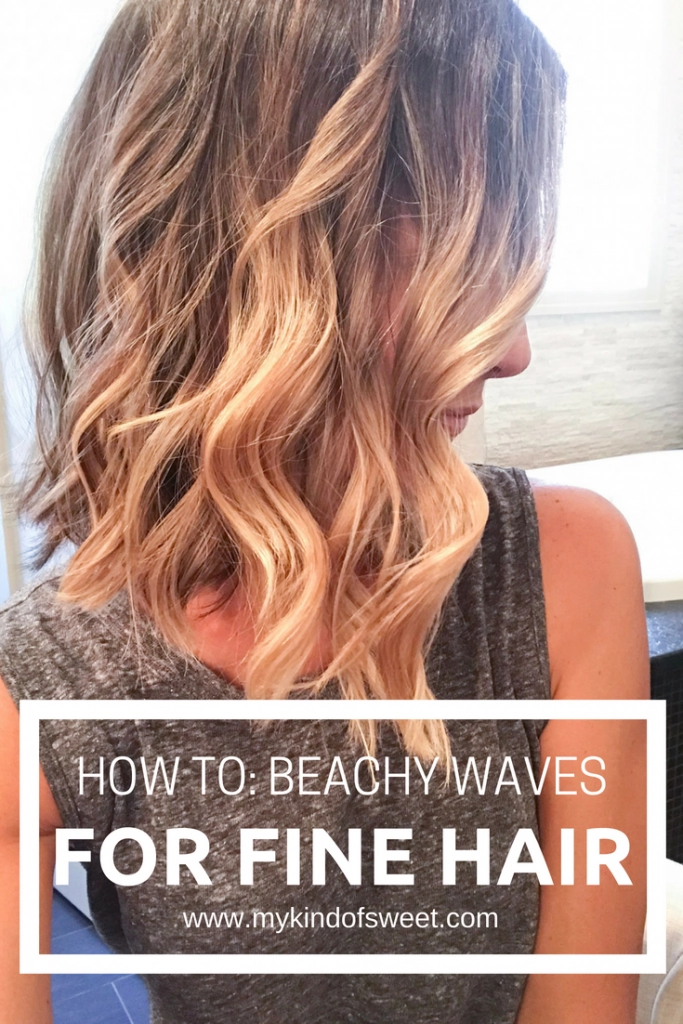 Effortless Beach Wave Hairstyles Perfect for Fine Hair
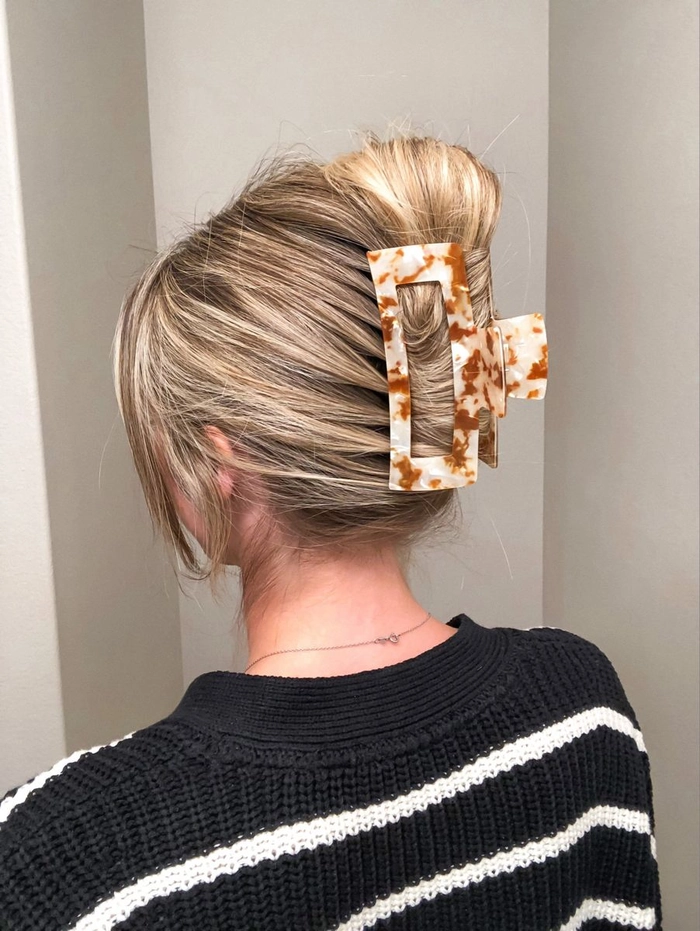 Effortless Claw Clip Hairstyles for Thick Hair You’ll Love
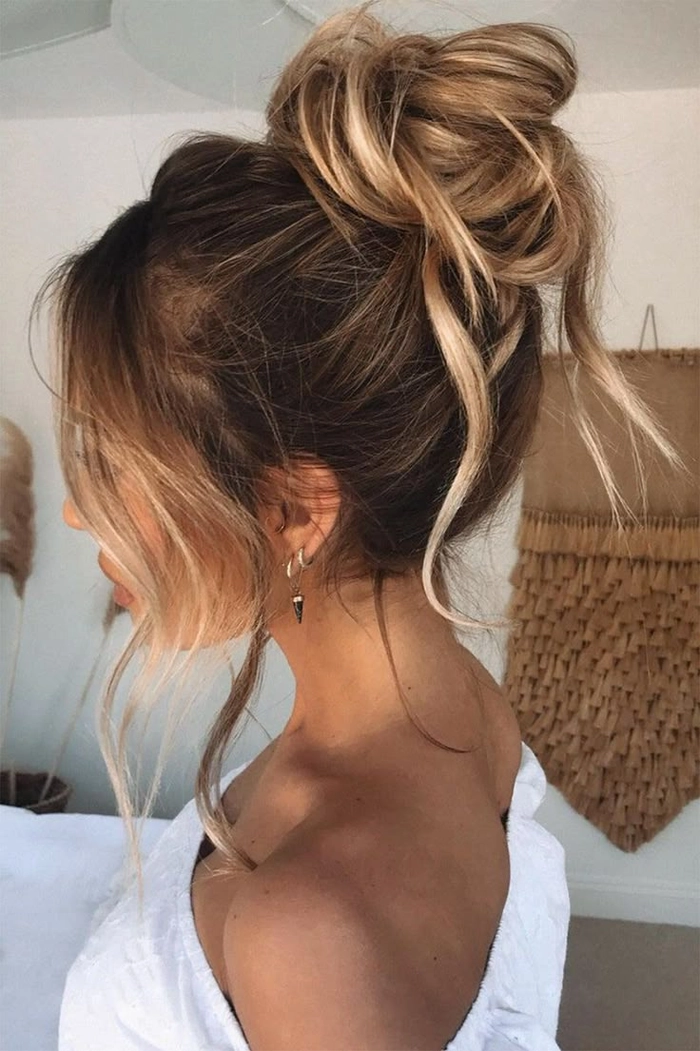 Effortless Casual Messy Bun Styles for Long Hair Ideas
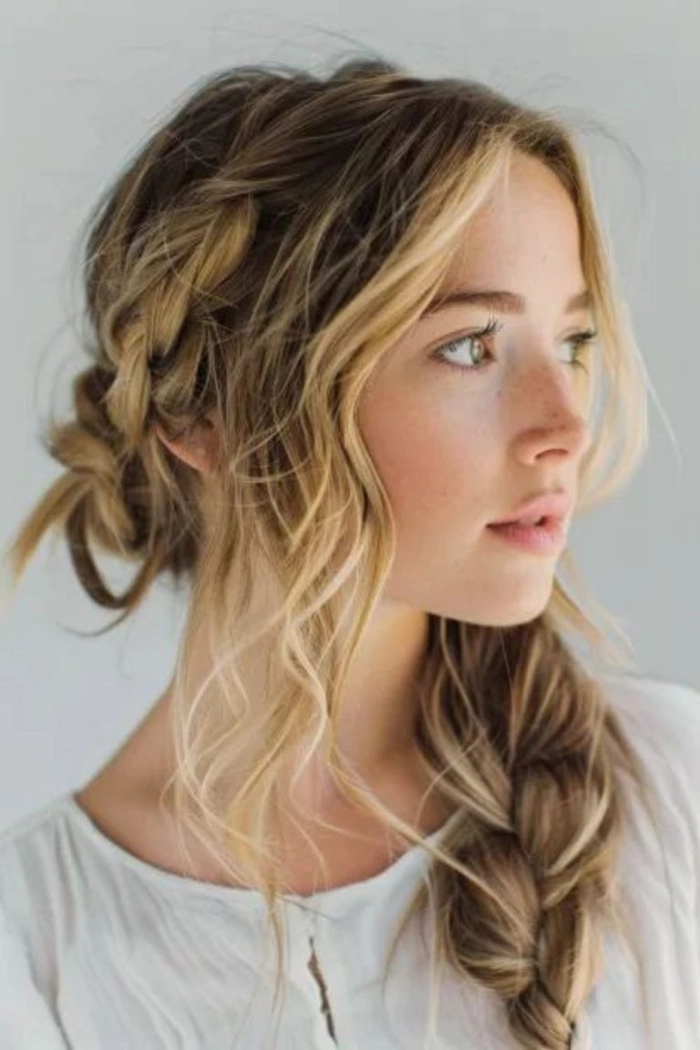 Effortless Braided Hairstyles Perfect for College Days
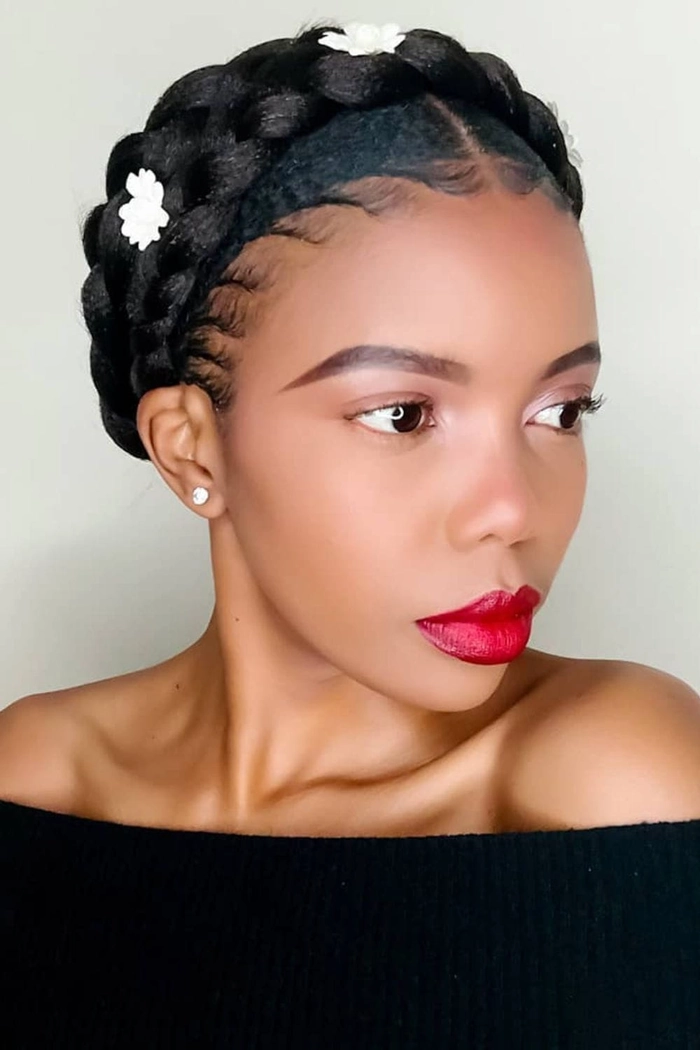 Effortless Casual Halo Braid Styles Perfect for Summer Trips