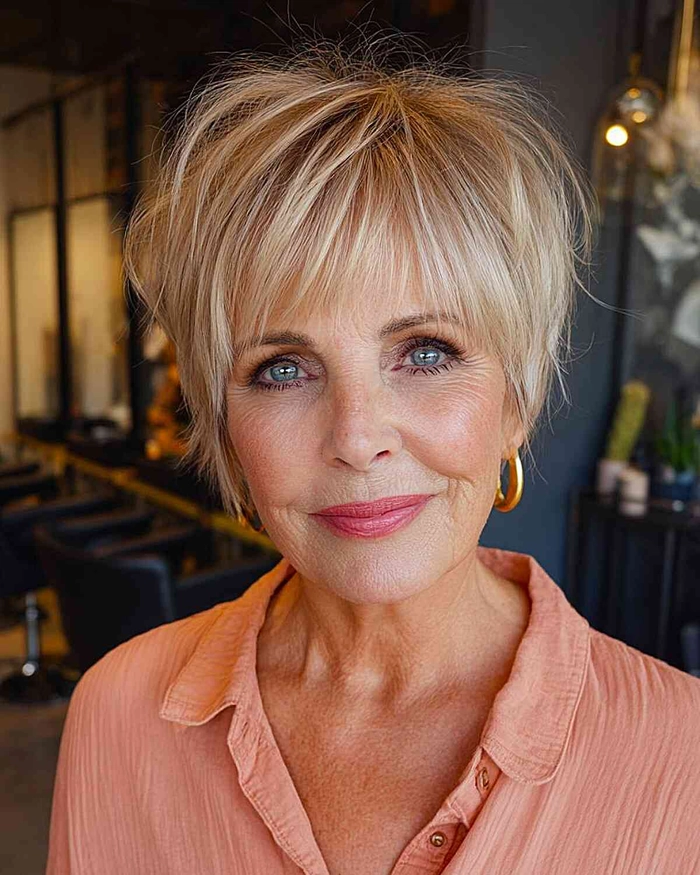
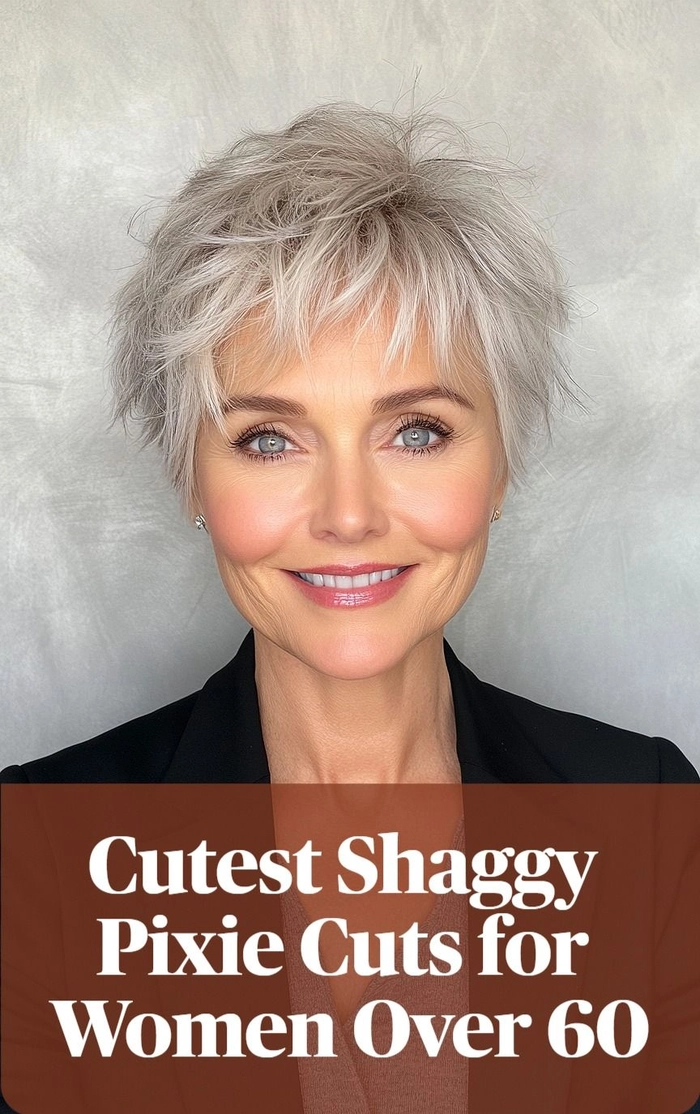
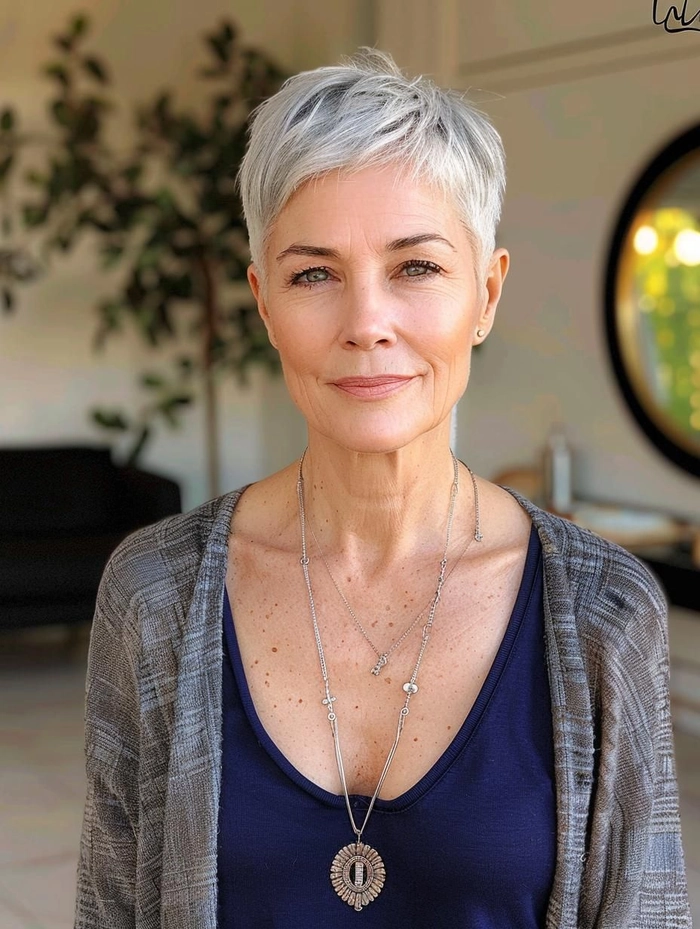
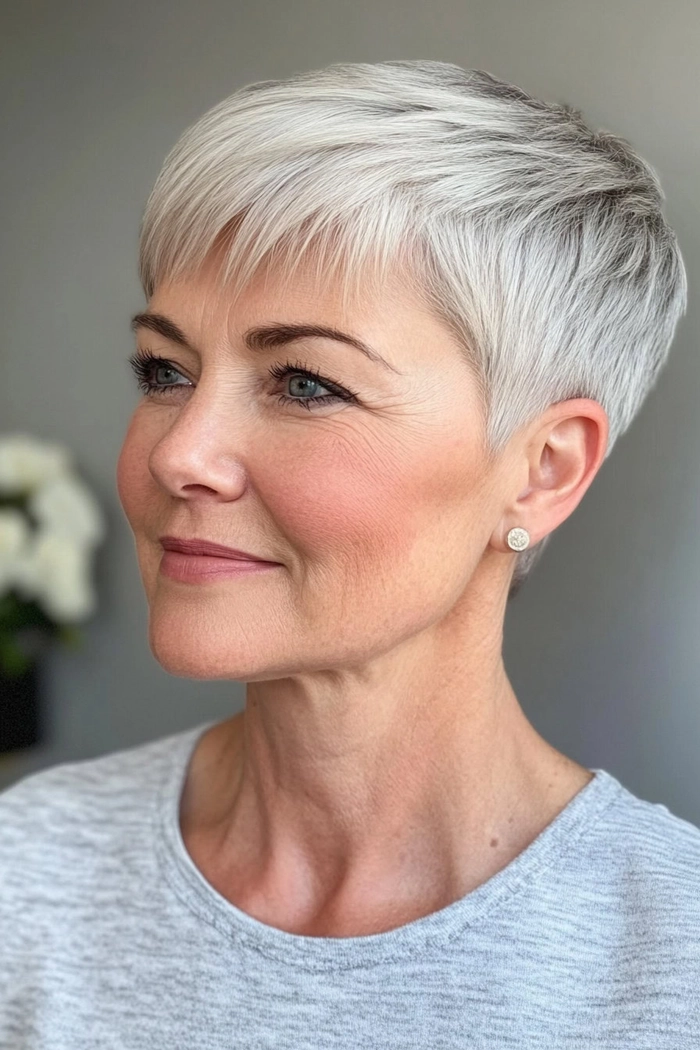
If you're a senior woman in management looking for a hairstyle that commands respect, feels effortless, and still looks polished in every boardroom photo, the conservative pixie cut deserves serious consideration. It's one of the most versatile low-maintenance hairstyles available yet too many women overlook it because they're unsure whether it will suit their face shape, hair texture, or professional image. The truth is, the right pixie can sharpen your entire look with minimal daily effort, and this guide will help you find exactly that.
Why a Conservative Pixie Cut Works for Leadership Roles
A well-executed pixie projects confidence, clarity, and intentionality qualities that matter in senior female management. Unlike longer styles that can feel overly casual or require constant touch-ups throughout a long workday, a conservative pixie stays neat from your morning meeting to your evening event. It frames the face, draws attention to your expressions, and eliminates the daily tug-of-war between looking put-together and having time for everything else on your plate.
For women over 50, it also addresses practical concerns. Thinning hair, changing texture, and graying strands all work with a pixie rather than against it. The shorter hair length makes it easier to manage volume, add body where needed, and incorporate subtle hair color ideas like soft highlights or a refined silver blend.
Matching Your Pixie to Your Face Shape and Hair Texture
Not every pixie is the same, and choosing the right version starts with understanding your features. Here's a straightforward breakdown:
- Round faces benefit from slightly longer layers on top with tapered sides. This adds height and elongates the face without looking severe.
- Oval faces are the most flexible almost any pixie variation works, from classic cropped styles to versions with side-swept bangs.
- Square faces soften beautifully with wispy, textured layers around the temples and forehead. Avoid blunt, geometric cuts that emphasize angularity.
- Heart-shaped faces look balanced with bangs that skim the brow and slightly more volume at the jawline level.
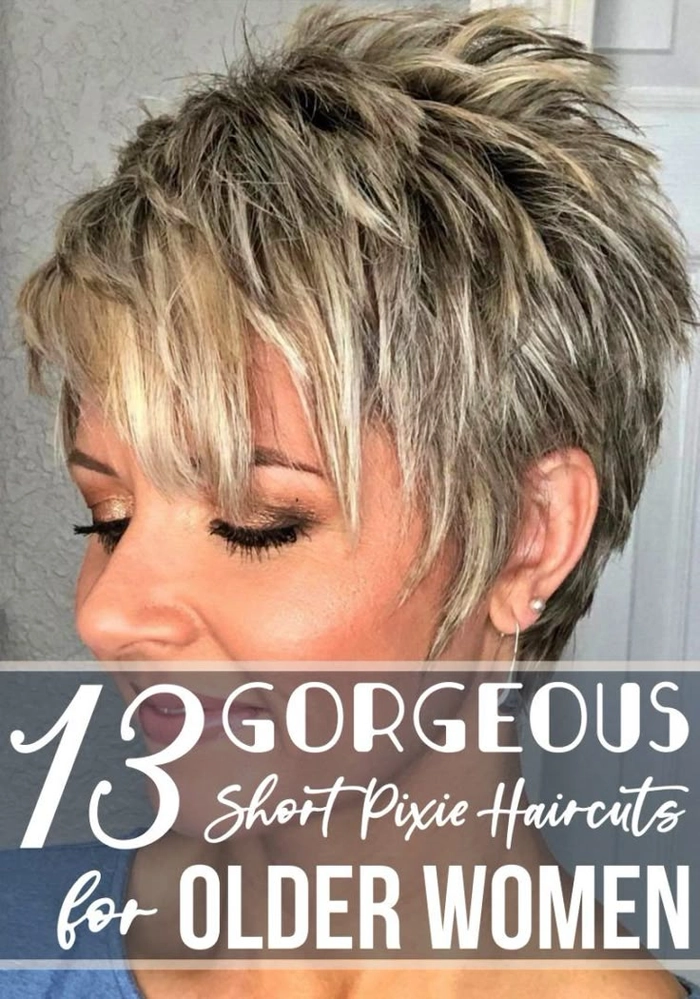
Your hair texture matters just as much. Fine hair often looks fuller with a layered pixie that adds movement, while thicker or coarser hair may need thinning and texturizing to avoid an overly bulky silhouette. If your hair is naturally wavy, a slightly tousled pixie can look effortlessly chic no fighting required.
What to Ask Your Stylist Before the Cut
A great salon consultation makes all the difference. Before committing, bring hairstyle inspiration photos not just one, but three or four examples that share a consistent vibe. This helps your stylist understand your vision without guesswork.
Ask these key questions during your appointment:
- How much daily styling will this specific cut require? Be honest about your routine.
- Will this length and layer pattern work with my natural texture? A good stylist will adapt the cut to you, not the other way around.
- What styling products will I need at home? A lightweight pomade, a volumizing mousse, or a texturizing spray can make a significant difference.
- How often should I come in for trims? Most pixie cuts need maintenance every four to six weeks to keep their shape.
Simple Styling Tips for an Everyday Polished Look
One of the biggest advantages of a conservative pixie is the shortened styling routine. On most days, you can go from towel-dried to ready in under ten minutes. Apply a small amount of styling product to damp hair, direct it into place with your fingers or a vent brush, and either air-dry or use a quick blast from a blow dryer on low heat.
For special occasions, consider adding a slight side part with a bit more product for hold, or tuck one side behind the ear and let the other fall naturally for an asymmetric detail that feels elevated without overdone effort. A touch of shine serum can add a refined finish.
To keep the look fresh between salon visits, invest in a good hair care routine: a lightweight conditioner, occasional deep treatments, and UV protection if you spend time outdoors. These small habits preserve color, softness, and overall shape.
Avoiding Common Mistakes
The most frequent misstep is choosing a pixie based on a photo of someone with a completely different face shape or hair texture. What looks effortless on a model with thick, straight hair may behave very differently on fine or curly strands. Another mistake is going too short initially it's always easier to take more off at your next appointment than to wait months for regrowth.
Finally, don't skip the conversation with your stylist about everyday hairstyles you'll actually wear. The best haircut is one you can recreate confidently every single morning.
Final Thoughts
A conservative pixie cut isn't just a haircut it's a daily time-saver, a confidence booster, and a deliberate style statement that says you know exactly who you are. Choose a version that flatters your face shape, works with your natural hair texture, and fits seamlessly into your real life. The right pixie won't just look professional; it will feel like the most authentic version of you.


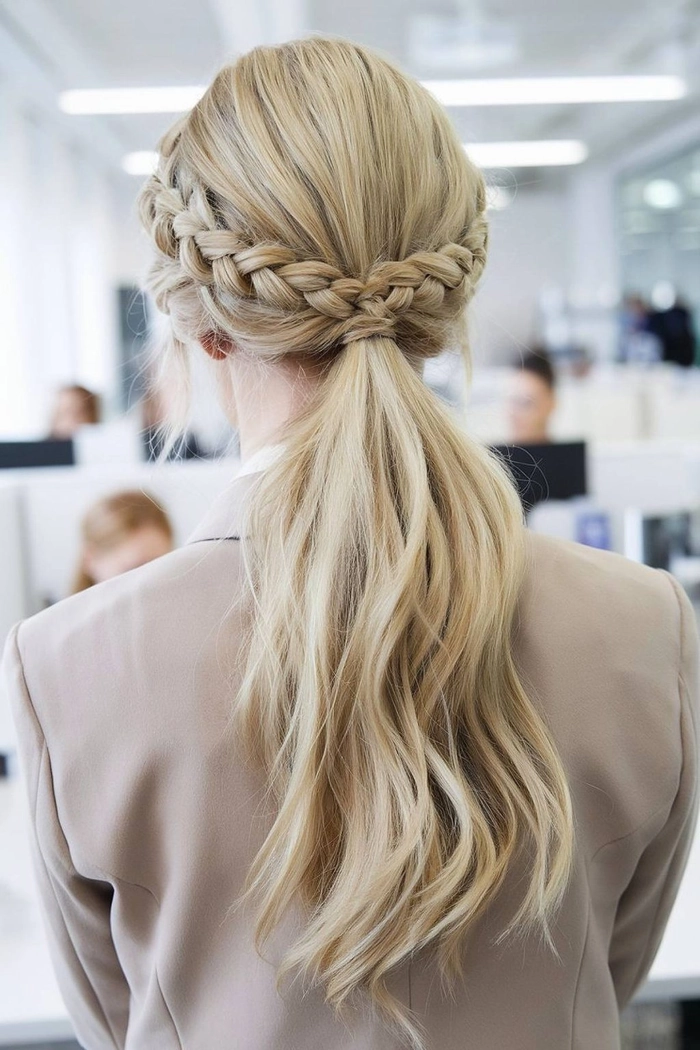 Professional Office Hairstyles for Long Hair
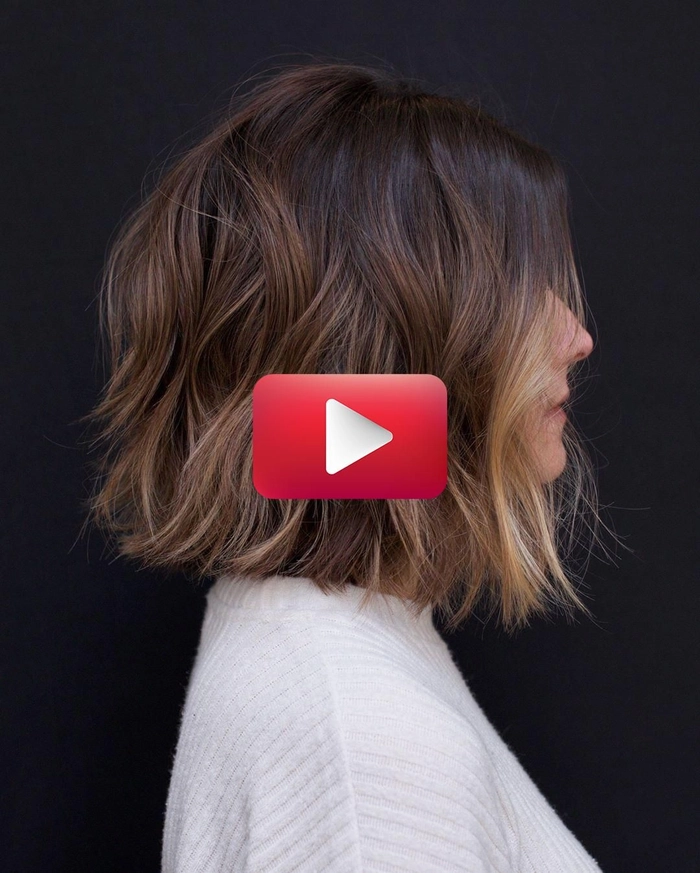 Business Casual Short Bob Hair Ideas
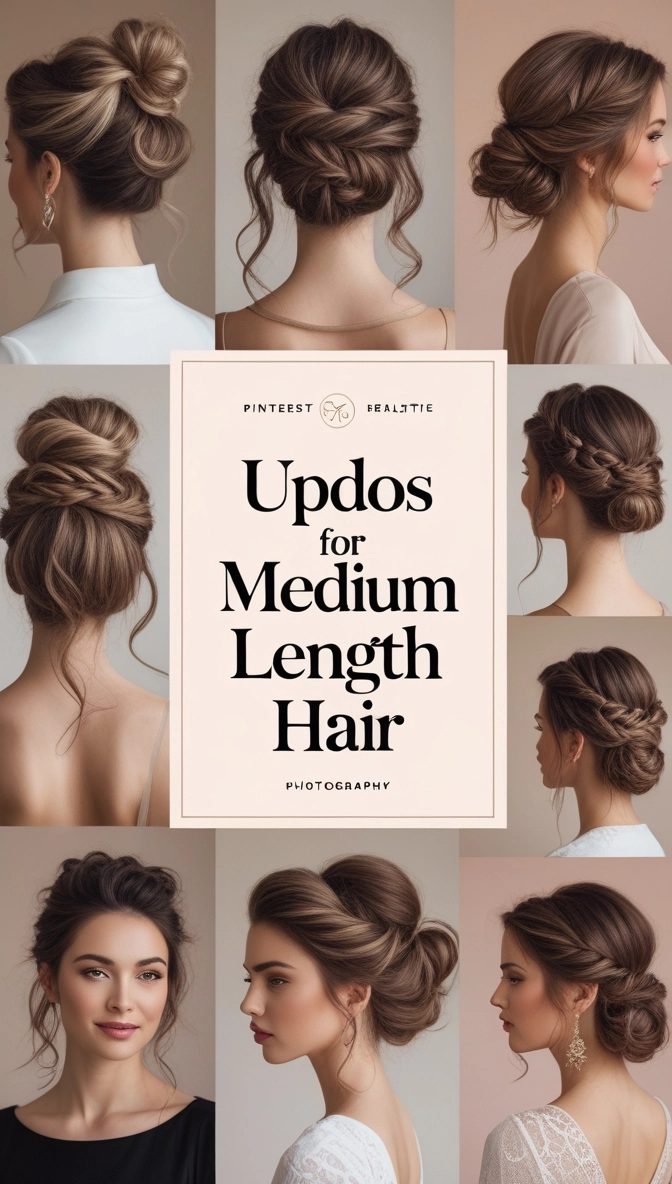 Boardroom Updos for Medium Hair
 Sleek Low Buns: Perfect for Job Interviews
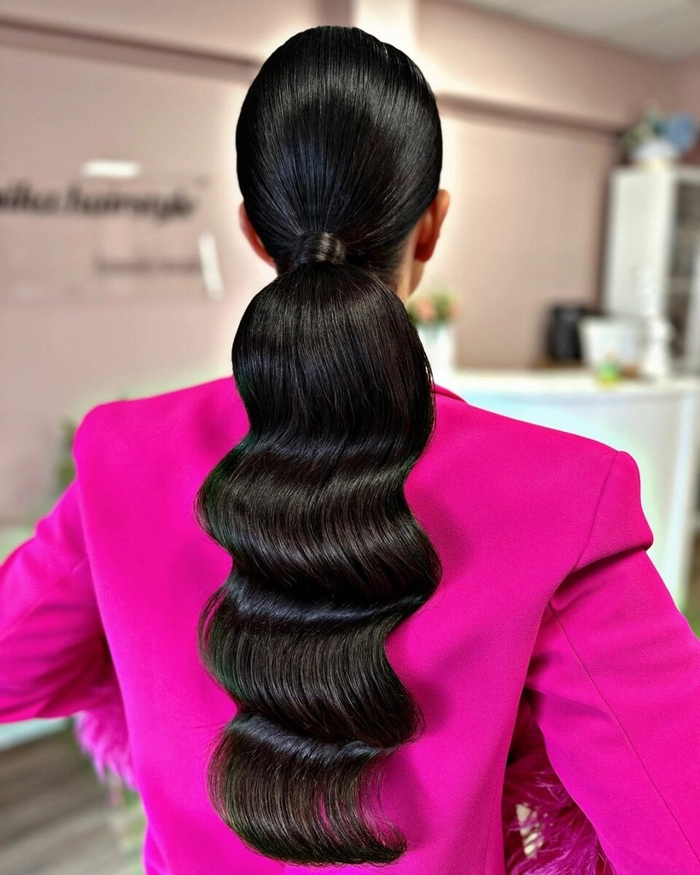 Polished Ponytail Styles for Client Meetings
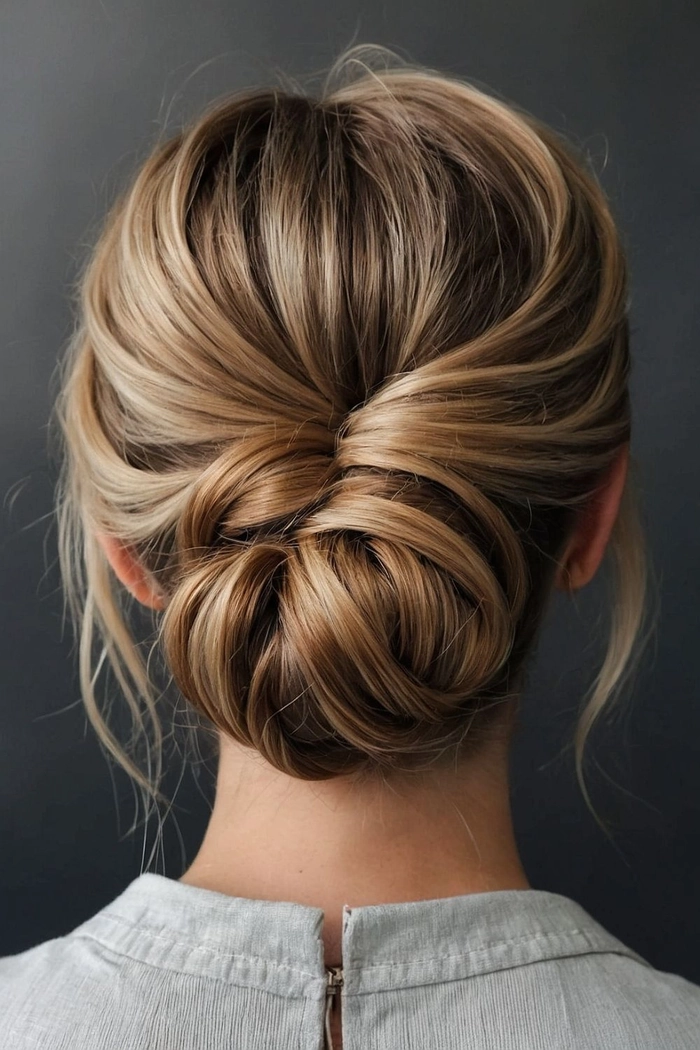 Quick Shoulder-Length Updos for the Office