As a corporate leader, how you present yourself sends a message before you even speak. Hair color plays a bigger role in that impression than most people realize. Whether you're transitioning to gray, shifting from dark to lighter tones, or softening harsh roots, an age appropriate hair color transition can project confidence, authority, and authenticity in the boardroom. The key is doing it gracefully so the change looks intentional rather than accidental. This guide walks you through practical strategies for navigating hair color transitions that align with your professional image, lifestyle, and hair type.
Why Hair Color Transitions Matter at the Executive Level
In leadership roles, visual credibility matters. A jarring root line, an overly brassy tone, or a color that fights your skin undertone can distract from your message. On the other hand, a well-planned
age appropriate hair color transition signals self-awareness and intentionality. It shows you care about details a quality people associate with strong leadership. Whether you're 45 or 65, the goal is the same: hair color that looks
effortlessly polished and complements your natural features.
Choosing the Right Color Direction for Your Skin and Features
Not every shade works for every person. Your
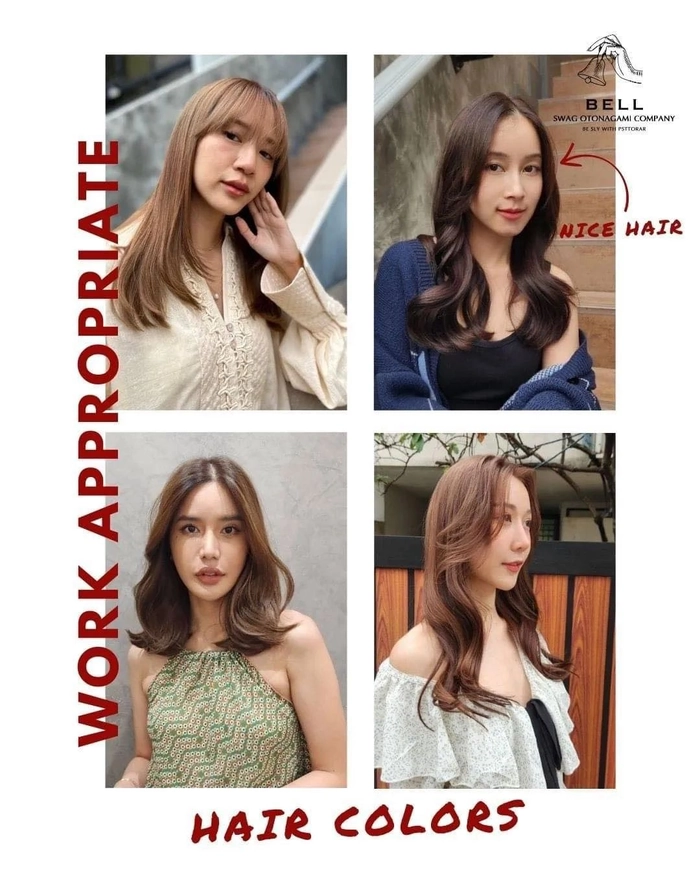
skin undertone, eye color, and natural hair texture should all influence your decision. Warm undertones pair beautifully with honey, caramel, or golden blonde shades, while cool undertones look best with ash tones, soft silver, or cool brunette hues.
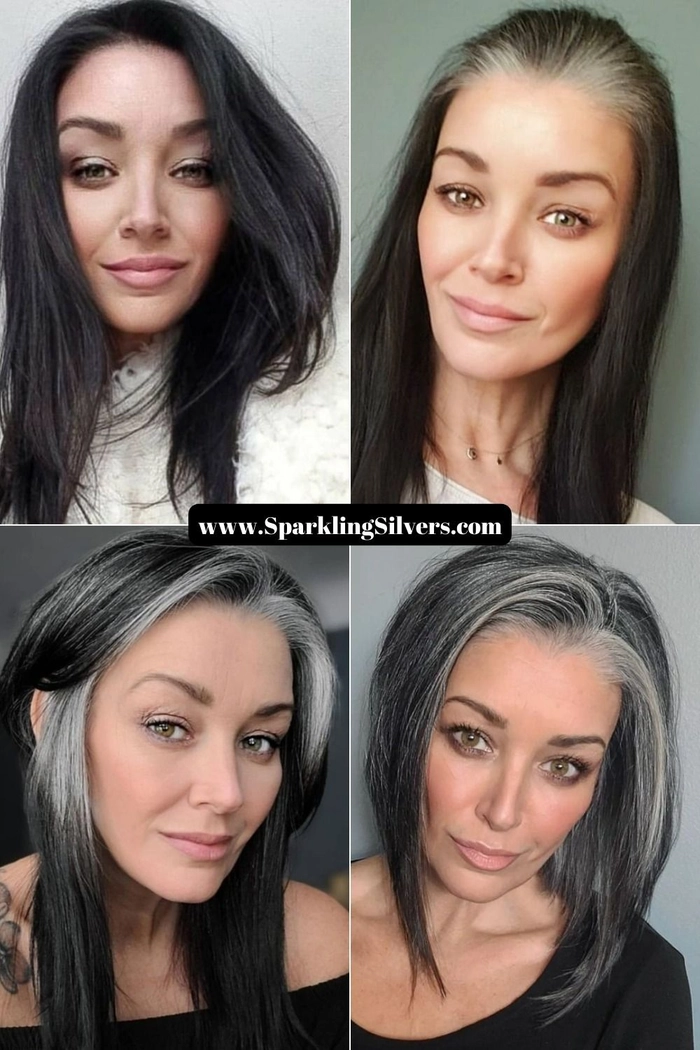
For corporate leaders embracing gray or silver, the transition can be stunning when done gradually. A skilled colorist can weave
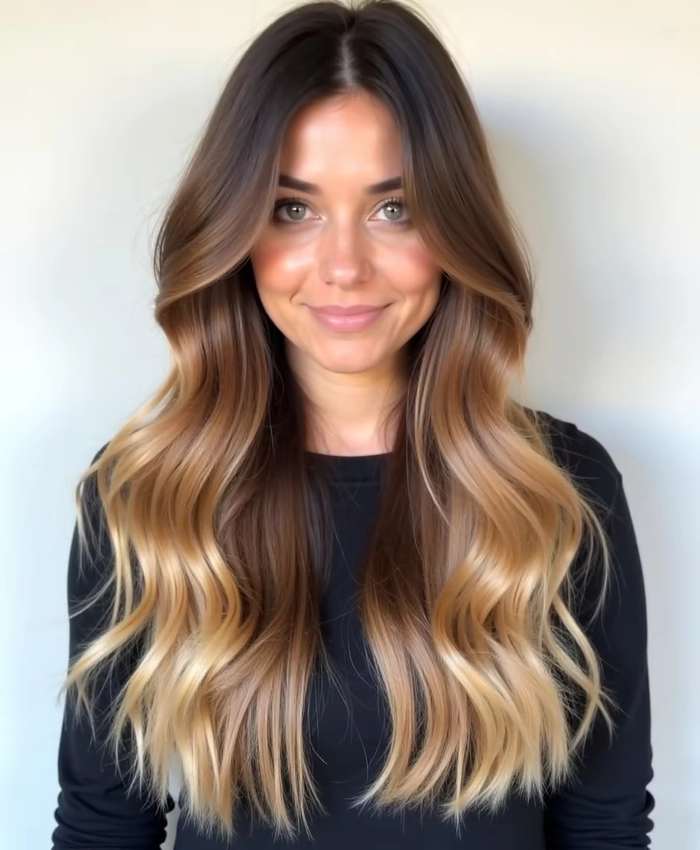
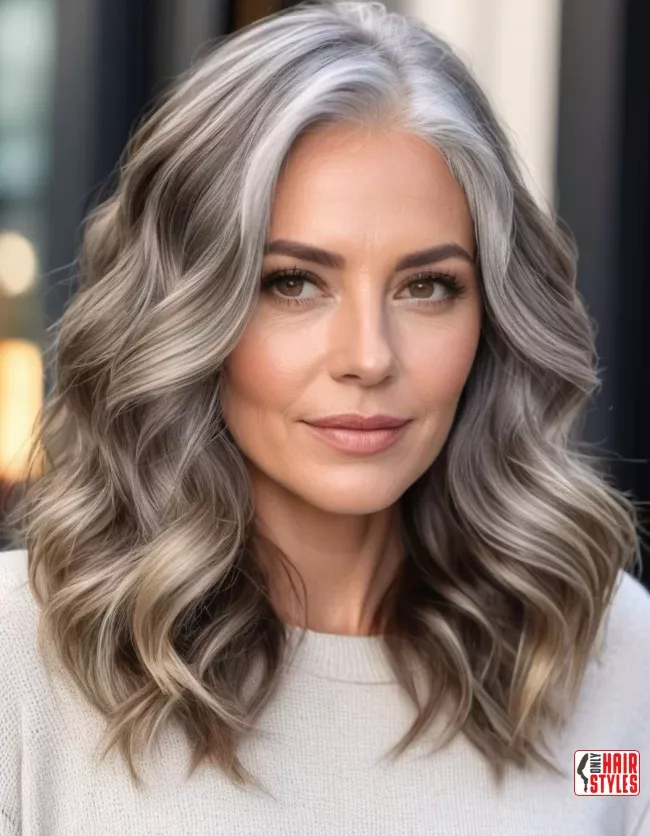
lowlights through graying hair to create dimension rather than a flat, washed-out appearance. For those lightening their color with age, going one to two shades softer than your original tone tends to look the most natural and professional.
A
salon consultation is essential here. Bring photos of
hair color ideas you like, but remain open to your stylist's assessment of your hair texture and face shape.
Matching Your Transition to Your Lifestyle and Routine
Corporate schedules are demanding, so your hair color strategy should work
with your life not against it. High-maintenance color that needs root touch-ups every three weeks isn't practical for most executives.
Consider these
low-maintenance approaches:
- Balayage or soft highlights that grow out naturally without harsh demarcation lines
- Gloss treatments that refresh tone between full color appointments
- Root-blending techniques like shadow roots that make regrowth look intentional
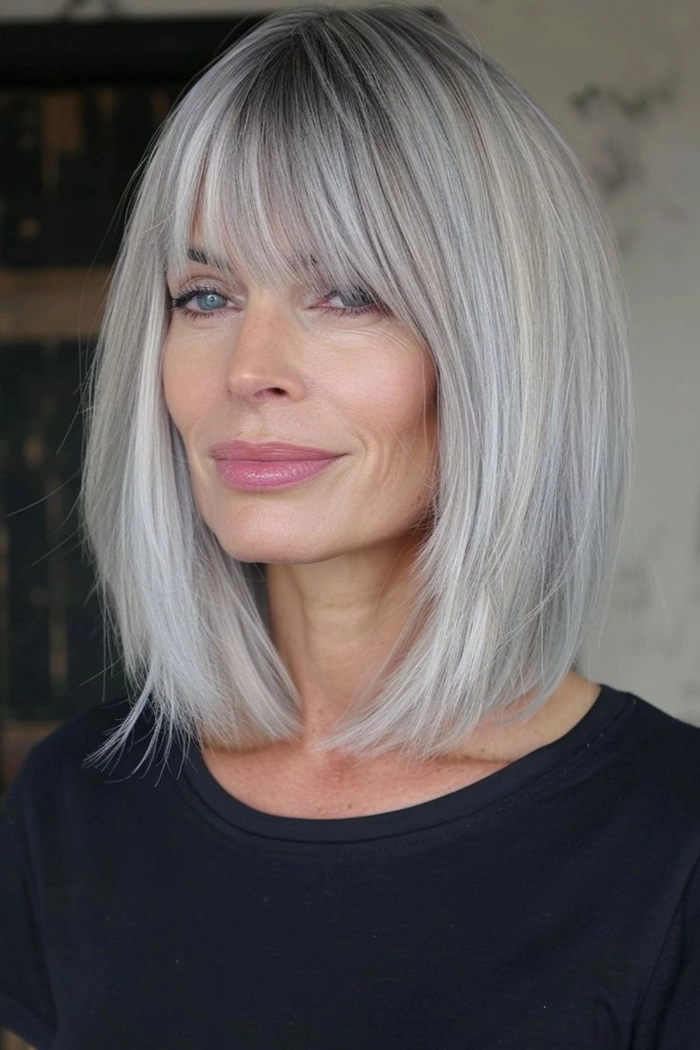
- Embracing your natural gray with a clear or silver-toned gloss for shine and vibrancy
These options reduce salon visits while keeping your look consistently boardroom-ready. They also work well across different
hair lengths from a cropped bob to
layered hair past the shoulders.
Styling Tips for a Polished, Professional Finish
Color alone won't carry the look. How you style your hair daily matters just as much. Invest in
quality styling products designed for color-treated hair they protect vibrancy and add the kind of healthy shine that reads as executive polish.
A few
everyday hairstyles that work well for corporate settings include a sleek low bun, a side-parted blowout, or a neatly textured lob. For
special occasion hair like investor meetings or conferences, adding subtle volume at the crown or a deep side part can elevate the entire look without appearing overdone.
If you wear
bangs, keep them trimmed and styled grown-out bangs paired with transitioning color can look unintentional.
Common Mistakes to Avoid During the Transition
Going too dramatic too fast is the most frequent misstep. A sudden jump from jet black to platinum blonde reads as impulsive rather than authoritative. Instead, plan a
gradual transition over two to three appointments.
Avoid matching your color to trends that clash with your
face shape or hair texture. For example, very flat, single-process platinum can wash out fair, angular faces, while overly dark shades can look severe on thinner, aging hair.
Skipping
hair care tips between appointments is another pitfall. Use color-safe shampoo, apply a weekly deep conditioner, and protect hair from heat damage to keep tones fresh and strands healthy.
The Bottom Line
An age appropriate hair color transition isn't about hiding your age it's about presenting the most confident, polished version of yourself. Work with a colorist who understands professional aesthetics, choose tones that complement your natural features, and build a
styling routine you can realistically maintain. The right color transition becomes part of your personal brand one that speaks to experience, self-assurance, and attention to detail long before you say a word.
Fresh Cuts for Every Face Shape
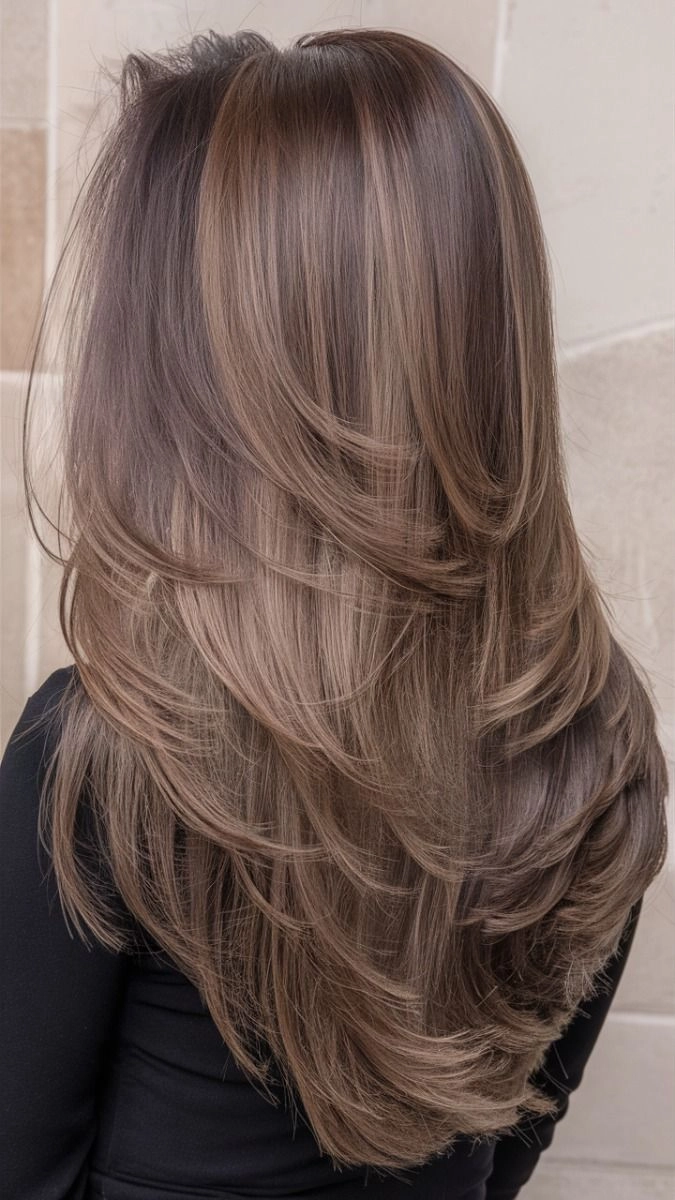
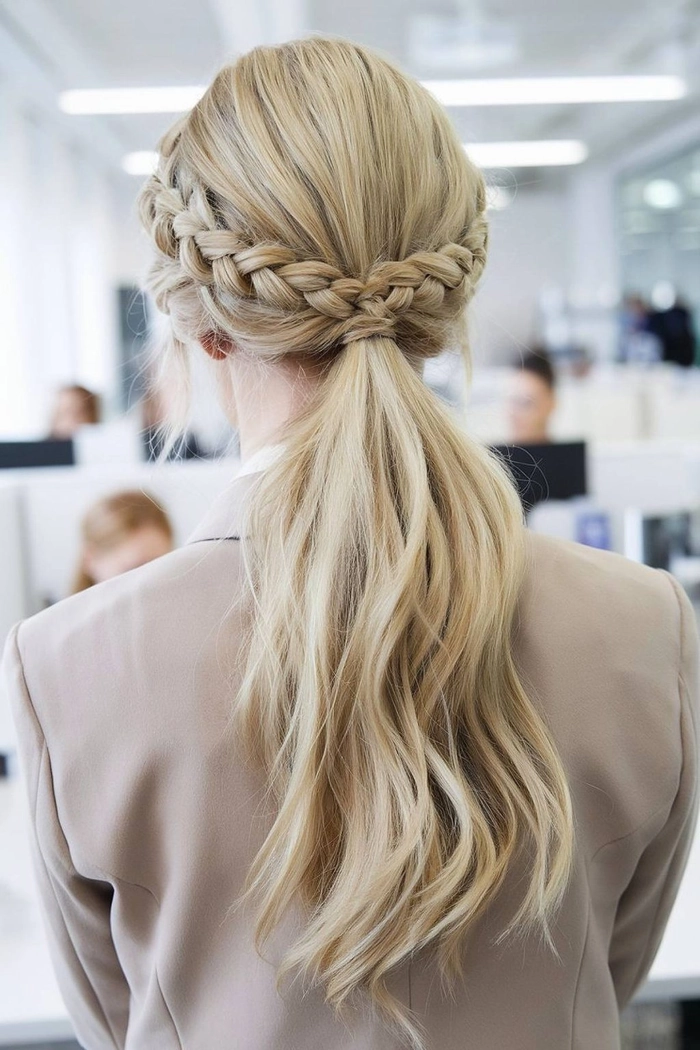 Professional Office Hairstyles for Long Hair
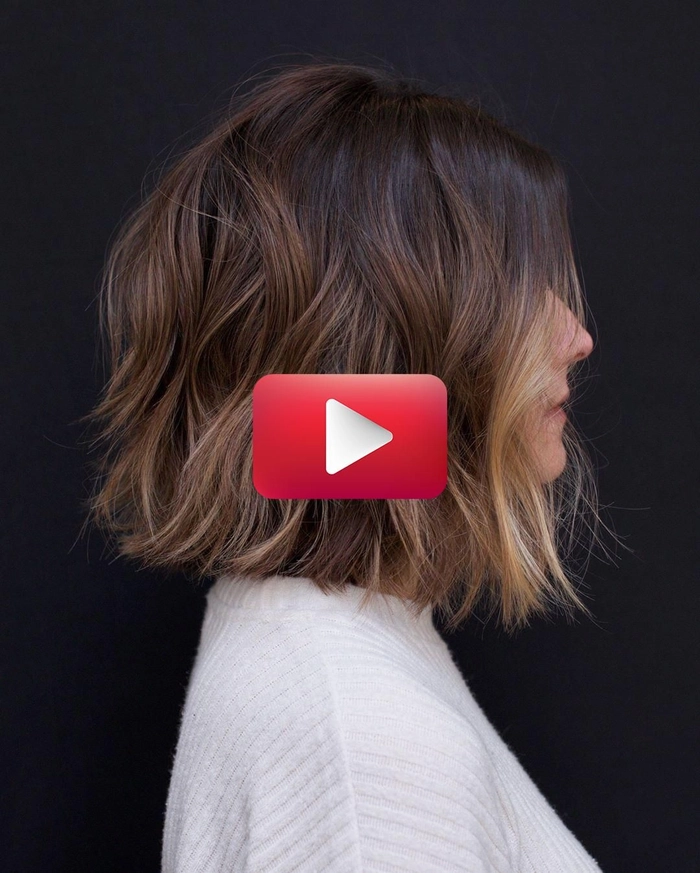 Business Casual Short Bob Hair Ideas
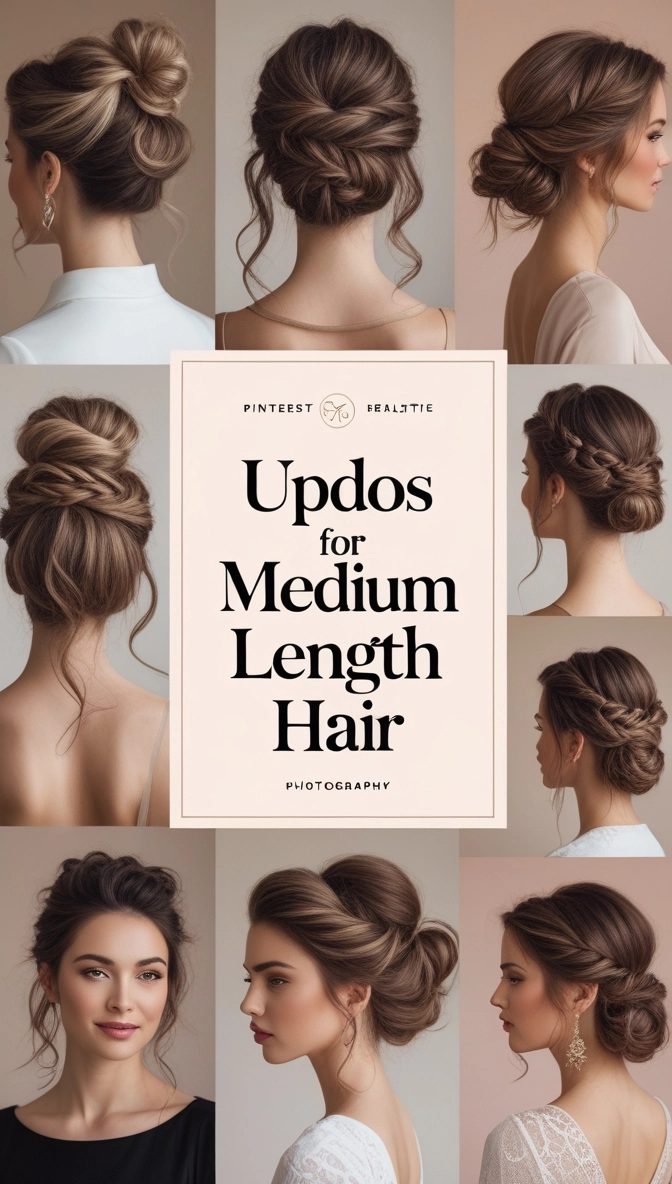 Boardroom Updos for Medium Hair
 Sleek Low Buns: Perfect for Job Interviews
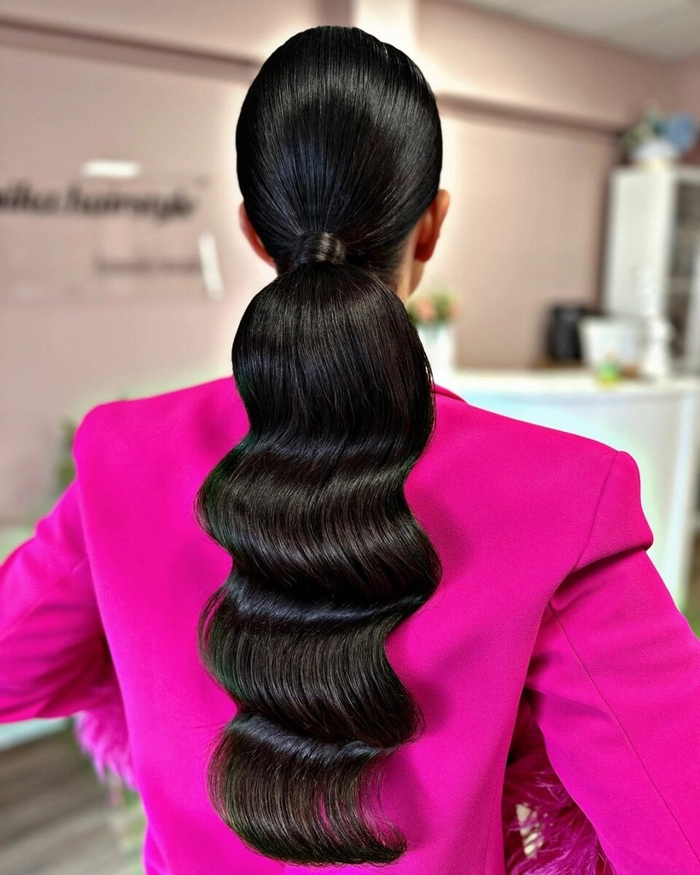 Polished Ponytail Styles for Client Meetings
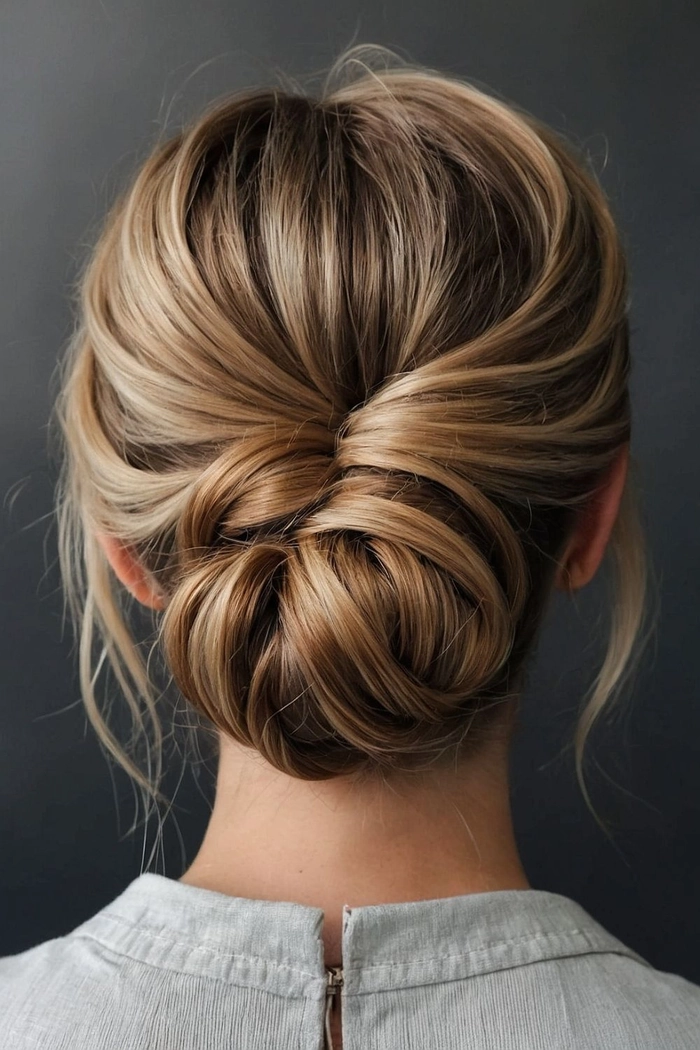 Quick Shoulder-Length Updos for the Office