There's something effortlessly beautiful about wavy hair at the beach the way salt air and humidity create texture that looks like you spent an hour styling it, even when you barely lifted a finger. But if you've ever stepped off the sand only to find your waves turned frizzy, flat, or undefined, you know that beach-ready wavy hair doesn't always happen on its own. A solid wavy hair beach enhancement routine helps you work with your natural texture instead of fighting it, giving you that relaxed, lived-in look whether you're seaside or just channeling the vibe in your everyday hairstyles.
Why Wavy Hair and Beach Styles Are a Perfect Match
Wavy hair typically classified as type 2A to 2C has a natural bend that responds beautifully to humidity and ocean air. Unlike straight hair, which can fall limp, or tight curls, which may shrink unpredictably, wavy hair texture gains dimension and movement in beach conditions. That's why so many hairstyle inspiration boards feature undone waves paired with sun-kissed hair color ideas like balayage, honey highlights, or subtle caramel tones that catch the light.
The key is learning how to enhance what your hair already wants to do, rather than over-styling it. This makes wavy hair one of the most low-maintenance hairstyles you can embrace once you know the right routine.
Building Your Beach Enhancement Routine
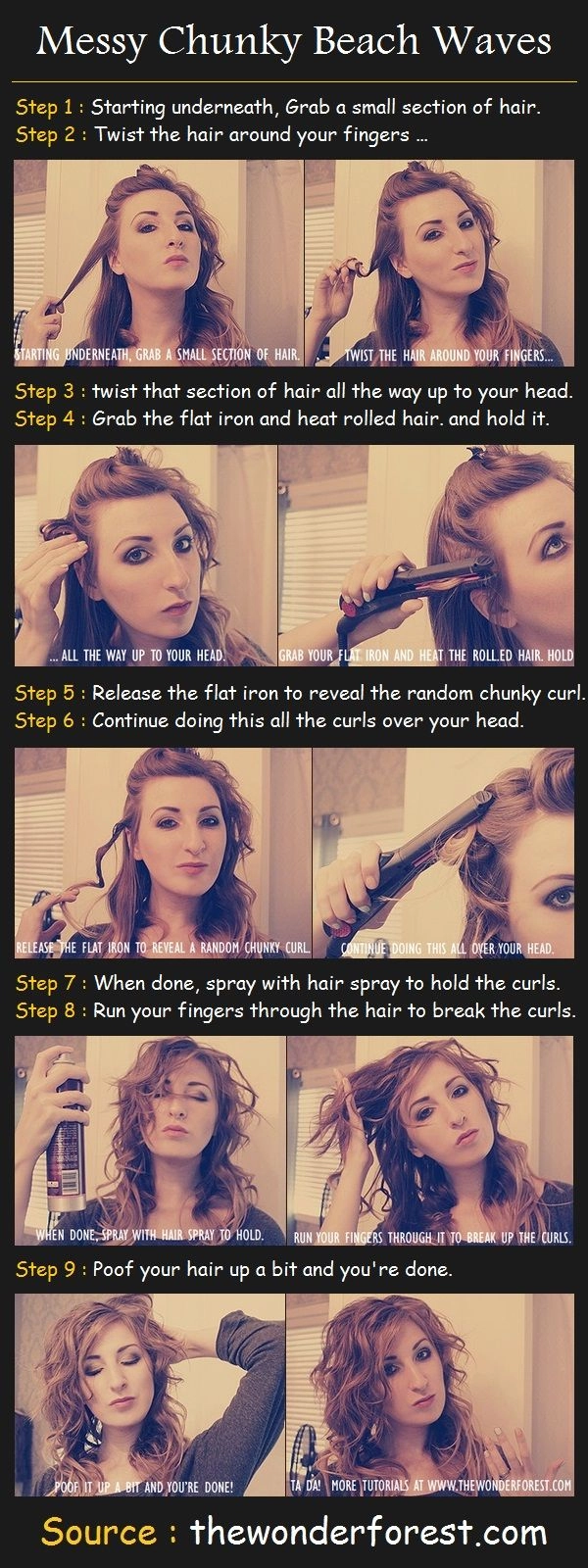
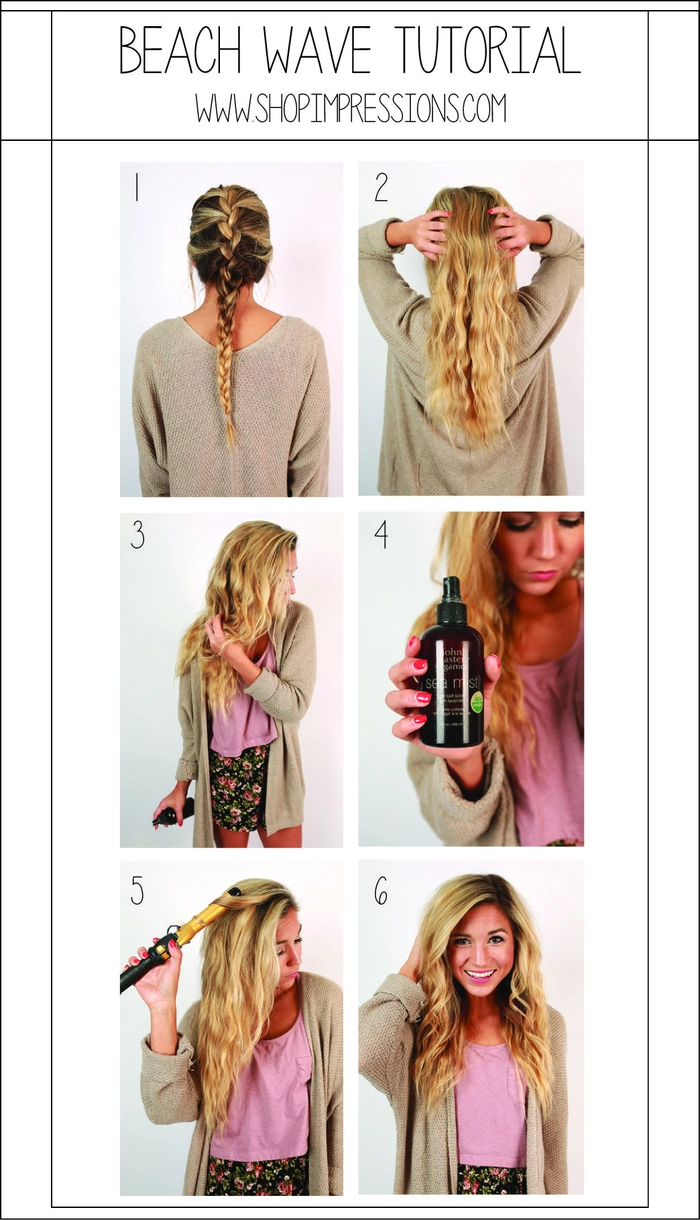
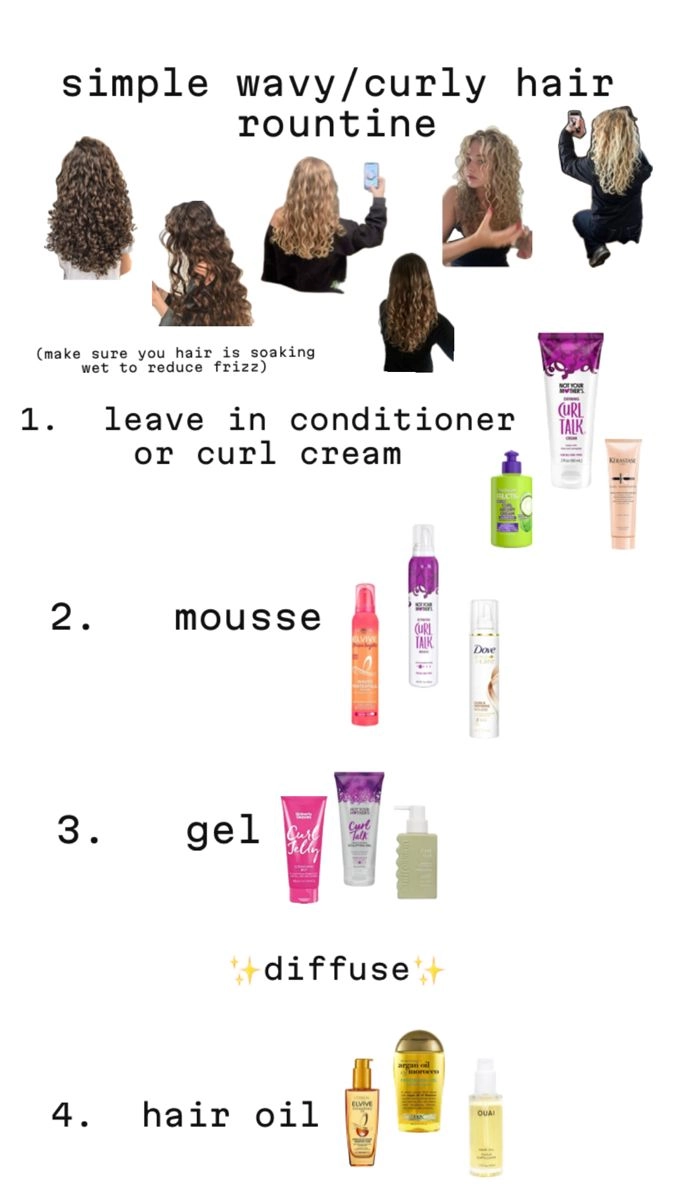
A good routine starts before you even leave the house. Here's what works for most wavy hair types, regardless of hair length or face shape:
- Start with a salt spray or wave-enhancing mist on damp hair. Look for products with sea salt, coconut oil, or kelp extract they add texture without drying your strands out completely.
- Scrunch, don't brush. Use your hands to gently scrunch sections upward, encouraging your natural wave pattern. Brushing wavy hair when it's dry is one of the quickest paths to frizz.
- Air-dry whenever possible. The beach is the ideal setting for this. If you're styling at home, let your hair dry naturally or use a diffuser on low heat to avoid disrupting the wave formation.
- Apply a lightweight leave-in conditioner to protect against sun and saltwater damage. This is especially important for layered hair or hair that's been color-treated.
- Finish with a flexible-hold hairspray or a small amount of texturizing cream to define individual waves without stiffness.
Matching Beach Waves to Your Face Shape
Not every wave style works the same way on every face. If you have a round face shape, consider keeping waves longer with more volume at the crown this elongates your silhouette. For oval faces, almost any variation works, from chin-length waves to waist-skimming texture. Those with square or angular features benefit from soft, face-framing waves, especially if paired with bangs like curtain bangs that soften the forehead and jawline.
During a salon consultation, ask your stylist about layered cuts that encourage natural wave formation. The right haircut can do more for your beach routine than any product. Layers reduce bulk, add shape, and help waves fall more evenly making your styling routine faster and more forgiving on busy mornings.
Keeping Your Waves Fresh All Day
The biggest challenge with beach-enhanced wavy hair isn't creating the look it's maintaining it. Sun exposure, wind, and repeated contact with water can flatten or frizz even the best-defined waves. A few habits make a real difference:
Keep a small travel-sized texturizing spray in your bag for midday touch-ups. Pineapple your hair loosely at night with a silk scrunchie to preserve waves while you sleep. And don't overwash second- and third-day waves often look better than freshly washed ones because natural oils add definition and reduce flyaways.
For special occasion hair, beach waves can be dressed up with accessories like shell clips, braided headbands, or a deep side part. These small additions take a casual beach look and elevate it for dinner, events, or photos without requiring heat tools or salon-level skills.
Common Mistakes to Avoid
The most frequent error is using too much product. Heavy creams, thick serums, and silicone-heavy formulas weigh wavy hair down and create a greasy, flat appearance. Start with a pea-sized amount and build up only if needed. Another mistake is skipping hair care tips focused on moisture saltwater is dehydrating, so deep conditioning once a week keeps waves healthy, bouncy, and resilient.
Finally, avoid comparing your texture to someone else's. Your wave pattern is unique, shaped by genetics, porosity, and density. The best wavy hair beach enhancement routine is the one built around your hair not a trend that doesn't suit your texture or lifestyle.
Find the Routine That Works for You
Wavy beach hair should feel effortless, not complicated. Start with the basics the right products, a wave-friendly haircut, and gentle daily habits and adjust based on what your hair actually does in real conditions. Whether you're heading to the coast or just want that sun-kissed texture in your everyday hairstyles, the best results come from working with your natural waves, not against them. Choose a style and routine that fits your personality, your schedule, and your hair type and let the beach do the rest.
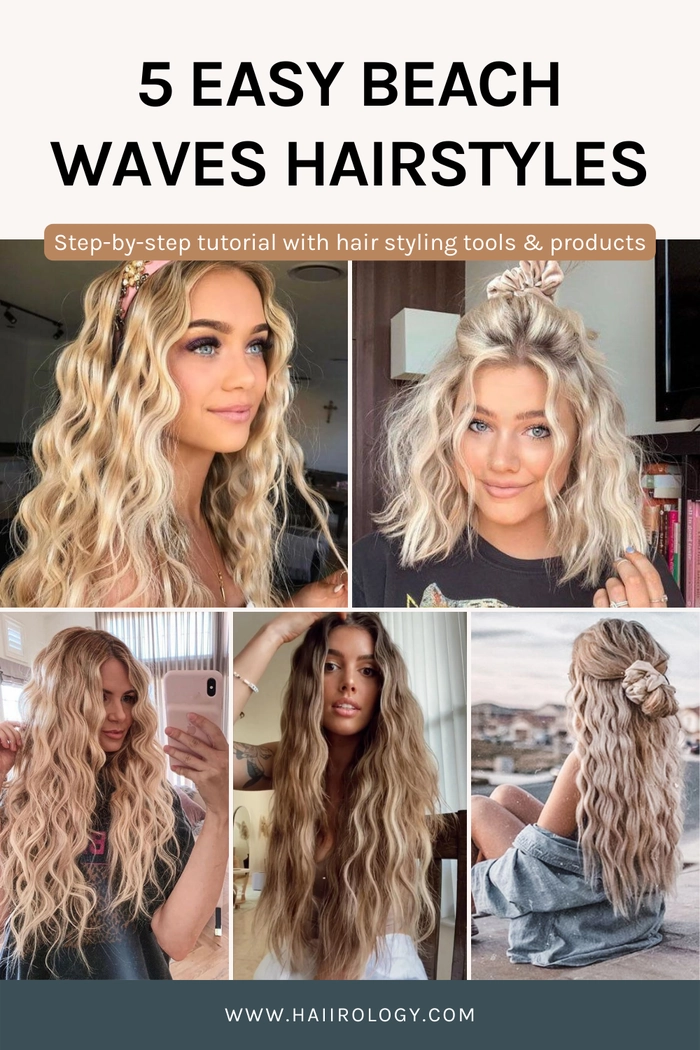
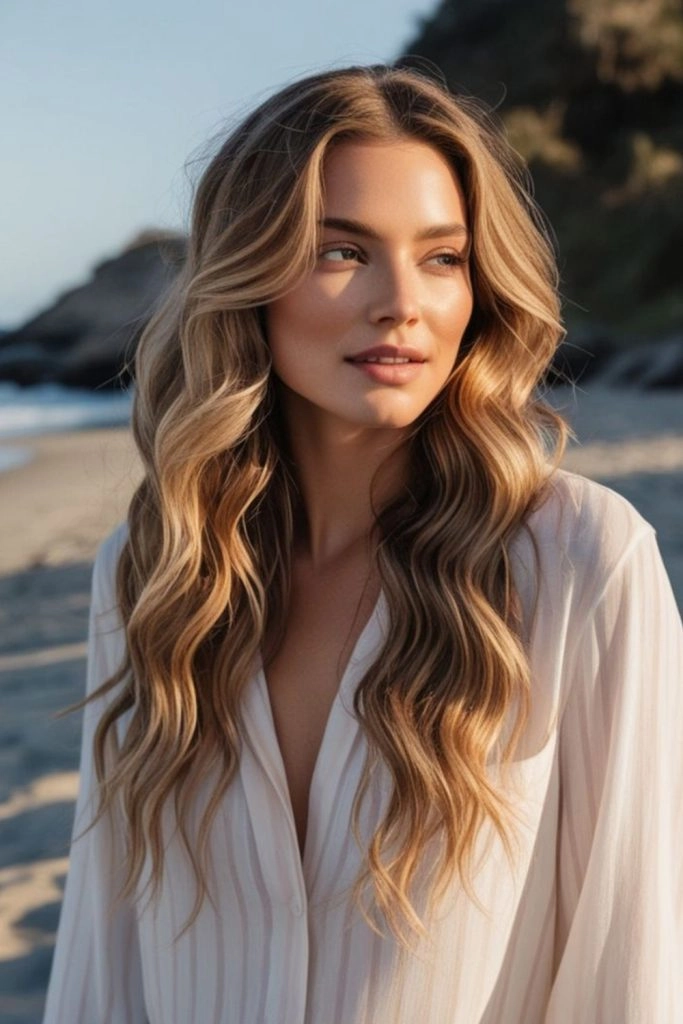
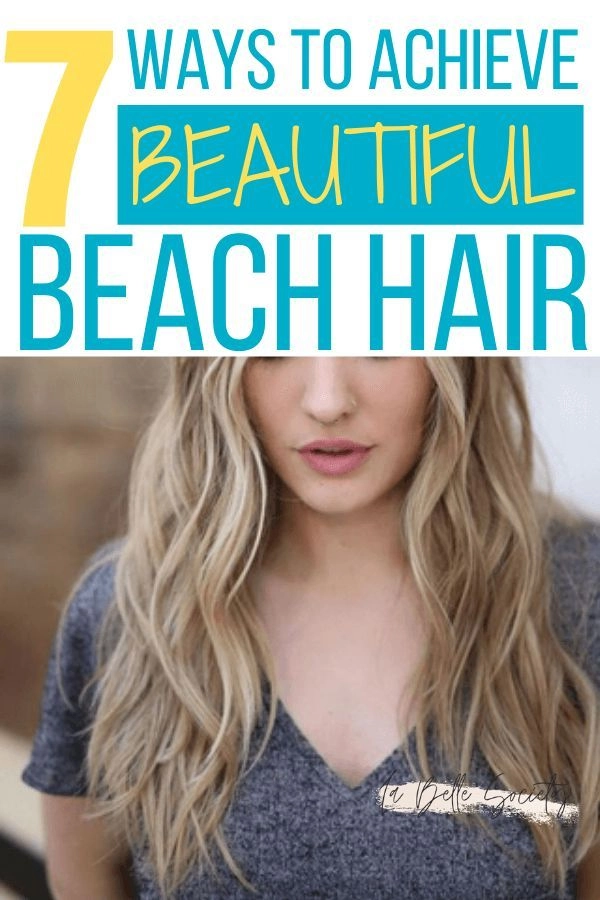
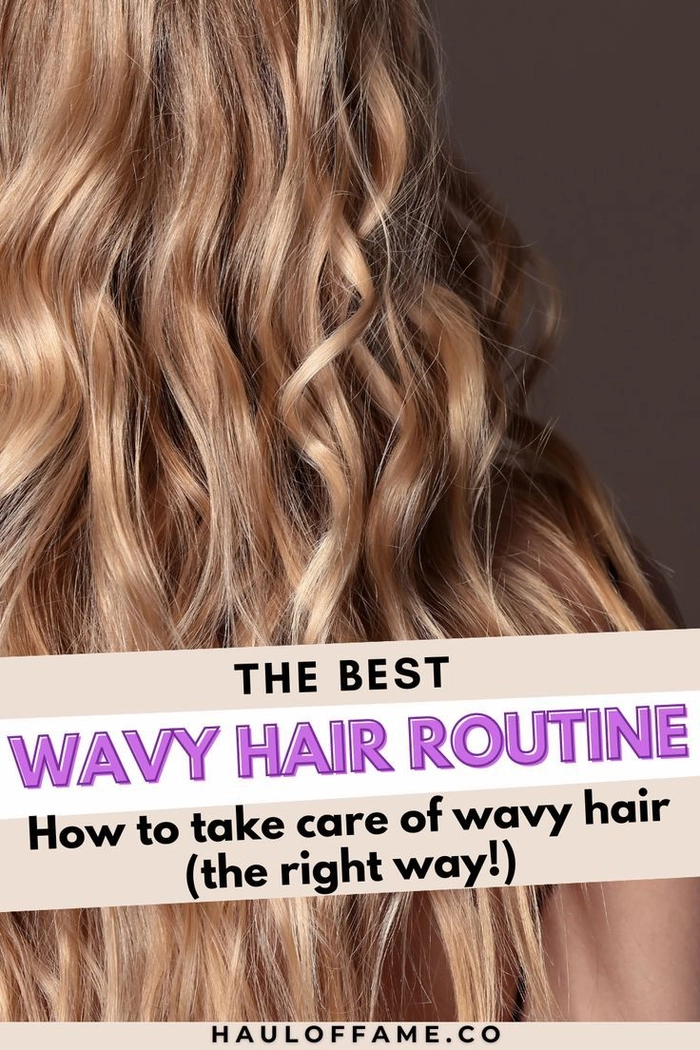
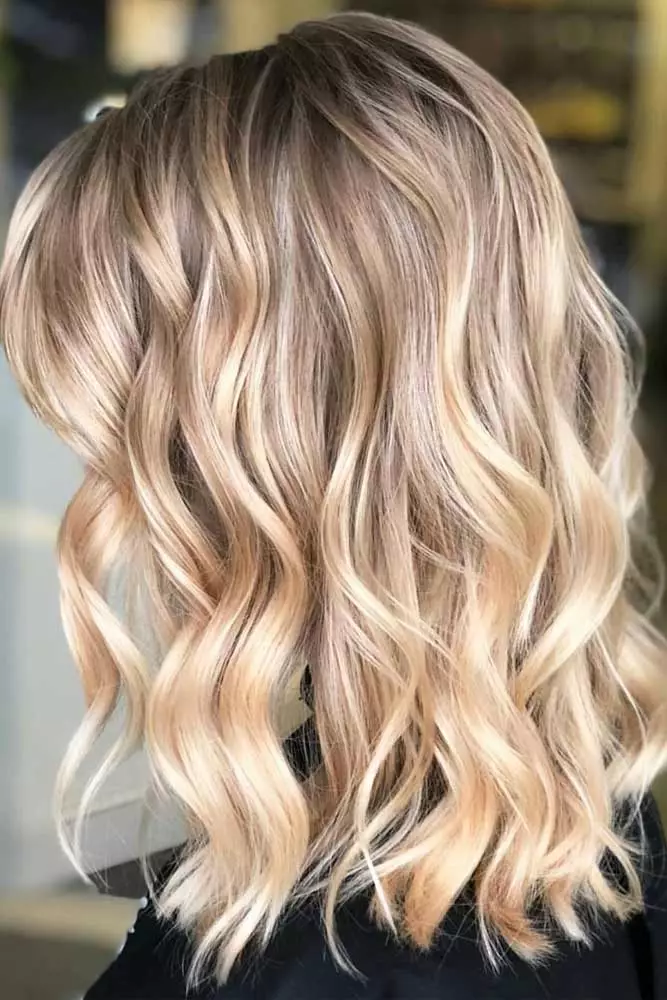 Beachy Waves for Medium Length Hair
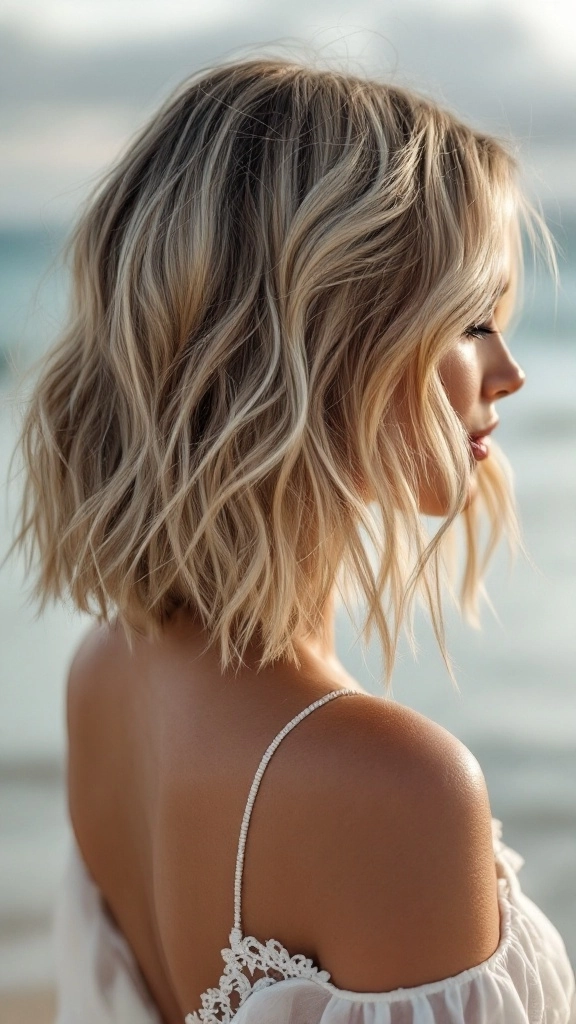 Stylish Bob Cut Beach Looks
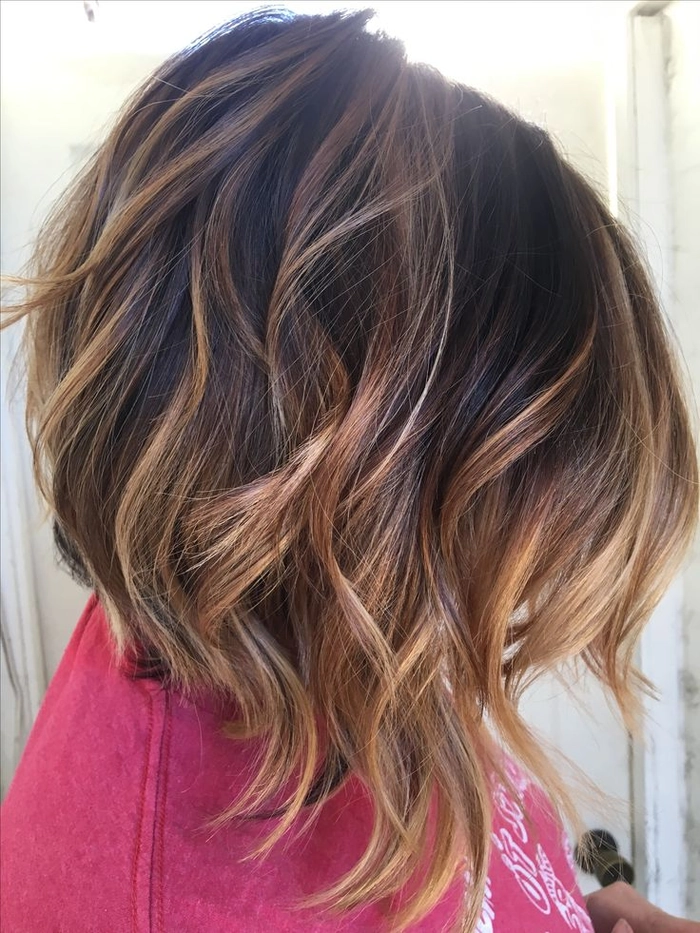 Beautiful Lob Beach Wave Styles
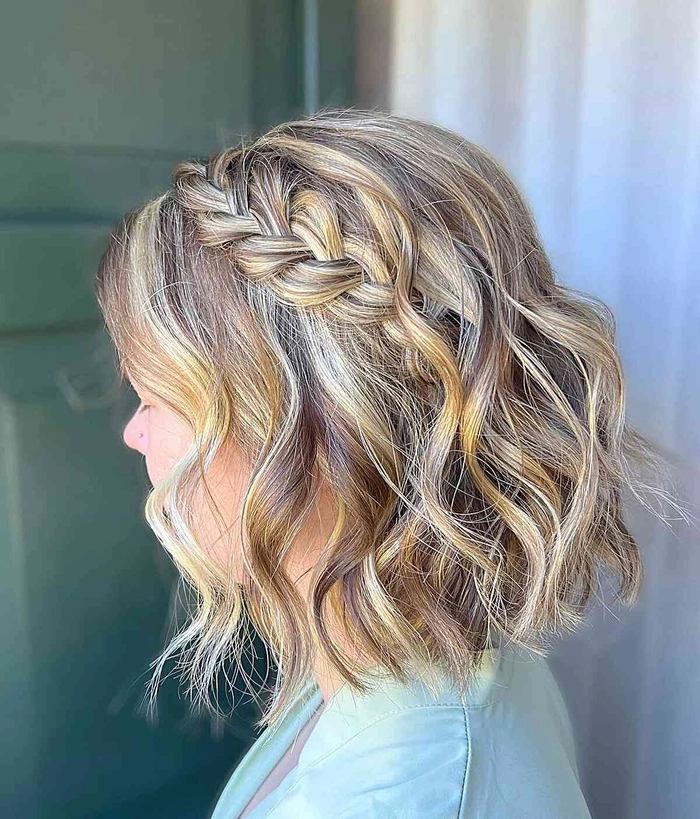 Short Hair Ideas for a Beach Wedding
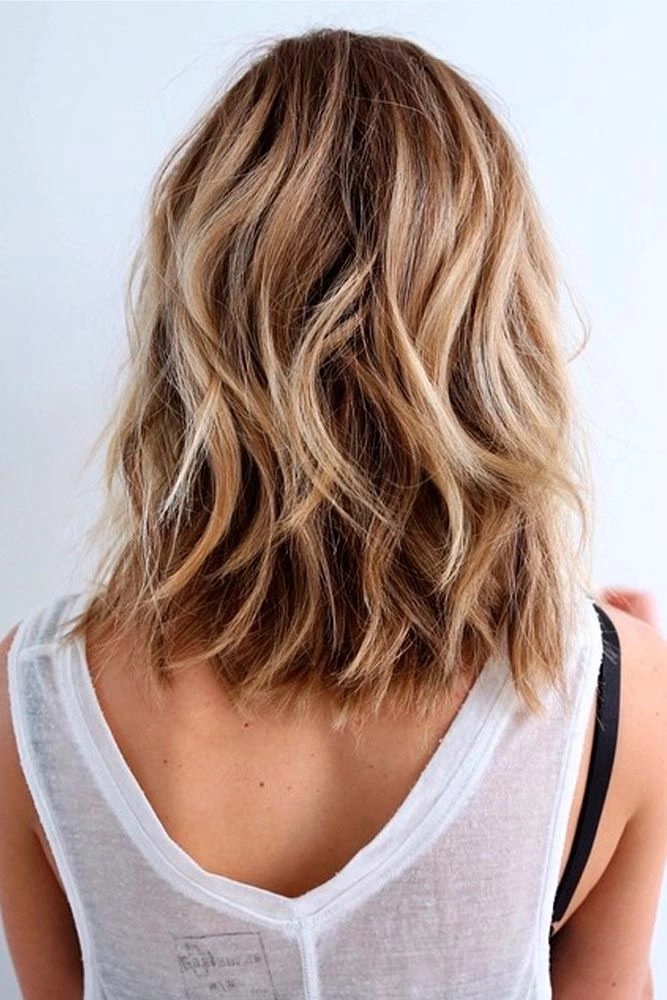 Stylish Shoulder-Length Beach Hair Ideas