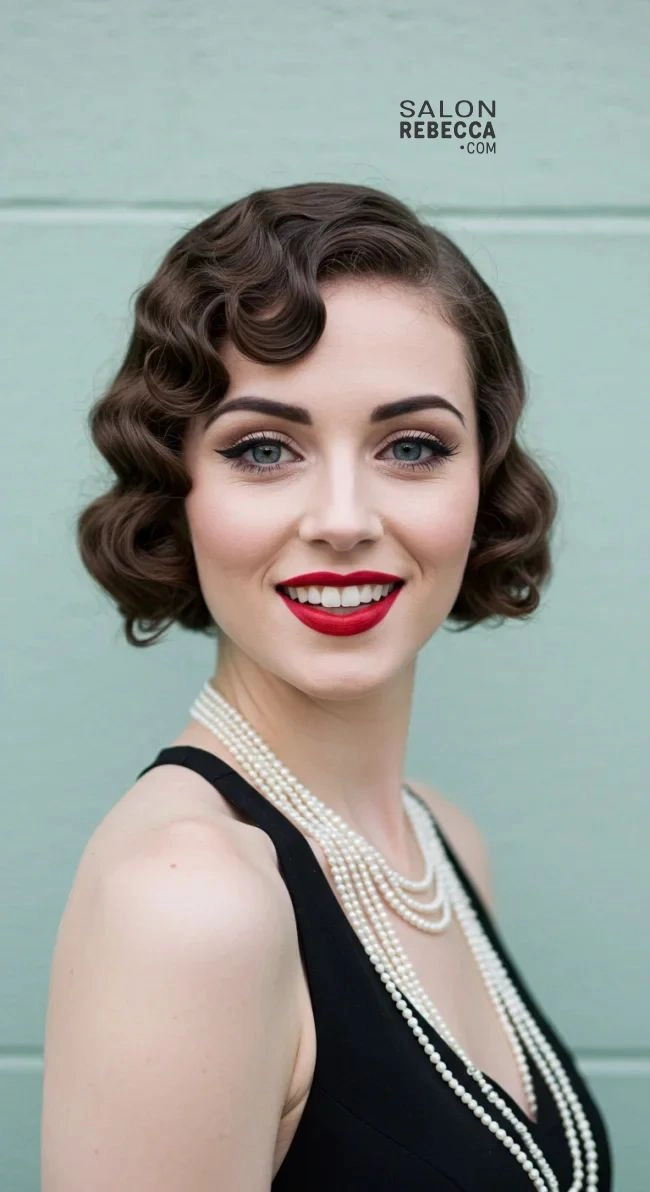
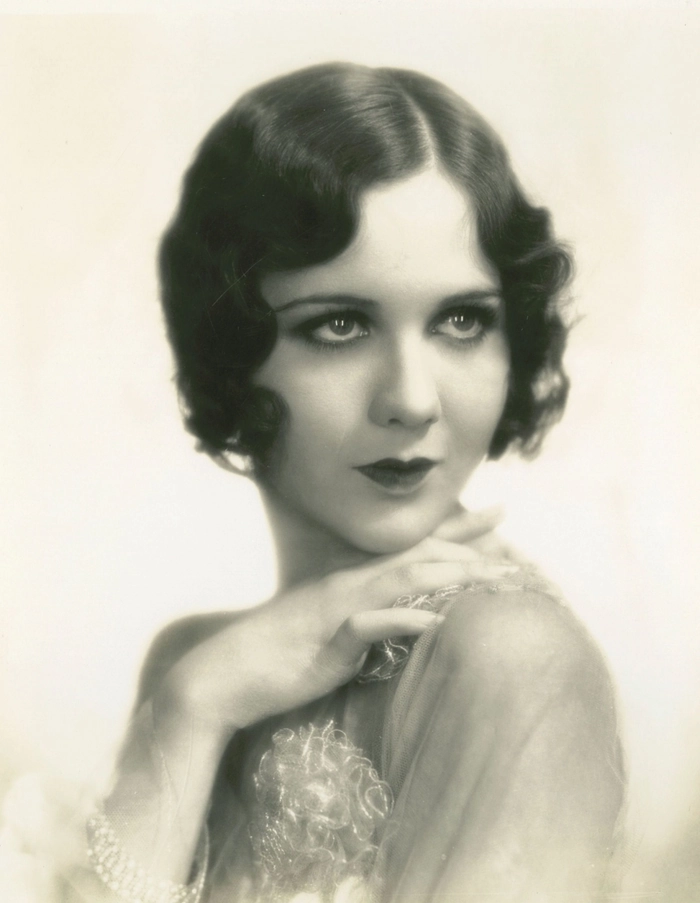
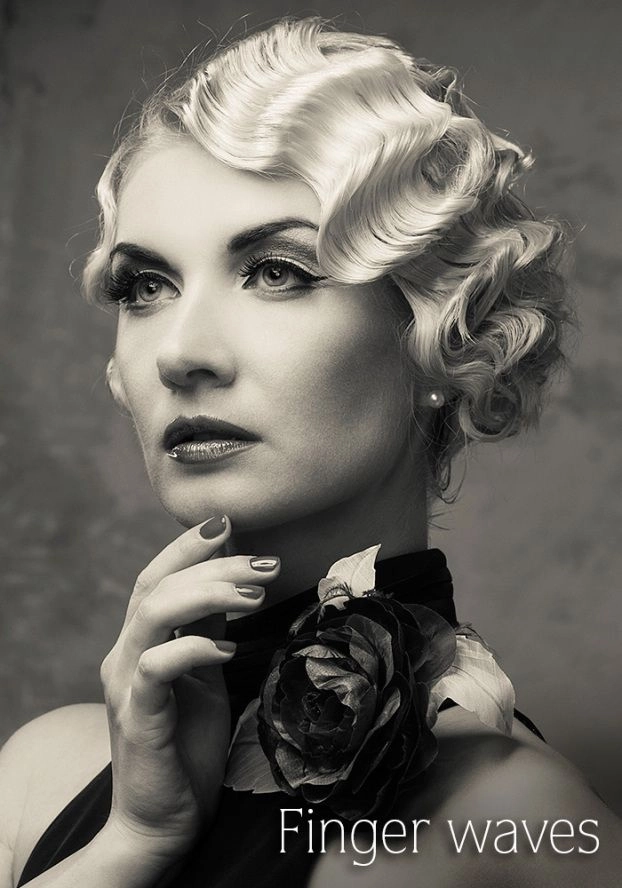
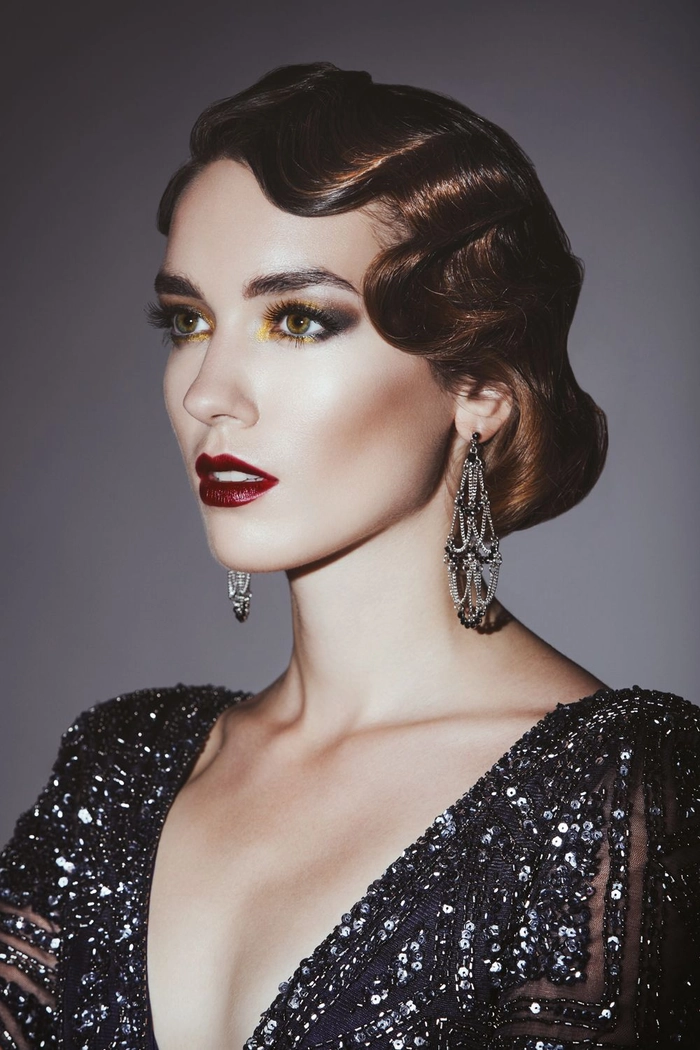
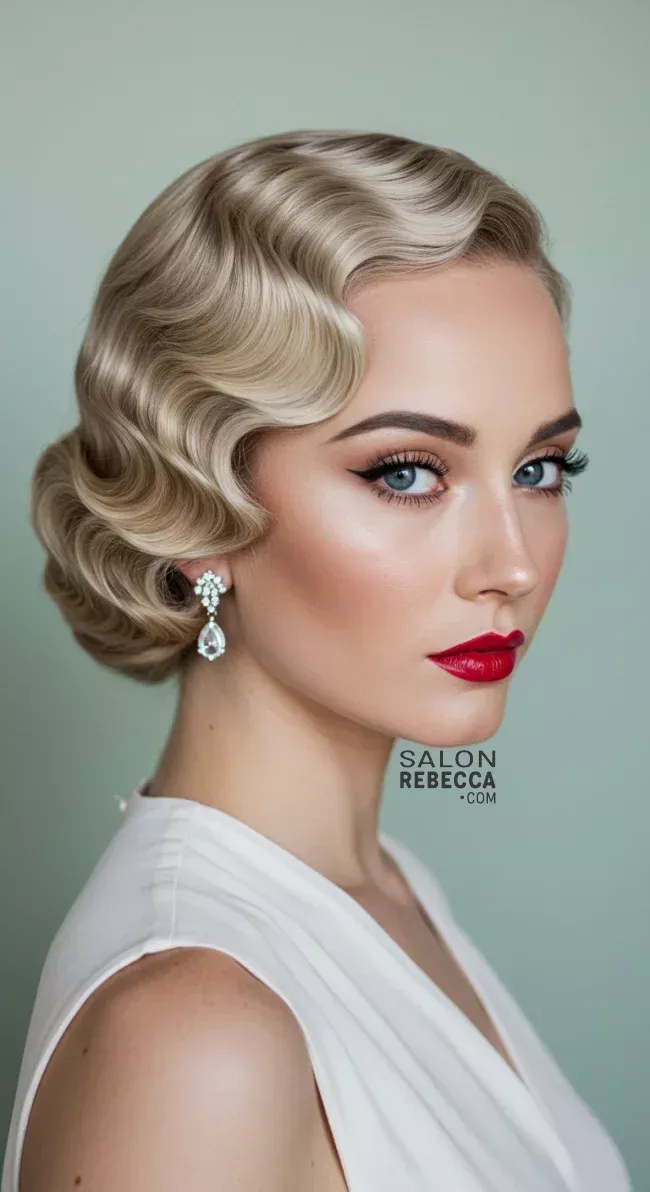
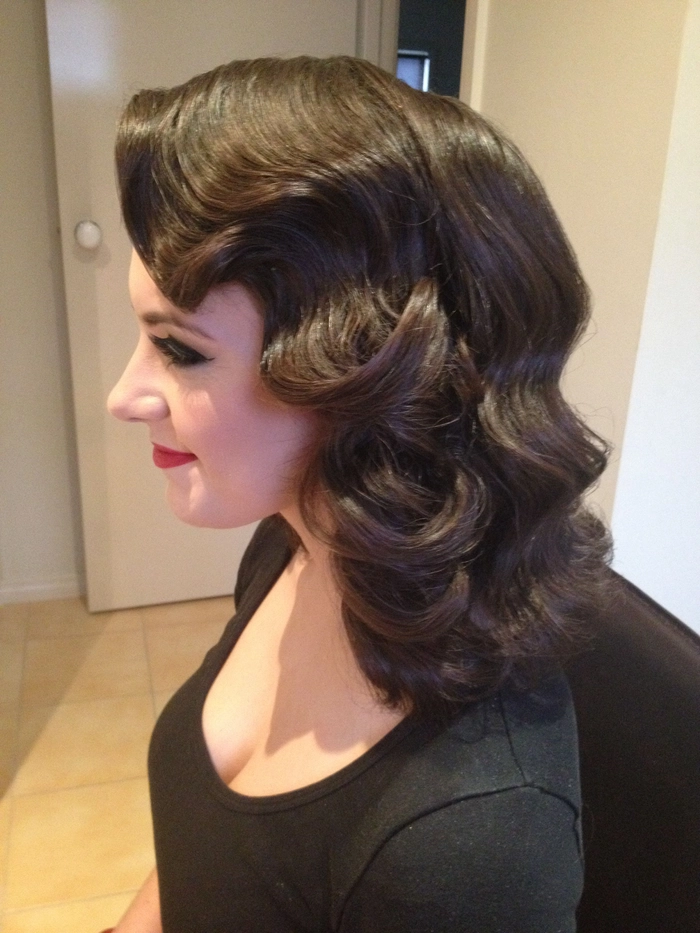
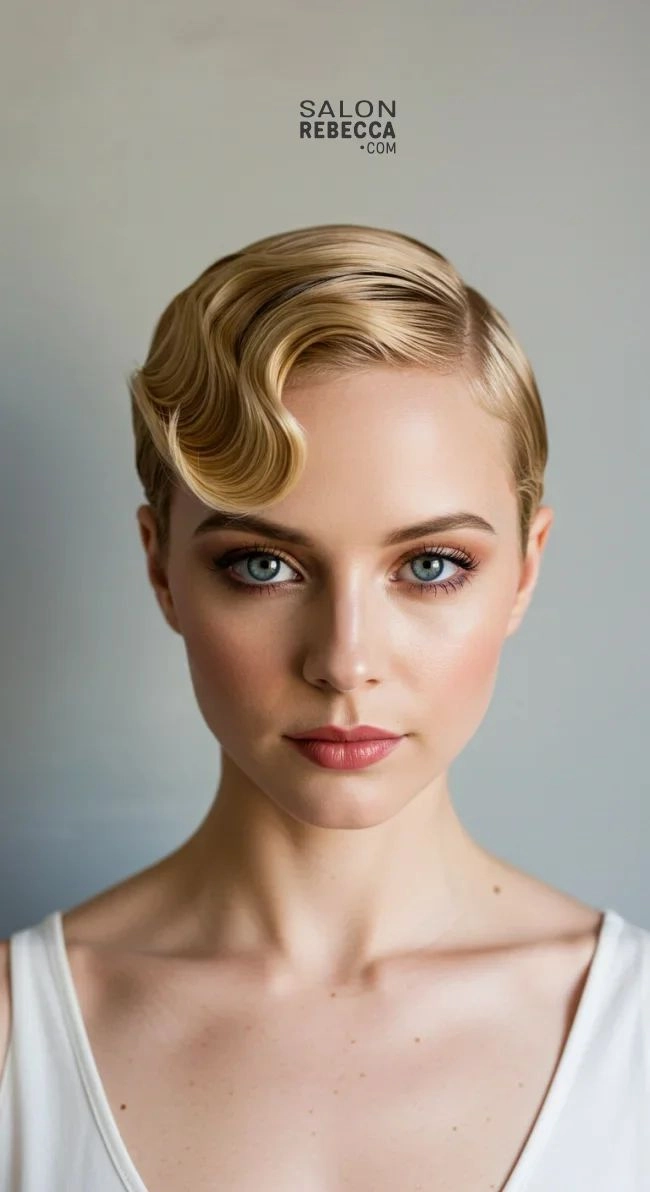
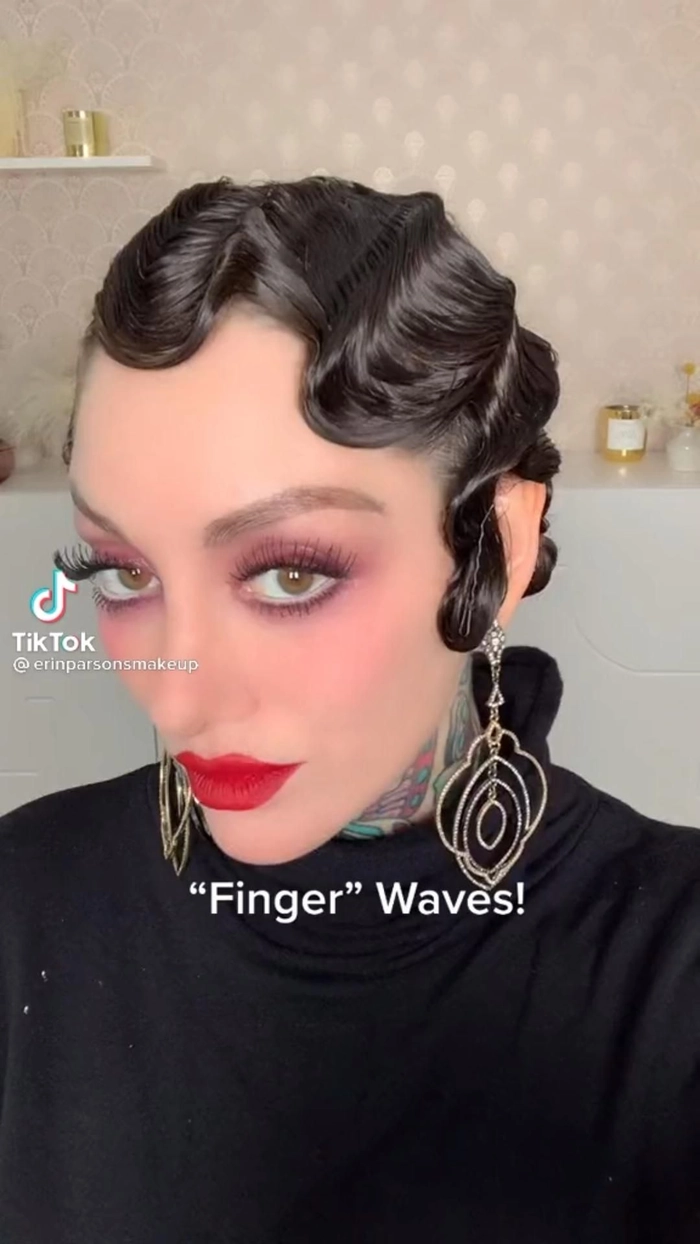
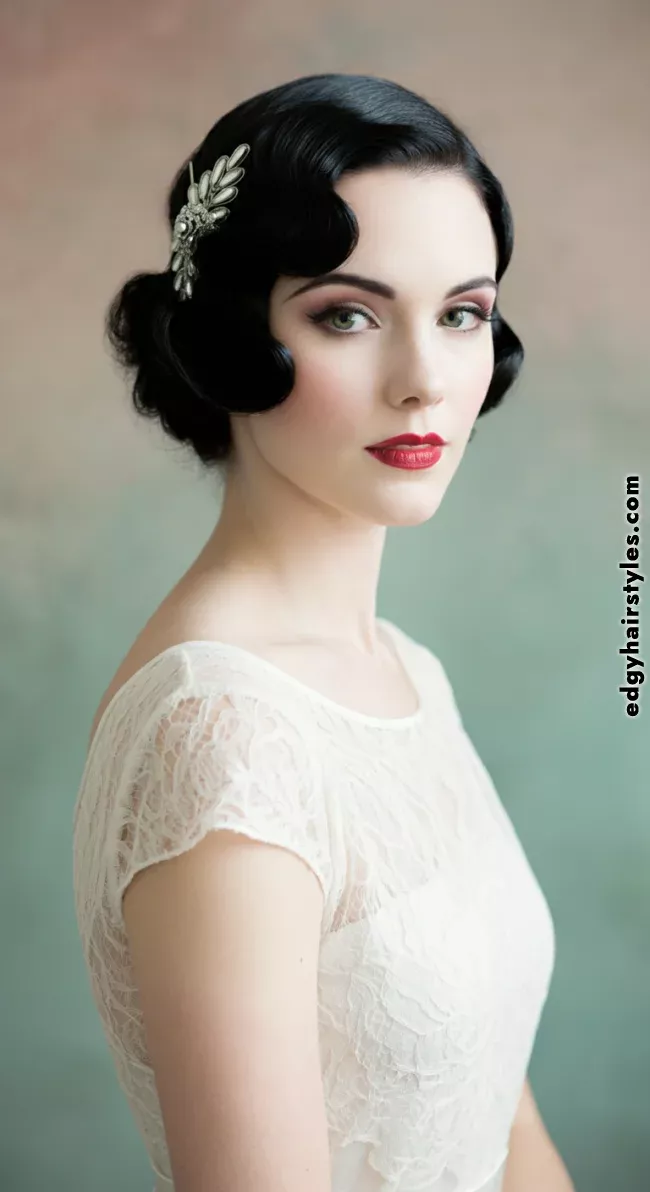
There's something undeniably magnetic about vintage 1920s finger waves wedding hair. The sculpted, S-shaped waves evoke Old Hollywood glamour while still feeling romantic enough for a modern bride. Whether you're drawn to the bold geometry of the era or simply want a wedding hairstyle that photographs beautifully from every angle, finger waves offer a timeless elegance that few other looks can match. The good news is that this style works across different hair lengths, textures, and face shapes you just need the right approach to make it your own.
Why Finger Waves Work So Well for Weddings
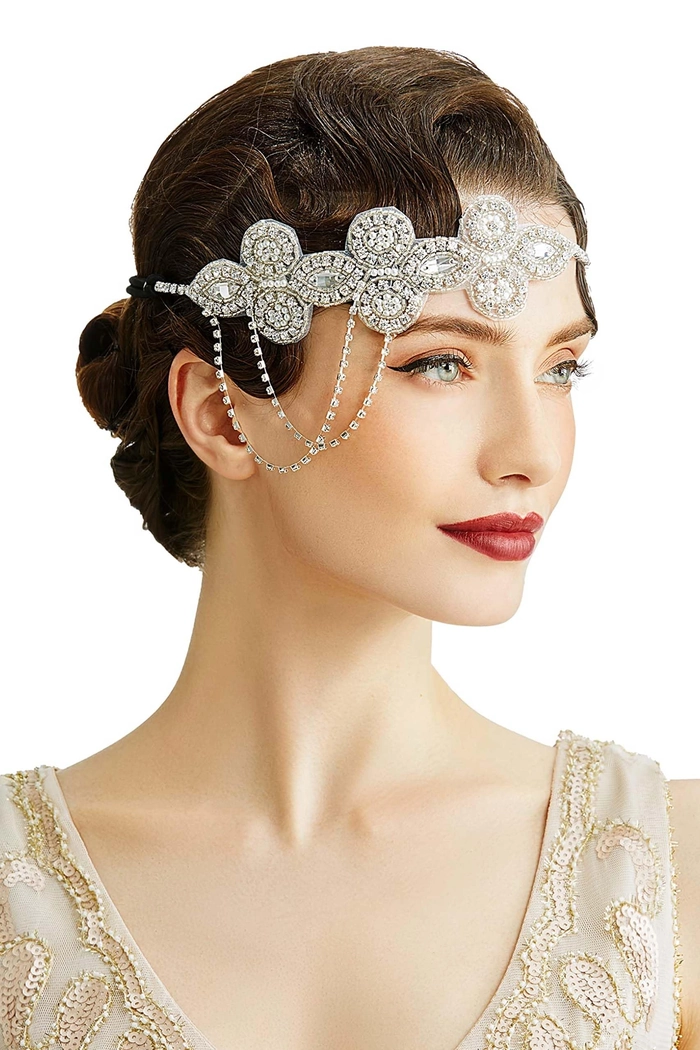
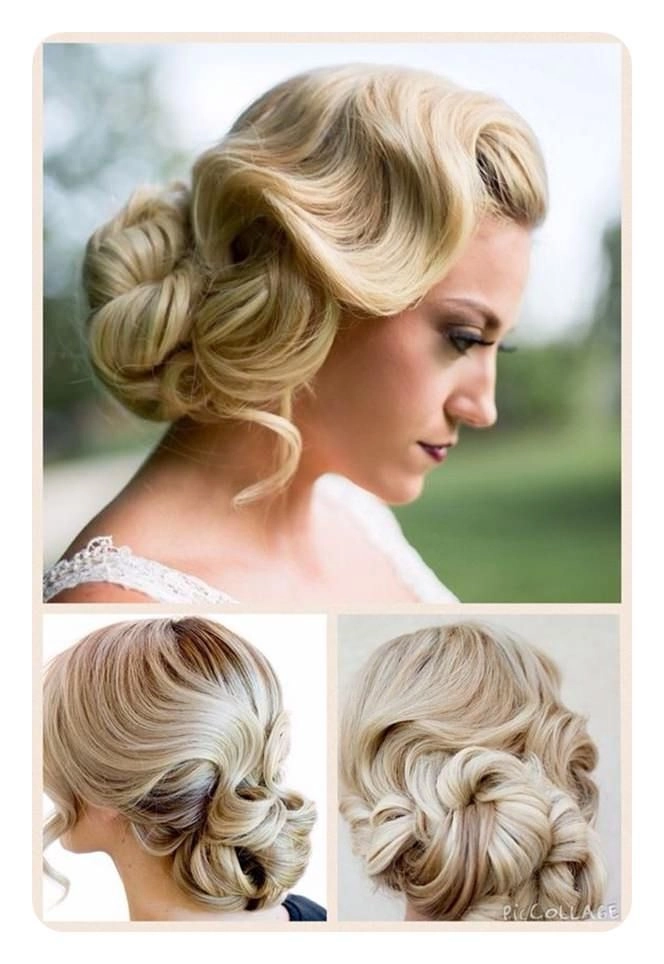
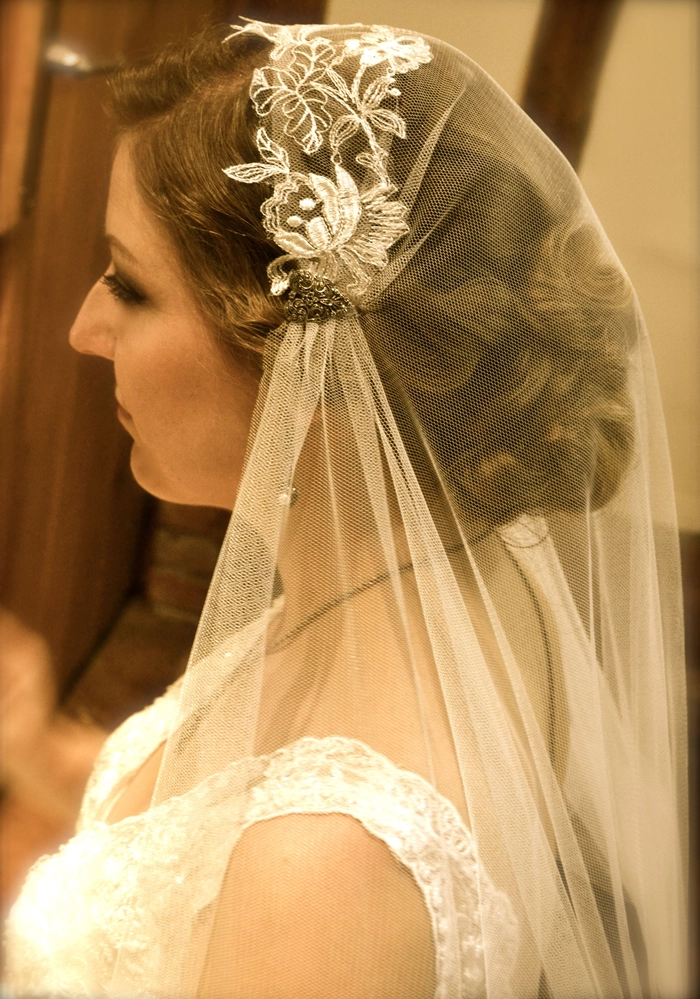
Finger waves first rose to popularity in the 1920s as a special occasion hair staple, and their appeal hasn't faded. The structured waves hug the head in a way that feels polished without looking overdone. They pair effortlessly with veils, headbands, jeweled clips, and other bridal accessories. Unlike many low-maintenance hairstyles that fall flat in photos, finger waves catch light beautifully, adding dimension and depth especially when paired with thoughtful hair color ideas like warm caramel highlights or rich brunette tones.
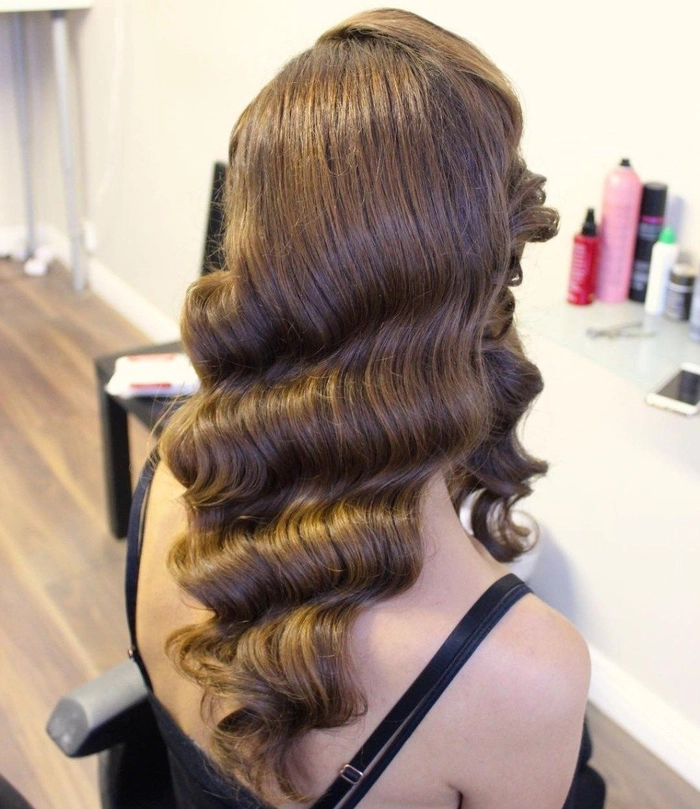
For brides who want hairstyle inspiration rooted in history but styled for today, finger waves bridge that gap perfectly. They can be worn tight and close to the head for a dramatic vintage feel or loosened into softer waves for a more relaxed, romantic look.
Matching Finger Waves to Your Face Shape and Hair Texture
One of the most common mistakes brides make is choosing a wedding hairstyle based solely on how it looks on someone else. Face shape and hair texture matter significantly with finger waves.
- Oval faces can wear finger waves in almost any variation close-cropped, side-swept, or blended into a low bun.
- Round faces benefit from waves that are swept to one side, creating an asymmetrical line that elongates the face.
- Heart-shaped faces look stunning with waves that add softness around the jawline, especially when combined with bangs or a face-framing tendril.
- Square faces pair well with looser, more relaxed waves that soften angular features rather than emphasizing them.
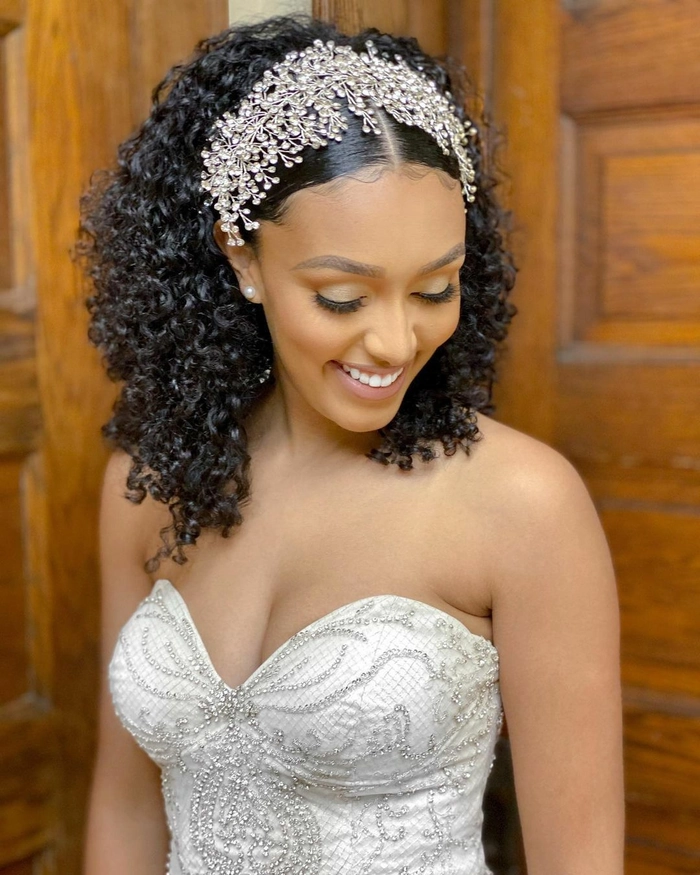
Regarding texture, finger waves traditionally work best on layered hair or straight to slightly wavy hair. If your hair is very curly, a stylist can blow it smooth first, though this adds time to your styling routine. Fine hair may need a volumizing mousse or setting lotion to hold the waves, while thicker hair often requires stronger-hold styling products to keep everything in place throughout the ceremony and reception.
How to Make Finger Waves Look Polished Without a Professional
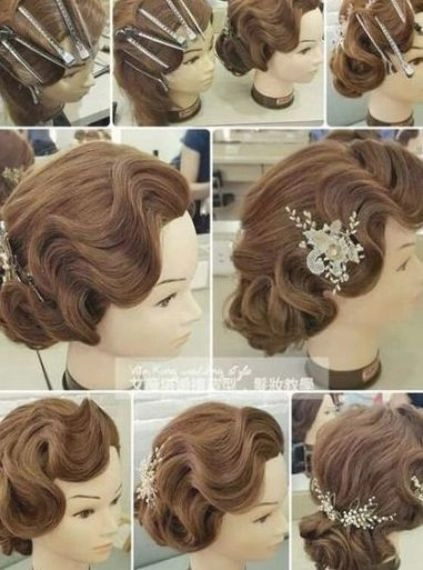
If you're considering recreating this look at home for a rehearsal dinner or intimate ceremony, a few hair care tips can help. Start with clean, slightly damp hair. Apply a generous amount of gel or wave-setting lotion, then use a fine-tooth comb and your fingers to mold each wave, securing them with clips until the hair dries completely.
Here are some practical tips for getting the look right:
- Practice at least twice before the wedding day so you understand how your specific hair holds the shape.
- Use a silk or satin pillowcase the night before to reduce frizz and keep hair smooth.
- Finish with a light-hold hairspray to lock in the style without making it feel stiff or crunchy.
- Keep a small comb and a travel-size gel in your emergency kit for quick touch-ups between events.
What to Ask Your Stylist Before the Big Day
A salon consultation is essential if you want professional finger waves for your wedding. Bring reference photos, but also be open about your daily styling routine and how much maintenance you're comfortable with. Ask your stylist whether your hair length needs to grow out or be trimmed for the style to sit correctly. Discuss whether any haircut ideas like adding subtle layers would improve how the waves fall. And don't forget to schedule a trial run at least four to six weeks before the wedding.
Making the Look Last All Day
Finger waves can hold up remarkably well, but heat, humidity, and dancing all night will test any special occasion hair. Setting the waves properly, using the right products, and avoiding excessive touching are the best ways to keep them intact. If you're transitioning this style from ceremony to reception, consider adding a decorative pin or fresh flower to refresh the look without restyling.
Ultimately, vintage 1920s finger waves wedding hair is a choice that reflects confidence and individuality. Choose this style because it resonates with your personality, complements your features, and fits seamlessly into the vision you have for your wedding day.
 Elegant Bridal Hairstyles for Natural Black Hair on Your
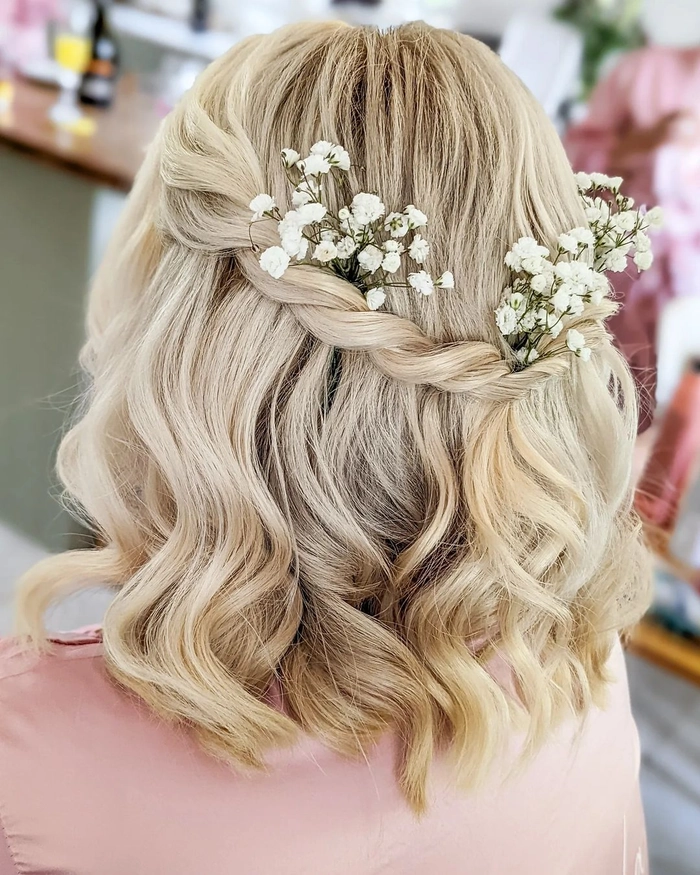 Stunning Medium Length Curly Hairstyles for Brides on Their
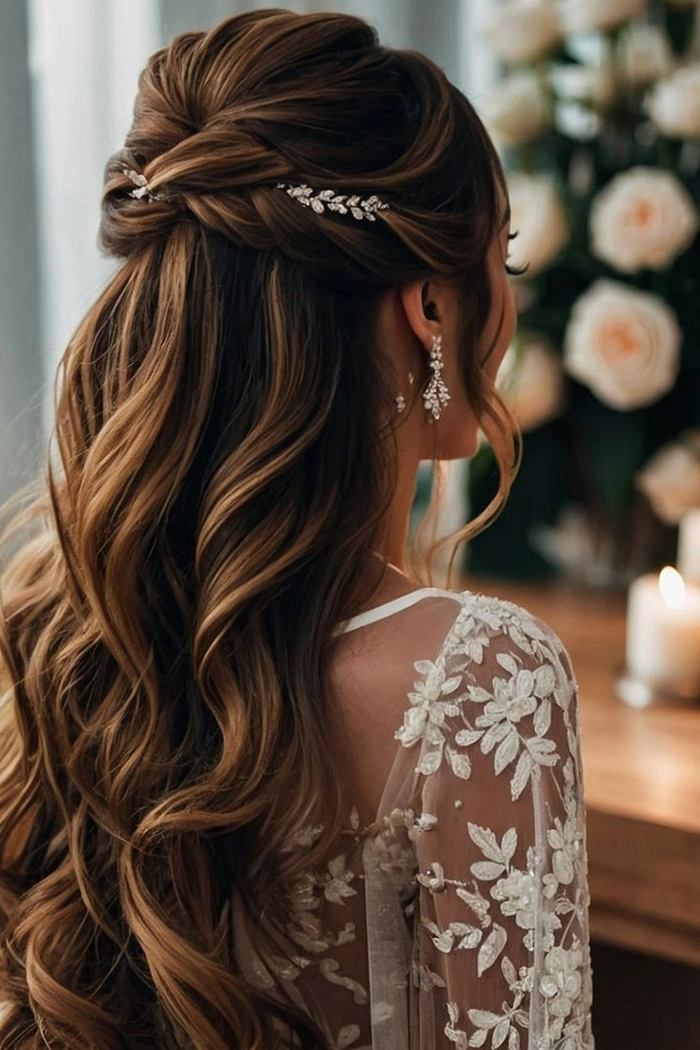 Elegant Shoulder-Length Half-Up Hairstyles for Your Wedding
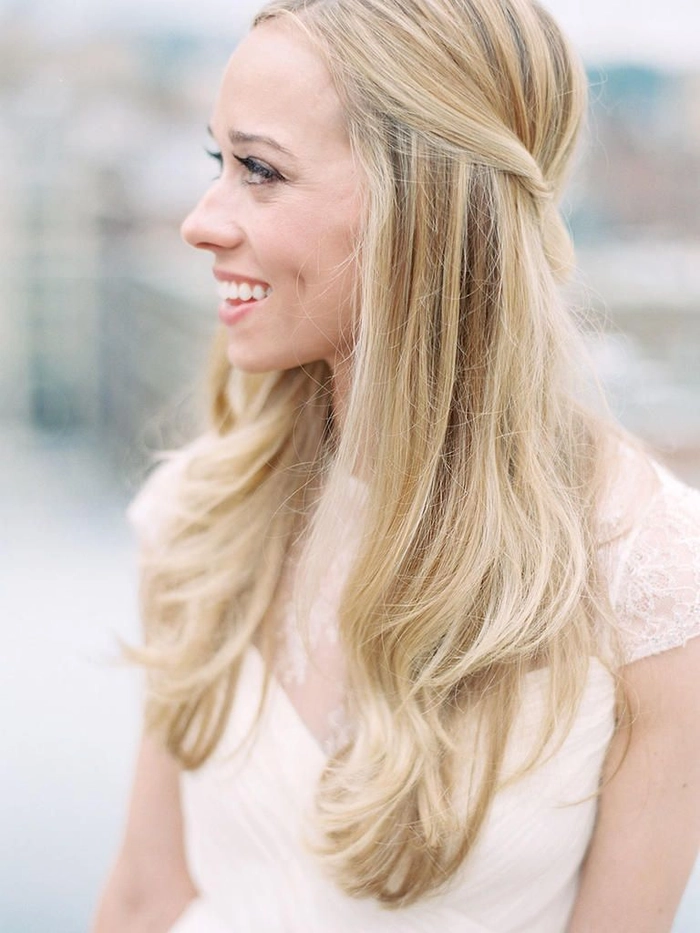 Elegant Long Straight Sleek Bridal Hair Ideas for Your
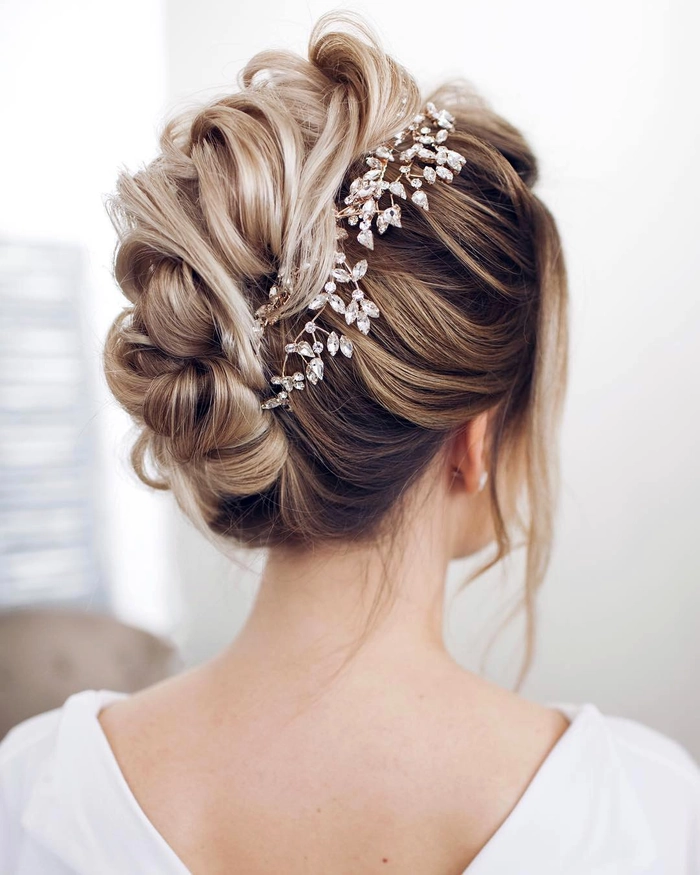 Elegant Bridal Updos Perfect for Fine Thin Hair
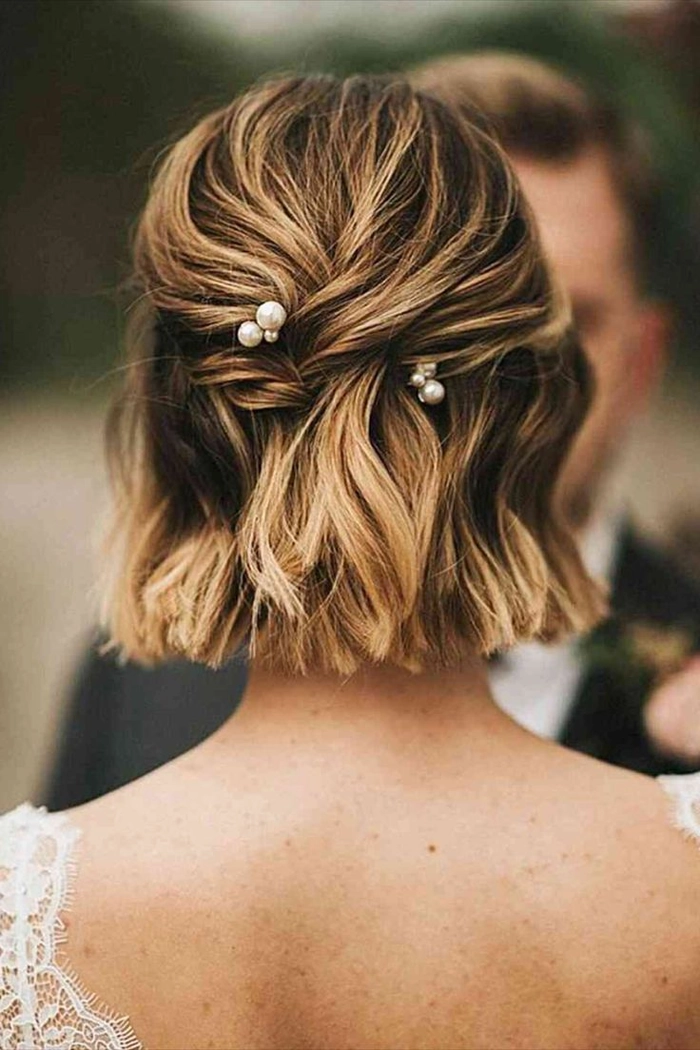 Chic Short Bob Wedding Hairstyles Perfect for Brides