Winter weddings have a magic all their own twinkling lights, velvet textures, and the kind of crisp, romantic air that makes every detail feel intentional. But if you're planning to wear a veil, where you place it can make or break your entire bridal look. Veil placement for festive winter weddings isn't just about pinning tulle to your head and walking down the aisle. It affects how your hairstyle photographs, how it holds up through hours of celebration, and whether your overall look feels cohesive or thrown together. Whether you're working with a hairstylist or doing your own styling routine, understanding veil placement will help you feel confident and polished from ceremony to last dance.
Why Veil Placement Matters More Than You Think
A veil isn't a one-size-fits-all accessory. The spot where you secure it crown, mid-head, or low at the nape changes the entire silhouette of your hair. For festive winter weddings, this decision becomes even more important because winter hairstyles tend to include richer textures, deeper hair color ideas, and more structured styles that need to complement the veil rather than compete with it.
Think about how your veil interacts with your face shape. A high placement (near the crown) adds height and elongates rounder faces, while a low placement softens angular features. If you have bangs, you'll want to consider whether the veil sits behind or in front of them, since this changes how your forehead and eyes are framed in photos.
Choosing the Right Placement for Your Hair Type and Texture
Your hair texture plays a bigger role in veil placement than most people realize. Fine, straight hair may need extra bobby pins and styling products to keep a veil secure, especially in heavier winter fabrics. Thick or layered hair offers more natural grip, but bulkier styles can make certain placements look unbalanced.
Here are some practical pairing ideas:
- Crown placement works beautifully with updos and voluminous special occasion hair styles ideal for medium to long hair length.
- Mid-head placement is versatile and flatters most face shapes, especially when paired with half-up, half-down styles.
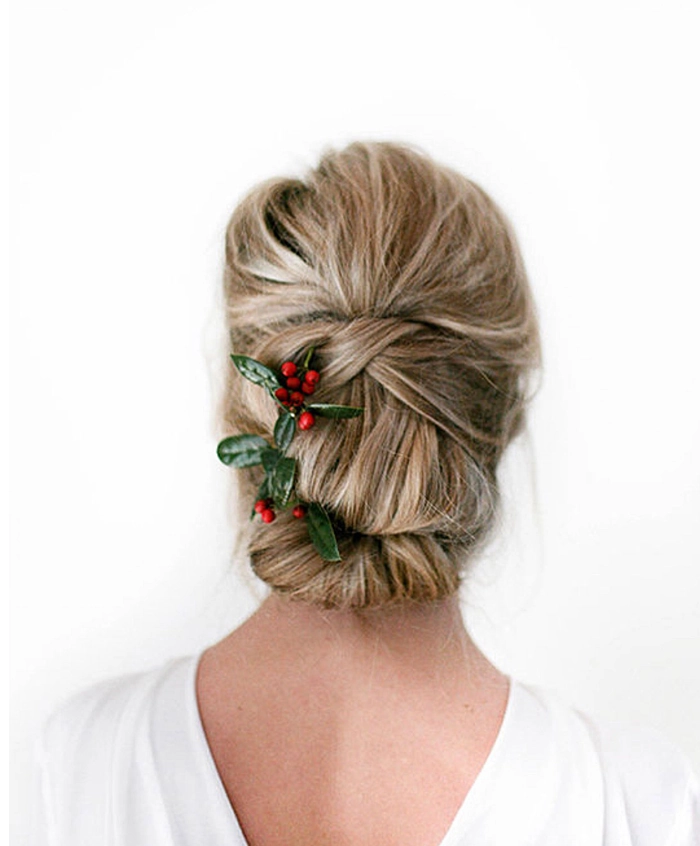
- Low placement at the nape pairs well with sleek chignons or low buns and suits oval and heart-shaped faces. It's also one of the most low-maintenance hairstyles options because it won't budge easily.
If you're unsure, a salon consultation before your wedding day is worth every penny. A skilled stylist can test different placements with your actual hairstyle inspiration and help you see what photographs best.
Styling Tips to Keep Your Veil and Hair Looking Flawless
Winter weather brings unique challenges. Cold, dry air can make hair staticky, and indoor heating can flatten volume. To keep your veil placement secure and your style intact:
- Prep your hair with a lightweight volumizing mousse before blow-drying this gives pins something to grip.
- Use a texturizing spray at the roots where the veil comb will sit for extra hold without stiffness.
- Schedule a trial run at least four weeks before the wedding so you can test how the style holds over several hours.
- Carry a small touch-up kit with bobby pins, a travel-size hairspray, and a fine-tooth comb for quick fixes between the ceremony and reception.
Common Mistakes to Avoid
One of the biggest mistakes brides make is choosing veil placement based solely on how it looks with their everyday hairstyles at home. Wedding-day hair is styled differently it's set, pinned, and product-coated in ways your regular routine isn't. Always test placement with your final styled look, not your everyday blowout.
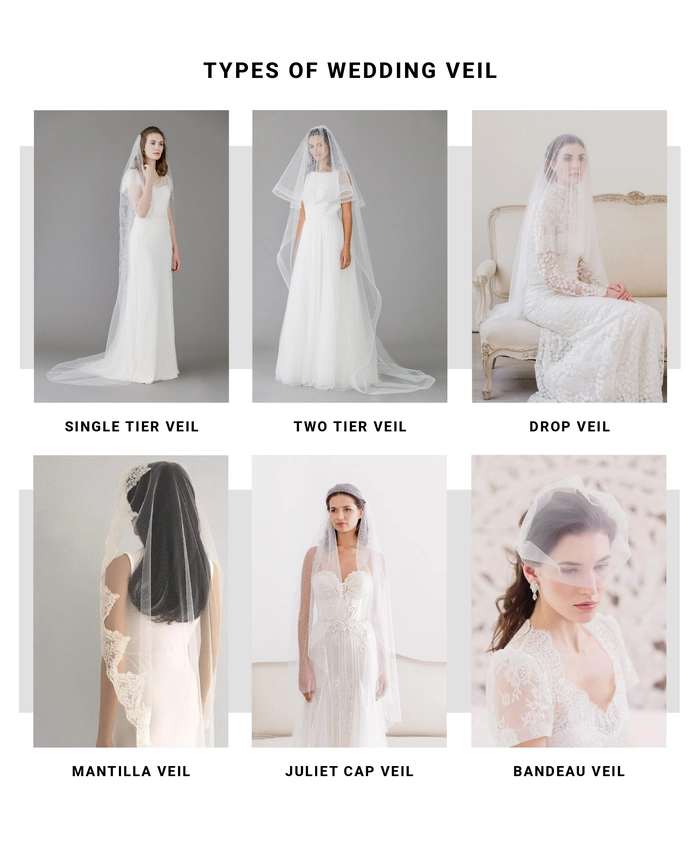
Another pitfall is ignoring your hair length. A cathedral-length veil on very short layered hair can pull and shift throughout the day. If you have shorter hair, consider a birdcage veil or fingertip length, which sits more naturally and requires less anchoring.
Finally, don't forget about hair care tips in the weeks leading up to the event. Deep conditioning treatments, avoiding excessive heat styling, and getting a fresh trim all contribute to hair that holds its shape and looks healthy under a veil.
Final Thoughts
The best veil placement for your festive winter wedding is the one that works with your unique features your face shape, your hair texture, your personal style, and the practical demands of a long celebration day. Don't be afraid to experiment, ask your stylist plenty of questions, and choose a look that feels authentically you. When your veil placement, hairstyle, and overall look are in harmony, you'll feel it and it will show in every photograph.
 Beautiful Christmas Party Updos for Long Hair
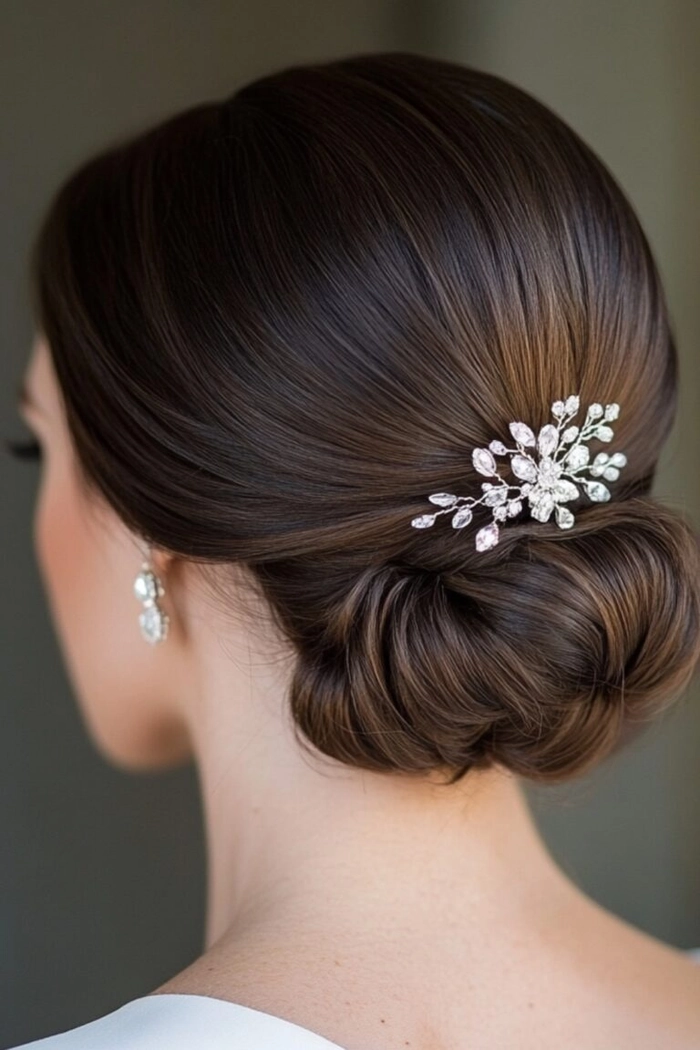 Elegant Chignons for Winter Wedding Holidays
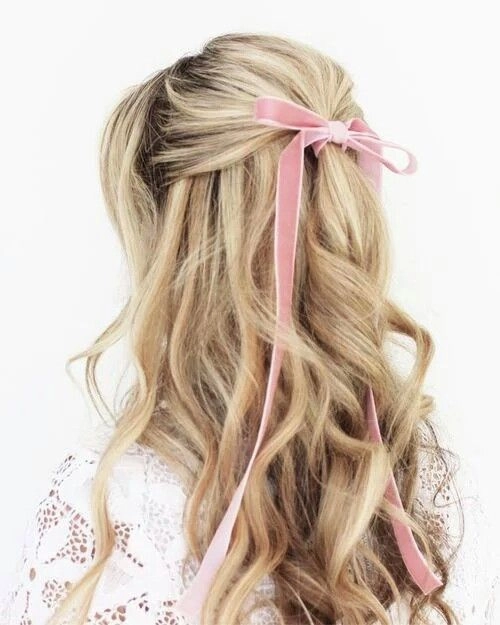 Velvet Ribbon Half Up Hairstyles for the Holidays
 Messy Bun Ideas for Ugly Sweater Parties
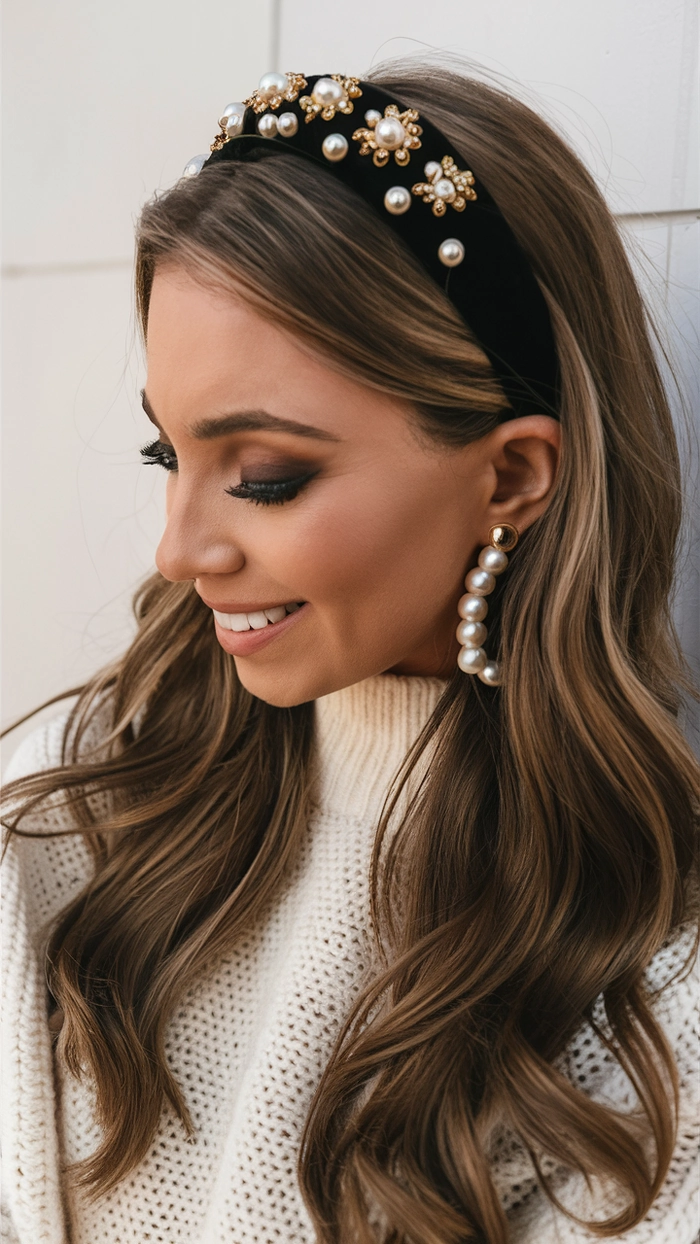 Pearl Hair Accessories for Christmas Dinner