You've got a big creative meeting on the calendar maybe a pitch, a portfolio review, or a brainstorming session where first impressions genuinely matter. You want to look put-together without appearing overdressed, and your hair needs to survive a full day without constant touch-ups. That's exactly where a textured low chignon shines. It's relaxed enough to feel right at home in a design studio or agency setting, yet intentional enough to show you've thought about your presentation. Below, we'll walk through how to choose the best version of this style for your face shape, hair texture, and daily routine so you can walk into any creative industry meeting feeling confident and polished.
Why the Textured Low Chignon Works So Well for Creative Professionals
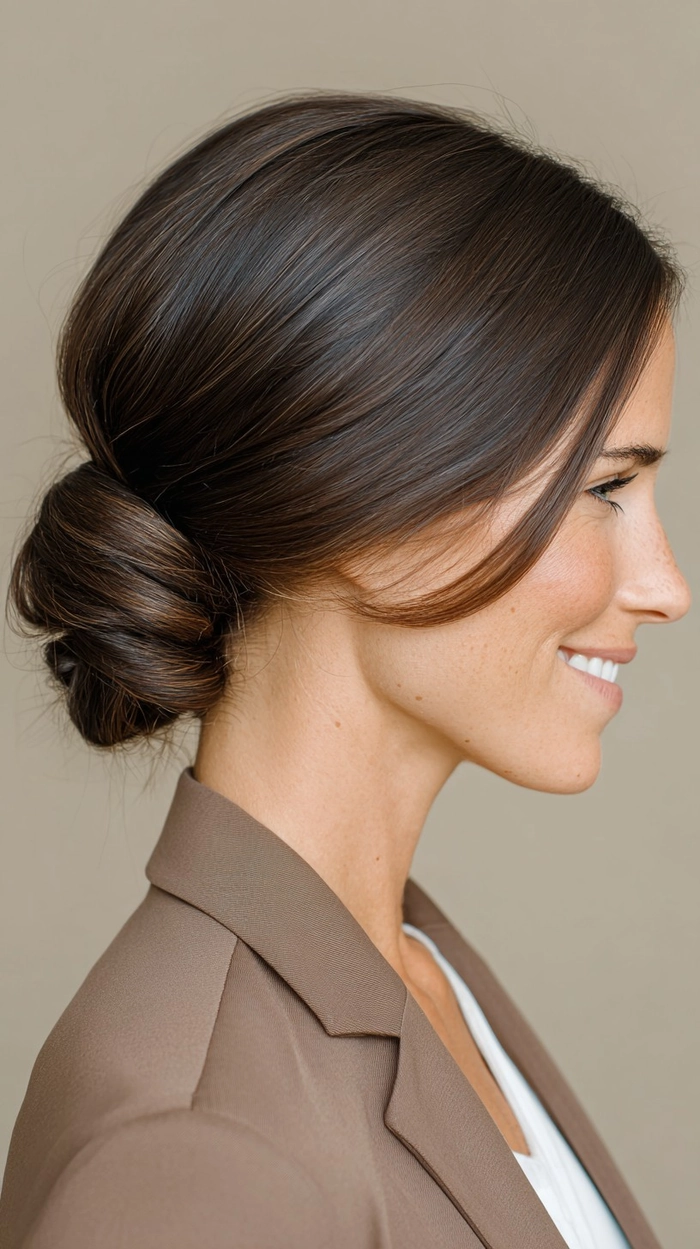
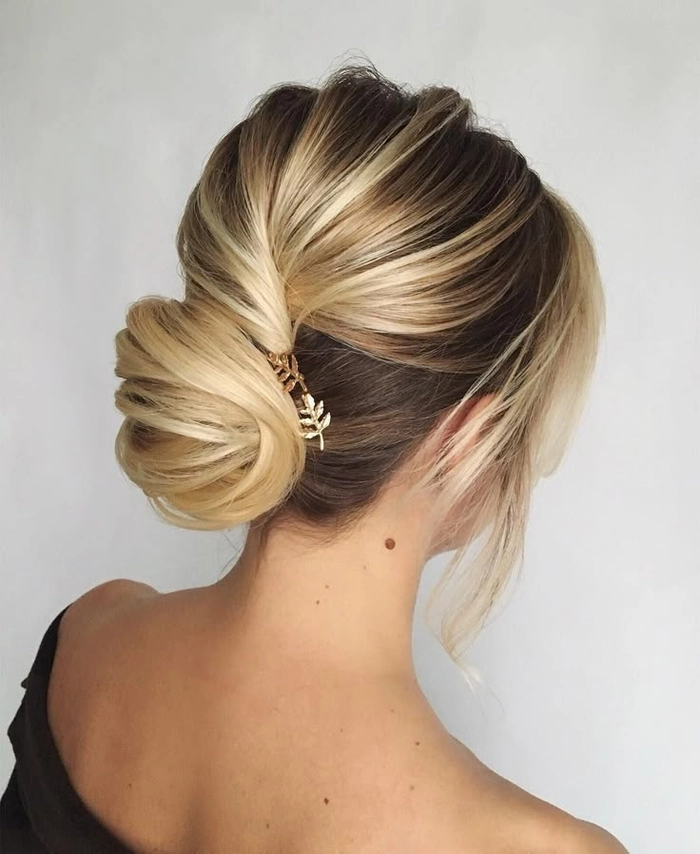
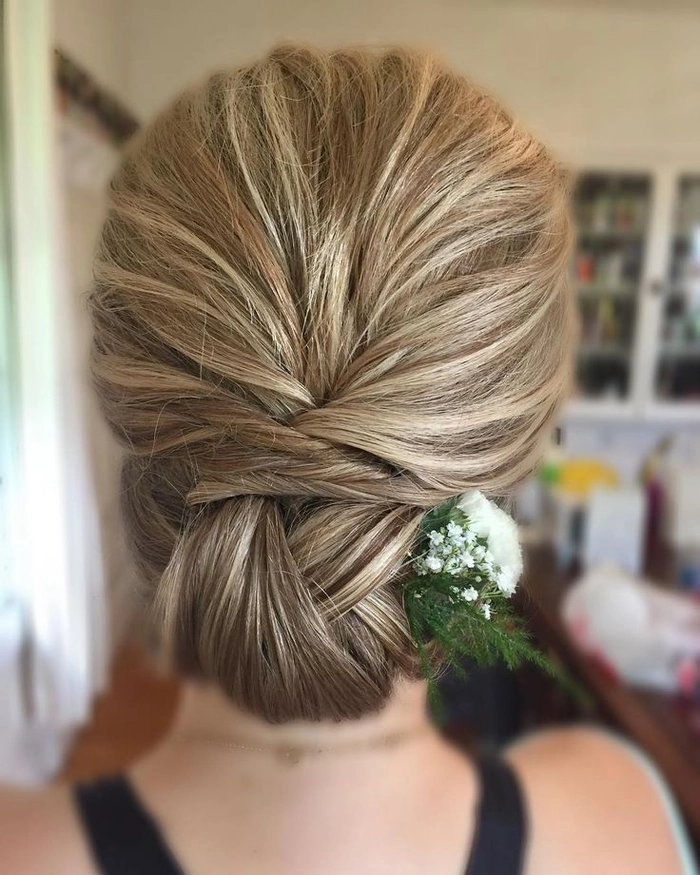
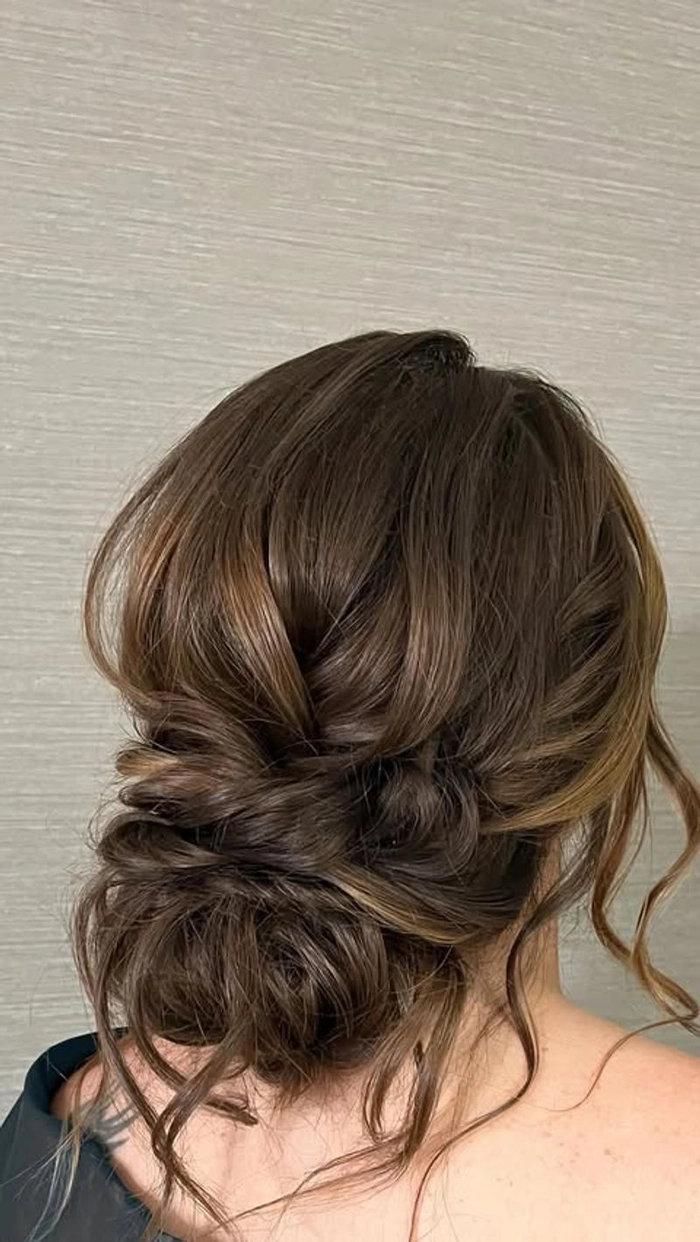
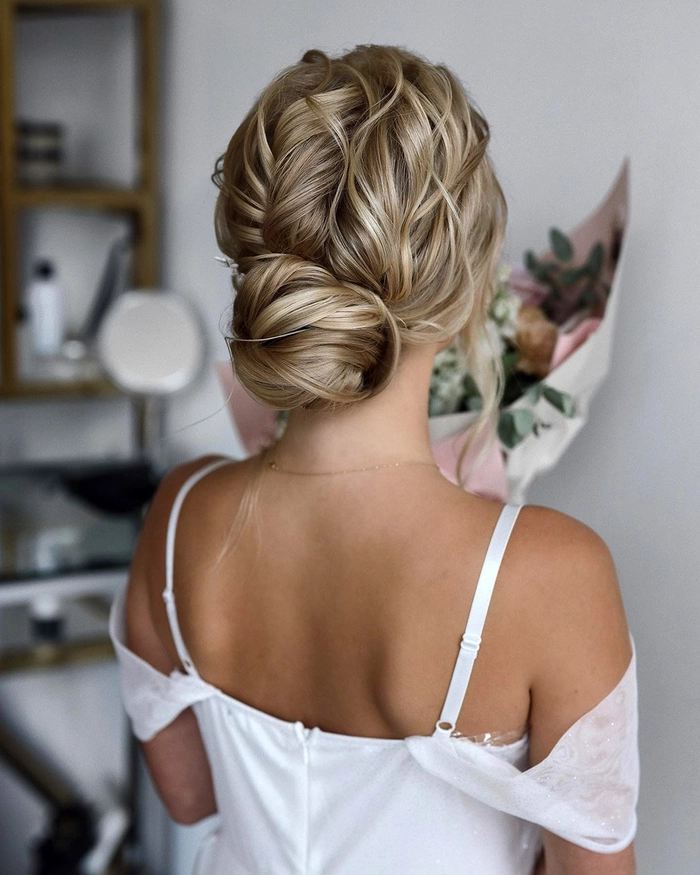
The beauty of a textured low chignon is its balance between effortless and refined. In creative fields, overly sleek or rigid hairstyles can sometimes feel at odds with the relaxed, expressive culture of the room. A chignon with soft, lived-in texture signals that you understand aesthetics without trying too hard. It pairs beautifully with both casual blazers and more structured outfits, and it works across a wide range of hair lengths from shoulder-length cuts to longer layers.
This style also photographs well on camera, which matters more than ever in an era of hybrid meetings and video calls. Whether your hair color ideas lean toward natural tones or bolder shades, the gathered knot at the nape gives just enough dimension to show off subtle highlights or color variation without distracting from your face.
Matching the Style to Your Face Shape and Hair Texture
Not every low chignon suits every person equally, and understanding your face shape makes a real difference:
- Round faces: Pull a few soft face-framing pieces loose and keep some height at the crown. This elongates the face without needing elaborate haircut ideas.
- Oval faces: You have flexibility here. A center-parted chignon with gentle texture keeps things balanced and modern.
- Square faces: Soft, wispy bangs or curtain fringe tucked loosely around the jawline soften angular features beautifully when paired with a low bun.
- Heart-shaped faces: Leave volume around the chin area by pulling pieces free at the sides. This draws attention downward and creates harmony.
As for hair texture, wavy and naturally curly hair often creates the most effortless version of this look. Fine or straight hair benefits from a light texturizing spray or sea salt mist before styling it adds the grip and movement that make the chignon feel undone in the right way. If you have layered hair, you're already at an advantage; shorter layers naturally escape the bun and create that coveted soft, piecey frame around the face.
Simple Styling Tips to Get the Look Right at Home
You don't need a professional stylist to nail this look before a meeting. Here's a quick styling routine that takes under ten minutes:
- Prep with product: Apply a volumizing mousse or texturizing spray to dry hair. Focus on the roots and mid-lengths for natural lift.
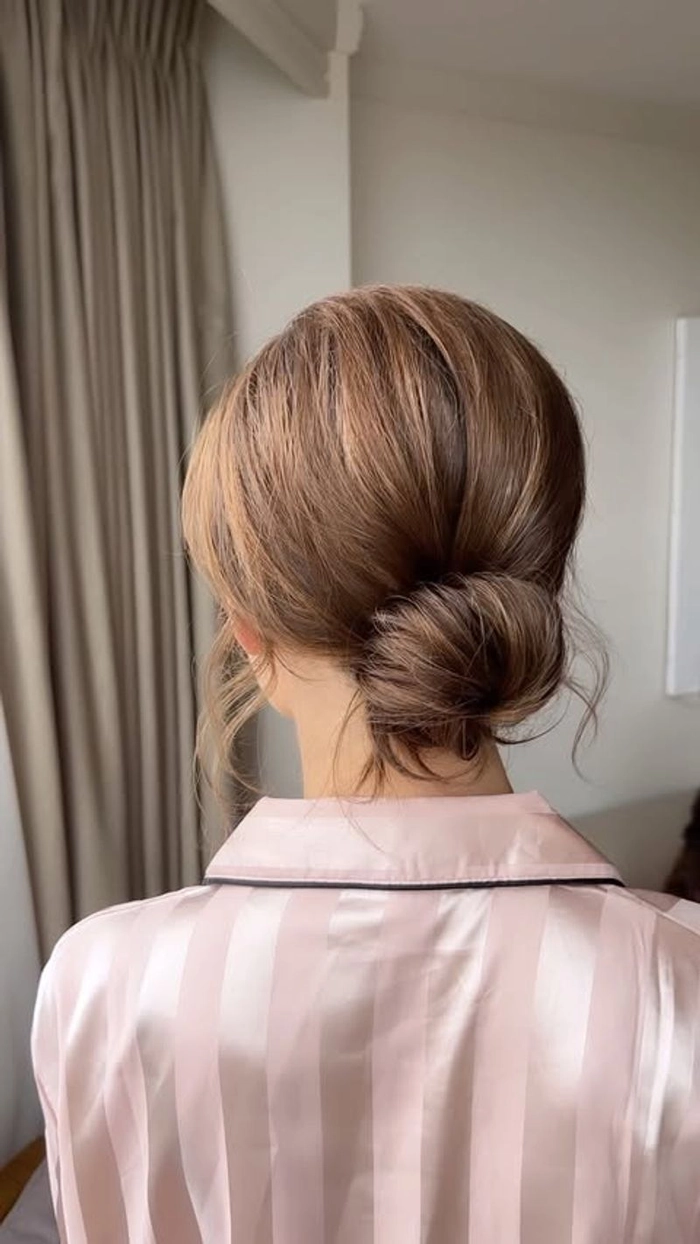
- Create a low ponytail: Gather hair at the nape of your neck. Don't pull it too tight a slightly loose base looks more relaxed and intentional.
- Twist and pin: Loosely twist the ponytail, wrap it into a bun, and secure with bobby pins. Let a few strands fall naturally.
- Pull texture free: Gently tug at sections around the crown and temples to add volume and softness. This step is what separates a polished chignon from a stiff one.
- Set lightly: A flexible-hold hairspray keeps everything in place without making the style look crunchy or frozen.
What to Ask Your Stylist Before Making a Change
If you're considering a cut that makes this style easier like adding face-framing layers or soft bangs bring hairstyle inspiration photos to your salon consultation. Ask your stylist specifically how the cut will look pulled back, since not every layered style translates well into a bun. Discuss your typical styling routine honestly. If you're someone who prefers low-maintenance hairstyles, your stylist can suggest cuts that create texture on their own, reducing the need for daily product application.
This kind of conversation also opens the door to personalized hair care tips your stylist might recommend a specific smoothing cream or dry shampoo that works well with your hair's density and porosity.
Keeping the Look Fresh Throughout the Day
A textured low chignon holds up surprisingly well, but a few habits keep it looking intentional from morning to evening. Carry a few extra bobby pins and a mini hairspray in your bag. If the bun loosens during a long meeting day, simply re-pin and tug a few strands free again. Avoid touching it excessively natural oils from your hands can flatten the texture you worked to create.
For those who wear this as one of their go-to everyday hairstyles or reserve it as a special occasion hair option, rotating in occasional deep-conditioning treatments keeps your hair healthy and the texture looking vibrant rather than dry or frizzy.
Choosing a Style That Feels Like You
The textured low chignon isn't a one-size-fits-all look and that's what makes it so versatile for creative professionals. Whether you prefer a barely-there, undone version or a more sculpted interpretation, the key is matching the style to your personality, your hair type, and the message you want to send in the room. Experiment with variations, trust what works for your face shape and routine, and remember: the best meeting hairstyle is one that lets you focus on your ideas, not your hair.
 Professional Office Hairstyles for Long Hair
 Business Casual Short Bob Hair Ideas
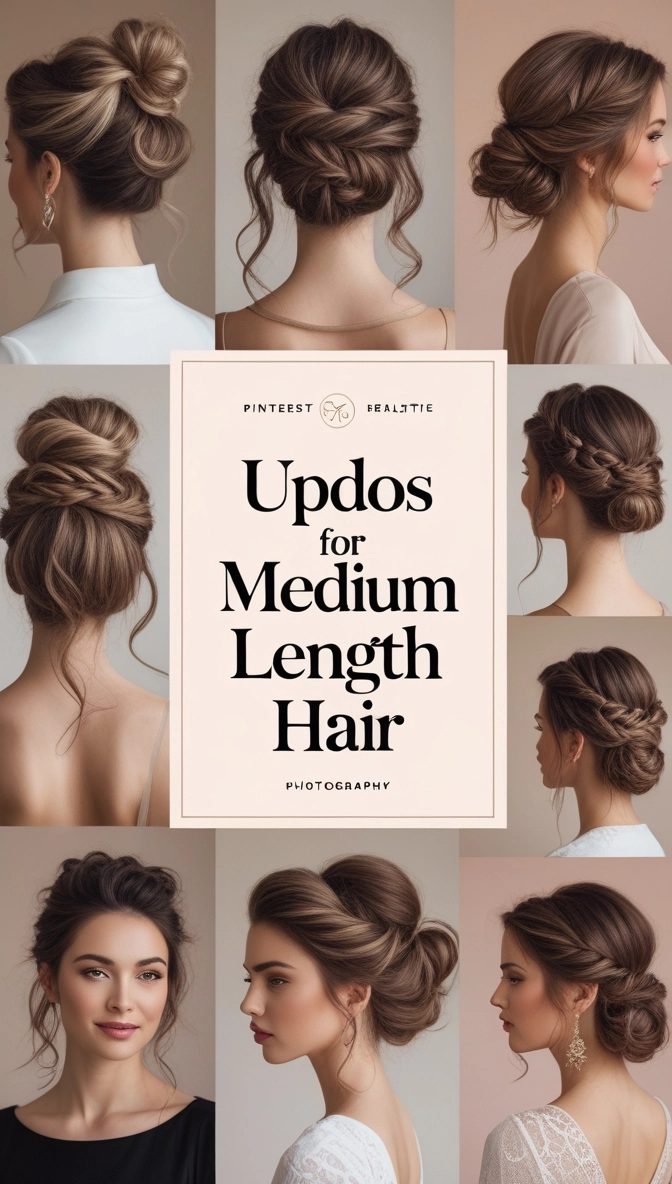 Boardroom Updos for Medium Hair
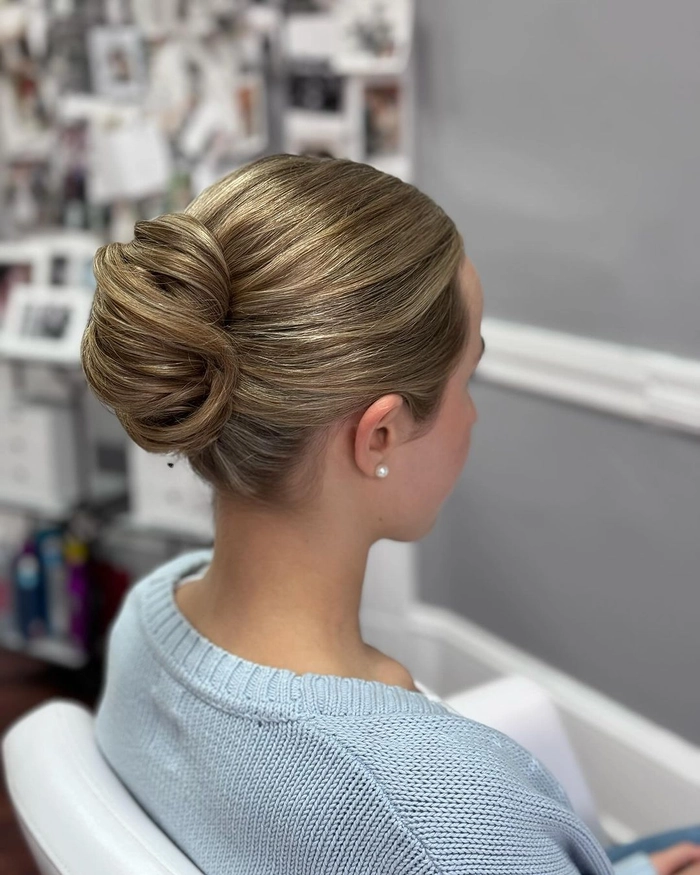
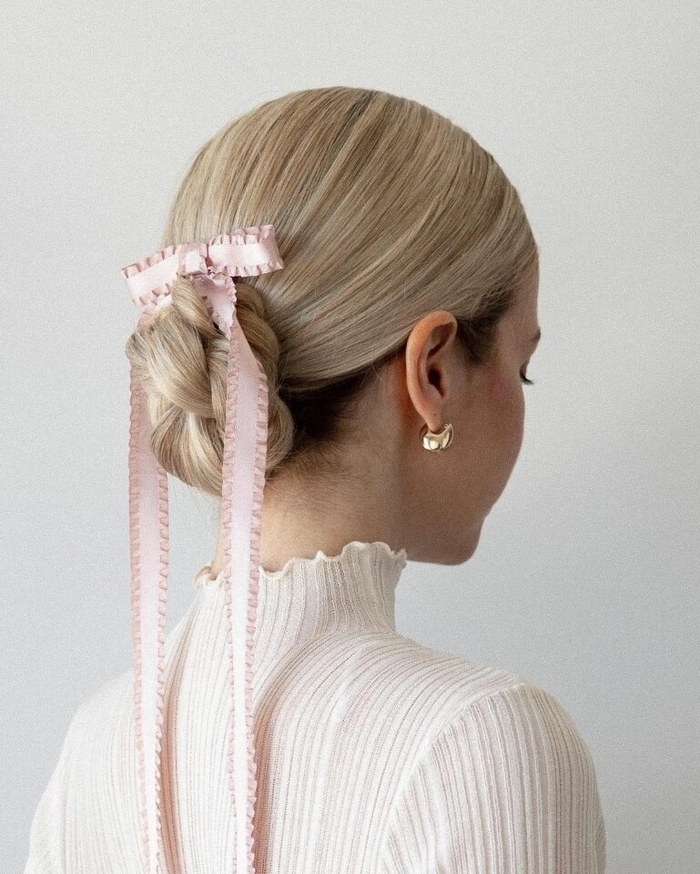
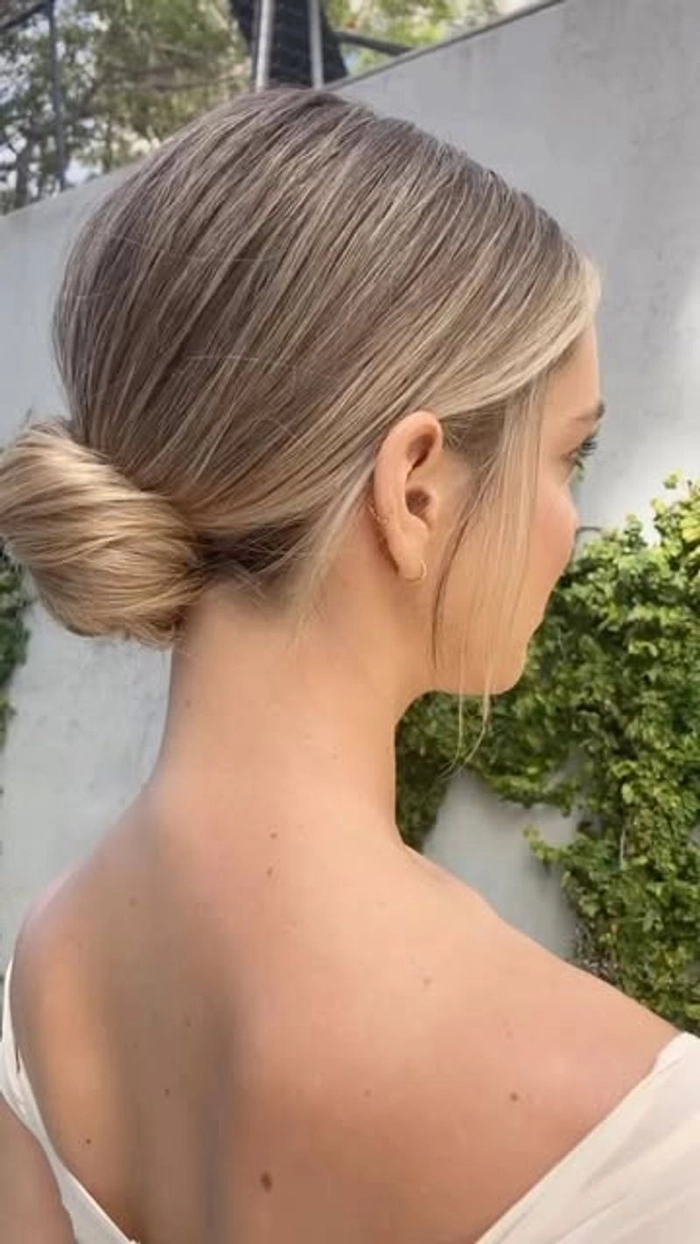
 Sleek Low Buns: Perfect for Job Interviews
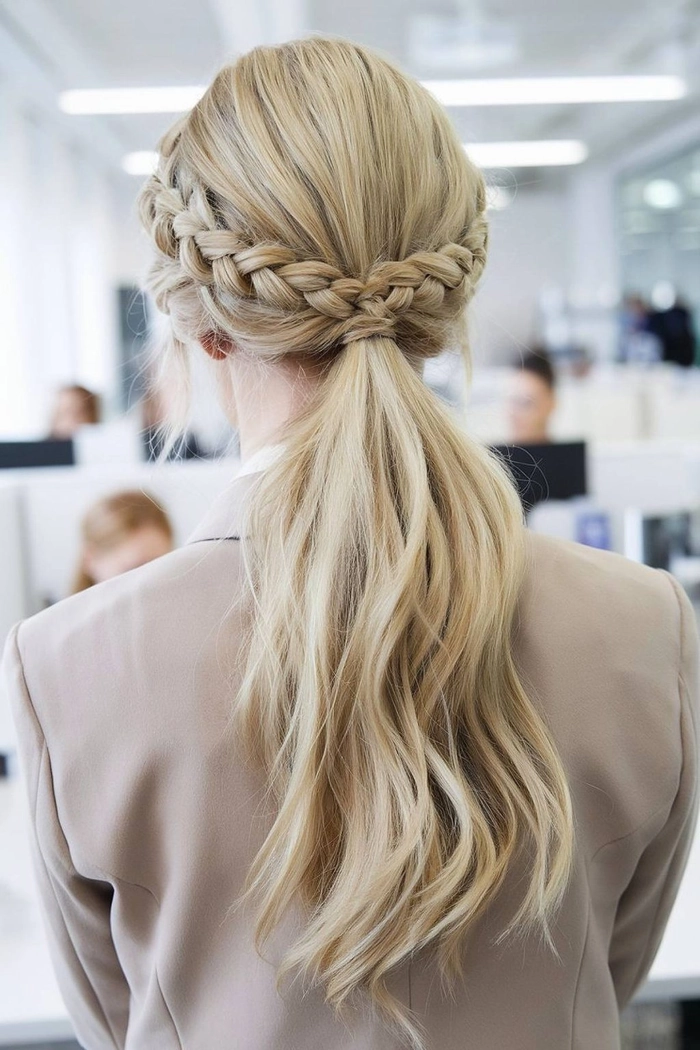
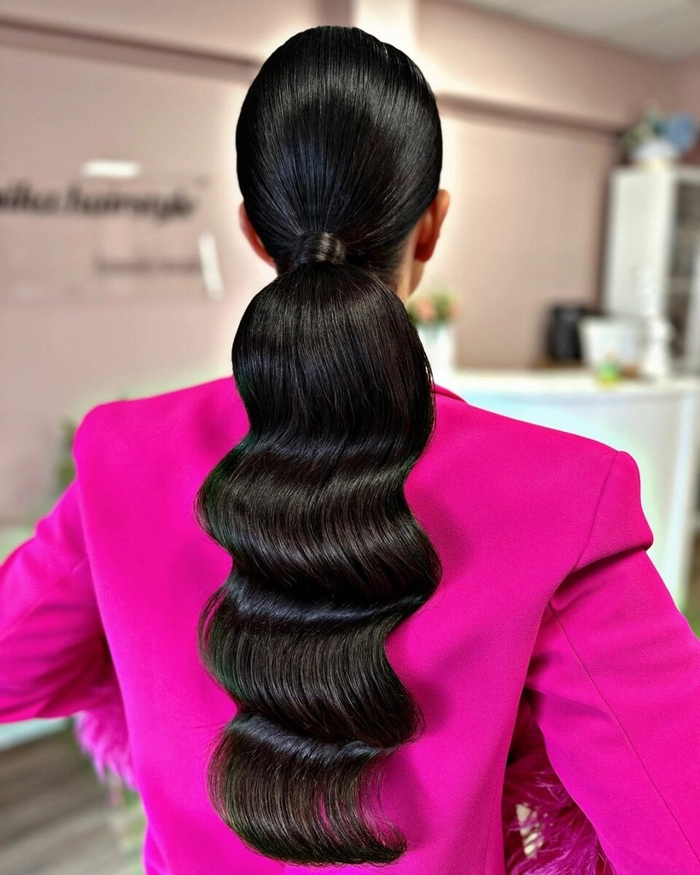 Polished Ponytail Styles for Client Meetings
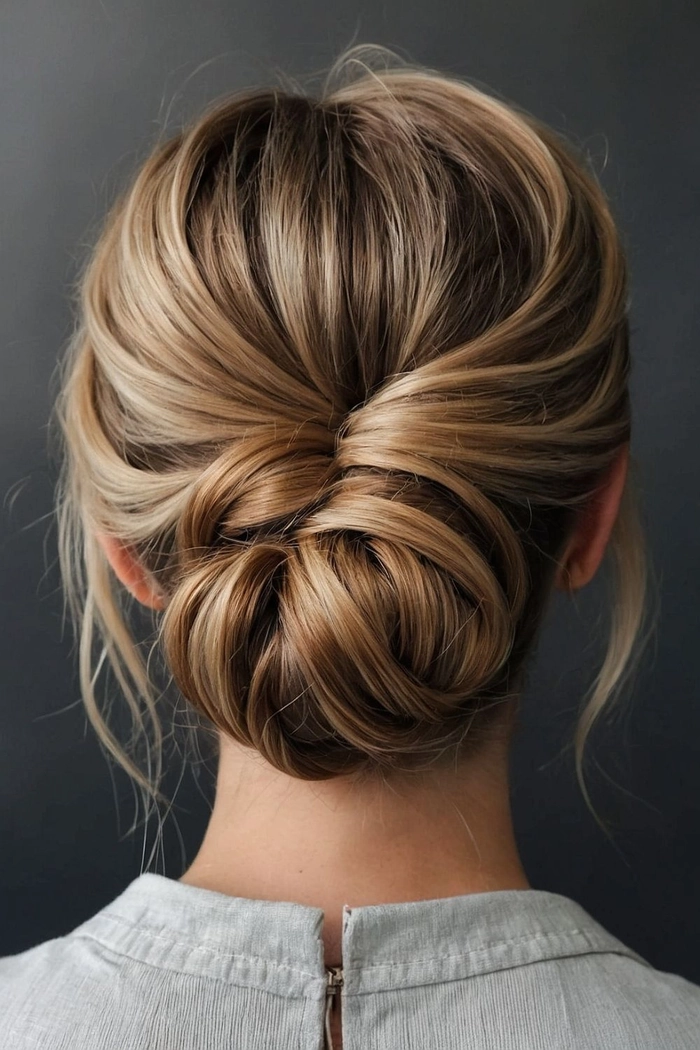 Quick Shoulder-Length Updos for the Office