Twelve-hour nursing shifts test everything your stamina, your patience, and yes, your hair. When you're moving between patients, ducking into supply closets, and wiping sweat from your brow before rounds, a hairstyle that collapses by lunchtime simply won't cut it. Sweat proof updos designed for long shifts keep hair off your neck, out of your face, and looking professional from clock-in to clock-out. Whether you're dealing with thick layered hair, fine strands that slip out of every clip, or textured curls that frizz at the first sign of humidity, the right updo can save you time, frustration, and a whole lot of bobby pins.
Choosing the Right Updo for Your Hair Texture and Length
Not every updo works for every head of hair. Understanding your
hair texture and
hair length is the first step toward finding a style that actually holds up through a full shift.
If you have
fine or straight hair, sleek low buns and twisted chignons tend to work best because the hair lays flat without bulk. Adding a texturizing spray before styling gives the grip you need to keep pins from sliding out. For those with
thick or layered hair, a braided bun or double-twist updo distributes weight more evenly and prevents that heavy, pulling feeling after hour eight. Curly and coily textures often hold updos naturally well the texture itself acts like built-in grip but you'll want to avoid styles that compress curls too tightly, which can cause breakage over time.
For shorter lengths like a lob or bob, a low pinned-up style with face-framing pieces tucked behind the ears can look polished without requiring long hair to twist and wrap. If your
hair length is past your shoulders, you have more versatility, but more hair also means more weight pulling on your scalp throughout the day.
Matching Your Updo to Your Face Shape
The most
sweat proof updos for twelve hour nursing shifts don't just stay put they also flatter your features. A tightly pulled bun can look harsh on angular face shapes, so consider leaving a few soft pieces out around the temples to soften the look. Round faces benefit from volume at the crown, which a loosely piled bun or a braided topknot provides naturally. If you have an oval face shape, you can pull off nearly any style, but a classic low chignon at the nape tends to look especially clean and professional.
Thinking about
face shape isn't vanity it's practical. A style that complements your features means you'll feel confident walking into a patient's room without second-guessing your reflection.
Styling Tips That Actually Last a Full Shift
A great updo starts long before you twist the first section. Here are
practical tips to make your hairstyle survive twelve hours of real work:
- Start with second-day hair. Slightly dirty hair has natural oils that give texture and hold. Freshly washed hair is slippery and harder to pin.
- Use a lightweight styling product like a mousse or texturizing spray at the roots before styling avoid heavy gels that feel sticky under a sweat-proof scrub cap.
- Anchor with the right tools. Spin pins, spiral bobby pins, and snag-free elastic bands outperform basic hair ties for long shifts.
- Set with a flexible-hold hairspray. Rigid sprays crack and flake; flexible formulas move with you without losing structure.
- Wrap your updo in a silk or satin scarf the night before if you want to preserve it for back-to-back shifts.
These
hair care tips and
styling routine adjustments make a noticeable difference, especially during physically demanding days.
Low-Maintenance Options That Still Look Professional
Not every nurse wants to spend twenty minutes on hair before a 6 a.m. shift.
Low-maintenance hairstyles like a simple French twist secured with a claw clip, a braided crown pinned flat against the head, or a sock bun using a donut form can all be mastered in under five minutes once you've practiced a few times. If you're exploring
haircut ideas that make updos easier, consider asking your stylist about subtle internal layers they reduce bulk without changing your overall shape and help updos sit flatter and smoother.
A
salon consultation is worth the time if you're unsure what cut or style works best. A good stylist will assess your
hair texture, density, and growth patterns to recommend
everyday hairstyles that transition easily from shift to off-duty life.
Common Mistakes to Avoid
Even the best intentions fall apart when you skip the basics. Pulling hair too tightly causes tension headaches and long-term damage to your hairline especially around the temples. Using too many elastics creates weak points where hair snaps. And skipping product entirely because you want a "natural" look usually means your updo won't survive the first hour.
Instead, focus on
balanced tension, quality tools, and minimal but effective product. Your hair and your scalp will thank you at the end of a long shift.
Find the Style That Works for Your Life
The best sweat proof updo is the one that fits
your routine,
your hair, and
your comfort level. Whether you go with a polished braided bun or a quick twisted low knot, what matters is that it holds up when your shift demands everything from you. Start with one style, practice it a few times at home, and adjust based on how your hair responds. The right updo won't just survive twelve hours it'll make those hours feel a little more put-together.
Trending Hairstyles This Season
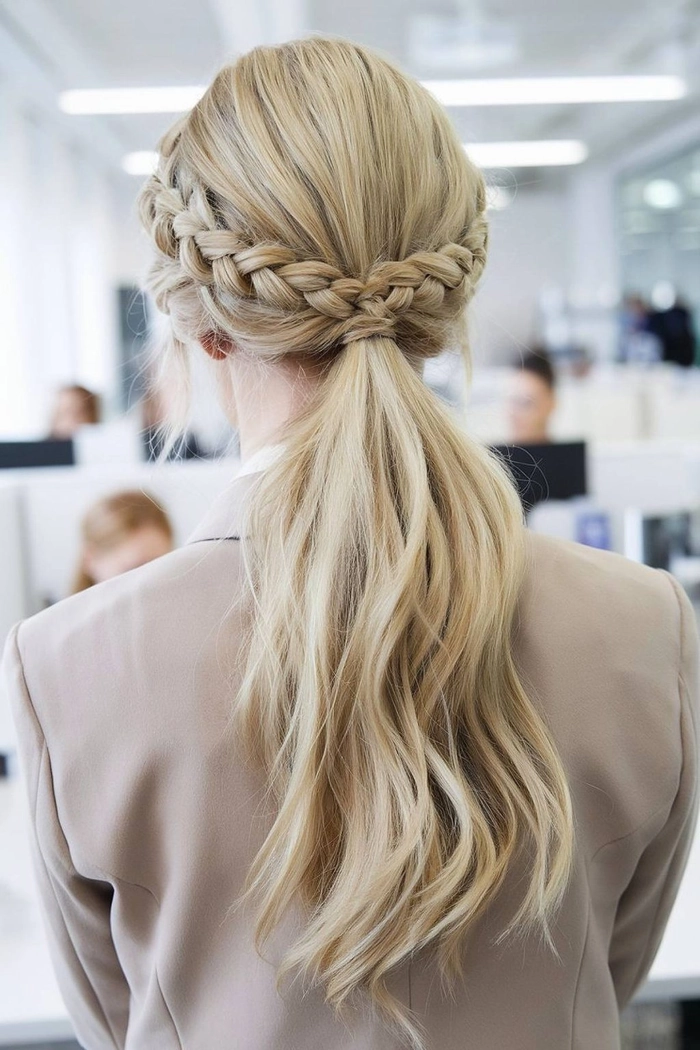 Professional Office Hairstyles for Long Hair
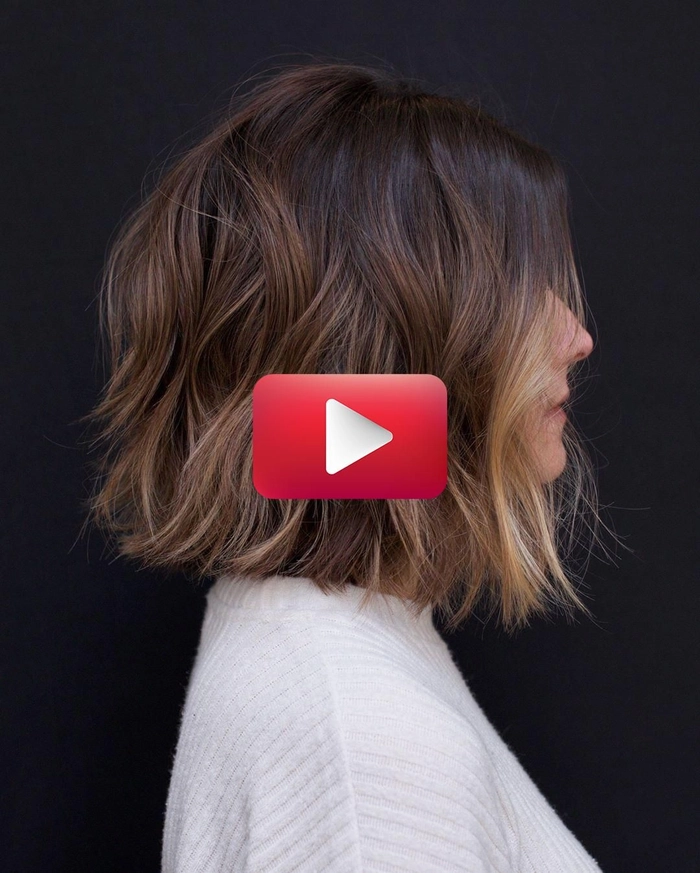 Business Casual Short Bob Hair Ideas
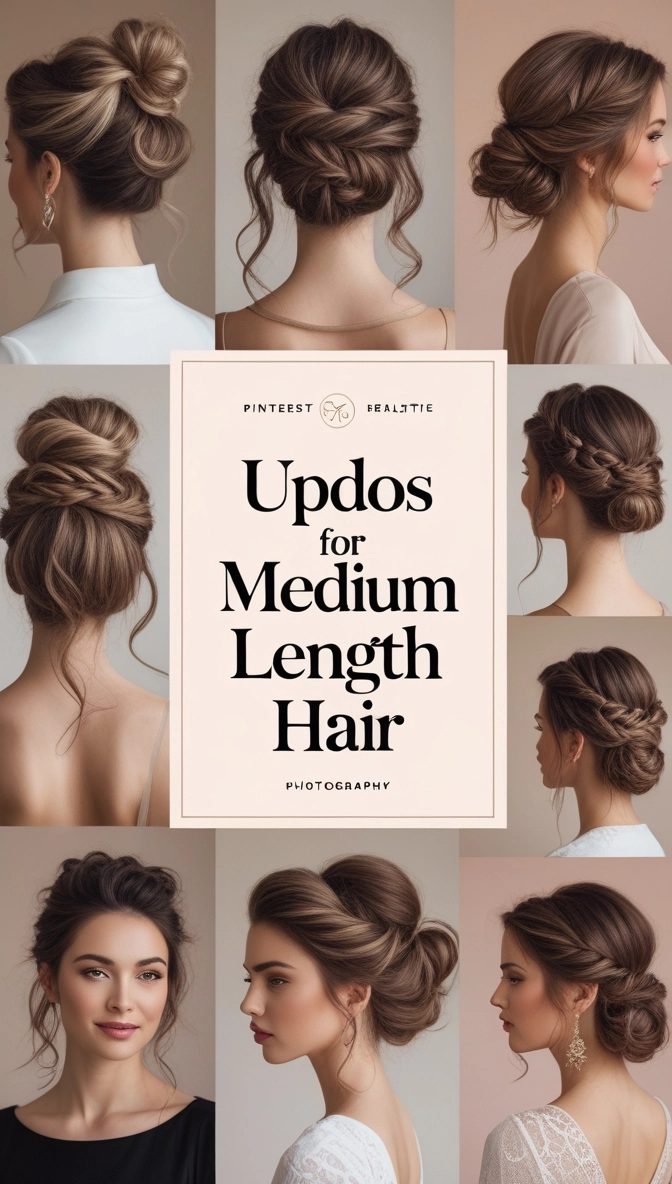 Boardroom Updos for Medium Hair
 Sleek Low Buns: Perfect for Job Interviews
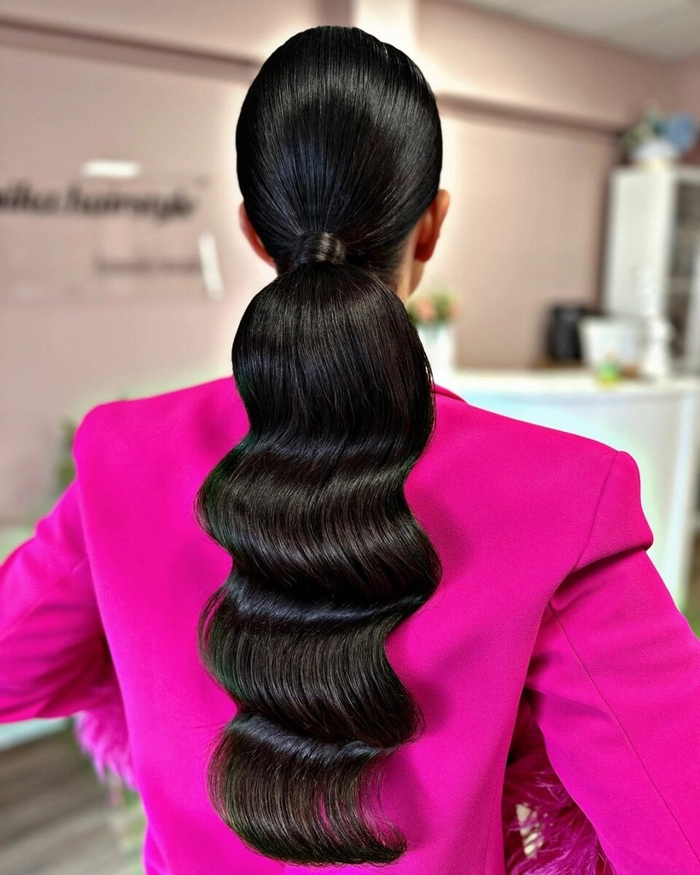 Polished Ponytail Styles for Client Meetings
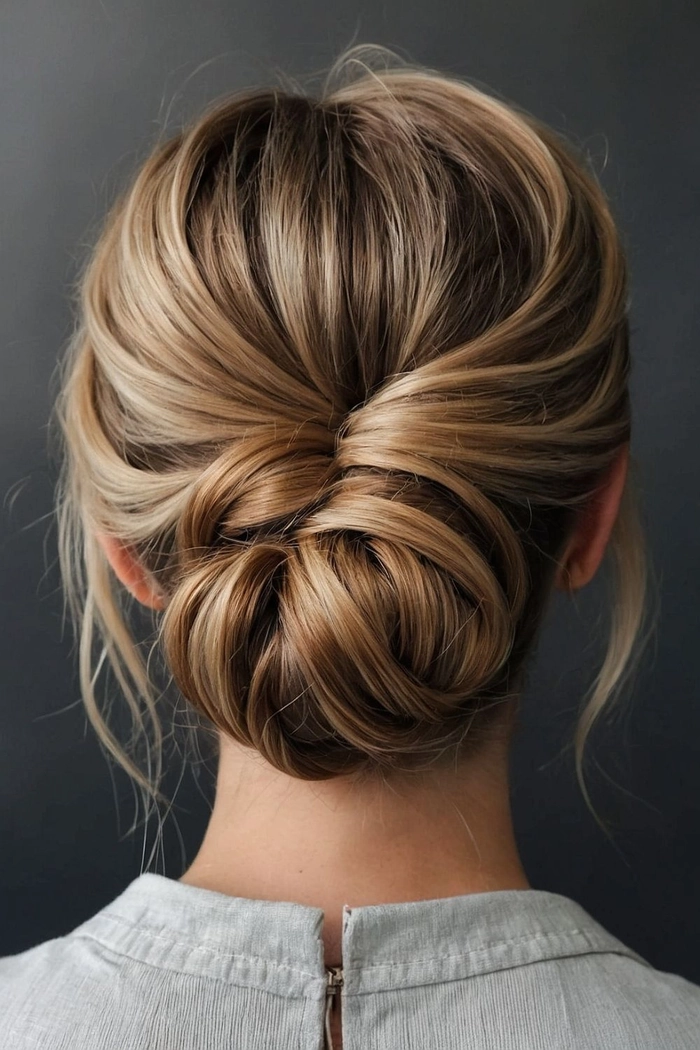 Quick Shoulder-Length Updos for the Office