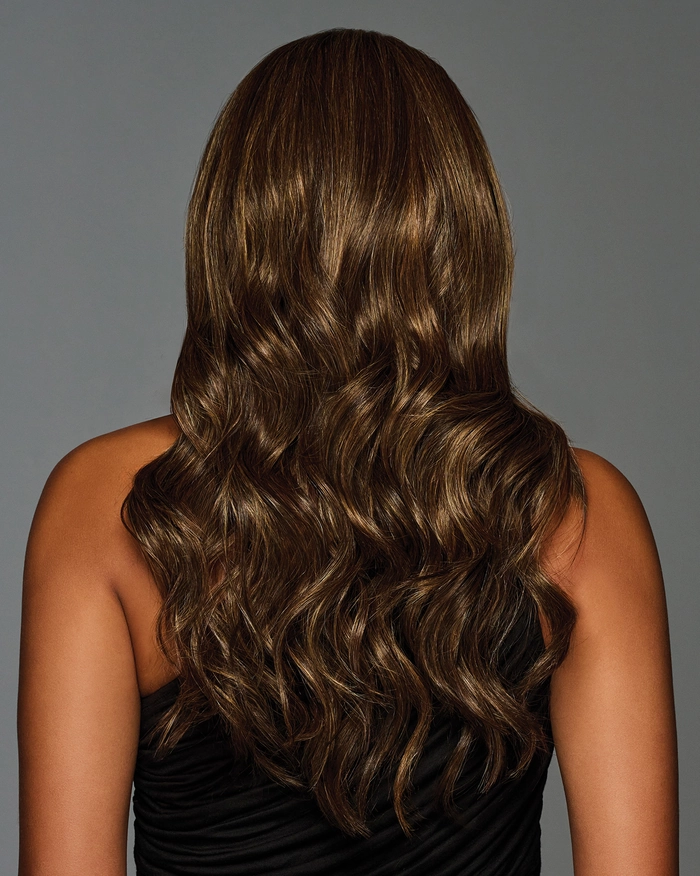
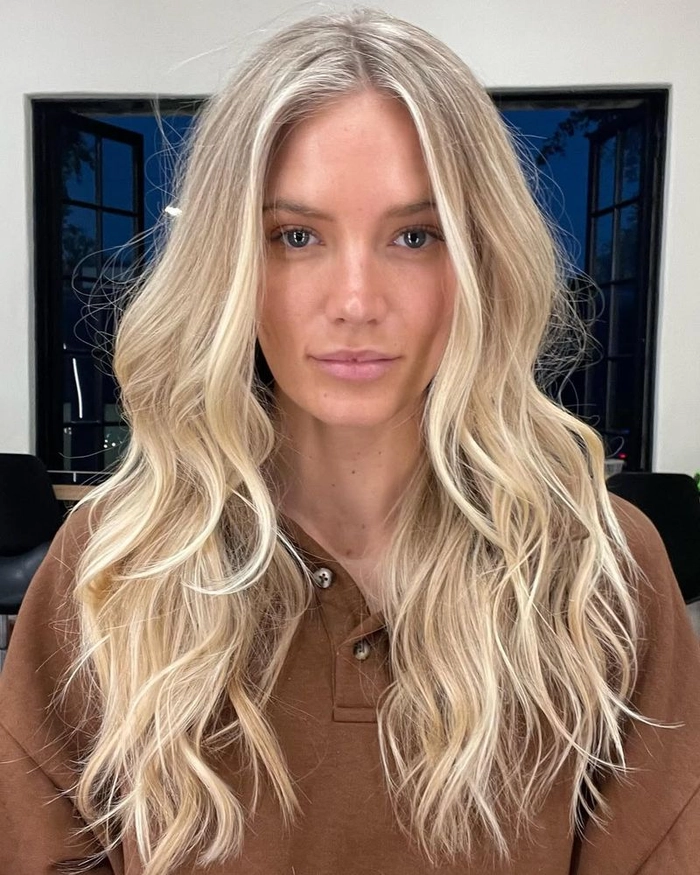
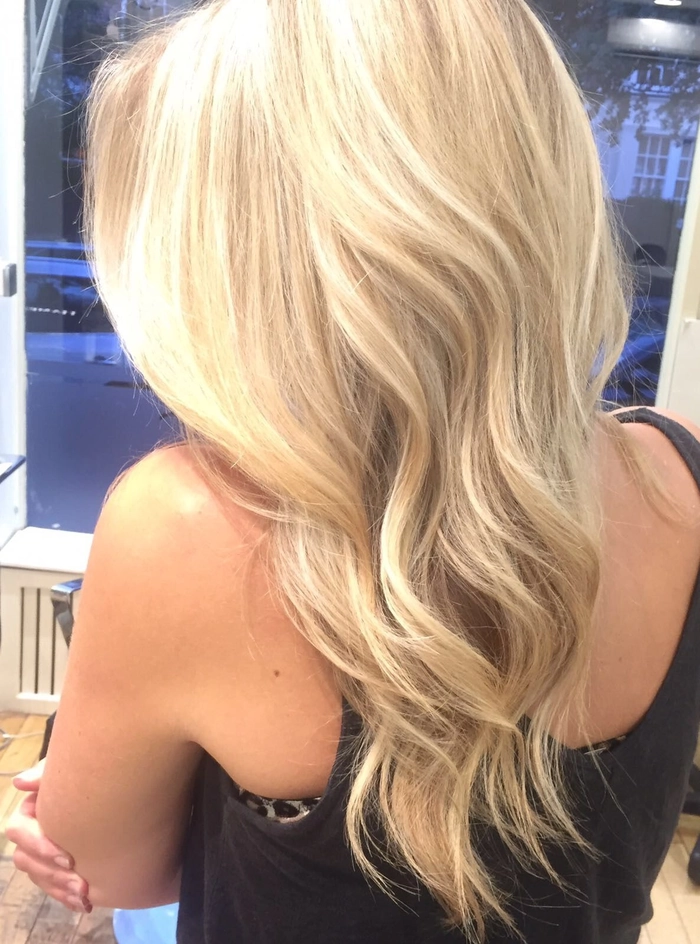
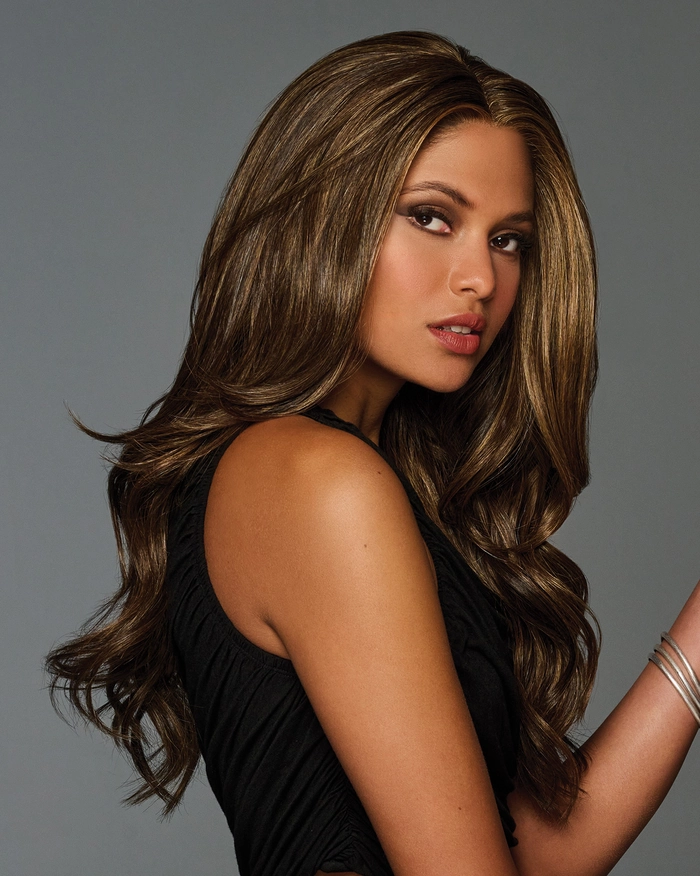
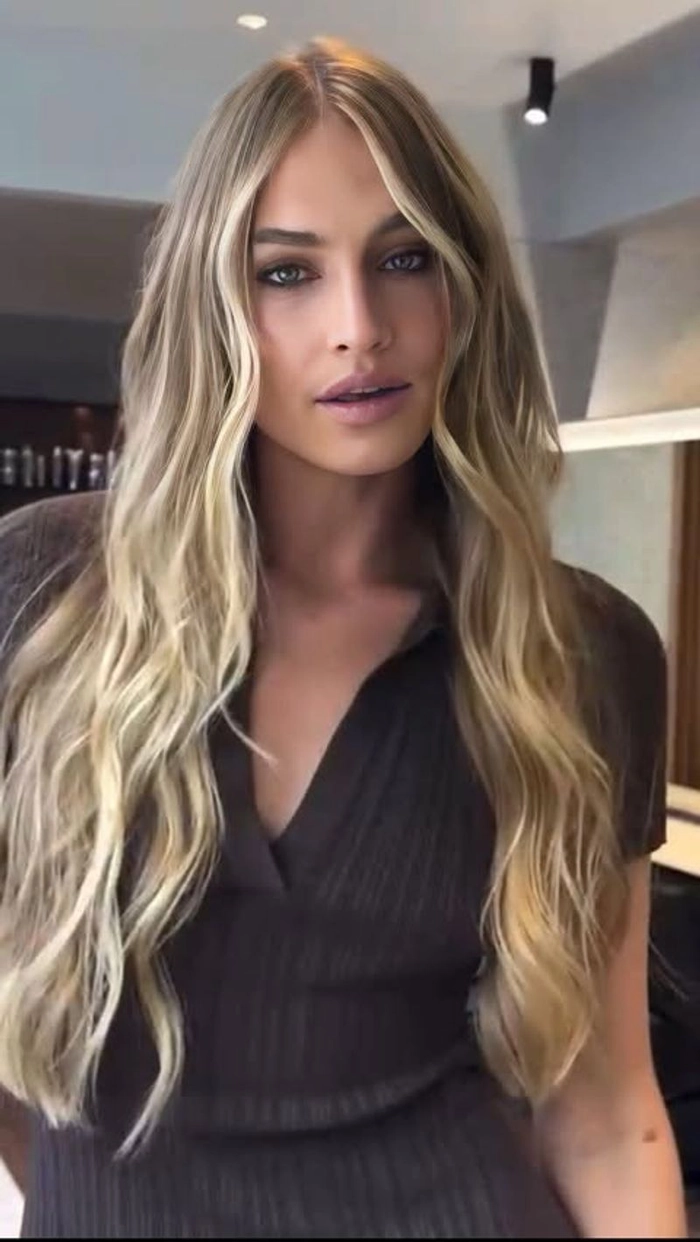
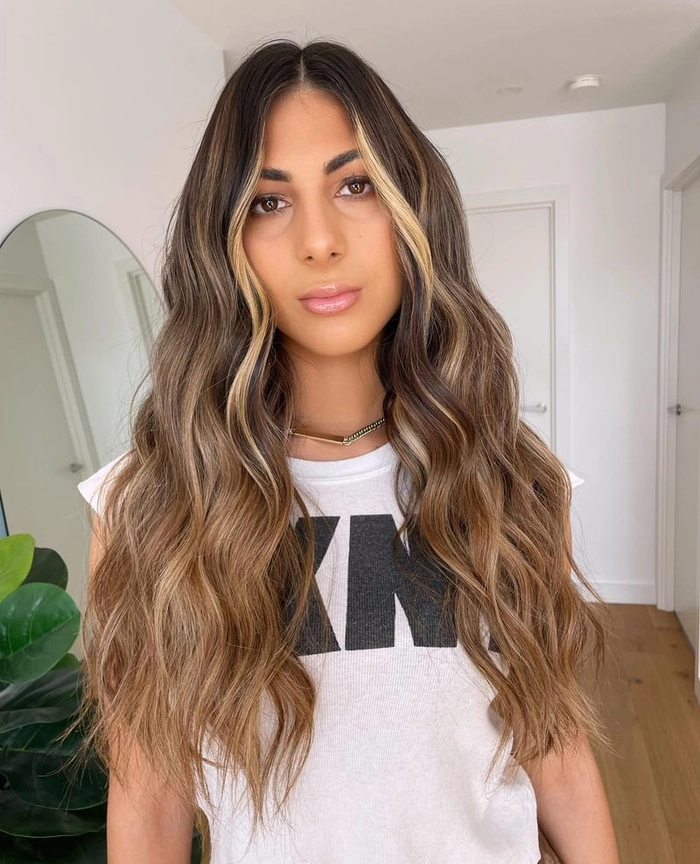
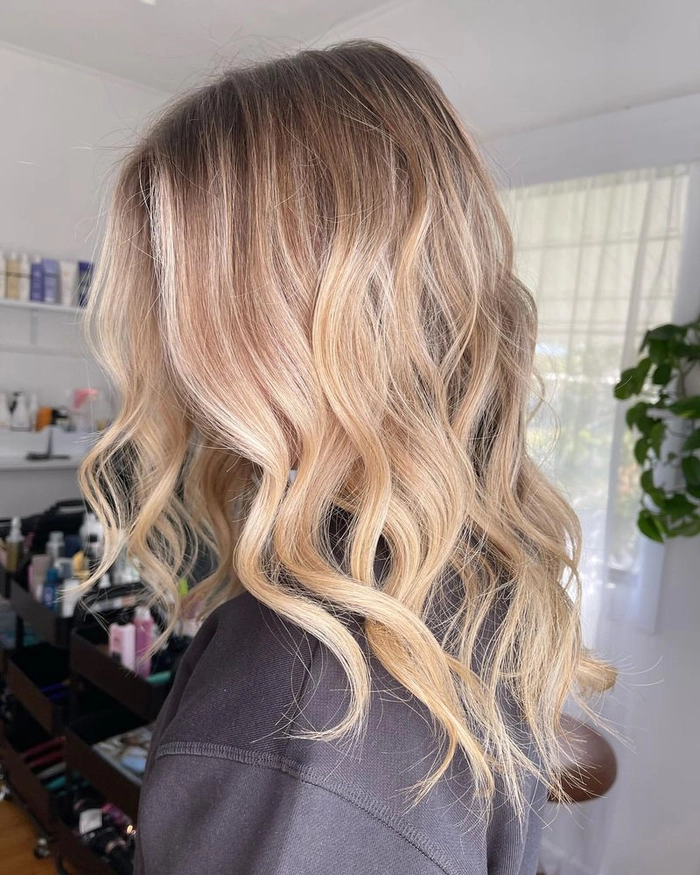
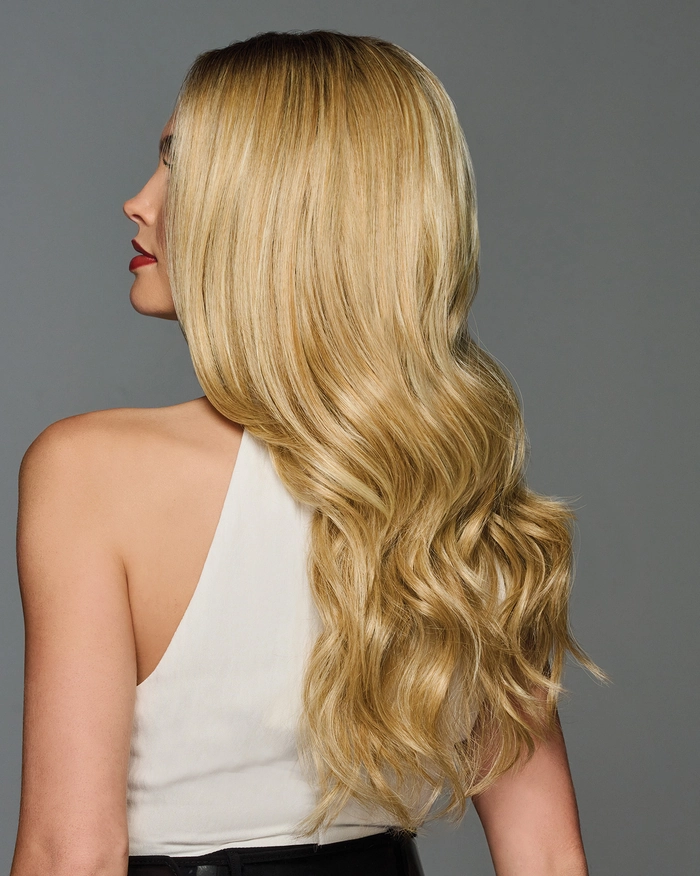
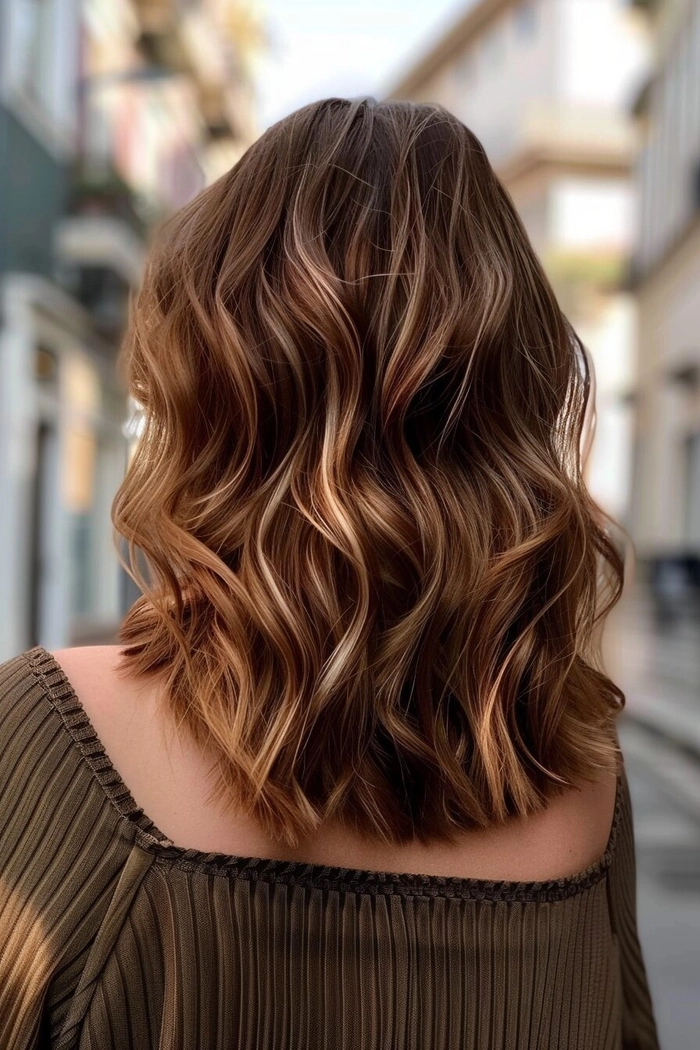
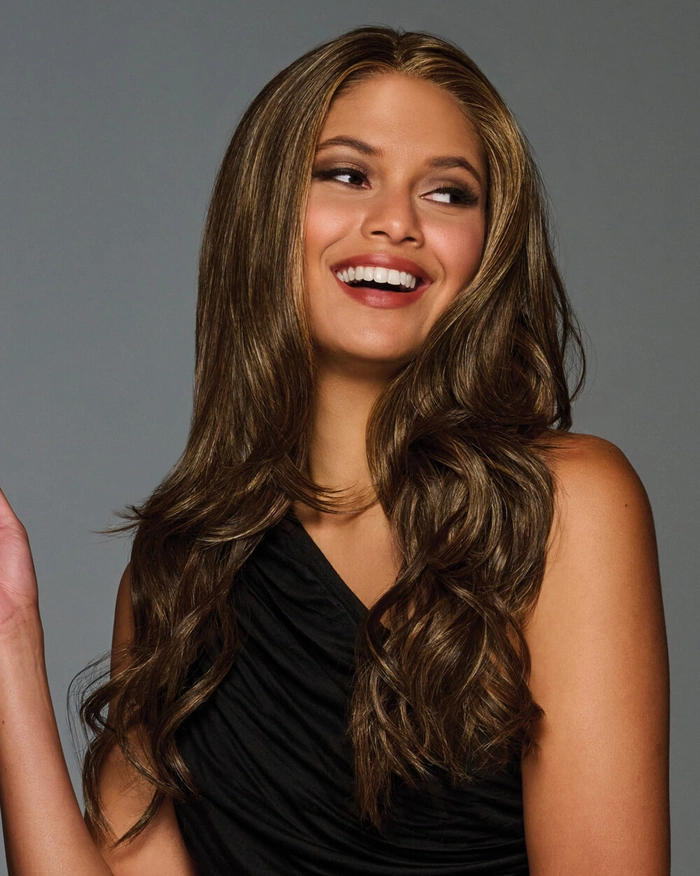
If you've spent hours trying to recreate that effortlessly casual wave you see on social media, you already know the challenge. Relaxed tousled waves for long highlighted hair work because they blend a lived-in texture with enough polish to feel intentional. They move naturally, catch light through the highlights, and fit into real life without requiring a full styling routine every morning. That balance is exactly why this look has stayed popular across different hair types and ages.
Why This Style Works So Well
Long hair gives you the length needed for visible waves, and highlighted hair catches the light in a way that makes the texture look intentional rather than accidental. When you combine that with a tousled finish, you get a hairstyle that looks like it took ten minutes even if it took thirty. The key is knowing how to build the texture without overworking it. Too much product or too much heat creates a stiff wave that feels manufactured. The goal is soft, piece-y definition that follows the cut rather than fighting it.
Matching the Style to Your Face Shape
Not every wave pattern suits every face shape. If you have a round face, longer layers that fall around the chin and collarbone create vertical dimension that subtly elongates. Avoid waves that add width at the cheekbones, since that emphasizes roundness rather than softening it. For oval faces, you have more freedom waves that start anywhere from mid-length down work equally well. If your face is heart-shaped, soften the jawline by keeping the heaviest waves below the chin. Square faces benefit from softer, more irregular wave patterns that break up angular lines at the jaw.
What to Ask Your Stylist Before You Commit
A good salon consultation makes the difference between a style that looks great in the chair and one that looks great three weeks later. Ask your stylist how the cut will behave as it grows out. Will the layers blend smoothly or create choppy steps? Ask about the layering pattern vertical layers create more movement than horizontal ones, which tends to produce a heavier, more retro look. If you have fine hair, ask about point cutting or feathered ends to reduce bulk while keeping texture. If your hair is thick, ask how the layers will reduce weight without sacrificing length. These conversations set realistic expectations and give you a roadmap for at-home styling.
Building the Wave at Home
You do not need a flat iron to create relaxed tousled waves, but a curling wand gives you more control over the outcome. Work with two-inch sections or smaller, wrapping hair loosely around the barrel without tight coils. The angle matters more than the tool alternating the direction of the curls keeps the wave from looking too uniform. After curling, let the hair cool completely before touching it. Running fingers through the curls too soon breaks the structure and creates frizz instead of texture. Once cool, separate the curls gently with your fingers rather than brushing them out. A lightweight serum or cream applied to damp hair before curling adds moisture and helps the wave hold longer without feeling crunchy.
- Use a heat protectant before any curling or blow-drying
- Alternate curl directions for a natural, less staged result
- Let hair cool completely before separating curls
- Apply product to damp hair, not wet hair, for better hold
- Refresh second-day hair with a water spray bottle and a little leave-in conditioner
Keeping the Highlights From Fading
Highlighted hair needs more maintenance than natural color because the processing opens the cuticle and makes it more porous. Use a sulfate-free shampoo and a deep conditioning mask once a week to keep the color bright and the hair healthy. When you use hot tools, a weekly heat protectant spray keeps the highlights from drying out and turning brassy. If you swim regularly, wet your hair with clean water before getting in the pool your hair absorbs less chlorinated water that way, which protects both the tone and the wave pattern.
Quick Fixes for Second-Day Hair
Not every day needs a full styling session. For second-day waves, mist the hair lightly with water to reactivate the product already in it. Focus on the mid-lengths and ends where the wave matters most. A small amount of dry texture spray or a lightweight pomade worked through the ends adds grip and refreshes the tousled look without building product overload. Twist sections loosely and pin them up for twenty minutes if you need the wave to reset before going out.
For a faster approach that still looks intentional, try a quick high ponytail variation smooth the top and let the lengths fall loose, which creates a flattering silhouette without any additional styling time. You can explore more quick styling variations for casual days in our guide to everyday shoulder-length hair styling for minimal effort. Whether you have fine hair that needs volume or thick hair that needs movement, a tousled finish adapts to what you actually have rather than demanding perfection from the start.
The best relaxed tousled waves for long highlighted hair feel personal. They work with your natural texture, match your daily routine, and require just enough upkeep to stay fresh without becoming a chore. Start with what your hair does naturally, build from there, and adjust as you learn what works for your specific type and lifestyle.
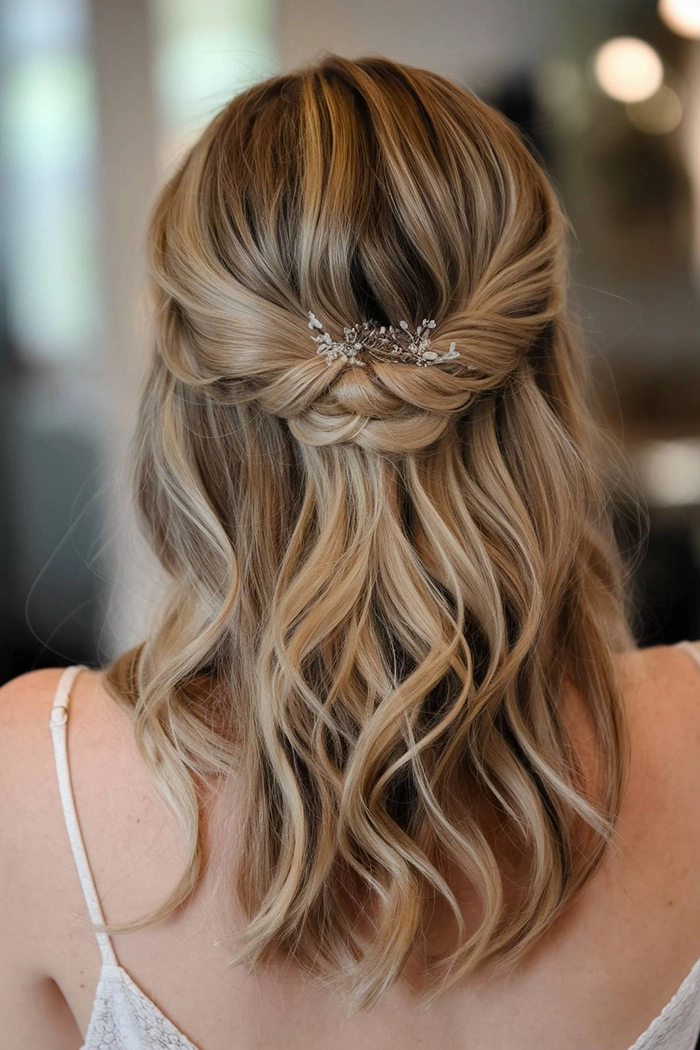 Easy Half Up Half Down Hairstyles for Medium Hair Days
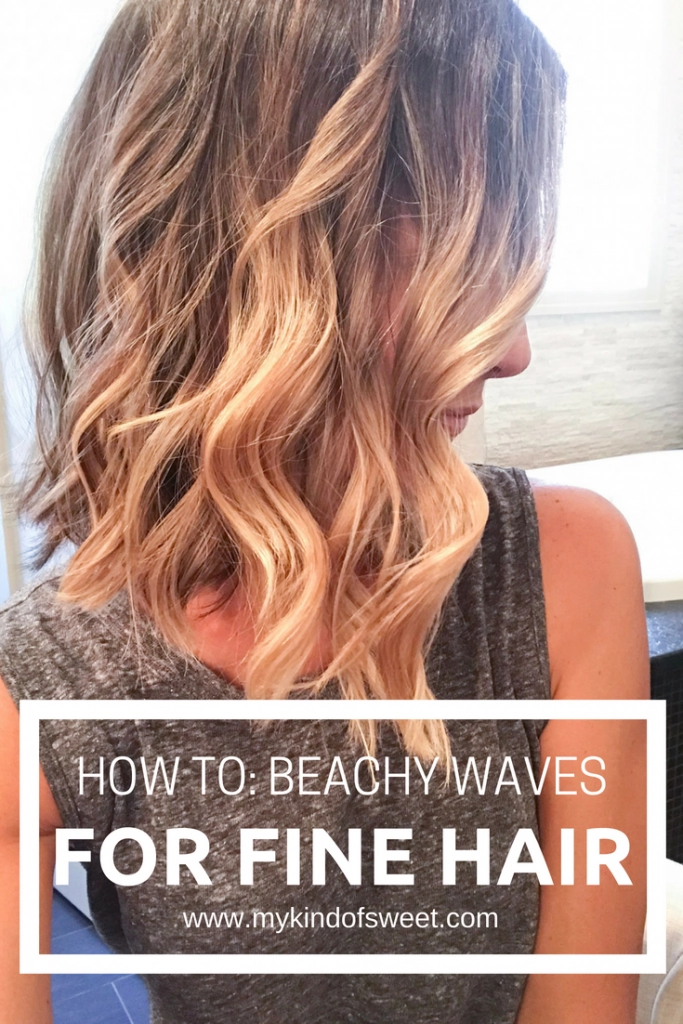 Effortless Beach Wave Hairstyles Perfect for Fine Hair
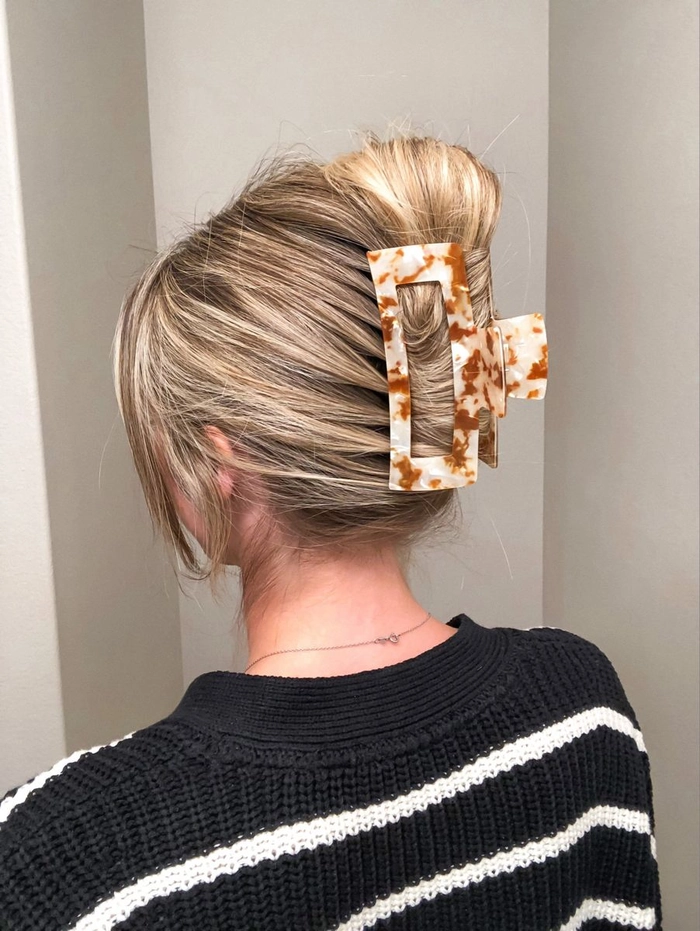 Effortless Claw Clip Hairstyles for Thick Hair You’ll Love
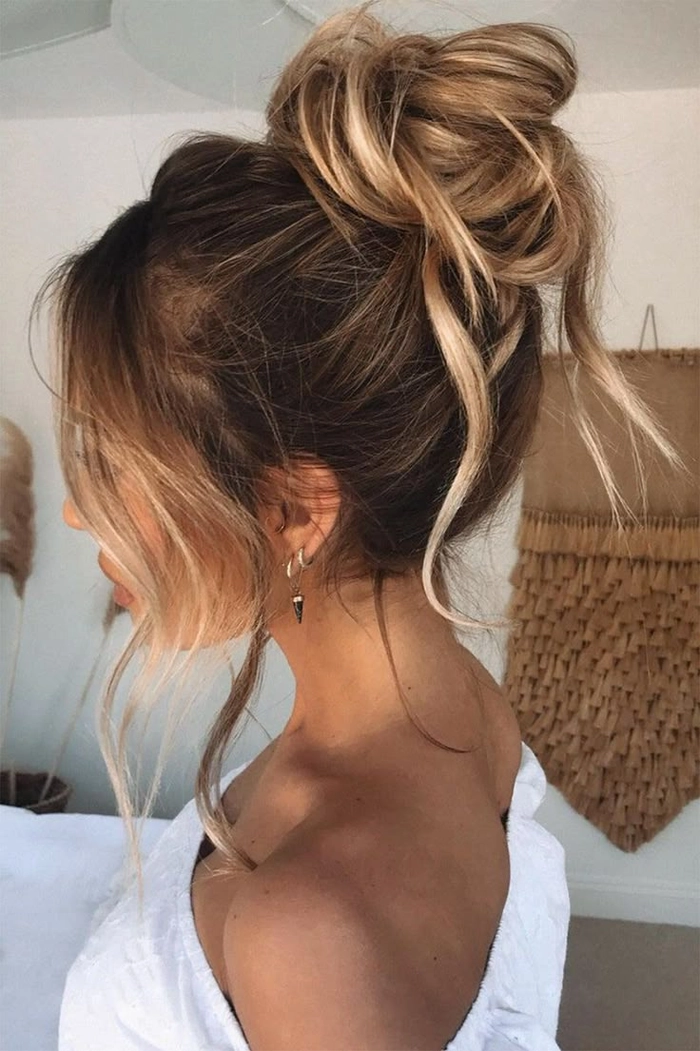 Effortless Casual Messy Bun Styles for Long Hair Ideas
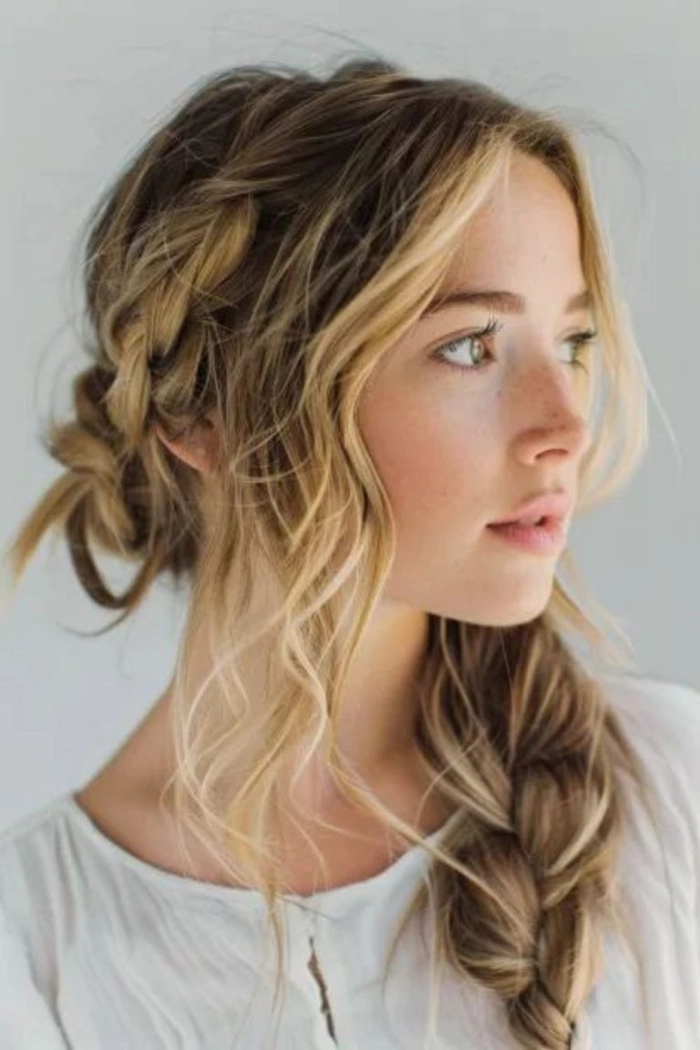 Effortless Braided Hairstyles Perfect for College Days
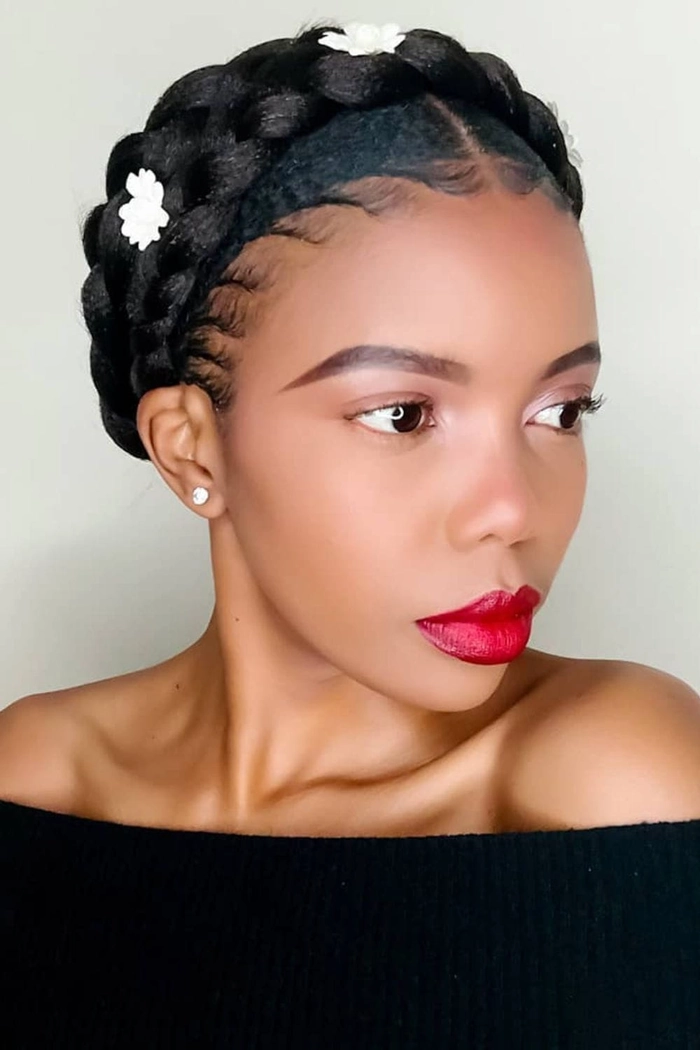 Effortless Casual Halo Braid Styles Perfect for Summer Trips