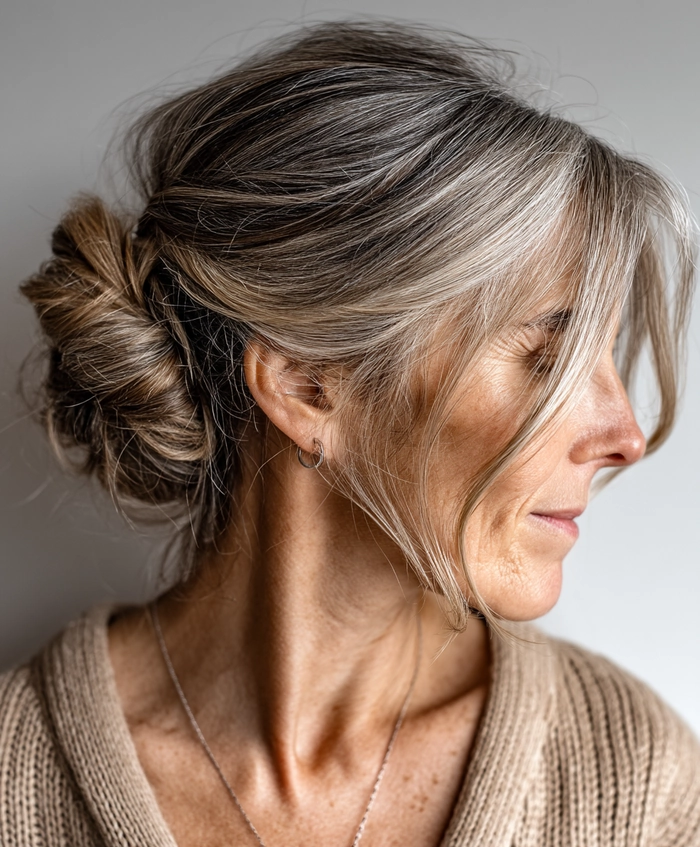
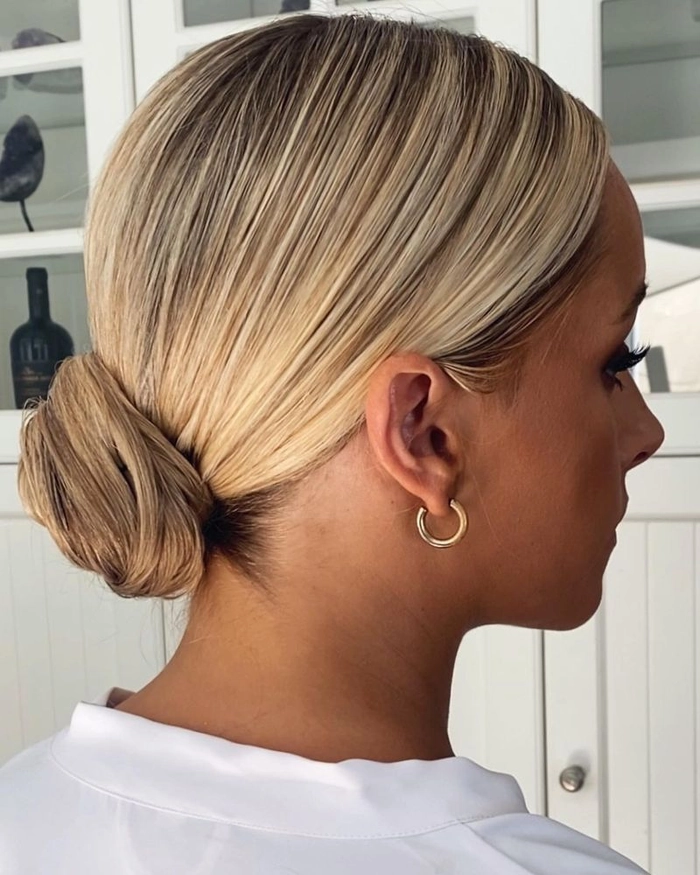
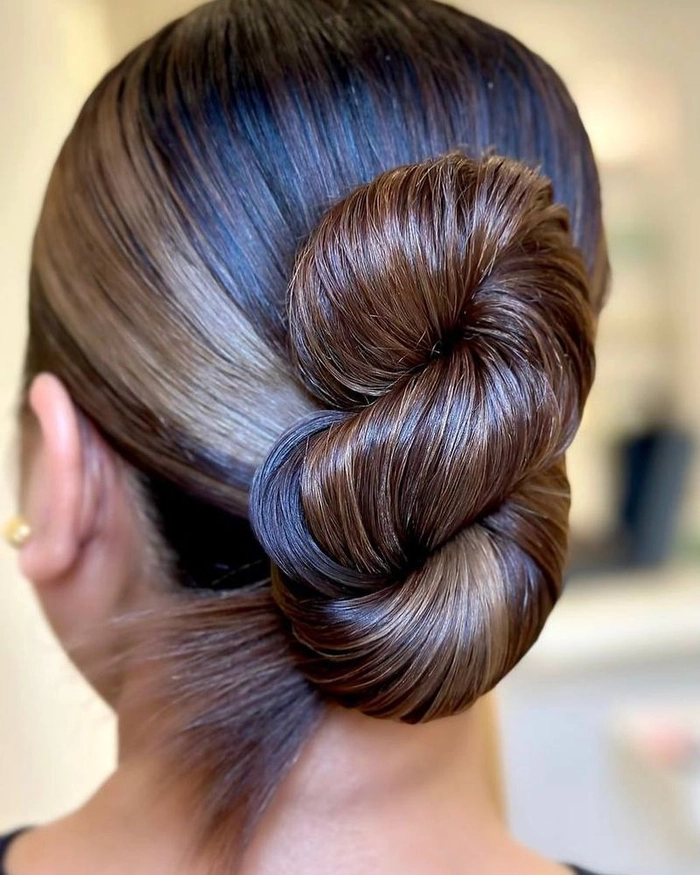
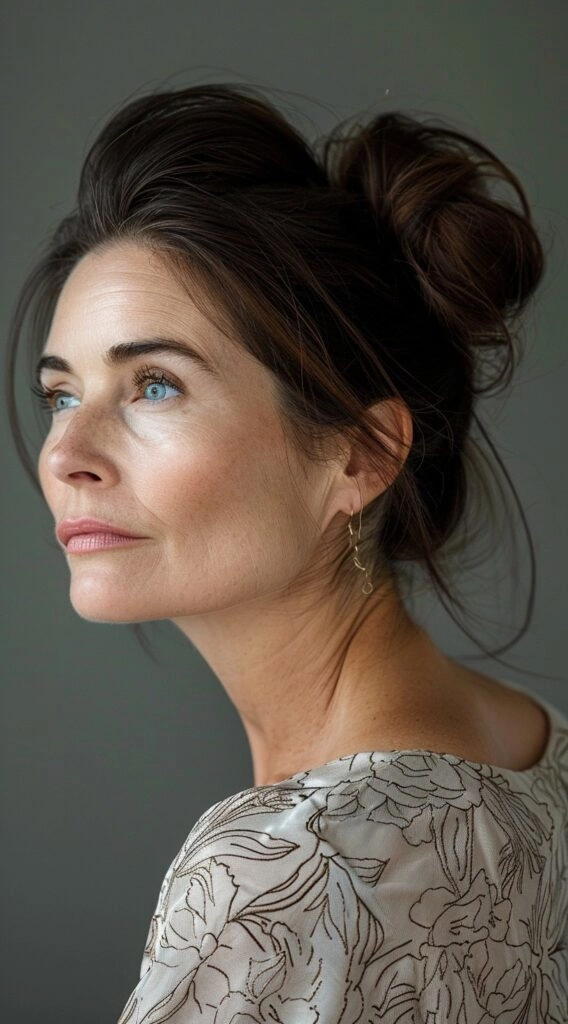
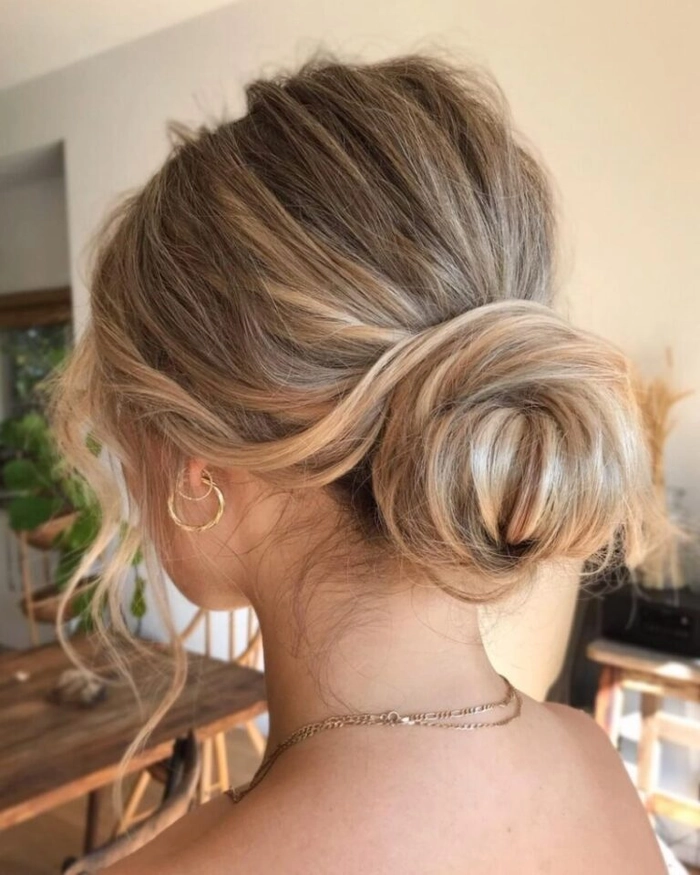
If you have been looking for a hairstyle that feels polished without requiring constant attention, a relaxed low bun might be exactly what you need. Women over 40 often want hairstyles that work with their natural hair texture, fit their daily routine, and look professional without needing a salon visit every few days. A low bun checks all those boxes, and it can be adapted to match different face shapes, hair lengths, and personal styles.
Why a Low Bun Works Well After 40
As hair texture changes with age, many women notice their strands become finer, drier, or more prone to frizz. A low bun helps manage these challenges by keeping hair contained and reducing exposure to humidity and environmental stressors. It also works beautifully with layered hair, whether you have shoulder-length cuts or longer styles that need some control. The key is choosing a version that complements your specific hair type rather than fighting against it.
Beyond practicality, a relaxed low bun offers versatility. You can wear one to a grocery run, a work meeting, or a dinner out. With a few simple adjustments, the same basic style can go from casual daytime to something more elegant for special occasion hair moments.
Choosing a Style Based on Your Face Shape
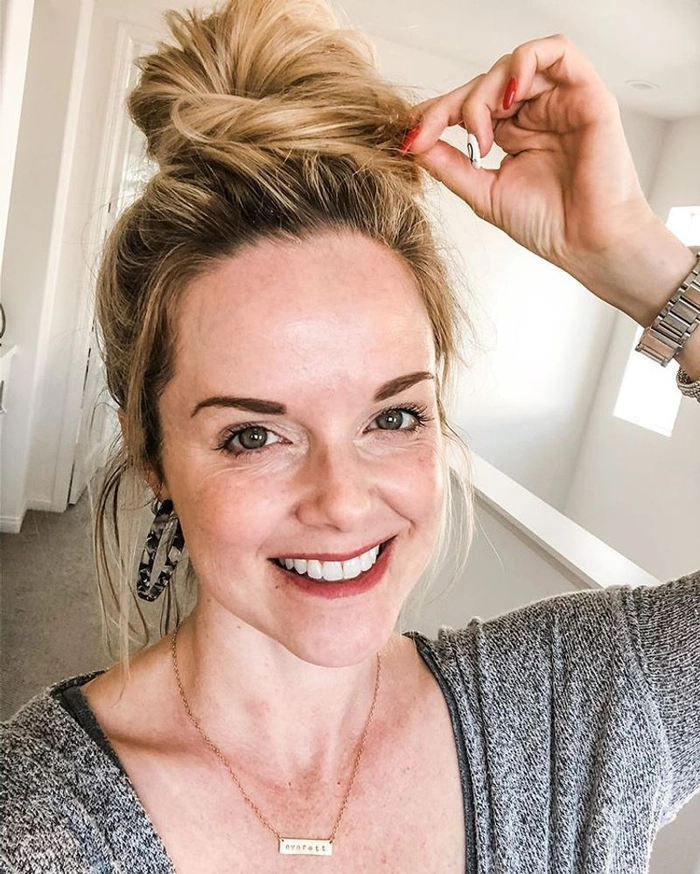
Understanding your face shape makes a big difference when selecting any hairstyle, including low buns. If you have a round face, a slightly higher or slightly off-center low bun can add height and create a more elongated look. For an oval face, almost any placement works well, so you can experiment freely with different positions and textures. If your face is more square, a softer, messier bun with some face-framing pieces tends to look more flattering than a very tight, structured style.
Heart-shaped faces often benefit from low buns that add volume at the back rather than the sides. For longer faces, a bun positioned slightly to the side can break up the vertical lines and add horizontal balance.
Matching Your Style to Hair Texture and Length
Fine hair often benefits from a slightly tighter bun with some texture spray to add grip. If your hair is thicker or coarser, a looser, messier bun usually looks more natural and is easier to achieve. For those with layered hair, incorporating some of the shorter layers into the bun can create visual interest and prevent them from falling out awkwardly.
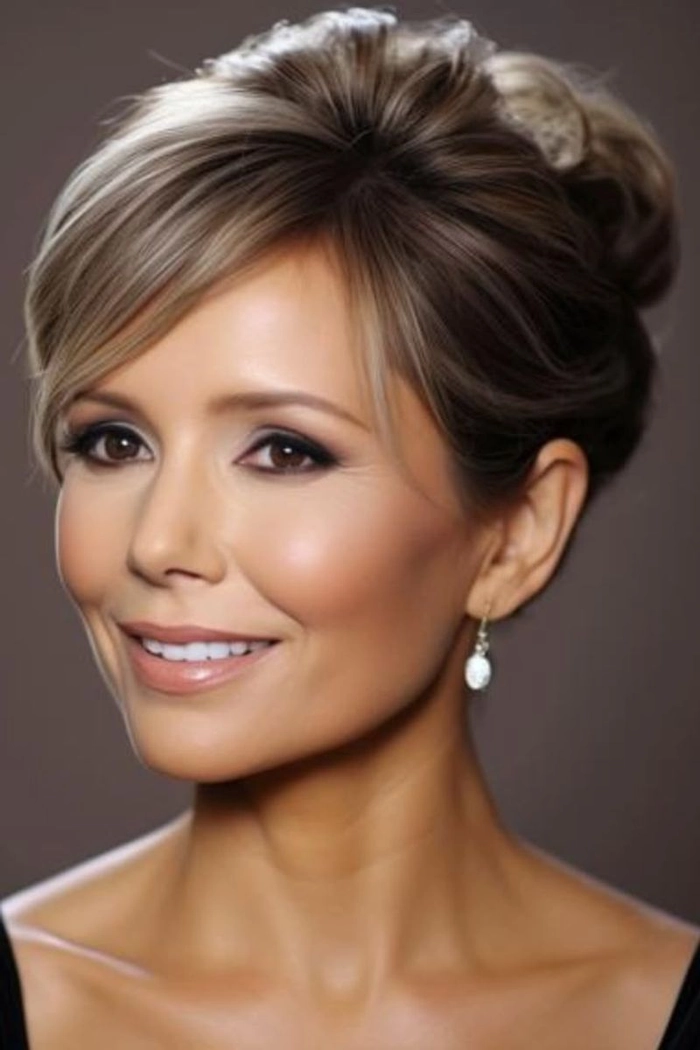
If you have very short layers around your face, consider adding hair accessories like pins or scarves to keep everything in place. These accessories can also serve as a stylish focal point when you do not have enough length to create a full dramatic bun.
Styling Tips for a Polished Look at Home
Getting a relaxed low bun to look intentional rather than rushed takes a few simple steps. Start with hair that is slightly dry or has some texture, as freshly washed hair can be too slippery to hold a bun well. A quick blast of texturizing spray or a light mouse can make a significant difference.
Use an elastic that matches your hair color to keep the base discrete. After securing your hair, do not pull it too tightly at the scalp. Leaving some softness at the hairline looks more modern and is gentler on aging hair that may be more fragile. Gently loosen a few pieces around your face for a more relaxed feel.
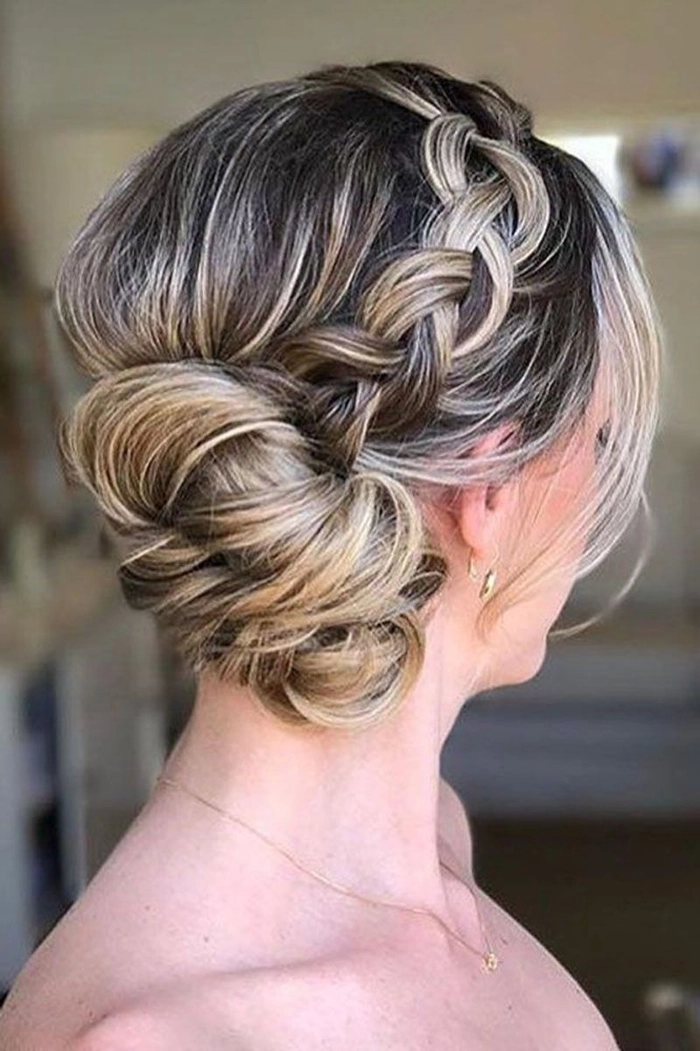
If you want to add hair color ideas into the look, consider highlighting techniques that create dimension in the bun itself. Subtle highlights can make a simple bun look more sophisticated without requiring high maintenance.
What to Ask a Stylist Before Making Changes
Before committing to a new look, a salon consultation can help you understand what works best for your hair type and lifestyle. Ask your stylist how a specific low bun style would work with your current haircut ideas and whether any layering or texturing would make the style easier to manage.
Discuss your styling routine honestly. If you only have five minutes in the morning, say so. A good stylist can recommend a low bun variation that does not require elaborate prep or products. Ask about which styling products they recommend for your specific hair texture to help the bun hold without looking stiff.
Common Mistakes to Avoid
- Pulling the bun too tight, which can cause headaches and hair breakage over time.
- Using only one hair tie without any support, leading to the bun slipping throughout the day.
- Skipping a moisturizing routine, especially if your hair tends to be dry or brittle.
- Choosing a style that requires heat styling every time, which adds unnecessary stress to aging hair.
Keeping Your Low Bun Fresh Throughout the Day
Even the best low bun can lose its shape after several hours. Keep a few bobby pins and a small compact mirror in your bag for quick touch-ups. If you notice flyaways, a tiny bit of smoothing serum or dry shampoo applied to your fingertips can tame them instantly.
For those with textured or curly hair, exploring other everyday hairstyles that complement your natural pattern can expand your options. You might find that a variation like a casual milkmaid braid offers a similar polished feel with different styling benefits. Similarly, a simple rope braid ponytail can work when you want something quick but slightly different from your usual bun.
If you prefer shorter styles, a defined coils approach might give you better results than forcing a bun that your hair length cannot support comfortably.
Building a Simple Hair Care Routine
Maintaining healthy hair makes any low bun look better. Incorporate a weekly deep conditioning treatment, especially if you color or heat style your hair. Keep trimming split ends regularly, as damaged ends make buns look frizzy and unfinished. A quality leave-in conditioner can help keep your hair smooth and manageable throughout the day.
When planning your hair care tips for the week, remember that protective styles like low buns work best when your hair is already in good condition. Do not rely on the bun to hide problems; address them with a consistent care routine instead.
A relaxed low bun for women over 40 is not about following a trend. It is about finding a practical, flattering style that fits your life. Start with a simple version, experiment with placement and accessories, and adjust based on what works best for your hair texture and face shape. Your perfect low bun is out there, and it probably requires less effort than you think.
 Easy Half Up Half Down Hairstyles for Medium Hair Days
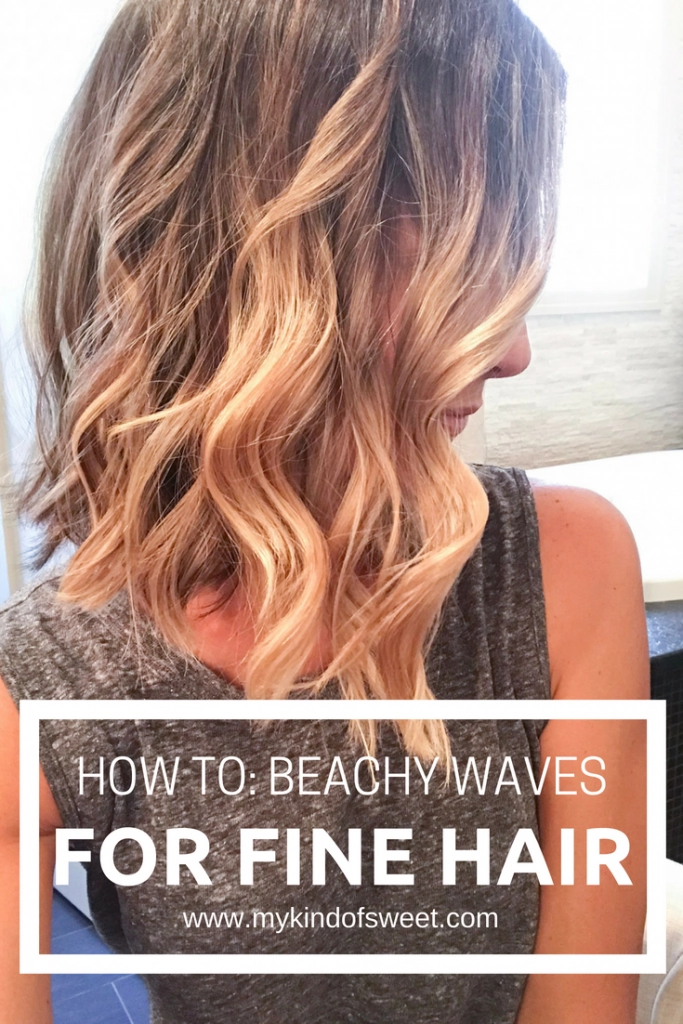 Effortless Beach Wave Hairstyles Perfect for Fine Hair
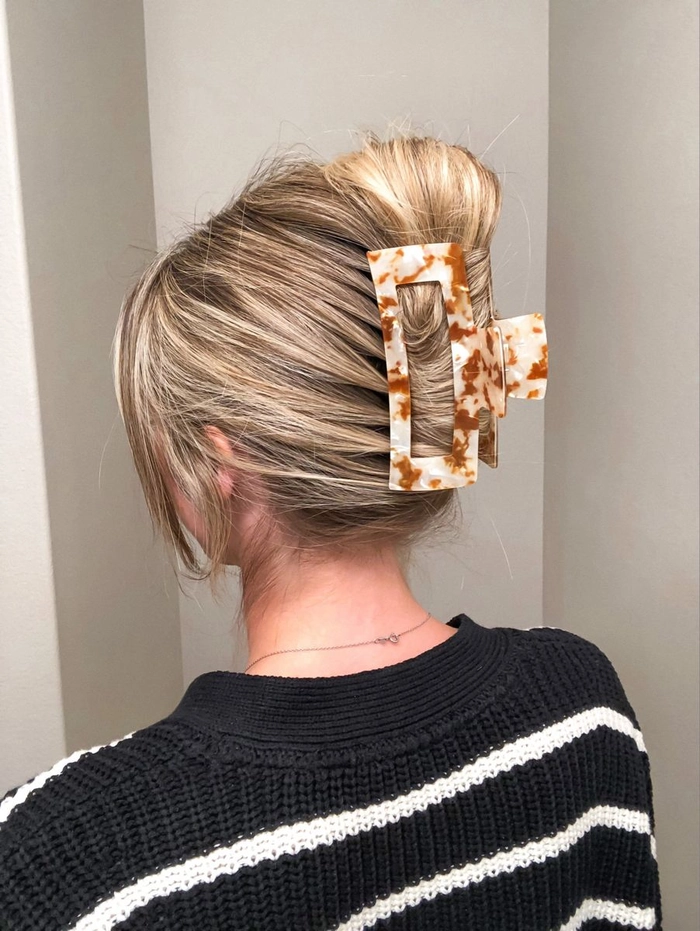 Effortless Claw Clip Hairstyles for Thick Hair You’ll Love
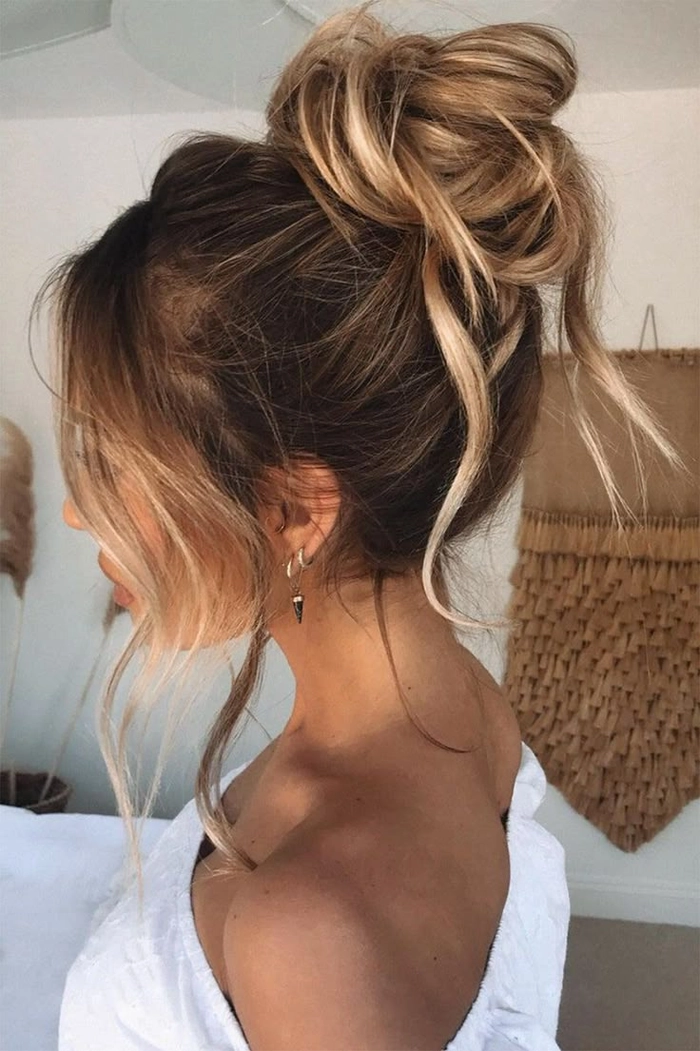 Effortless Casual Messy Bun Styles for Long Hair Ideas
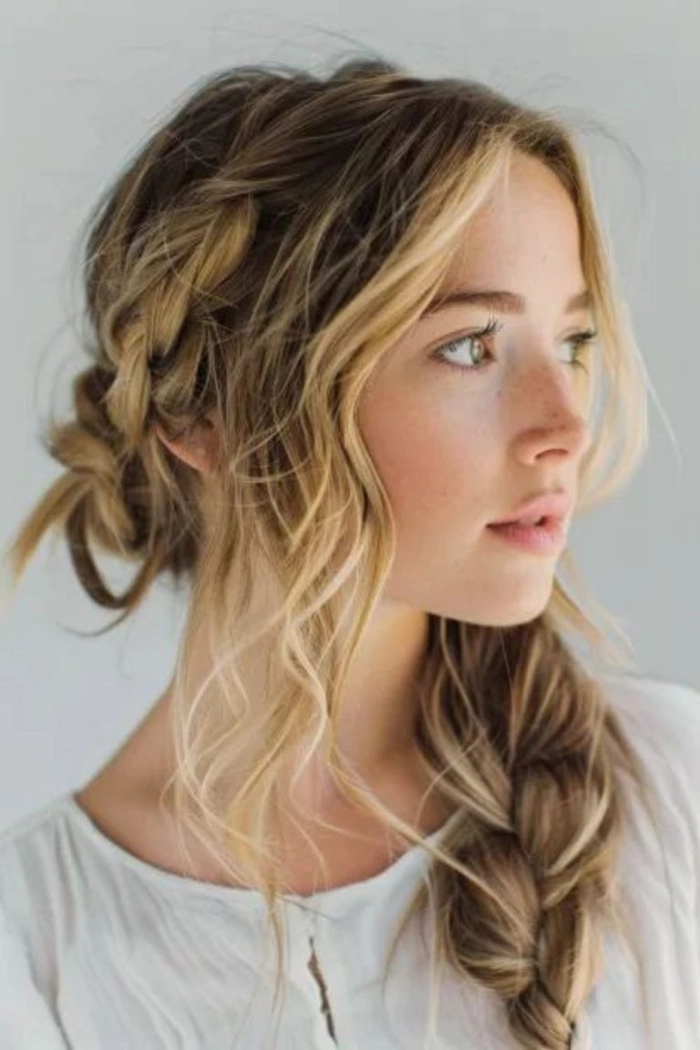 Effortless Braided Hairstyles Perfect for College Days
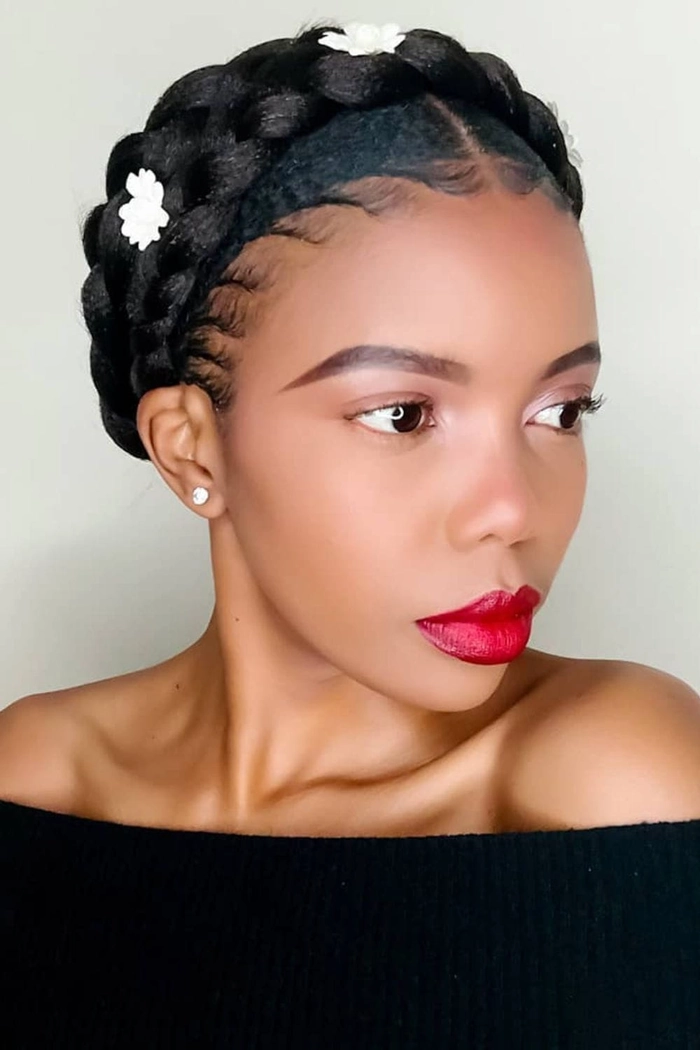 Effortless Casual Halo Braid Styles Perfect for Summer Trips