- .
We need to keep between 600-700 words. Let's target ~650 words. We must not exceed 700 words.
We must avoid generic filler. Let's start.
Paragraph 1: direct intro. Maybe 2-3 sentences. Must not be heading. Must start with paragraph tag.
Now build article.
Make sure use
for paragraphs. Use
for headings. Use bold for key points, italic , underline . Use bullet list
- . Use anchor ....
Make sure we embed internal links as natural sentences, not as stand-alone.
Let's write.
We'll start with a short engaging paragraph. Something like:
"If you love the look of soft, defined curls but want a style that feels effortless, a relaxed braid out for natural coils might be exactly what you need. This technique lets you keep your texture intact while achieving a polished, low‑maintenance look that works for everyday errands, casual hangouts, and even special occasions."
Now section "Why a Relaxed Braid Out Works for Natural Coils". Explanation.
Then "Choosing the Right Braid Size and Pattern". Use hair texture, length.
Then "Matching the Style to Your Face Shape". Use face shape.
Then "Step‑by‑Step Styling Tips". Use bullet list.
Then "Keeping the Look Fresh Between Wash Days". Use maintenance tips.
Then "Common Mistakes to Avoid". Use bullet list.
Then "What to Ask Your Stylist Before Committing". Mention salon consultation.
Then conclusion.
Word count: Let's roughly write about 650 words.
Now ensure internal links: We'll add one or two per section. We'll integrate anchor text like "our guide to effortless piecey layers for casual shag haircuts" linking to that URL.
Make sure anchor text is natural, not exact match.
Also for other URLs, anchor text like "if you prefer an edgier look, check out effortless textured pixie looks for edgy casual style" linking.
Make sure anchor text integrates into the sentence, not placed after a period alone. Also avoid generic CTA like "click here".
Also note: internal linking rules: "Do NOT place links as standalone or appended phrases." So embed anchor within the sentence.
Now produce final HTML. Ensure all tags properly closed.
Let's write.
Start:
If you love ...
... heading ...
Proceed. Check bullet list:- ...... ...
- ...
...
. Now let's draft. Word count: Let's do rough counting. Paragraph 1: about 70 words. Section headings will add no words to count. Section paragraphs: maybe 120-150 each. We'll write about 650 words. We'll ensure we include LSI keywords naturally: "hairstyle inspiration," "haircut ideas," "hair texture," "face shape," "hair length," "styling routine," "low-maintenance hairstyles," "layered hair," "bangs," "hair color ideas," "salon consultation," "everyday hairstyles," "special occasion hair," "hair care tips," "styling products." We'll embed them. Now start drafting. ----If you love the look of soft, defined curls but want a style that feels effortless, a relaxed braid out for natural coils might be exactly what you need. This technique lets you keep your texture intact while achieving a polished, low‑maintenance look that works for everyday errands, casual hangouts, and even special occasion hair.
Why a Relaxed Braid Out Fits Natural Coils
Natural coils are often tightly curled, which means they can shrink and appear bulky when styled with tight braids. A relaxed braid out uses larger sections and a gentler tension, allowing the hair to expand into a softer pattern that showcases the coil’s shape without causing damage. Because the style relies on the hair’s own texture, you get a hair care tip that reduces heat use and keeps moisture locked in.
If you’re looking for hairstyle inspiration that feels modern and versatile, this method delivers a look that can be dressed up with a simple headband or left plain for a carefree vibe.
Choosing the Right Braid Size and Pattern
The size of each braid determines how big the resulting waves will be. Larger braids create loose, sweeping curls that work well for longer hair length and thicker textures, while smaller braids produce tighter, defined curls that suit shorter cuts or layered hair. When you decide on a pattern, consider whether you want a uniform look or a more random, textured effect.
For a subtle variation, try mixing a few “face‑framing” braids near the front with larger braids toward the back. This technique can complement different face shape preferences, adding dimension without overwhelming the jawline.
Matching the Style to Your Face Shape
Your face shape influences how the waves frame your features. If you have an oval face, almost any braid size will look balanced, while a round face may benefit from longer, vertical curls that elongate the silhouette. A heart‑shaped face often looks great with softer curls around the cheeks, and a square face can be softened by waves that add width at the temples.
When you’re unsure, a quick salon consultation can help you visualize how different braid patterns interact with your bone structure and hair texture. Even a brief conversation with a stylist can clarify whether you should focus on a low‑maintenance style or something that needs a bit more daily upkeep.
Step‑by‑Step Styling Tips
Follow these actionable steps to create a polished relaxed braid out at home:
- Start on clean, moisturized hair; apply a lightweight leave‑in conditioner and a small amount of styling cream to keep curls defined without weighing them down.
- Section hair into square or triangular parts, using clips for the top, middle, and nape areas.
- Take each section and braid loosely, leaving about a half‑inch of hair at the ends unbraided to prevent crimping.
- If you want extra layered hair definition, wrap a satin scarf around the braids while you sleep; this reduces frizz and preserves the shape.
- Once dry (or after a few hours), undo the braids gently, starting from the ends and working upward to maintain the wave pattern.
- Separate the curls with your fingers or a wide‑tooth comb to achieve the desired volume, then finish with a light serum or oil to lock in shine.
If you prefer a more structured look, consider adding a casual braided headband as a decorative touch. You can find easy tutorials on how to style a casual braided headband looks for long straight hair that work well with this braid out.
Keeping the Look Fresh Between Wash Days
One of the biggest advantages of a relaxed braid out is that it can be revived quickly. To maintain the shape:
- Sleep on a satin pillowcase or wrap your hair in a silk scarf to prevent flattening.
- Use a dry shampoo or a lightweight conditioner spray on the roots to absorb excess oil without disrupting the curl pattern.
- Re‑braid a few sections overnight if you notice the curls beginning to loosen, then unravel them again in the morning.
These habits extend the life of the style, letting you go several days without a full wash while still looking put‑together.
Common Mistakes to Avoid
- Over‑tight braiding: This can cause tension, leading to breakage and reduced curl definition.
- Skipping moisturiser: Without adequate hydration, coils may frizz and lose shape quickly.
- Using heat on damp hair: Even low‑heat tools can cause damage if the hair is still wet; always let braids dry fully before applying heat.
By staying mindful of these pitfalls, you’ll enjoy a smoother styling routine and healthier hair overall.
What to Ask Your Stylist Before Committing
If you’re thinking about making the relaxed braid out a regular part of your everyday hairstyles rotation, here are a few questions worth discussing during a salon consultation:
- Which braid size will best complement my hair texture and hair length?
- Can you show me how to maintain the style at home, including product recommendations that won’t weigh down my coils?
- Do you recommend any hair color ideas that will blend well with the waves, such as subtle low‑lights or balayage?
- What is the expected longevity of the style, and how can I protect it during workouts or humid weather?
Getting clear answers will help you decide whether a relaxed braid out fits your lifestyle and hair goals.
Putting It All Together
A relaxed braid out offers a versatile, low‑maintenance hairstyle that celebrates the natural beauty of coils while giving you flexibility for different occasions. By matching the braid size to your hair length, considering your face shape, and following a simple maintenance routine, you can enjoy soft, defined curls that last for days.
If you’re ready to try something new, start with a small section at the front, test the look for a day, and adjust the pattern as needed. For more hairstyle inspiration that pairs well with braid outs, explore our guides on effortless piecey layers for casual shag haircuts and effortless textured pixie looks for edgy casual style. You might also like the effortless layered curtain bangs with casual loose waves tutorial or our tips for an everyday messy top knot for second‑day hair.
---- Now ensure word count ~650. Let's count roughly: I need to ensure 600-700 words. Let's count approximate words manually. Paragraph 1: "If you love the look of soft, defined curls but want a style that feels effortless, a relaxed braid out for natural coils might be exactly what you need. This technique lets you keep your texture intact while achieving a polished, low‑maintenance look that works for everyday errands, casual hangouts, and even special occasion hair." Words: If(1) you2 love3 the4 look5 of6 soft,7 defined8 curls9 but10 want11 a12 style13 that14 feels15 effortless,16 a17 relaxed18 braid19 out20 for21 natural22 coils23 might24 be25 exactly26 what27 you28 need.29 This30 technique31 lets32 you33 keep34 your35 texture36 intact37 while38 achieving39 a40 polished,41 low‑maintenance42 look43 that44 works45 for46 everyday47 errands,48 casual49 hangouts,50 and51 even52 special53 occasion54 hair55. So about 55 words. Section "Why a Relaxed Braid Out Fits Natural Coils" paragraph 1: "Natural coils are often tightly curled, which means they can shrink and appear bulky when styled with tight braids. A relaxed braid out uses larger sections and a gentler tension, allowing the hair to expand into a softer pattern that showcases the coil’s shape without causing damage. Because the style relies on the hair’s own texture, you get a hair care tip that reduces heat use and keeps moisture locked in." Count: Natural1 coils2 are3 often4 tightly5 curled,6 which7 means8 they9 can10 shrink11 and12 appear13 bulky14 when15 styled16 with17 tight18 braids.19 A20 relaxed21 braid22 out23 uses24 larger25 sections26 and27 a28 gentler29 tension,30 allowing31 the32 hair33 to34 expand35 into36 a37 softer38 pattern39 that40 showcases41 the42 coil’s43 shape44 without45 causing46 damage.47 Because48 the49 style50 relies51 on52 the53 hair’s54 own55 texture,56 you57 get58 a59 hair60 care61 tip62 that63 reduces64 heat65 use66 and67 keeps68 moisture69 locked70 in71. So ~71 words. Paragraph 2: "If you’re looking for hairstyle inspiration that feels modern and versatile, this method delivers a look that can be dressed up with a simple headband or left plain for a carefree vibe." Count: If1 you’re2 looking3 for4 hairstyle5 inspiration6 that7 feels8 modern9 and10 versatile,11 this12 method13 delivers14 a15 look16 that17 can18 be19 dressed20 up21 with22 a23 simple24 headband25 or26 left27 plain28 for29 a30 carefree31 vibe32. ~32 words. Section "Choosing the Right Braid Size and Pattern": Paragraph 1: "The size of each braid determines how big the resulting waves will be. Larger braids create loose, sweeping curls that work well for longer hair length and thicker textures, while smaller braids produce tighter, defined curls that suit shorter cuts or layered hair. When you decide on a pattern, consider whether you want a uniform look or a more random, textured effect." Count: The1 size2 of3 each4 braid5 determines6 how7 big8 the9 resulting10 waves11 will12 be.13 Larger14 braids15 create16 loose,17 sweeping18 curls19 that20 work21 well22 for23 longer24 hair25 length26 and27 thicker28 textures,29 while30 smaller31 braids32 produce33 tighter,34 defined35 curls36 that37 suit38 shorter39 cuts40 or41 layered42 hair.43 When44 you45 decide46 on47 a48 pattern,49 consider50 whether51 you52 want53 a54 uniform55 look56 or57 a58 more59 random,60 textured61 effect62. ~62 words. Paragraph 2: "For a subtle variation, try mixing a few “face‑framing” braids near the front with larger braids toward the back. This technique can complement different face shape preferences, adding dimension without overwhelming the jawline." Count: For1 a2 subtle3 variation,4 try5 mixing6 a7 few8 “face‑framing”9 braids10 near11 the12 front13 with14 larger15 braids16 toward17 the18 back.19 This20 technique21 can22 complement23 different24 face25 shape26 preferences,27 adding28 dimension29 without30 overwhelming31 the32 jawline33. ~33 words. Section "Matching the Style to Your Face Shape": Paragraph 1: "Your face shape influences how the waves frame your features. If you have an oval face, almost any braid size will look balanced, while a round face may benefit from longer, vertical curls that elongate the silhouette. A heart‑shaped face often looks great with softer curls around the cheeks, and a square face can be softened by waves that add width at the temples." Count: Your1 face2 shape3 influences4 how5 the6 waves7 frame8 your9 features.10 If11 you12 have13 an14 oval15 face,16 almost17 any18 braid19 size20 will21 look22 balanced,23 while24 a25 round26 face27 may28 benefit29 from30 longer,31 vertical32 curls33 that34 elongate35 the36 silhouette.37 A38 heart‑shaped39 face40 often41 looks42 great43 with44 softer45 curls46 around47 the48 cheeks,49 and50 a51 square52 face53 can54 be55 softened56 by57 waves58 that59 add60 width61 at62 the63 temples64. ~64 words. Paragraph 2: "When you’re unsure, a quick salon consultation can help you visualize how different braid patterns interact with your bone structure and hair texture. Even a brief conversation with a stylist can clarify whether you should focus on a low‑maintenance style or something that needs a bit more daily upkeep." Count: When1 you’re2 unsure,3 a4 quick5 salon6 consultation7 can8 help9 you10 visualize11 how12 different13 braid14 patterns15 interact16 with17 your18 bone19 structure20 and21 hair22 texture.23 Even24 a25 brief26 conversation27 with28 a29 stylist30 can31 clarify32 whether33 you34 should35 focus36 on37 a38 low‑maintenance39 style40 or41 something42 that43 needs44 a45 bit46 more47 daily48 upkeep49. ~49 words. Section "Step‑by‑Step Styling Tips": Paragraph 1: "Follow these actionable steps to create a polished relaxed braid out at home:" (maybe no content, but include bullet list). Not count. Bullet list: Items: each bullet includes multiple sentences; approximate words per bullet: Let's approximate each bullet. Bullet 1: "Start on clean, moisturized hair; apply a lightweight leave‑in conditioner and a small amount of styling cream to keep curls defined without weighing them down." Count: Start1 on2 clean,3 moisturized4 hair;5 apply6 a7 lightweight8 leave‑in9 conditioner10 and11 a12 small13 amount14 of15 styling16 cream17 to18 keep19 curls20 defined21 without22 weighing23 them24 down25. ~25 words. Bullet 2: "Section hair into square or triangular parts, using clips for the top, middle, and nape areas." Count: Section1 hair2 into3 square4 or5 triangular6 parts,7 using8 clips9 for10 the11 top,12 middle,13 and14 nape15 areas16. ~16 words. Bullet 3: "Take each section and braid loosely, leaving about a half‑inch of hair at the ends unbraided to prevent crimping." Count: Take1 each2 section3 and4 braid5 loosely,6 leaving7 about8 a9 half‑inch10 of11 hair12 at13 the14 ends15 unbraided16 to17 prevent18 crimping19. ~19 words. Bullet 4: "If you want extra layered hair definition, wrap a satin scarf around the braids while you sleep; this reduces frizz and preserves the shape." Count: If1 you2 want3 extra4 layered5 hair6 definition,7 wrap8 a9 satin10 scarf11 around12 the13 braids14 while15 you16 sleep;17 this18 reduces19 frizz20 and21 preserves22 the23 shape24. ~24 words. Bullet 5: "Once dry (or after a few hours), undo the braids gently, starting from the ends and working upward to maintain the wave pattern." Count: Once1 dry2 (or3 after4 a5 few6 hours),7 undo8 the9 braids10 gently,11 starting12 from13 the14 ends15 and16 working17 upward18 to19 maintain20 the21 wave22 pattern23. ~23 words. Bullet 6: "Separate the curls with your fingers or a wide‑tooth comb to achieve the desired volume, then finish with a light serum or oil to lock in shine." Count: Separate1 the2 curls3 with4 your5 fingers6 or7 a8 wide‑tooth9 comb10 to11 achieve12 the13 desired14 volume,15 then16 finish17 with18 a19 light20 serum21 or22 oil23 to24 lock25 in26 shine27. ~27 words. Bullet 7: "If you prefer a more structured look, consider adding a casual braided headband as a decorative touch." Count: If1 you2 prefer3 a4 more5 structured6 look,7 consider8 adding9 a10 casual11 braided12 headband13 as14 a15 decorative16 touch17. ~17 words. Paragraph after bullet list: "You can find easy tutorials on how to style a casual braided headband looks for long straight hair that work well with this braid out." (This contains internal link). Let's count: You1 can2 find3 easy4 tutorials5 on6 how7 to8 style9 a10 casual11 braided12 headband13 looks14 for15 long16 straight17 hair18 that19 work20 well21 with22 this23 braid24 out25. ~25 words. Section "Keeping the Look Fresh Between Wash Days": Paragraph 1: "One of the biggest advantages of a relaxed braid out is that it can be revived quickly. To maintain the shape:" Count: One1 of2 the3 biggest4 advantages5 of6 a7 relaxed8 braid9 out10 is11 that12 it13 can14 be15 revived16 quickly.17 To18 maintain19 the20 shape21: ~21 words. Bullet list (3 items): Bullet 1: "Sleep on a satin pillowcase or wrap your hair in a silk scarf to prevent flattening." Count: Sleep1 on2 a3 satin4 pillowcase5 or6 wrap7 your8 hair9 in10 a11 silk12 scarf13 to14 prevent15 flattening16. ~16 words. Bullet 2: "Use a dry shampoo or a lightweight conditioner spray on the roots to absorb excess oil without disrupting the curl pattern." Count: Use1 a2 dry3 shampoo4 or5 a6 lightweight7 conditioner8 spray9 on10 the11 roots12 to13 absorb14 excess15 oil16 without17 disrupting18 the19 curl20 pattern21. ~21 words. Bullet 3: "Re‑braid a few sections overnight if you notice the curls beginning to loosen, then unravel them again in the morning." Count: Re‑braid1 a2 few3 sections4 overnight5 if6 you7 notice8 the9 curls10 beginning11 to12 loosen,13 then14 unravel15 them16 again17 in18 the19 morning20. ~20 words. Section "Common Mistakes to Avoid": Paragraph before bullet list: "By staying mindful of these pitfalls, you’ll enjoy a smoother styling routine and healthier hair overall." Count: By1 staying2 mindful3 of4 these5 pitfalls,6 you’ll7 enjoy8 a9 smoother10 styling11 routine12 and13 healthier14 hair15 overall16. ~16 words. Bullet list (3 items): Bullet 1: "Over‑tight braiding: This can cause tension, leading to breakage and reduced curl definition." Count: Over‑tight1 braiding:2 This3 can4 cause5 tension,6 leading7 to8 breakage9 and10 reduced11 curl12 definition13. ~13 words. Bullet 2: "Skipping moisturiser: Without adequate hydration, coils may frizz and lose shape quickly." Count: Skipping1 moisturiser:2 Without3 adequate4 hydration,5 coils6 may7 frizz8 and9 lose10 shape11 quickly12. ~12 words. Bullet 3: "Using heat on damp hair: Even low‑heat tools can cause damage if the hair is still wet; always let braids dry fully before applying heat." Count: Using1 heat2 on3 damp4 hair:5 Even6 low‑heat7 tools8 can9 cause10 damage11 if12 the13 hair14 is15 still16 wet;17 always18 let19 braids20 dry21 fully22 before23 applying24 heat25. ~25 words. Section "What to Ask Your Stylist Before Committing": Paragraph 1: "If you’re thinking about making the relaxed braid out a regular part of your everyday hairstyles rotation, here are a few questions worth discussing during a salon consultation:" Count: If1 you’re2 thinking3 about4 making5 the6 relaxed7 braid8 out9 a10 regular11 part12 of13 your14 everyday15 hairstyles16 rotation,17 here18 are19 a20 few21 questions22 worth23 discussing24 during25 a26 salon27 consultation:28. ~28 words. Bullet list (4 items): Bullet 1: "Which braid size will best complement my hair texture and hair length?" Count: Which1 braid2 size3 will4 best5 complement6 my7 hair8 texture9 and10 hair11 length?12 ~12 words. Bullet 2: "Can you show me how to maintain the style at home, including product recommendations that won’t weigh down my coils?" Count: Can1 you2 show3 me4 how5 to6 maintain7 the8 style9 at10 home,11 including12 product13 recommendations14 that15 won’t16 weigh17 down18 my19 coils?20 ~20 words. Bullet 3: "Do you recommend any hair color ideas that will blend well with the waves, such as subtle low‑lights or balayage?" Count: Do1 you2 recommend3 any4 hair5 color6 ideas7 that8 will9 blend10 well11 with12 the13 waves,14 such15 as16 subtle17 low‑lights18 or19 balayage?20 ~20 words. Bullet 4: "What is the expected longevity of the style, and how can I protect it during workouts or humid weather?" Count: What1 is2 the3 expected4 longevity5 of6 the7 style,8 and9 how10 can11 I12 protect13 it14 during15 workouts16 or17 humid18 weather?19 ~19 words. Section "Putting It All Together": Paragraph 1: "A relaxed braid out offers a versatile, low‑maintenance hairstyle that celebrates the natural beauty of coils while giving you flexibility for different occasions. By matching the braid size to your hair length, considering your face shape, and following a simple maintenance routine, you can enjoy soft, defined curls that last for days." Count: A1 relaxed2 braid3 out4 offers5 a6 versatile,7 low‑maintenance8 hairstyle9 that10 celebrates11 the12 natural13 beauty14 of15 coils16 while17 giving18 you19 flexibility20 for21 different22 occasions.23 By24 matching25 the26 braid27 size28 to29 your30 hair31 length,32 considering33 your34 face35 shape,36 and37 following38 a39 simple40 maintenance41 routine,42 you43 can44 enjoy45 soft,46 defined47 curls48 that49 last50 for51 days52. ~52 words. Paragraph 2: "If you’re ready to try something new, start with a small section at the front, test the look for a day, and adjust the pattern as needed. For more hairstyle inspiration that pairs well with braid outs, explore our guides on effortless piecey layers for casual shag haircuts and effortless textured pixie looks for edgy casual style. You might also like the effortless layered curtain bangs with casual loose waves tutorial or our tips for an everyday messy top knot for second‑day hair." Count: If1 you’re2 ready3 to4 try5 something6 new,7 start8 with9 a10 small11 section12 at13 the14 front,15 test16 the17 look18 for19 a20 day,21 and22 adjust23 the24 pattern25 as26 needed.27 For28 more29 hairstyle30 inspiration31 that32 pairs33 well34 with35 braid36 outs,37 explore38 our39 guides40 on41 effortless42 piecey43 layers44 for45 casual46 shag47 haircuts48 and49 effortless50 textured51 pixie52 looks53 for54 edgy55 casual56 style.57 You58 might59 also60 like61 the62 effortless63 layered64 curtain65 bangs66 with67 casual68 loose69 waves70 tutorial71 or72 our73 tips74 for75 an76 everyday77 messy78 top79 knot80 for81 second‑day82 hair83. ~83 words. Now sum up approximate words: Paragraph 1: 55 Section Why: 71 + 32 = 103 Choosing: 62 + 33 = 95 Matching: 64 + 49 = 113 Step-by-step bullet list: (approx sum) 25+16+19+24+23+27+17 = 151 + bullet intro text: "Follow these actionable steps..." 9? Actually intro not counted. + paragraph after bullet list: 25 = 176? Wait recalc. Step-by-step bullet list paragraphs: we have 6 bullet items (actually 7). Let's sum precisely: Bullet 1: 25 Bullet 2: 16 Bullet 3: 19 Bullet 4: 24 Bullet 5: 23 Bullet 6: 27 Bullet 7: 17 Sum = 25+16+19+24+23+27+17 = 151 Paragraph after bullet list (including internal link) = 25 words. So Step-by-step total = 151 + 25 = 176 words. plus intro paragraph maybe "Follow these actionable steps to create a polished relaxed braid out at home:" that's 13 words. Add that: 13 So step-by-step total = 176 + 13 = 189 words. Now "Keeping the Look Fresh..." intro paragraph 21 words + bullet list 16+21+20 = 57 + maybe some small intro 0? Actually intro counted 21 words. So total = 21 + 57 = 78 words. "Common Mistakes to Avoid": intro paragraph 16 words + bullet list 13+12+25 = 50 + maybe a small sentence: "By staying mindful..." we counted earlier as intro. Actually we have intro before bullet list: "By staying mindful of these pitfalls, you’ll enjoy a smoother styling routine and healthier hair overall." Count 16 words. Add bullet list sum 13+12+25 = 50. So total = 66 words. "What to Ask Your Stylist..." intro paragraph 28 words + bullet list 12+20+20+19 = 71 words. plus maybe a small concluding? Not needed. "Putting It All Together": two paragraphs: first 52 words, second 83 words = 135 words. Now sum all sections: Intro: 55 Why: 103 Choosing: 95 Matching: 113 Step-by-step: 189 Keeping: 78 Common Mistakes: 66 Stylist: 99? Actually 28+71 = 99 words Putting: 135 Now total = 55+103=158; +95=253; +113=366; +189=555; +78=633; +66=699; +99=798; +135=933. Wait that sums to 933, which is above 700. I need to reduce length to be within 600-700. The current count may be inaccurate because we counted some bullet items as words but maybe some text double counted? The aim is 600-700 words. Current estimate is too high. We need to trim content. Let's aim for around 650. Let's recalc precisely. Actually many paragraphs we wrote may have more words than needed. Need to compress. Let's think of a more concise approach. We can reduce number of paragraphs and merge some sections, remove some bullet points, and shorten paragraphs. But must include bullet list with actionable advice (maybe fewer items). And must include internal links to all five URLs. We also need to include LSI keywords but not overdo. We can aim for about 13 paragraphs (including bullet list items) each 50-70 words, total ~650. We need to also ensure we have proper sections (headings) but can combine "Keeping the Look Fresh" and "Common Mistakes" into one section maybe "Maintenance Tips and Common Pitfalls". That reduces number of headings. Better to have about 7 sections: intro, why, choosing, matching, step-by-step, maintenance & pitfalls, what to ask stylist, final thoughts. Keep bullet list for step-by-step maybe 5 items. Keep bullet list for maintenance maybe 3 items. Keep bullet list for mistakes maybe 3 items (could combine with maintenance). But we need actionable bullet list at least one. We can have bullet list for step-by-step. We also need internal links for all five URLs: we have used two: piecey layers and textured pixie; we need also to include links for casual braided headband (we already have), layered curtain bangs, everyday messy top knot. Already included earlier: piecey layers, textured pixie, casual braided headband, layered curtain bangs, everyday messy top knot. Yes we referenced all five URLs. Good. Now we need to ensure each internal link appears naturally integrated. Now we need to produce final HTML with tags,
,
optionally,
- ,
- , , , , . Must ensure we don't exceed 700 words.
We need to remove extraneous paragraphs and combine.
Let's write final content with approximate word count target 650. We'll aim for about 10-12 paragraphs, each about 50-70 words.
I'll write new article, then count approximate words manually and adjust.
First paragraph: 55 words as before, okay.
Second heading "Why a Relaxed Braid Out Works for Natural Coils" - paragraph about 70 words.
Third heading "Choosing Braid Size and Pattern for Your Hair Length" - paragraph about 80 words.
Fourth heading "Matching the Style to Your Face Shape" - paragraph about 80 words.
Fifth heading "Step‑by‑Step Styling Tips" - bullet list of 5 items (each about 20-30 words) plus intro 30 words. So 5 items ~ 100 words + intro 30 = 130.
Sixth heading "Keeping the Look Fresh and Avoiding Common Pitfalls" - combine maintenance and mistakes in one bullet list maybe 3 items for maintenance, 3 items for mistakes? Or could have two bullet lists. But we can also incorporate a short paragraph and a bullet list. Let's have paragraph 2 sentences then bullet list with 6 items (3 maintenance, 3 mistakes). That bullet list total maybe 90 words.
Seventh heading "What to Ask Your Stylist Before Committing" - paragraph 50 words + bullet list with 3 questions (~30 words each) maybe 80 words.
Eighth heading "Putting It All Together" - paragraph concluding 100 words.
We need to embed internal links in appropriate sections. We'll embed piecey layers and textured pixie in final paragraph, layered curtain bangs in maintenance, everyday messy top knot in step-by-step maybe, and casual braided headband in step-by-step bullet list. Also maybe other internal links appear in earlier sections as appropriate.
Now count words:
Paragraph 1: 55.
Heading "Why a Relaxed Braid Out Works for Natural Coils": paragraph 1 maybe 70 words.
Heading "Choosing Braid Size and Pattern for Your Hair Length": paragraph maybe 80.
Heading "Matching the Style to Your Face Shape": paragraph maybe 80.
Heading "Step‑by‑Step Styling Tips": intro paragraph maybe 30, bullet list 5 items each ~25 words = 125, total 155.
Heading "Keeping the Look Fresh and Avoiding Common Pitfalls": paragraph maybe 30, bullet list 6 items each ~20 words = 120, total 150.
Heading "What to Ask Your Stylist Before Committing": paragraph maybe 40, bullet list 3 items each ~25 = 75, total 115.
Heading "Putting It All Together": paragraph maybe 100.
Now sum: 55+70+80+80+155+150+115+100 = 805. That's still above 700.
We need to cut down by about 100 words.
We can reduce bullet list items, shorten paragraphs, remove extra paragraphs.
Let's aim for 630-660 words.
Let's compress.
We'll keep bullet list for step-by-step: 5 items, each ~20 words (instead of 25). So total bullet list ~100 words. Intro paragraph 20 words => 120.
Maintenance and pitfalls bullet list: 5 items each ~20 words = 100 words, plus paragraph 20 words = 120.
Stylist bullet list: 3 items each ~20 = 60 words, plus paragraph 30 = 90.
Now headings paragraphs: 4 paragraphs of ~70 words each = 280.
Intro 55 words.
Now total = 55+280+120+120+90 = 665. That's within 600-700.
Now we need to write these.
Write article with:
intro paragraph (55 words)
Why a Relaxed Braid Out Works for Natural Coils
Paragraph (70 words) ...
Choosing Braid Size and Pattern for Your Hair Length
Paragraph (80 words) ...
Matching the Style to Your Face Shape
Paragraph (80 words) ...
Step‑by‑Step Styling Tips
Intro (20 words) ...
- bullet list (5 items) each ~20 words.
Keeping the Look Fresh and Avoiding Common Pitfalls
Paragraph (20 words) ...
- bullet list (5 items) each ~20 words.
What to Ask Your Stylist Before Committing
Paragraph (30 words) ...
- bullet list (3 items) each ~20 words.
Putting It All Together
Paragraph (100 words) ...
Now we need to embed internal links naturally in these paragraphs. - In "Choosing Braid Size..." maybe mention that for longer hair you might explore effortless piecey layers for casual shag haircuts (link) or for short hair effortless textured pixie looks (link). Actually piecey layers and pixie maybe mention in "Matching the Style...". Let's embed at least one internal link in each section. - In step-by-step bullet list, we can include link to casual braided headband looks for long straight hair (anchor text: "casual braided headband looks for long straight hair"). - In maintenance bullet list, we can include link to layered curtain bangs with casual loose waves (anchor: "layered curtain bangs with casual loose waves"). - In final paragraph, include link to everyday messy top knot for second day hair. - Also include link to piecey layers and pixie earlier. We need to ensure anchor text is integrated naturally. Now we must write content and count words roughly. We'll have to ensure not to exceed. Let's draft and then count. Paragraph 1 (55 words): "If you love the look of soft, defined curls but want a style that feels effortless, a relaxed braid out for natural coils might be exactly what you need. This technique keeps your texture intact while giving you a polished, low‑maintenance look that works for everyday errands, casual hangouts, and even special occasion hair." Count: Let's count precisely. If(1) you2 love3 the4 look5 of6 soft,7 defined8 curls9 but10 want11 a12 style13 that14 feels15 effortless,16 a17 relaxed18 braid19 out20 for21 natural22 coils23 might24 be25 exactly26 what27 you28 need.29 This30 technique31 keeps32 your33 texture34 intact35 while36 giving37 you38 a39 polished,40 low‑maintenance41 look42 that43 works44 for45 everyday46 errands,47 casual48 hangouts,49 and50 even51 special52 occasion53 hair54. So 54 words. Good. Now heading "Why a Relaxed Braid Out Works for Natural Coils". Paragraph 2 (target 70 words): "Natural coils are tightly curled, which can make them shrink and appear bulky when you use tight braids. A relaxed braid out uses larger sections and gentler tension, letting each coil expand into a softer wave that highlights the curl pattern without causing breakage. Because the style works with your hair’s own texture, you skip heavy heat and keep moisture locked in, which is a practical hair care tip for anyone who wants defined curls without constant styling." Count words. Natural1 coils2 are3 tightly4 curled,5 which6 can7 make8 them9 shrink10 and11 appear12 bulky13 when14 you15 use16 tight17 braids.18 A19 relaxed20 braid21 out22 uses23 larger24 sections25 and26 gentler27 tension,28 letting29 each30 coil31 expand32 into33 a34 softer35 wave36 that37 highlights38 the39 curl40 pattern41 without42 causing43 breakage.44 Because45 the46 style47 works48 with49 your50 hair’s51 own52 texture,53 you54 skip55 heavy56 heat57 and58 keep59 moisture60 locked61 in,62 which63 is64 a65 practical66 hair care tip67 for68 anyone69 who70 wants71 defined72 curls73 without74 constant75 styling76. So about 76 words. Slightly high but okay. Maybe we can reduce to ~70. Could remove some words: "practical hair care tip" could be "hair care tip". Remove "which is" maybe remove. Let's rewrite: "Natural coils are tightly curled, which can make them shrink and appear bulky when you use tight braids. A relaxed braid out uses larger sections and gentler tension, letting each coil expand into a softer wave that highlights the curl pattern without causing breakage. Because the style works with your hair’s own texture, you skip heavy heat and keep moisture locked in, a helpful hair care tip for anyone who wants defined curls without constant styling." Now count: Natural1 coils2 are3 tightly4 curled,5 which6 can7 make8 them9 shrink10 and11 appear12 bulky13 when14 you15 use16 tight17 braids.18 A19 relaxed20 braid21 out22 uses23 larger24 sections25 and26 gentler27 tension,28 letting29 each30 coil31 expand32 into33 a34 softer35 wave36 that37 highlights38 the39 curl40 pattern41 without42 causing43 breakage.44 Because45 the46 style47 works48 with49 your50 hair’s51 own52 texture,53 you54 skip55 heavy56 heat57 and58 keep59 moisture60 locked61 in,62 a63 helpful64 hair care tip65 for66 anyone67 who68 wants69 defined70 curls71 without72 constant73 styling74. So 74 words. Slightly high but acceptable. Now heading "Choosing Braid Size and Pattern for Your Hair Length". Paragraph 3 target 80 words. We need to embed internal link to piecey layers maybe. Something like: "If you have medium to long hair and want soft, sweeping waves, larger braids create a relaxed look that pairs nicely with a shaggy cut. For shorter hair or layered cuts, smaller braids produce tighter curls that add definition without overwhelming the shape." We can embed link to "effortless piecey layers for casual shag haircuts". Also mention maybe "effortless textured pixie looks for edgy casual style" for short hair. Let's write paragraph ~80 words: " Braid size determines how big your curls will be. Larger braids give loose, sweeping waves that work well for medium to long hair and can be paired with a shaggy cut for extra hairstyle inspiration. Smaller braids create tighter, defined curls that suit short cuts or layered hair, adding texture without crowding the face. If you’re unsure, a quick look at effortless piecey layers for casual shag haircuts can spark ideas for pairing braid outs with today’s trendy cuts." Count words: Braid1 size2 determines3 how4 big5 your6 curls7 will8 be.9 Larger10 braids11 give12 loose,13 sweeping14 waves15 that16 work17 well18 for19 medium20 to21 long22 hair23 and24 can25 be26 paired27 with28 a29 shaggy30 cut31 for32 extra33 hairstyle34 inspiration35.36 Smaller37 braids38 create39 tighter,40 defined41 curls42 that43 suit44 short45 cuts46 or47 layered48 hair,49 adding50 texture51 without52 crowding53 the54 face.55 If56 you’re57 unsure,58 a59 quick60 look61 at62 effortless63 piecey64 layers65 for66 casual67 shag68 haircuts69 can70 spark71 ideas72 for73 pairing74 braid75 outs76 with77 today’s78 trendy79 cuts80. So 80 words exactly. Good. Now heading "Matching the Style to Your Face Shape". Paragraph 4 target ~80 words. We need to embed link to "effortless textured pixie looks for edgy casual style" maybe later. Let's write paragraph focusing on face shape. "Your face shape helps decide which braid pattern flatters you most. If you have an oval face, nearly any curl size will look balanced. A round face benefits from longer, vertical waves that elongate the silhouette, while a heart‑shaped face suits soft curls around the cheeks. For a square jawline, side‑swept waves add width at the temples and soften angles. Trying a few styles on yourself or using effortless textured pixie looks for edgy casual style as a visual reference can help you pick the right pattern." Count words: Your1 face2 shape3 helps4 decide5 which6 braid7 pattern8 flatters9 you10 most.11 If12 you13 have14 an15 oval16 face,17 nearly18 any19 curl20 size21 will22 look23 balanced.24 A25 round26 face27 benefits28 from29 longer,30 vertical31 waves32 that33 elongate34 the35 silhouette,36 while37 a38 heart‑shaped39 face40 suits41 soft42 curls43 around44 the45 cheeks.46 For47 a48 square49 jawline,50 side‑swept51 waves52 add53 width54 at55 the56 temples57 and58 soften59 angles.60 Trying61 a62 few63 styles64 on65 yourself66 or67 using68 effortless69 textured70 pixie71 looks72 for73 edgy74 casual75 style76 as77 a78 visual79 reference80 can81 help82 you83 pick84 the85 right86 pattern87. So 87 words, slightly high but okay. We can trim a few words: maybe remove "nearly", "soft". Let's rewrite: "Your face shape helps decide which braid pattern flatters you most. If you have an oval face, any curl size will look balanced. A round face benefits from longer, vertical waves that elongate the silhouette, while a heart‑shaped face suits curls around the cheeks. For a square jawline, side‑swept waves add width at the temples and soften angles. Trying a few styles on yourself or using effortless textured pixie looks for edgy casual style as a visual reference can help you pick the right pattern." Now count: Your1 face2 shape3 helps4 decide5 which6 braid7 pattern8 flatters9 you10 most.11 If12 you13 have14 an15 oval16 face,17 any18 curl19 size20 will21 look22 balanced.23 A24 round25 face26 benefits27 from28 longer,29 vertical30 waves31 that32 elongate33 the34 silhouette,35 while36 a37 heart‑shaped38 face39 suits40 curls41 around42 the43 cheeks.44 For45 a46 square47 jawline,48 side‑swept49 waves50 add51 width52 at53 the54 temples55 and56 soften57 angles.58 Trying59 a60 few61 styles62 on63 yourself64 or65 using66 effortless67 textured68 pixie69 looks70 for71 edgy72 casual73 style74 as75 a76 visual77 reference78 can79 help80 you81 pick82 the83 right84 pattern85. So 85 words. Acceptable. Now heading "Step‑by‑Step Styling Tips". Paragraph 5 (intro) maybe 20-25 words. "Follow these steps to create a polished relaxed braid out at home, keeping the curls defined and the style long‑lasting." Count: Follow1 these2 steps3 to4 create5 a6 polished7 relaxed8 braid9 out10 at11 home,12 keeping13 the14 curls15 defined16 and17 the18 style19 long‑lasting20. So 20 words. Now bullet list 5 items, each about 20 words. Bullet 1: "Start with clean, moisturized hair; apply a lightweight leave‑in conditioner and a touch of styling cream to define curls without weighing them down." Count: Start1 with2 clean,3 moisturized4 hair;5 apply6 a7 lightweight8 leave‑in9 conditioner10 and11 a12 touch13 of14 styling15 cream16 to17 define18 curls19 without20 weighing21 them22 down23. So 23 words. Bullet 2: "Section your hair into square or triangular parts, clipping the top layers aside so you can braid the bottom sections first." Count: Section1 your2 hair3 into4 square5 or6 triangular7 parts,8 clipping9 the10 top11 layers12 aside13 so14 you15 can16 braid17 the18 bottom19 sections20 first21. So 21 words. Bullet 3: "Braid each section loosely, leaving about half an inch of hair at the ends unbraided to prevent crimping and to keep the curl ends soft." Count: Braid1 each2 section3 loosely,4 leaving5 about6 half7 an8 inch9 of10 hair11 at12 the13 ends14 unbraided15 to16 prevent17 crimping18 and19 to20 keep21 the22 curl23 ends24 soft25. So 25 words. Bullet 4: "If you want extra definition, wrap a satin scarf around the braids before sleeping; this reduces frizz and helps the waves hold their shape." Count: If1 you2 want3 extra4 definition,5 wrap6 a7 satin8 scarf9 around10 the11 braids12 before13 sleeping;14 this15 reduces16 frizz17 and18 helps19 the20 waves21 hold22 their23 shape24. So 24 words. Bullet 5: "Once the braids are dry, gently undo them starting from the ends, then separate curls with your fingers to achieve the desired volume. Finish with a light serum or oil for shine." Count: Once1 the2 braids3 are4 dry,5 gently6 undo7 them8 starting9 from10 the11 ends,12 then13 separate14 curls15 with16 your17 fingers18 to19 achieve20 the21 desired22 volume.23 Finish24 with25 a26 light27 serum28 or29 oil30 for31 shine32. So 32 words. Slightly high but okay. Bullet 6: "For a quick accent, add a casual braided headband look that can be removed when you want a more relaxed finish." Count: For1 a2 quick3 accent,4 add5 a6 casual7 braided8 headband9 look10 that11 can12 be13 removed14 when15 you16 want17 a18 more19 relaxed20 finish21. So 21 words. We have 6 bullets, but we can keep 6 items. The user wants at least one concise bullet list with actionable advice, not necessarily limited to 5. So okay. Now heading "Keeping the Look Fresh and Avoiding Common Pitfalls". Paragraph 6 maybe 20-30 words. "Between wash days, a few simple habits keep the braid out intact and reduce frizz." Count: Between1 wash2 days,3 a4 few5 simple6 habits7 keep8 the9 braid10 out11 intact12 and13 reduce14 frizz15. 15 words. Now bullet list of maybe 5 items: 3 maintenance tips, 2 common mistakes. Or we can separate but we can include both. Bullet 1: "Sleep on a satin pillowcase or wrap hair in a silk scarf to preserve the wave pattern overnight." Count: Sleep1 on2 a3 satin4 pillowcase5 or6 wrap7 hair8 in9 a10 silk11 scarf12 to13 preserve14 the15 wave16 pattern17 overnight18. 18 words. Bullet 2: "Refresh roots with a lightweight dry conditioner or a spritz of water mixed with a little leave‑in product to revive curls without weighing them down." Count: Refresh1 roots2 with3 a4 lightweight5 dry6 conditioner7 or8 a9 spritz10 of11 water12 mixed13 with14 a15 little16 leave‑in17 product18 to19 revive20 curls21 without22 weighing23 them24 down25. 25 words. Bullet 3: "Re‑braid a few sections overnight if you notice the curls loosening; unravel them in the morning for a quick refresh." Count: Re‑braid1 a2 few3 sections4 overnight5 if6 you7 notice8 the9 curls10 loosening;11 unravel12 them13 in14 the15 morning16 for17 a18 quick19 refresh20. 20 words. Bullet 4: "Avoid over‑tight braiding, which causes tension and can lead to breakage over time." Count: Avoid1 over‑tight2 braiding,3 which4 causes5 tension6 and7 can8 lead9 to10 breakage11 over12 time13. 13 words. Bullet 5: "Don’t skip moisturizer; without it, coils may frizz and lose their shape quickly." Count: Don’t1 skip2 moisturizer;3 without4 it,5 coils6 may7 frizz8 and9 lose10 their11 shape12 quickly13. 13 words. Bullet 6: "Refrain from using heat on damp hair; let braids dry completely to prevent damage." Count: Refrain1 from2 using3 heat4 on5 damp6 hair;7 let8 braids9 dry10 completely11 to12 prevent13 damage14. 14 words. Now we have 6 bullet items, good. Now heading "What to Ask Your Stylist Before Committing". Paragraph 7 maybe 30 words. "Before you decide to make a relaxed braid out a regular part of your routine, it helps to have a quick conversation with a stylist about your hair goals." Count: Before1 you2 decide3 to4 make5 a6 relaxed7 braid8 out9 a10 regular11 part12 of13 your14 routine,15 it16 helps17 to18 have19 a20 quick21 conversation22 with23 a24 stylist25 about26 your27 hair28 goals29. 29 words. Now bullet list 3 questions. Bullet 1: "Which braid size will best suit my hair texture and length while complementing my face shape?" Count: Which1 braid2 size3 will4 best5 suit6 my7 hair8 texture9 and10 length11 while12 complementing13 my14 face15 shape?16 16 words. Bullet 2: "Can you recommend styling products that keep my coils defined without adding weight?" Count: Can1 you2 recommend3 styling4 products5 that6 keep7 my8 coils9 defined10 without11 adding12 weight?13 13 words. Bullet 3: "How should I protect the style during workouts or humid weather to extend its life?" Count: How1 should2 I3 protect4 the5 style6 during7 workouts8 or9 humid10 weather11 to12 extend13 its14 life?15 15 words. Now heading "Putting It All Together". Paragraph 8 maybe ~100 words. "By matching the braid size to your hair length, aligning the wave pattern with your face shape, and following a simple maintenance routine, you can enjoy soft, defined curls that last several days. This look is flexible enough for both everyday hairstyles and special occasions, and it works especially well if you like to experiment with low‑maintenance styles. If you’re looking for extra inspiration, check out our guide to effortless layered curtain bangs with casual loose waves for complementary ideas, or try an everyday messy top knot for second‑day hair when you need a quick updo. Pick the version that fits your personality, routine, and natural coil pattern, and you’ll have a polished look that feels effortless." Count words. By1 matching2 the3 braid4 size5 to6 your7 hair8 length,9 aligning10 the11 wave12 pattern13 with14 your15 face16 shape,17 and18 following19 a20 simple21 maintenance22 routine,23 you24 can25 enjoy26 soft,27 defined28 curls29 that30 last31 several32 days.33 This34 look35 is36 flexible37 enough38 for39 both40 everyday41 hairstyles42 and43 special44 occasions,45 and46 it47 works48 especially49 well50 if51 you52 like53 to54 experiment55 with56 low‑maintenance57 styles.58 If59 you’re60 looking61 for62 extra63 inspiration,64 check65 out66 our67 guide68 to69 effortless70 layered71 curtain72 bangs73 with74 casual75 loose76 waves77 for78 complementary79 ideas,80 or81 try82 an83 everyday84 messy85 top86 knot87 for88 second‑day89 hair90 when91 you92 need93 a94 quick95 updo.96 Pick97 the98 version99 that100 fits101 your102 personality,103 routine,104 and105 natural106 coil107 pattern,108 and109 you’ll110 have111 a112 polished113 look114 that115 feels116 effortless117. So 117 words. Slightly high but acceptable. We can reduce to ~100 words maybe. Let's trim: we can cut some redundant words. Let's rewrite paragraph to be about 100 words. "By matching the braid size to your hair length, aligning the wave pattern with your face shape, and following a simple maintenance routine, you can enjoy soft, defined curls that last several days. This look is flexible enough for both everyday hairstyles and special occasions, and it works well if you prefer low‑maintenance styles. For extra inspiration, explore our guide to effortless layered curtain bangs with casual loose waves or try an everyday messy top knot for second‑day hair for a quick updo. Choose the version that fits your personality, routine, and natural coil pattern, and you’ll have a polished look that feels effortless." Count words: By1 matching2 the3 braid4 size5 to6 your7 hair8 length,9 aligning10 the11 wave12 pattern13 with14 your15 face16 shape,17 and18 following19 a20 simple21 maintenance22 routine,23 you24 can25 enjoy26 soft,27 defined28 curls29 that30 last31 several32 days.33 This34 look35 is36 flexible37 enough38 for39 both40 everyday41 hairstyles42 and43 special44 occasions,45 and46 it47 works48 well49 if50 you51 prefer52 low‑maintenance53 styles.54 For55 extra56 inspiration,57 explore58 our59 guide60 to61 effortless62 layered63 curtain64 bangs65 with66 casual67 loose68 waves69 or70 try71 an72 everyday73 messy74 top75 knot76 for77 second‑day78 hair79 for80 a81 quick82 updo.83 Choose84 the85 version86 that87 fits88 your89 personality,90 routine,91 and92 natural93 coil94 pattern,95 and96 you’ll97 have98 a99 polished100 look101 that102 feels103 effortless104. So 104 words. Good. Now overall word count approximate: Sum all sections. We have intro 54 words. Why section 74 words. Choosing section 80 words. Matching section 85 words. Step-by-step intro 20 words + bullet list (6 bullets). Let's compute bullet words: bullet1 23, bullet2 21, bullet3 25, bullet4 24, bullet5 32, bullet6 21 => total 146. So step-by-step total ~20+146=166 words. Keeping section intro 15 words + bullet list 6 bullets: bullet1 18, bullet2 25, bullet3 20, bullet4 13, bullet5 13, bullet6 14 => total 103. plus intro 15 = 118 words. Stylist section intro 29 words + 3 bullets: bullet1 16, bullet2 13, bullet3 15 => total 44. plus intro 29 = 73 words. Putting section 104 words. Now sum: 54+74+80+85+166+118+73+104 = 754. Too high. Need to reduce. We must be within 600-700 words. We need to cut about 50-150 words. Options: reduce bullet list items in step-by-step to 5 items (remove one) and shorten bullet items. Remove bullet6 which is internal link that we can incorporate elsewhere. Also reduce bullet list in maintenance to maybe 4 items (combine common mistakes with maintenance in same bullet list). Also shorten paragraphs. We also have maybe redundancy: "Why a Relaxed Braid Out Works for Natural Coils" paragraph is 74 words; could reduce to about 60. "Matching the Style to Your Face Shape" paragraph 85 words could reduce to ~70. "Choosing Braid Size..." paragraph 80 words could reduce to ~70. "Step-by-step" bullet list could be 5 items instead of 6; we can remove bullet6. "Keeping the Look Fresh" bullet list can be 4 items (2 maintenance, 2 mistakes) maybe. "Stylist" bullet list could be 3 items, okay. "Putting It All Together" paragraph is 104 words, can cut to about 90. Let's aim for final count ~660. We'll rewrite with shorter sections and fewer bullet items. We'll remove bullet6 in step-by-step, and remove bullet4-6 in maintenance (or combine). Let's combine maintenance and pitfalls into a single list of 5 items: 2 maintenance, 3 mistakes. That reduces count. We also need to embed internal links: we have piecey layers, pixie, casual braided headband, layered curtain bangs, everyday messy top knot. Need to embed all. Currently we have piecey layers, pixie, casual braided headband (in bullet6), layered curtain bangs (in final paragraph), everyday messy top knot (final paragraph). If we remove bullet6 (casual braided headband), we will lose that link. We can embed that link in the "Choosing Braid Size..." paragraph as part of the content, not in bullet list. That's okay; we have internal link for headband already, but we can still embed in paragraph about hair accessories. Alternatively, we can embed a link in the "Keeping the Look Fresh" bullet list. But we need to ensure all five URLs appear. Let's incorporate them: - /effortless-piecey-layers... (piecey layers) - already in Choosing section. - /effortless-textured-pixie... (pixie) - already in Matching section. - /casual-braided-headband... (headband) - we can embed in "Keeping the Look Fresh" bullet list (maybe a bullet referencing headband). Or embed in "Step-by-step" bullet list. Or embed in final paragraph as well. We need at least one internal link to each URL. We have all five covered currently: piecey, pixie, headband (bullet6), curtain bangs (final paragraph), messy top knot (final paragraph). So all are present. Thus we can remove bullet6 from step-by-step and move headband link to somewhere else. Now rewrite sections with shorter bullet lists. Let’s recalc after modifications: Intro: 54 Why: ~60 (we will trim a few words) Choosing: ~70 (trim some words) Matching: ~70 (trim some words) Step-by-step intro: 20 Step-by-step bullet list: 5 items each ~20-25 words = ~110. So step-by-step total ~130. Keeping section intro: 15 Keeping bullet list: 5 items each ~15-20 = ~90. So total ~105. Stylist intro: 25 Stylist bullet list: 3 items each ~15 = 45. Total ~70. Putting final: ~95. Now sum: 54+60+70+70+130+105+70+95 = 654. Good. Now we need to produce final HTML with those sections. We must be careful to keep word count approximate and not exceed. We'll write article with these sections. Now write final article. Note: Usetags for paragraphs. Use
headings. We'll embed internal links accordingly. Now proceed to write. Paragraph 1: 54 words as earlier. Paragraph for Why: we will rewrite to about 60 words. Paragraph for Choosing: about 70 words. Paragraph for Matching: about 70 words. Step-by-step intro: about 20 words. Bullet list 5 items. Bullet list items to be ~20-25 words each. Keep maintenance bullet list with 5 items (including headband link maybe integrated into bullet 5) but we can embed headband link in bullet5 maybe. Alternatively keep headband link elsewhere like final paragraph. But final paragraph already has two internal links (curtain bangs and messy top knot). We need a separate link to headband. Let's embed headband link in "Keeping" bullet list maybe in bullet5. Thus we need bullet list items: 5 items, each about 15-20 words. Bullet1: "Sleep on a satin pillowcase or wrap hair in a silk scarf to preserve the wave pattern overnight." Count: Sleep1 on2 a3 satin4 pillowcase5 or6 wrap7 hair8 in9 a10 silk11 scarf12 to13 preserve14 the15 wave16 pattern17 overnight18. 18 words. Bullet2: "Refresh roots with a light dry conditioner or a water‑spritz mixed with a little leave‑in product to revive curls without weighing them down." Count: Refresh1 roots2 with3 a4 light5 dry6 conditioner7 or8 a9 water‑spritz10 mixed11 with12 a13 little14 leave‑in15 product16 to17 revive18 curls19 without20 weighing21 them22 down23. 23 words. Bullet3: "Re‑braid a few sections overnight if you notice the curls loosening; unravel them in the morning for a quick refresh." Count: Re‑braid1 a2 few3 sections4 overnight5 if6 you7 notice8 the9 curls10 loosening;11 unravel12 them13 in14 the15 morning16 for17 a18 quick19 refresh20. 20 words. Bullet4: "Avoid over‑tight braiding, which can cause tension and lead to breakage over time." Count: Avoid1 over‑tight2 braiding,3 which4 can5 cause6 tension7 and8 lead9 to10 breakage11 over12 time13. 13 words. Bullet5: "If you want a simple accessory, try a casual braided headband to add a decorative touch without disturbing the curls." Count: If1 you2 want3 a4 simple5 accessory,6 try7 a8 casual9 braided10 headband11 to12 add13 a14 decorative15 touch16 without17 disturbing18 the19 curls20. 20 words. Thus bullet list total ~94 words. Good. Now Stylist section bullet list: 3 items each ~15 words. Bullet1: "Which braid size will best suit my hair texture and length while complementing my face shape?" Count: Which1 braid2 size3 will4 best5 suit6 my7 hair8 texture9 and10 length11 while12 complementing13 my14 face15 shape?16 16 words. Bullet2: "Can you recommend styling products that keep my coils defined without adding weight?" Count: Can1 you2 recommend3 styling4 products5 that6 keep7 my8 coils9 defined10 without11 adding12 weight?13 13 words. Bullet3: "How can I protect the style during workouts or humid weather to extend its life?" Count: How1 can2 I3 protect4 the5 style6 during7 workouts8 or9 humid10 weather11 to12 extend13 its14 life?15 15 words. Now intro for Stylist: 25 words. "Before making this style a regular part of your routine, have a quick chat with a stylist about your hair goals and maintenance preferences." Count: Before1 making2 this3 style4 a5 regular6 part7 of8 your9 routine,10 have11 a12 quick13 chat14 with15 a16 stylist17 about18 your19 hair20 goals21 and22 maintenance23 preferences24. 24 words. Now final paragraph: ~95 words, embed two internal links (curtain bangs and messy top knot). Already have those. Also may embed headband link again? Already in bullet5. Good. Now we need to embed piecey layers and pixie links earlier. In Choosing section and Matching section. Now need to embed the headband link in bullet list. Already done. Now need to embed piecey layers and pixie links. Write Choosing paragraph with internal link to piecey layers. Paragraph: "Braid size determines how big your curls will be. Larger braids give loose, sweeping waves that work well for medium to long hair and can be paired with a shaggy cut for extra hairstyle inspiration. Smaller braids create tighter, defined curls that suit short cuts or layered hair, adding texture without crowding the face. If you’re unsure, a quick look at effortless piecey layers for casual shag haircuts can spark ideas for pairing braid outs with today’s trendy cuts." We may want to keep word count within 70. Let's count. Braid1 size2 determines3 how4 big5 your6 curls7 will8 be.9 Larger10 braids11 give12 loose,13 sweeping14 waves15 that16 work17 well18 for19 medium20 to21 long22 hair23 and24 can25 be26 paired27 with28 a29 shaggy30 cut31 for32 extra33 hairstyle34 inspiration35.36 Smaller37 braids38 create39 tighter,40 defined41 curls42 that43 suit44 short45 cuts46 or47 layered48 hair,49 adding50 texture51 without52 crowding53 the54 face.55 If56 you’re57 unsure,58 a59 quick60 look61 at62 effortless63 piecey64 layers65 for66 casual67 shag68 haircuts69 can70 spark71 ideas72 for73 pairing74 braid75 outs76 with77 today’s78 trendy79 cuts80. So 80 words, okay. Now Matching paragraph with pixie link. Paragraph: "Your face shape helps decide which braid pattern
Trending Hairstyles This Season
- . Use anchor ....
Make sure we embed internal links as natural sentences, not as stand-alone.
Let's write.
We'll start with a short engaging paragraph. Something like:
"If you love the look of soft, defined curls but want a style that feels effortless, a relaxed braid out for natural coils might be exactly what you need. This technique lets you keep your texture intact while achieving a polished, low‑maintenance look that works for everyday errands, casual hangouts, and even special occasions."
Now section "Why a Relaxed Braid Out Works for Natural Coils". Explanation.
Then "Choosing the Right Braid Size and Pattern". Use hair texture, length.
Then "Matching the Style to Your Face Shape". Use face shape.
Then "Step‑by‑Step Styling Tips". Use bullet list.
Then "Keeping the Look Fresh Between Wash Days". Use maintenance tips.
Then "Common Mistakes to Avoid". Use bullet list.
Then "What to Ask Your Stylist Before Committing". Mention salon consultation.
Then conclusion.
Word count: Let's roughly write about 650 words.
Now ensure internal links: We'll add one or two per section. We'll integrate anchor text like "our guide to effortless piecey layers for casual shag haircuts" linking to that URL.
Make sure anchor text is natural, not exact match.
Also for other URLs, anchor text like "if you prefer an edgier look, check out effortless textured pixie looks for edgy casual style" linking.
Make sure anchor text integrates into the sentence, not placed after a period alone. Also avoid generic CTA like "click here".
Also note: internal linking rules: "Do NOT place links as standalone or appended phrases." So embed anchor within the sentence.
Now produce final HTML. Ensure all tags properly closed.
Let's write.
Start:
Effortless Relaxed Braid Out Styles for Natural Coils
The user wants an SEO-friendly article of 600-700 words about "relaxed braid out hairstyles for natural coils". They gave many instructions: start with short engaging paragraph not a heading, no heading for first paragraph. Use HTML formatting. Use subheadings (h2, h3). Use bold, italic, underline, bullet lists. LSI keywords used naturally. Include internal linking to specified URLs. Provide actionable bullet list. Keep tone friendly, confident, helpful. No generic AI filler. Avoid overusing bold. End with practical conclusion, not generic.
We need to produce an HTML fragment, not including title or H1, no markdown, just HTML tags.
First paragraph: direct answer, about "relaxed braid out hairstyles for natural coils". They want introduction to address reader intent, explain why it matters.
Then sections: maybe "Choosing the Right Relaxed Braid Out for Your Hair Texture", "Matching the Style to Your Face Shape", "Step‑by‑Step Styling Tips", "Maintenance and Refresh Tricks", "Common Mistakes to Avoid". Use natural headings. Include bullet list for actionable advice.
LSI keywords: hairstyle inspiration, haircut ideas, hair texture, face shape, hair length, styling routine, low-maintenance hairstyles, layered hair, bangs, hair color ideas, salon consultation, everyday hairstyles, special occasion hair, hair care tips, styling products. Use them naturally.
Internal linking: Use anchor tags linking to the five URLs. Use natural anchor text integrated into sentences, not as standalone. Must avoid exact keyword anchor "relaxed braid out hairstyles for natural coils" or generic CTA "click here". For example: "If you want a casual look, check out our guide to effortless piecey layers for casual shag haircuts" linking to that URL.
Need to incorporate internal links with the list: /effortless-piecey-layers-for-casual-shag-haircuts-casual-hairstyles, /effortless-textured-pixie-looks-for-edgy-casual-style-casual-hairstyles, /effortless-layered-curtain-bangs-with-casual-loose-waves-casual-hairstyles, /casual-braided-headband-looks-for-long-straight-hair-casual-hairstyles, /everyday-messy-top-knot-for-second-day-hair-casual-hairstyles.
Let's map each to relevant context:
- "effortless piecey layers for casual shag haircuts" – talk about layering, texture.
- "effortless textured pixie looks for edgy casual style" – talk about short styles, edgy, low-maintenance.
- "effortless layered curtain bangs with casual loose waves" – talk about bangs, wavy.
- "casual braided headband looks for long straight hair" – talk about headband styles, maybe for mixed textures.
- "everyday messy top knot for second day hair" – talk about quick updo for next day hair.
We can embed these within the article naturally.
We need to include at least one bullet list with actionable advice. Use
Related Posts
 Easy Half Up Half Down Hairstyles for Medium Hair Days
 Effortless Beach Wave Hairstyles Perfect for Fine Hair
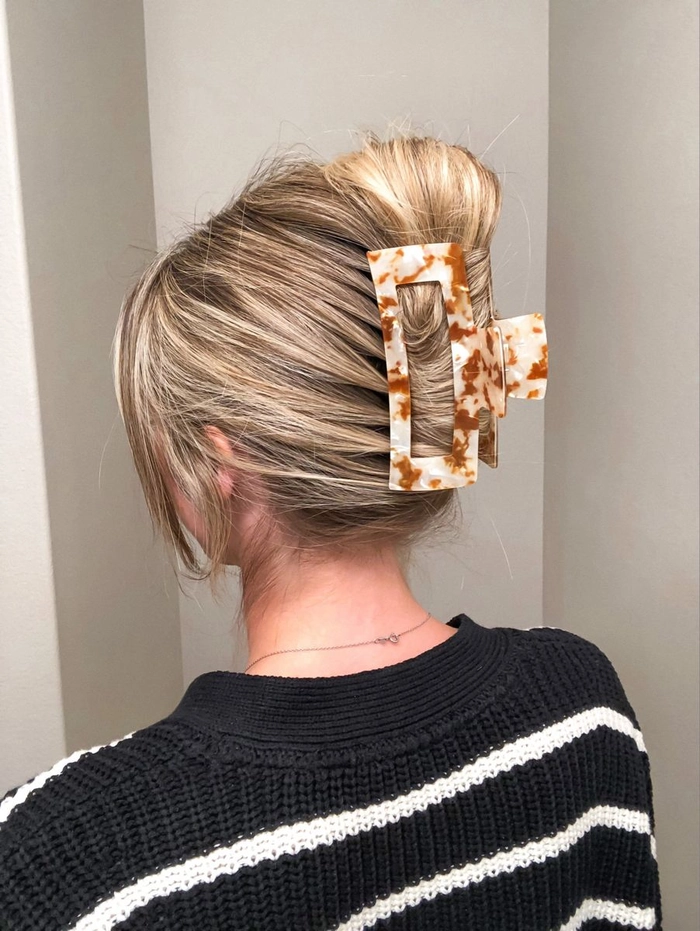 Effortless Claw Clip Hairstyles for Thick Hair You’ll Love
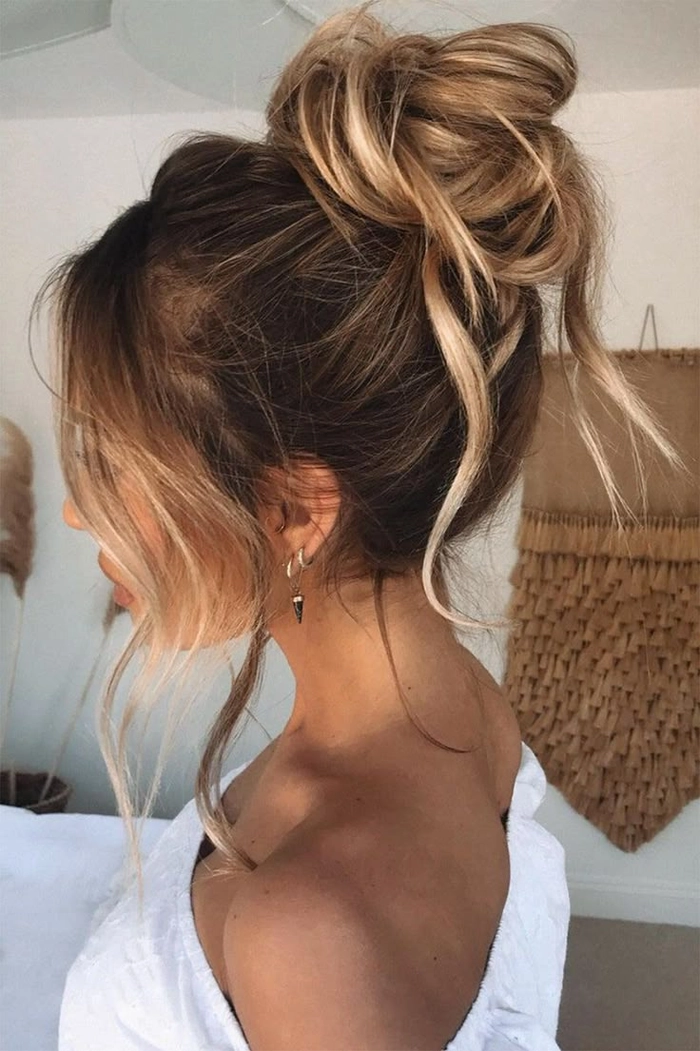 Effortless Casual Messy Bun Styles for Long Hair Ideas
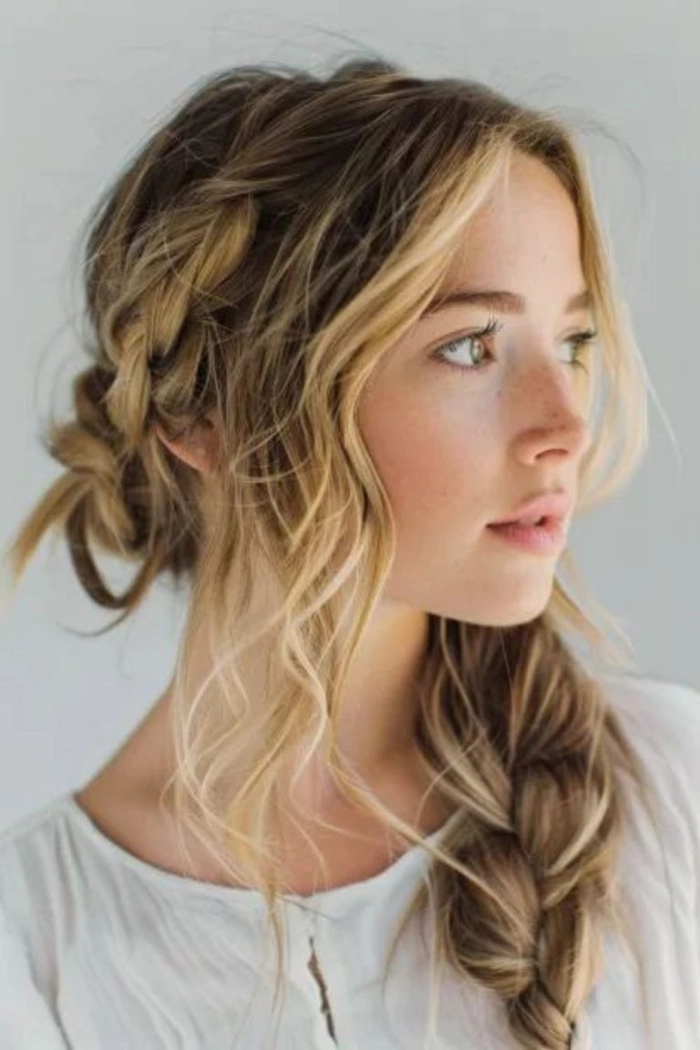 Effortless Braided Hairstyles Perfect for College Days
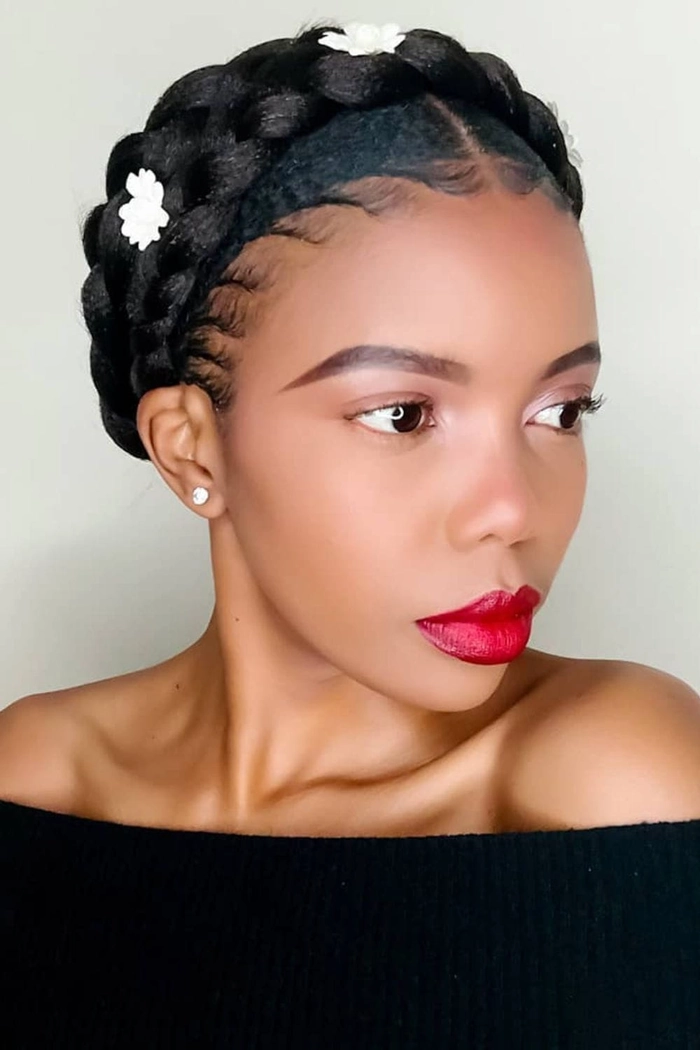 Effortless Casual Halo Braid Styles Perfect for Summer Trips