If you’re a teen who’s constantly on the move whether it’s sprinting across a basketball court, rehearsing for a play, or just juggling school, homework, and a social life you need a hairstyle that stays put without eating up your morning. Quick Dutch braid hairstyles give active teens a practical, stylish way to keep hair in place, look put‑together, and spend less time fussing with their strands.
Match a Dutch braid style to your face shape and hair type
Dutch braids sit slightly off the scalp, creating a raised, textured look that holds even during sweaty workouts. They work for most hair textures, from straight to wavy to tightly coiled, and can be adapted to short, medium, or long hair lengths. When choosing a style, consider your face shape and the amount of volume you want.
- Round face: A side‑parted Dutch braid that pulls hair back and adds height at the crown creates the illusion of a longer face.
- Oval face: Almost any variation works; a classic three‑strand Dutch braid down the center shows off balanced features.
- Square face: Soften angular lines with a loose, slightly undone braid that includes a few face‑framing wisps.
If you have layered hair or want to hide a high forehead, a guide to quick braided bangs can show you how to blend bangs into a braid for a seamless finish.
Popular quick Dutch braid variations for teens
There’s more than one way to wear a Dutch braid, and each variation can be swapped in or out depending on your mood or activity.
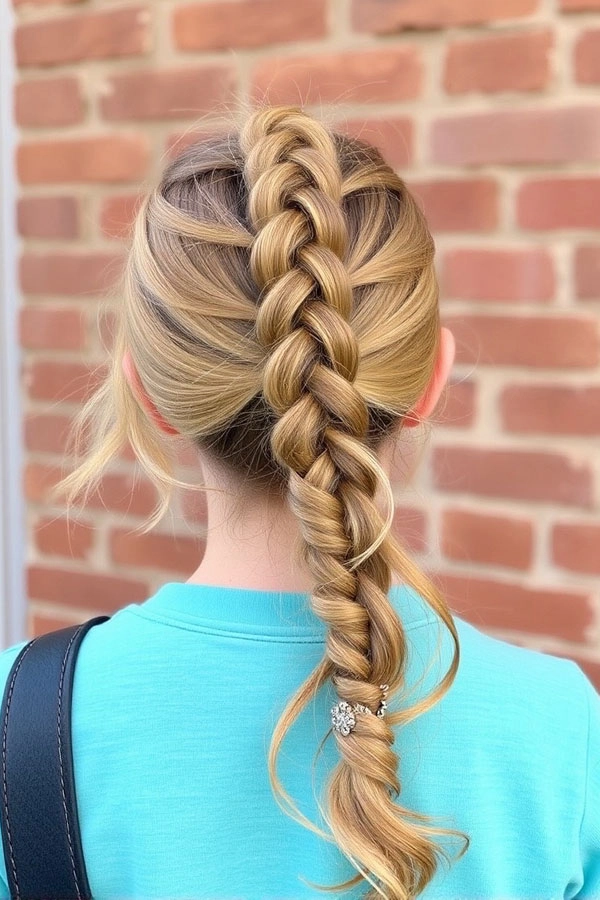
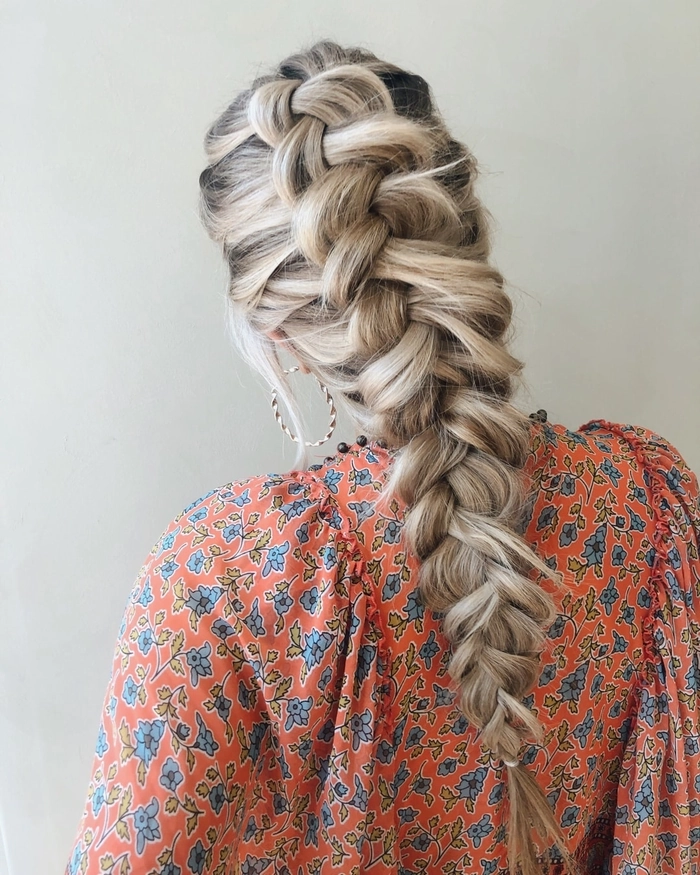
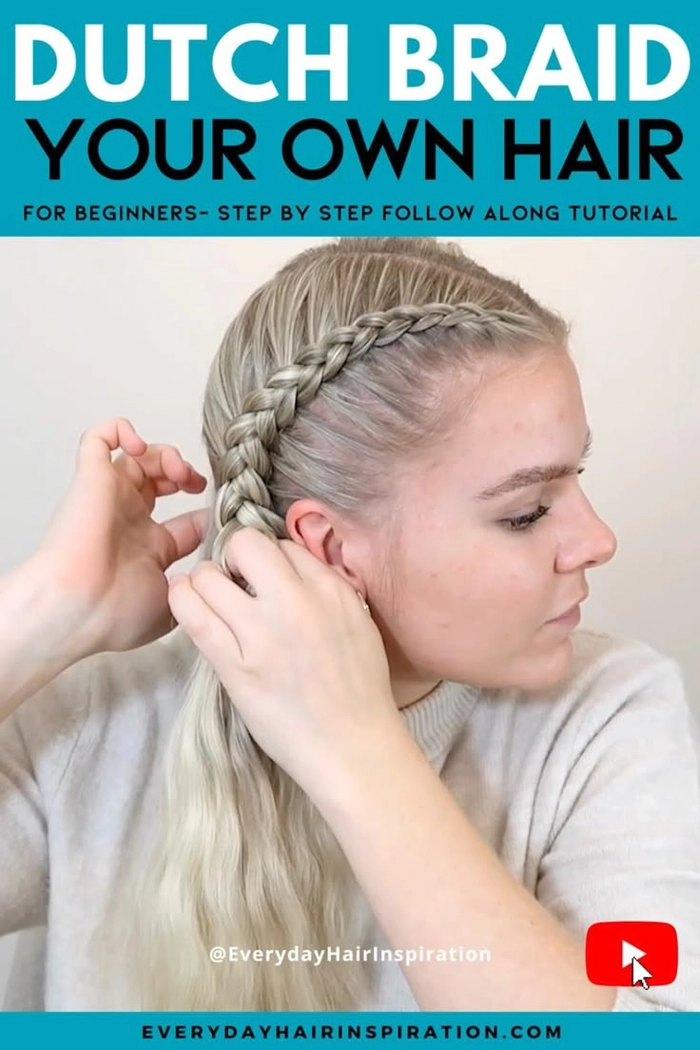
- Classic three‑strand Dutch braid: The simplest version, perfect for everyday wear and easy to master.
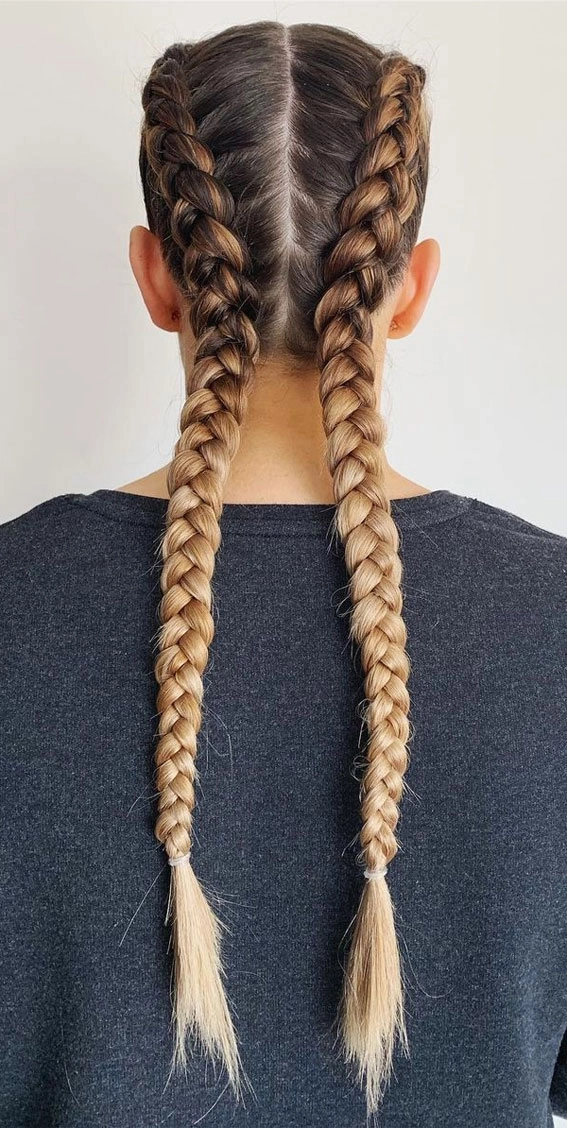
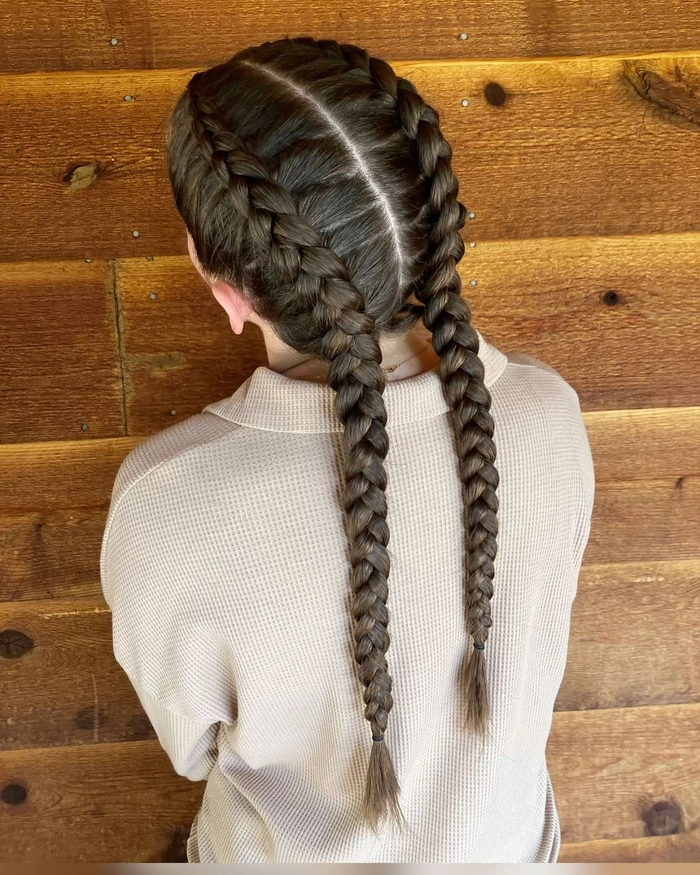
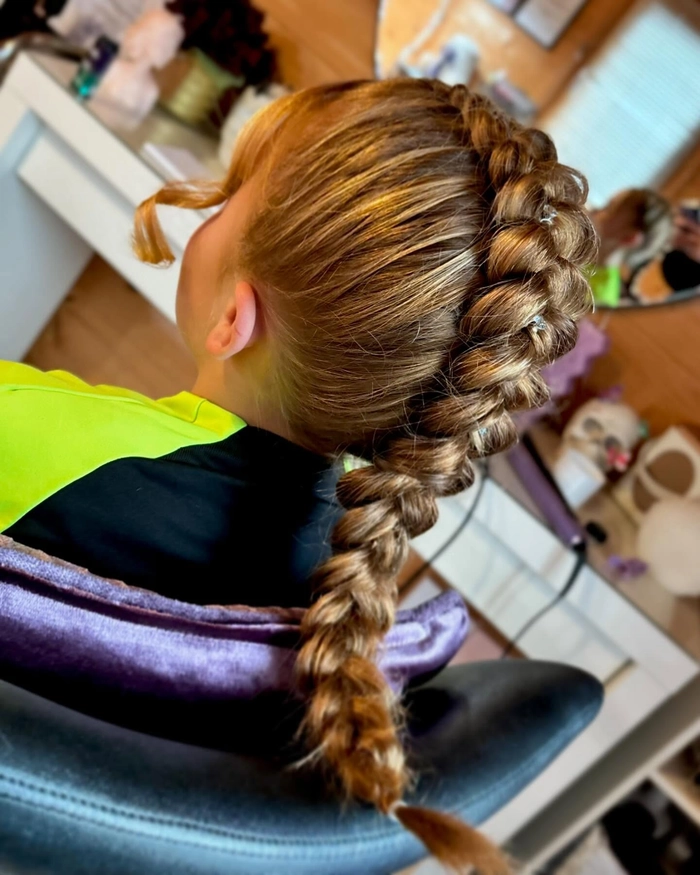
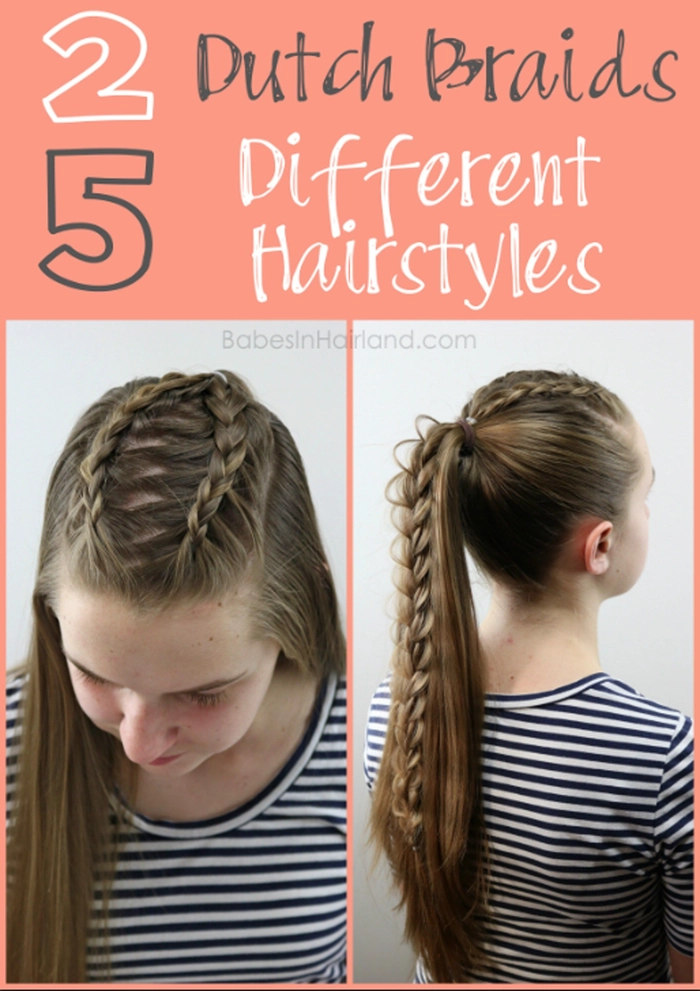
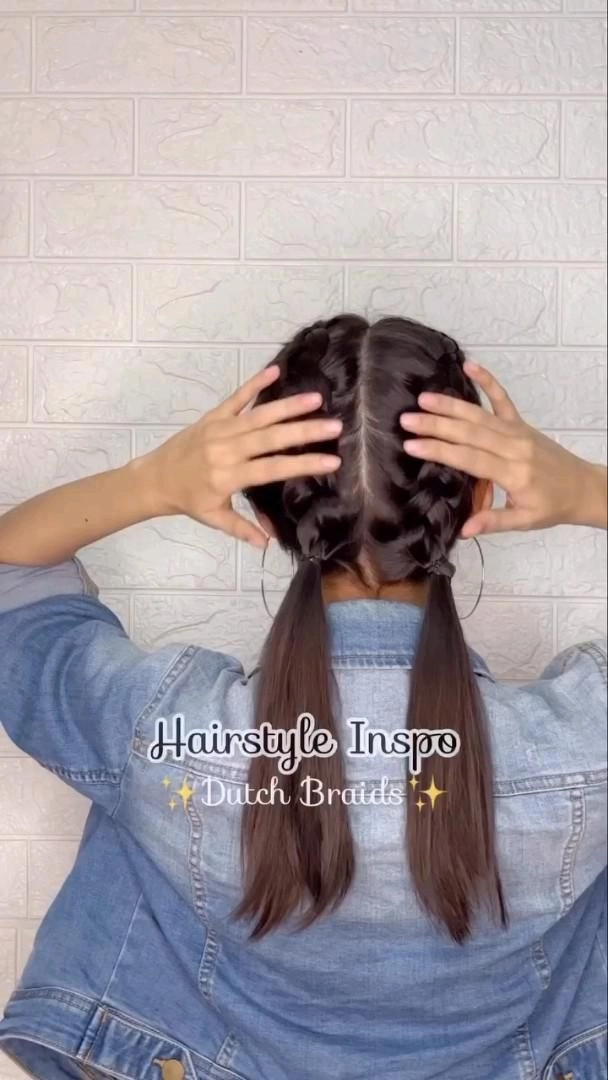
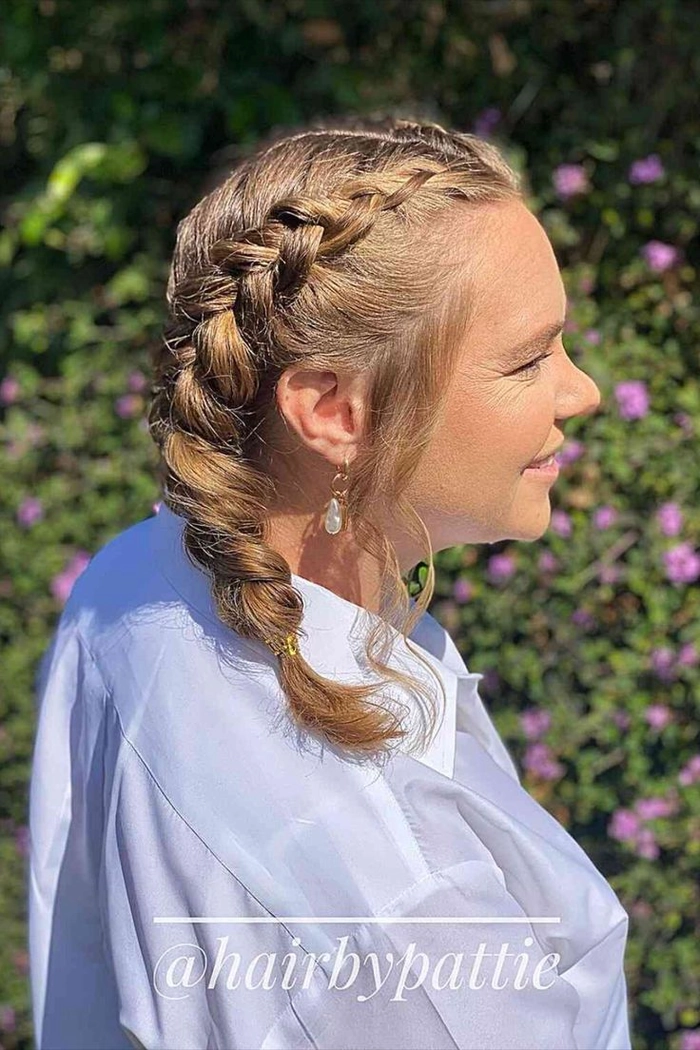
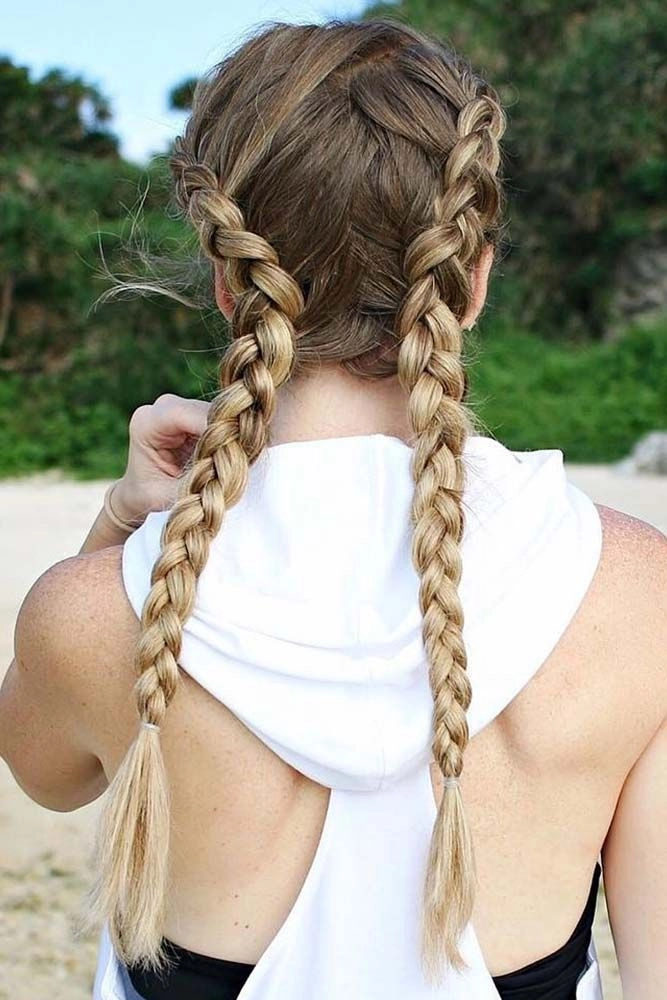
- Double Dutch braid: Two braids on each side give a sporty look and distribute tension evenly.
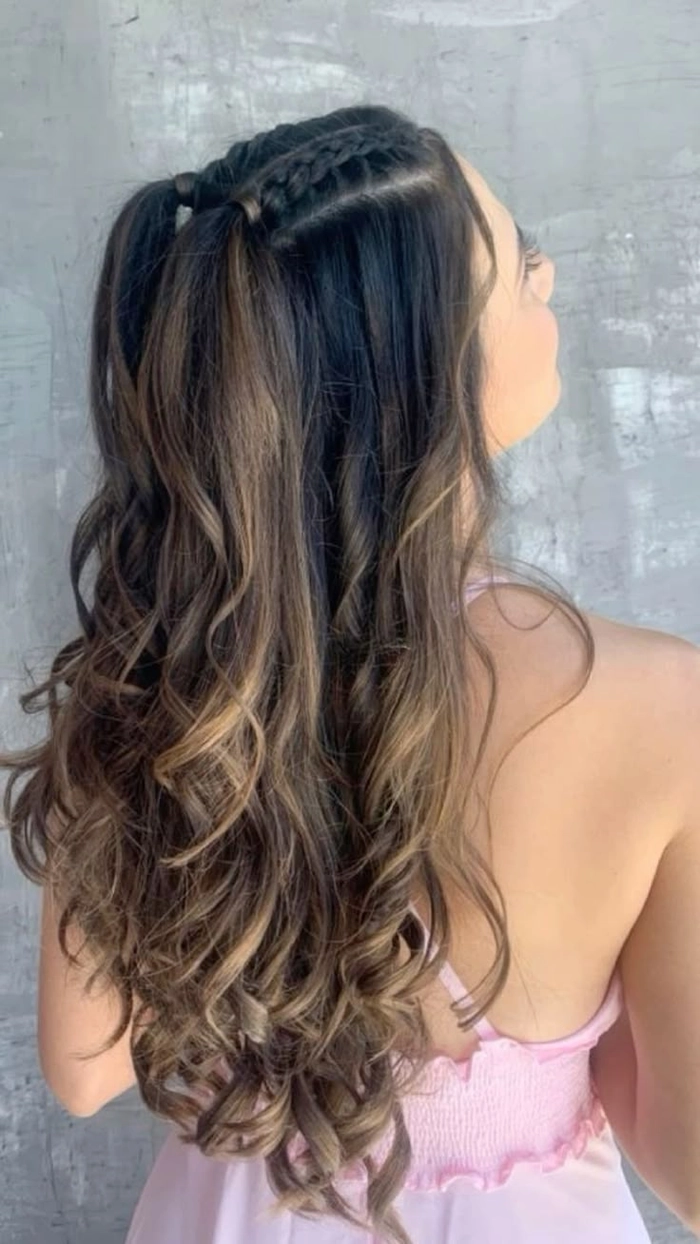
- Half‑up Dutch braid: Combines a braid on top with loose hair below, offering a balance of polish and comfort.
- Low bun with Dutch braid base: Twist the braid into a bun at the nape for a tidy, elegant finish that works for school or a casual outing.
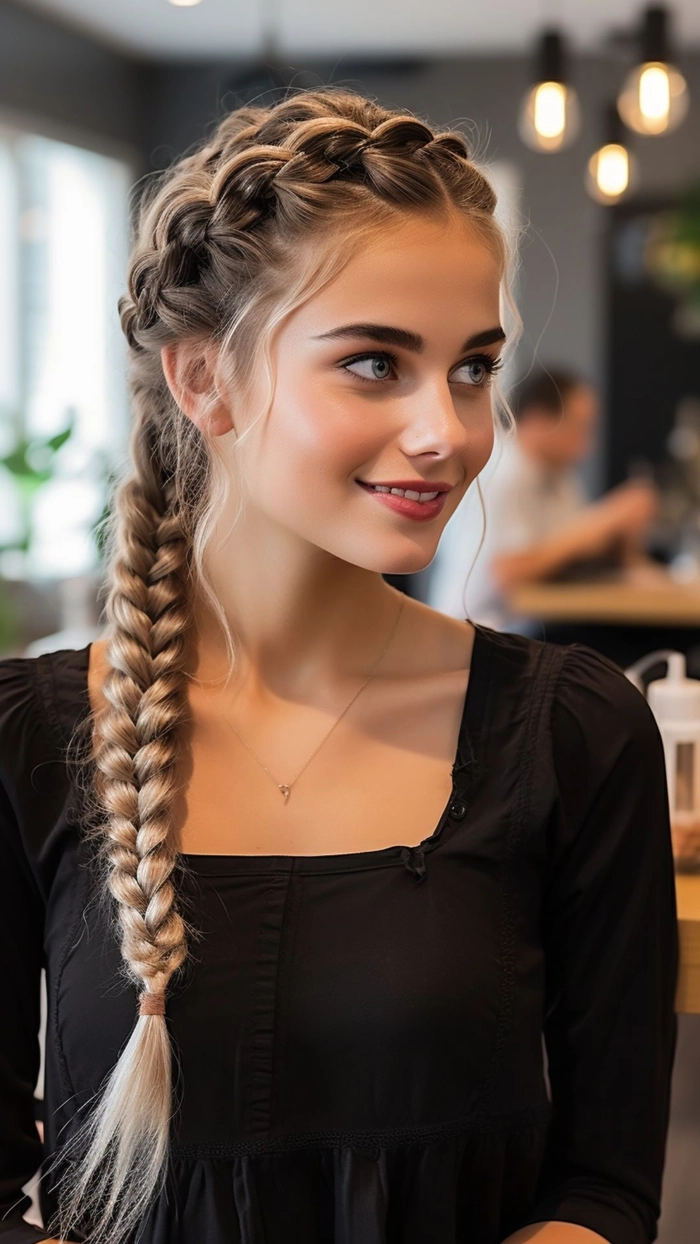
- Braided crown: Two braids meet at the back and wrap around the head, great for keeping hair off the neck during hot days.
Add a pop of personality with hair accessories colorful scrunchies, small clips, or a thin headband work well with any of these styles. If you have hair color ideas like balayage or highlights, the braid’s texture makes those tones pop.
How to get a polished Dutch braid at home
Even if you’re new to braiding, a few simple steps can turn a messy attempt into a clean, long‑lasting style.
- Start with clean, slightly damp hair and apply a lightweight texturizing spray or mousse to add grip.
- Detangle thoroughly with a wide‑tooth comb, focusing on the nape and behind the ears.
- Section your hair into three equal parts at the crown, then cross the outer strands under the middle strand, keeping the tension consistent.
- As you braid, feed in small sections of hair from each side, maintaining the same pull on both sides.
- When you reach the ends, secure with a clear elastic that matches your hair color.
- Gently tug at the braid edges to loosen the look slightly this creates a softer, more natural finish without undoing the style.
- Finish with a light hold hairspray to tame any stray flyaways.
Practice in front of a mirror and try different partings to see which angle flatters your face shape most. Once you’ve got the basics, you can switch to a relaxed curls guide if you ever want to pair the look with loose waves.
Tips to keep your Dutch braid fresh all day
- Use a silk pillowcase at night to reduce friction and keep the braid intact while you sleep.
- Refresh with a dry shampoo at the scalp if the braid starts to feel flat.
- Carry a small elastic and a mini spray bottle in your bag for quick touch‑ups before sports practice.
- Avoid over‑washing; shampoo strips natural oils, leading to frizz and a shorter‑lasting braid.
- Apply a leave‑in conditioner to the ends before braiding to keep them moisturized and less prone to breakage.
Common mistakes and how to avoid them
- Braiding too tightly: This can cause headaches and strain on the scalp. Keep tension firm but comfortable.
- Skipping moisture: Dry hair snaps more easily. Use a lightweight serum or cream on damp strands before styling.
- Using too much product: Heavy gels or creams can make the braid stiff and look unnatural. A dime‑size amount is usually enough.
- Ignoring your hair density: Thick hair can support larger braids, while fine hair may need thinner, more numerous braids to avoid slipping.
Questions to ask a stylist before making a change
- “Would a Dutch braid work well with my current haircut and hair texture?”
- “Can we add subtle layers or a few layers to make the style more versatile?”
- “What styling products do you recommend for my specific hair type to keep the braid smooth?”
- “How can I protect my hair color ideas (like highlights or balayage) while braiding?”
- “What’s the best way to transition from a braid to a different everyday hairstyle without damaging my hair?”
A quick salon consultation can help you choose a cut that works with your natural texture, and the stylist can suggest maintenance tips tailored to your routine.
Take the next step
Pick a Dutch braid variation that matches your lifestyle, experiment with the steps above, and don’t be afraid to tweak the style until it feels uniquely yours. Whether you prefer a sleek double braid for a soccer match or a soft, half‑up look for a school presentation, the right Dutch braid can keep you comfortable, confident, and ready to tackle whatever the day throws at you. If you ever want to switch things up, try exploring wash‑and‑go options for type‑3 curls, a messy space buns tutorial for a grunge vibe, or a finger waves guide for short hair. Each can be a fresh complement to your everyday braided looks.

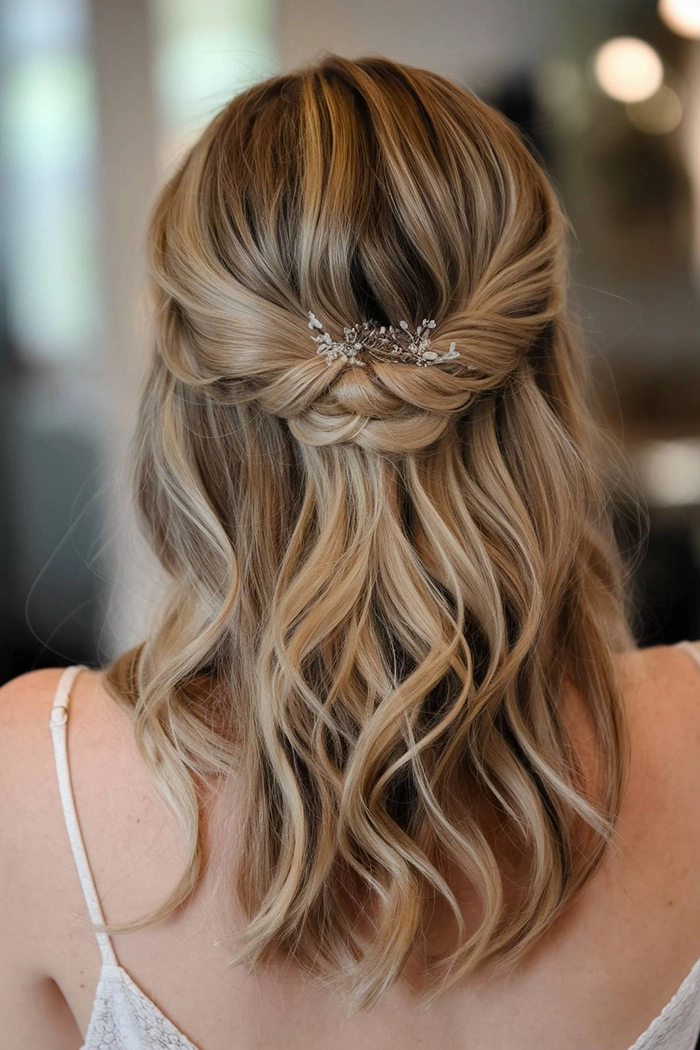 Easy Half Up Half Down Hairstyles for Medium Hair Days
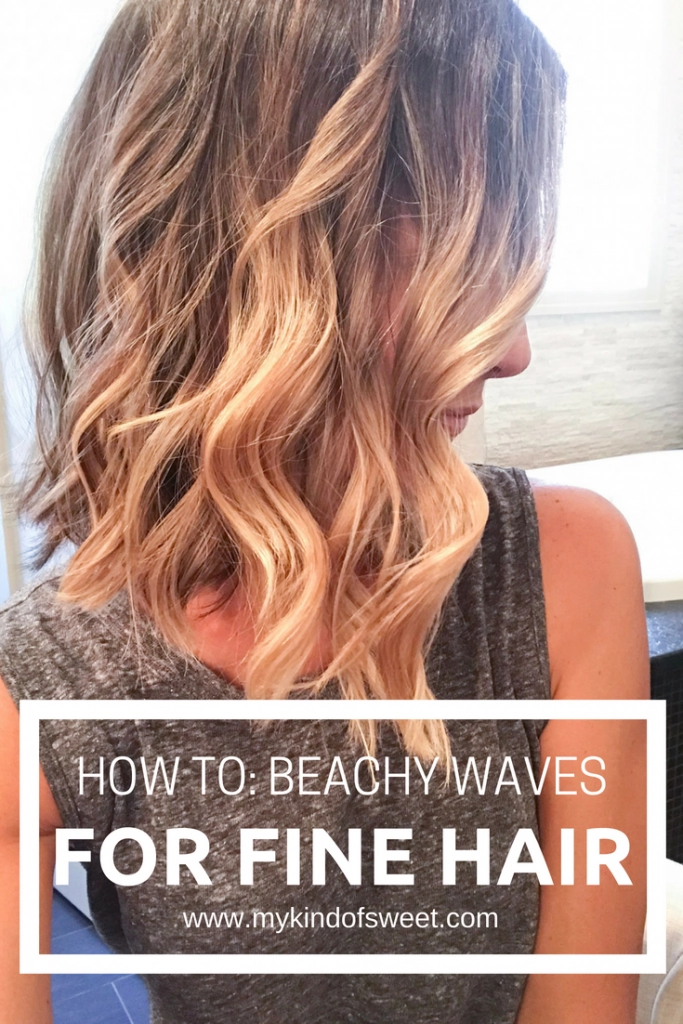 Effortless Beach Wave Hairstyles Perfect for Fine Hair
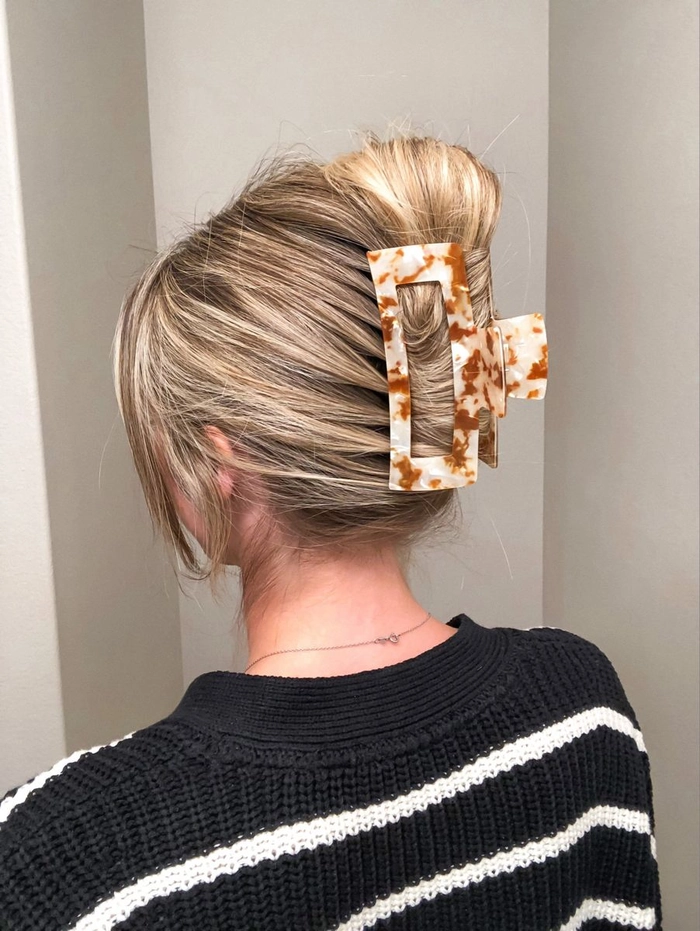 Effortless Claw Clip Hairstyles for Thick Hair You’ll Love
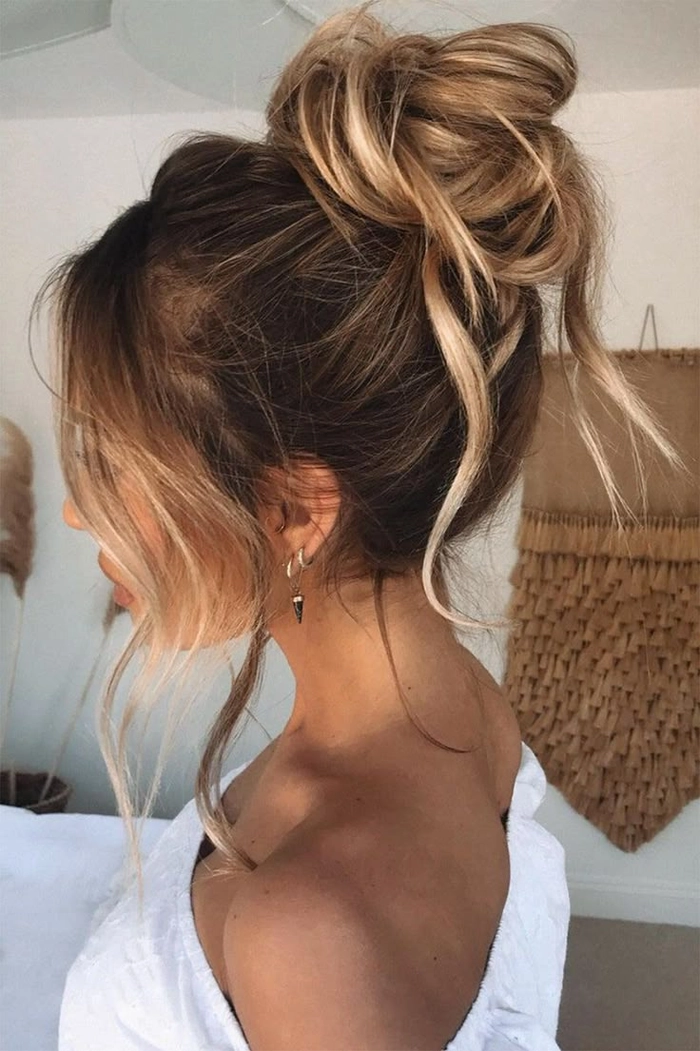 Effortless Casual Messy Bun Styles for Long Hair Ideas
 Effortless Braided Hairstyles Perfect for College Days
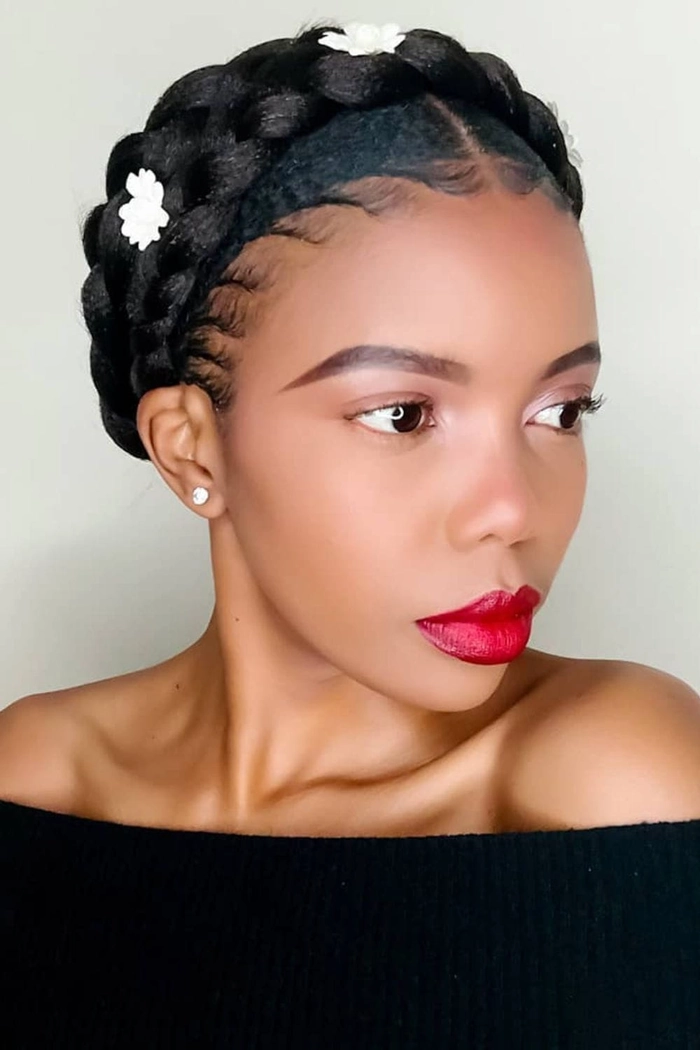 Effortless Casual Halo Braid Styles Perfect for Summer Trips