Finding the right protective work hairstyle for coily natural hair can feel like a balancing act. You want something that looks polished and professional, but you also need a style that protects your coils from daily manipulation, heat, and environmental stress. Whether you're heading into a corporate office, a creative workspace, or a hybrid setting, the good news is there are plenty of gorgeous options that honor your natural texture while keeping your hair healthy. This guide breaks down practical, stylish protective work hairstyles that actually work for real life not just a photoshoot.
Why Protective Styles Matter for Coily Hair at Work
Coily hair (often categorized as Type 4a, 4b, and 4c) is naturally more delicate and prone to dryness and breakage. Daily styling especially with heat tools or tight manipulation can cause long-term damage. Protective work styles tuck your ends away, reduce friction, and minimize the need for constant restyling throughout the week. That means less time in front of the mirror every morning and healthier hair over time. For anyone juggling a busy professional schedule, this combination of convenience and hair health is hard to beat.
How to Choose the Right Style for Your Face Shape and Lifestyle
Not every protective style works for every person, and that's perfectly okay. The best choice depends on a few key factors:
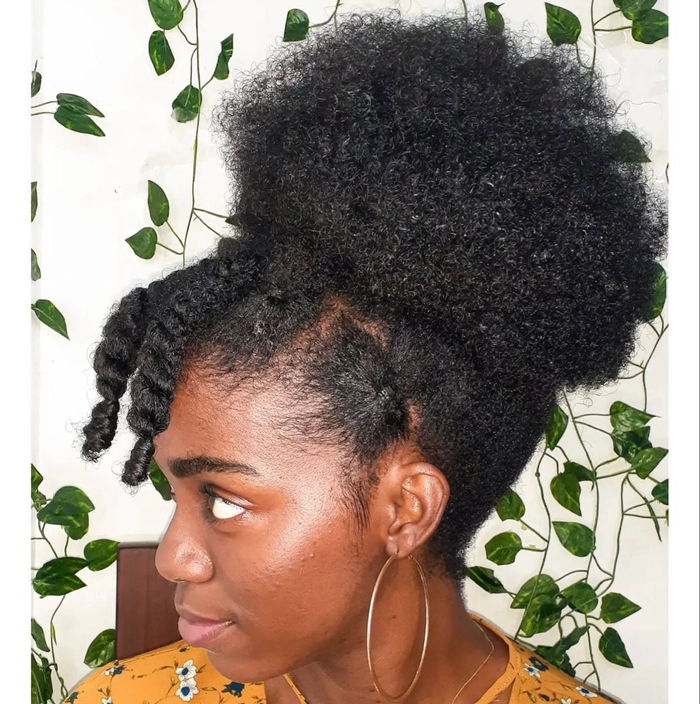
- Face shape: If you have a round face, styles with height on top like a high puff with flat twists can elongate your features. Oval and heart-shaped faces tend to suit almost any style, while square faces look great with soft, layered updos that frame the jawline.
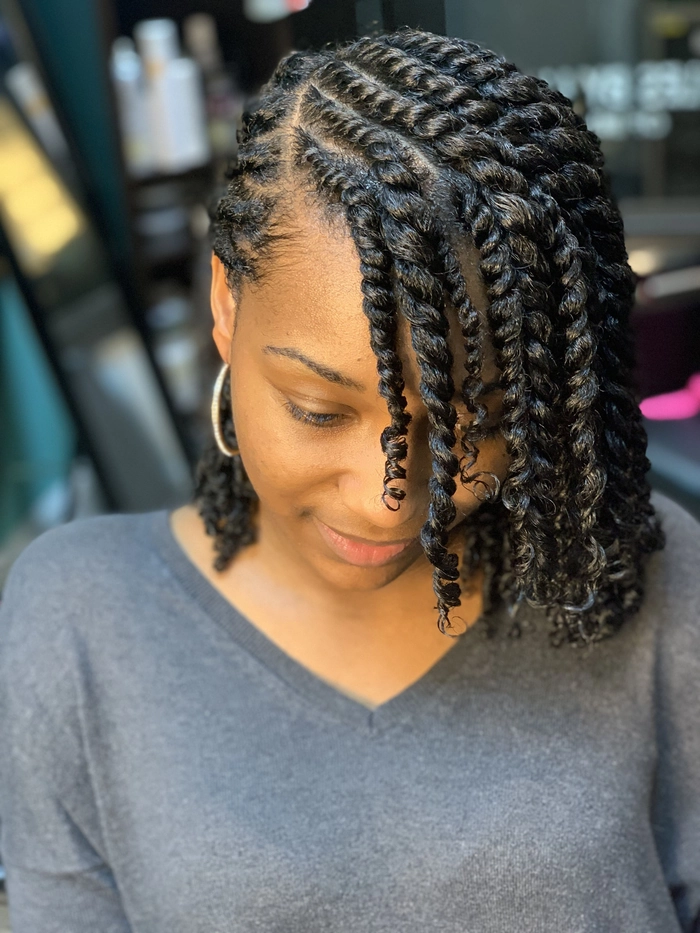
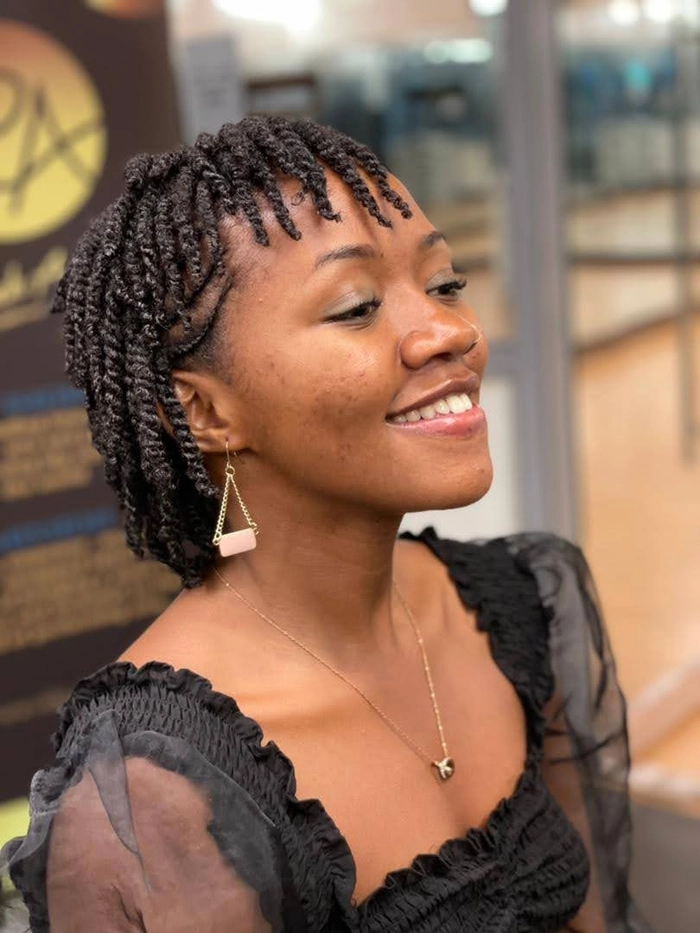
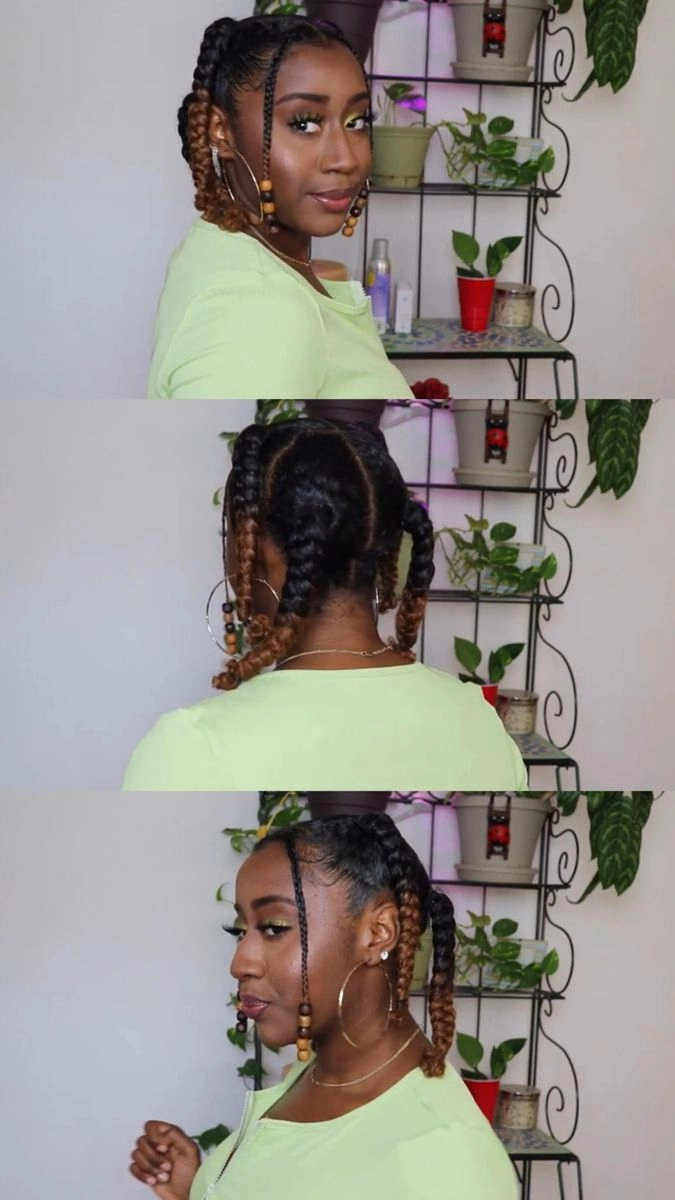
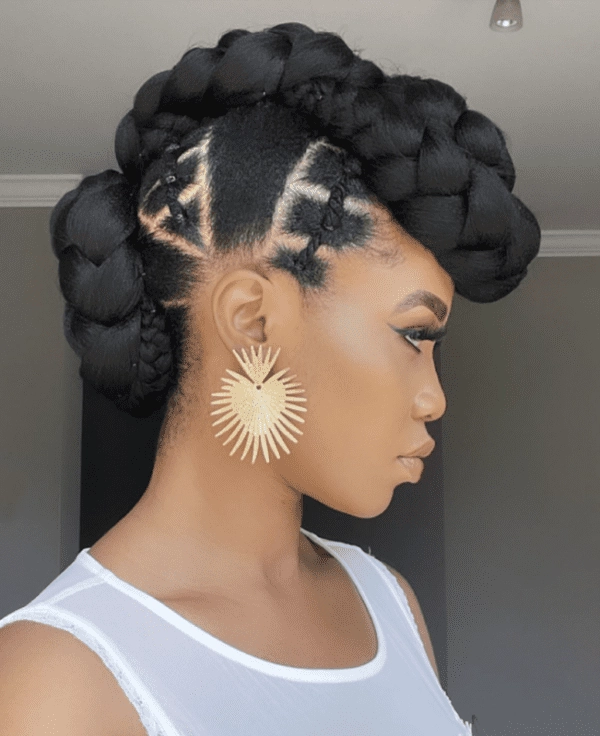
- Hair length: Shorter coily hair works beautifully with two-strand twists, finger coils, or a sleek low bun. Longer hair gives you more versatility think goddess braids, cornrow updos, or jumbo twists pulled into an elegant bun.
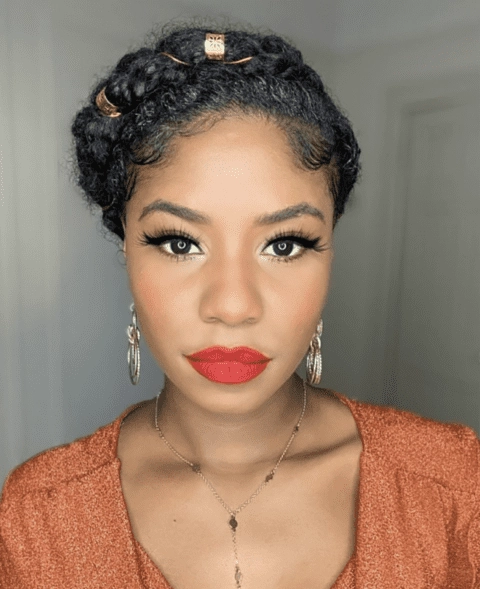
- Work environment: A corporate setting may call for neater, more structured styles like flat twist updos or braided buns. Creative or casual workplaces give you room to experiment with bantu knot-outs, twist-outs pinned to one side, or decorative accessories.
- Maintenance level: If you prefer low-maintenance hairstyles, opt for styles that can last one to two weeks with minimal touch-ups like cornrows, crochet braids, or passion twists.
Top Protective Work Styles Worth Trying
Here are some of the most reliable and flattering options for the workplace:
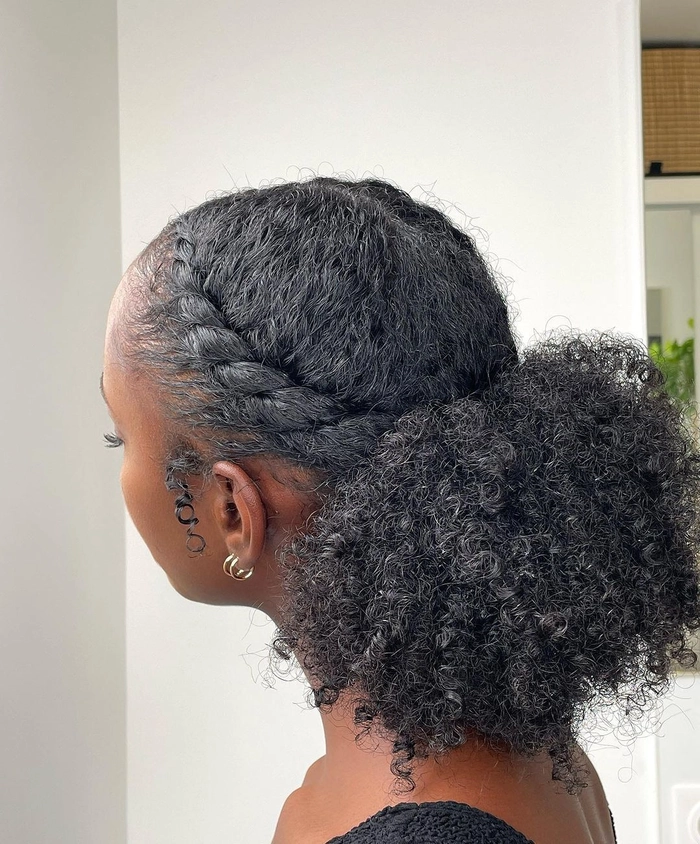
Flat Twist Updo This elegant style keeps your coils tucked away and works for both formal meetings and casual Fridays. It typically lasts a full work week and looks even better on days two and three as it settles.
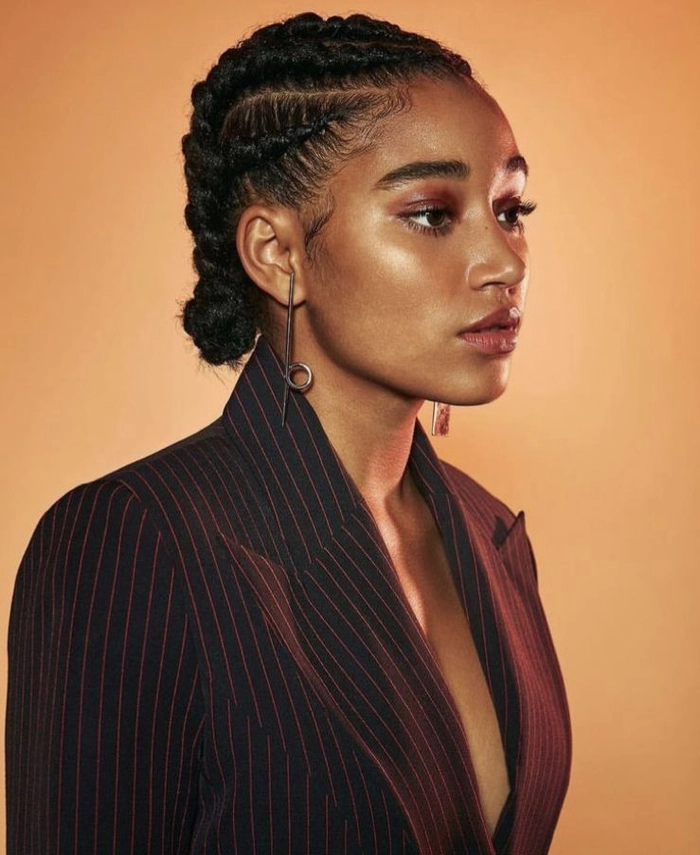
Cornrow Bun Clean cornrows swept into a bun at the crown or nape create a sleek, professional silhouette. This is one of the best everyday hairstyles for coily hair because it holds up well and requires almost no morning maintenance.
Passion Twists or Spring Twists These lightweight, textured styles add movement and personality while fully protecting your natural hair. They're a great hairstyle inspiration option if you want something that transitions easily from work to special occasion hair.
Bantu Knot-Out into Defined Curls For those who prefer wearing their natural texture, setting bantu knots overnight and wearing the defined curls out the next day gives volume and structure without heat damage.
Styling Tips to Keep Your Look Polished All Week
Maintaining a protective style doesn't have to be complicated. A few simple habits make a big difference:
- Moisturize before styling. Apply a leave-in conditioner or lightweight styling products like a cream or mousse to damp hair before installing any protective style. This prevents dryness and flaking.
- Sleep with a satin or silk bonnet. This single step dramatically extends the life of your style and reduces frizz around your edges.
- Refresh your edges daily. A small amount of edge control and a soft brush keep your hairline looking neat without restyling the entire head.
- Avoid overly tight installations. Tension from tight braids or twists can cause breakage and even traction alopecia. A good stylist will know the right balance.
What to Ask Your Stylist Before a Change
If you're visiting a salon consultation for a new protective style, come prepared. Ask about which styles best suit your hair texture and current hair health. Discuss how long the style will take to install, how long it will last, and what your at-home styling routine should look like. A knowledgeable stylist can also suggest hair care tips and recommend styling products tailored to your needs whether your hair is color-treated, layered, or freshly trimmed.
Find What Works for You
The best protective work style is one that fits your personality, your routine, and your hair type. Don't be afraid to try different options across seasons what works in summer humidity may differ from your winter go-to. Focus on styles that protect your coils, respect your time, and make you feel confident walking into any room. Your hair is an expression of who you are, and the right protective style lets that shine through every single workday.
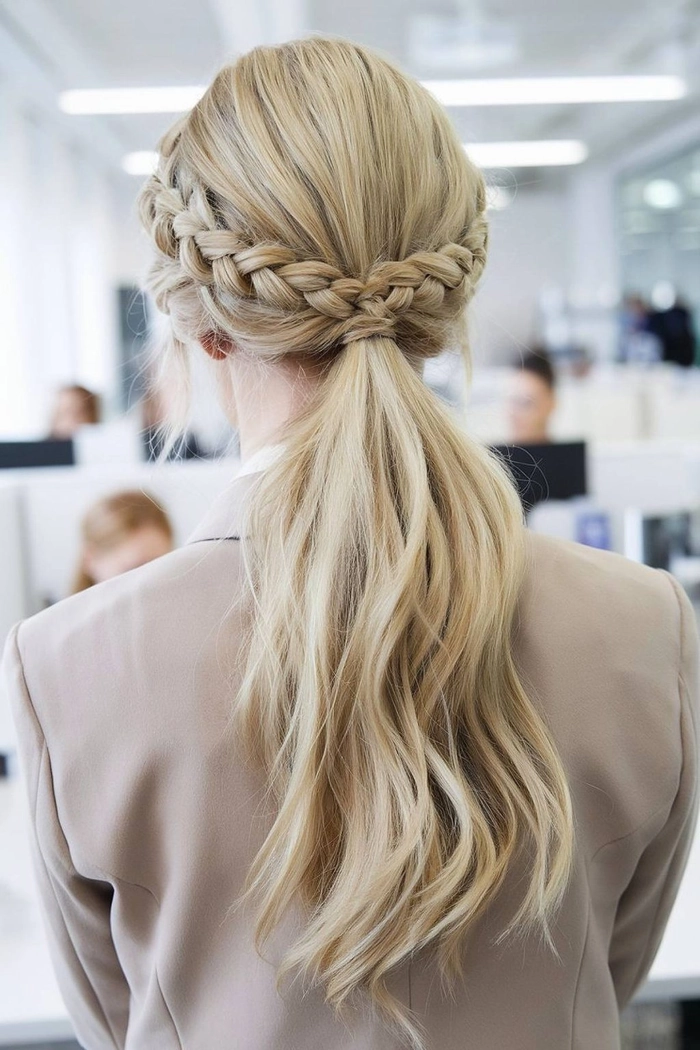 Professional Office Hairstyles for Long Hair
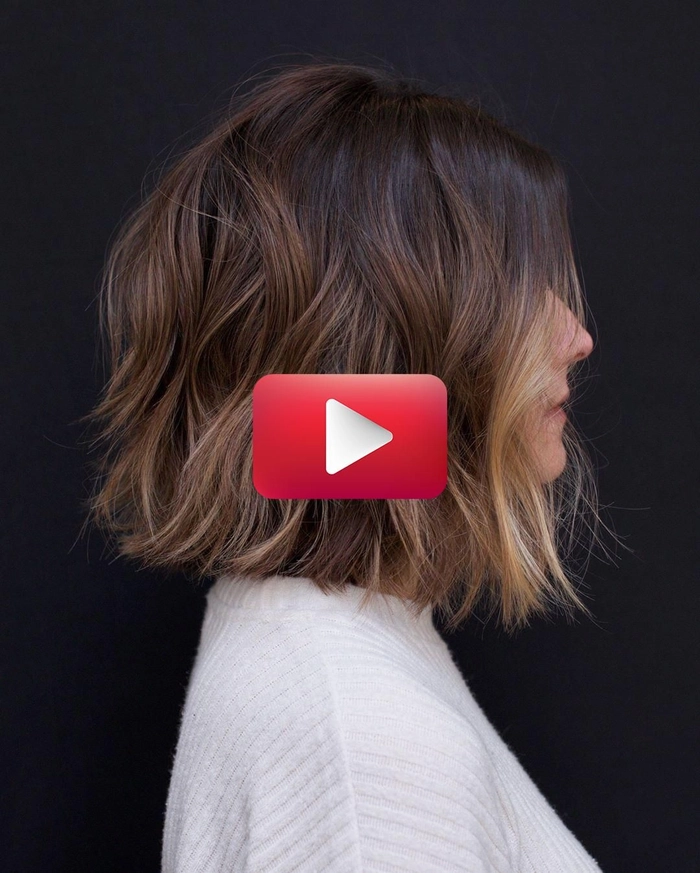 Business Casual Short Bob Hair Ideas
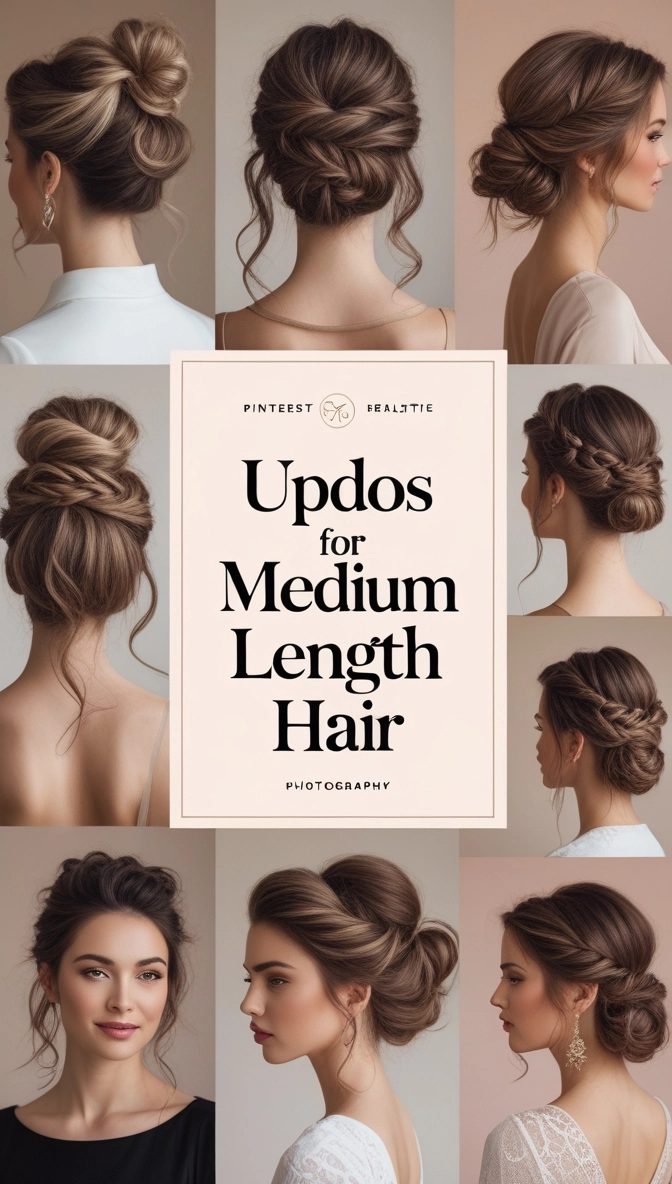 Boardroom Updos for Medium Hair
 Sleek Low Buns: Perfect for Job Interviews
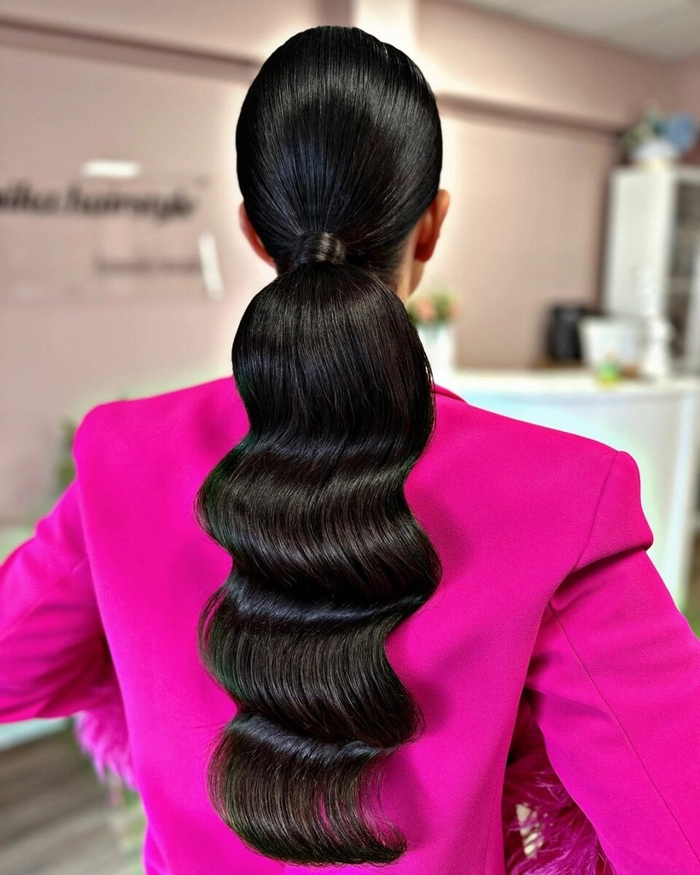 Polished Ponytail Styles for Client Meetings
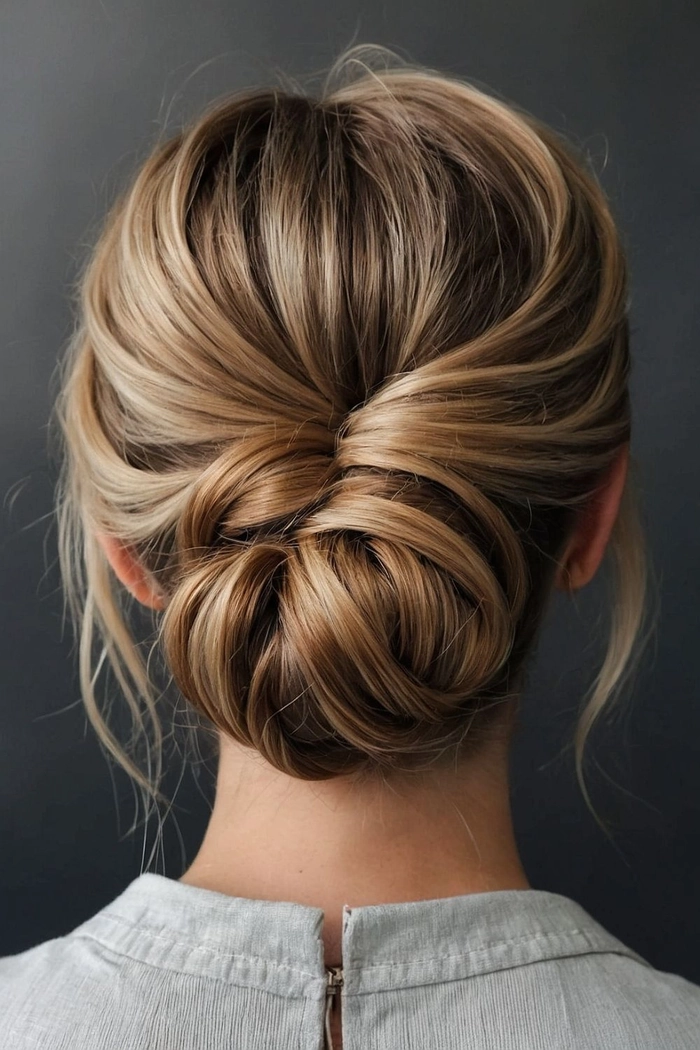 Quick Shoulder-Length Updos for the Office