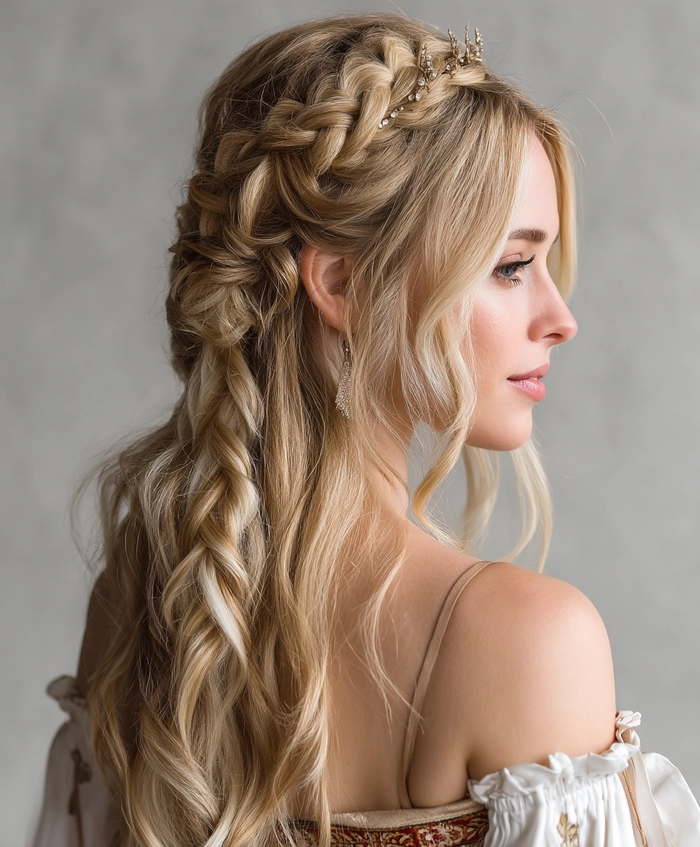
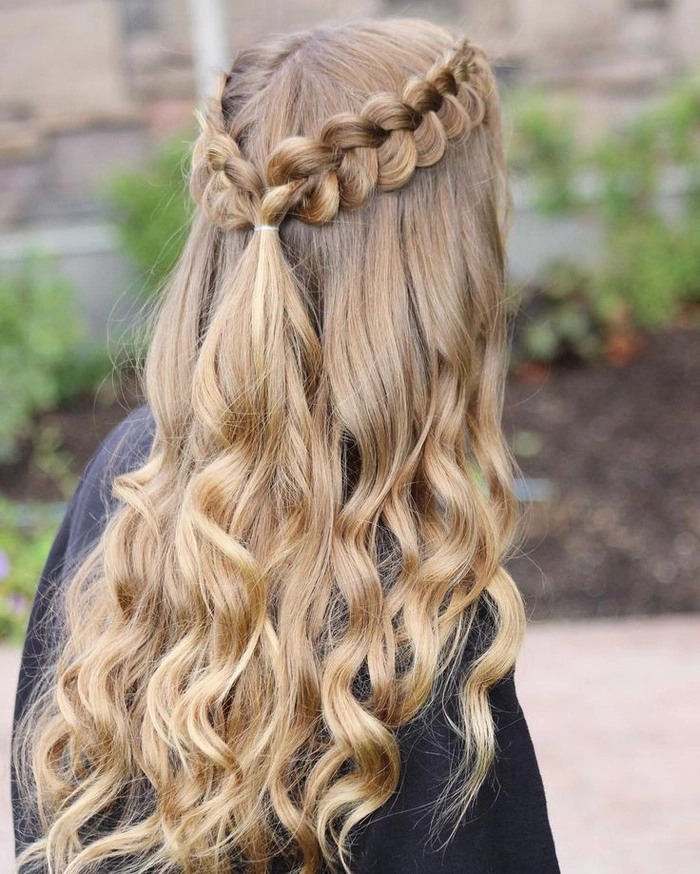
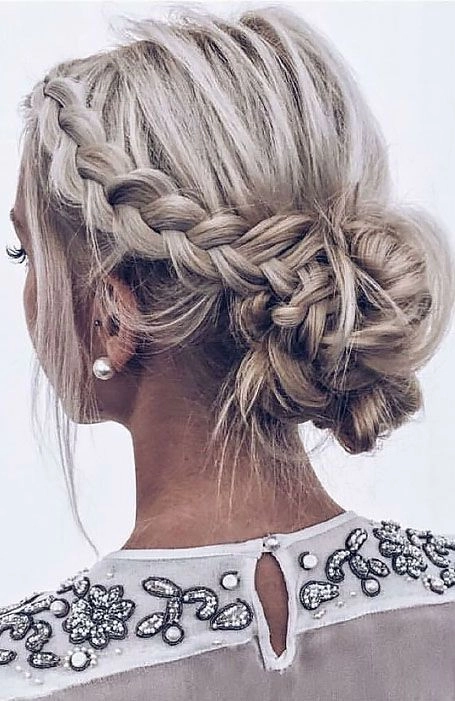
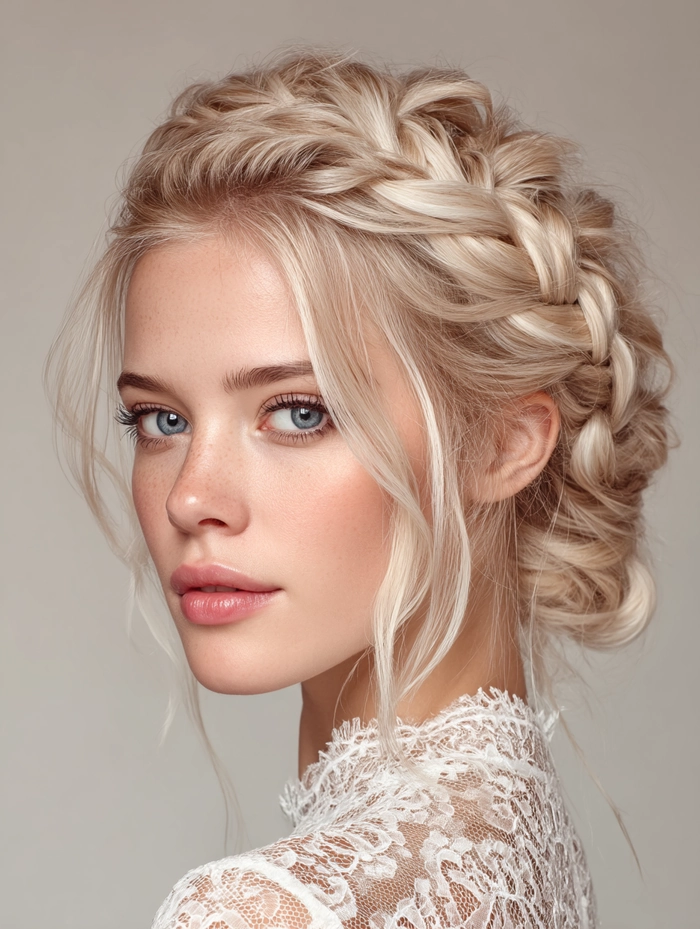
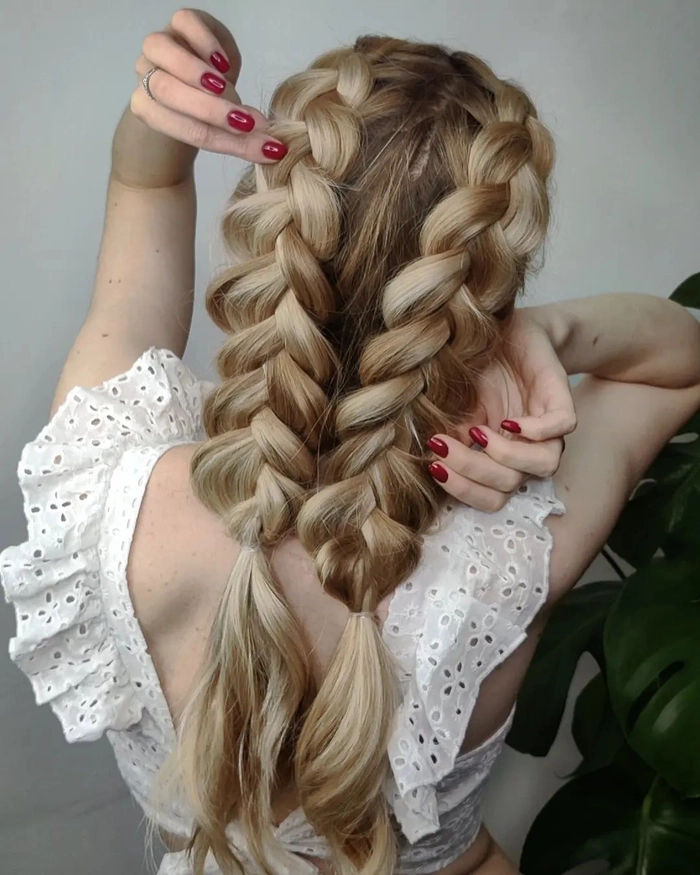
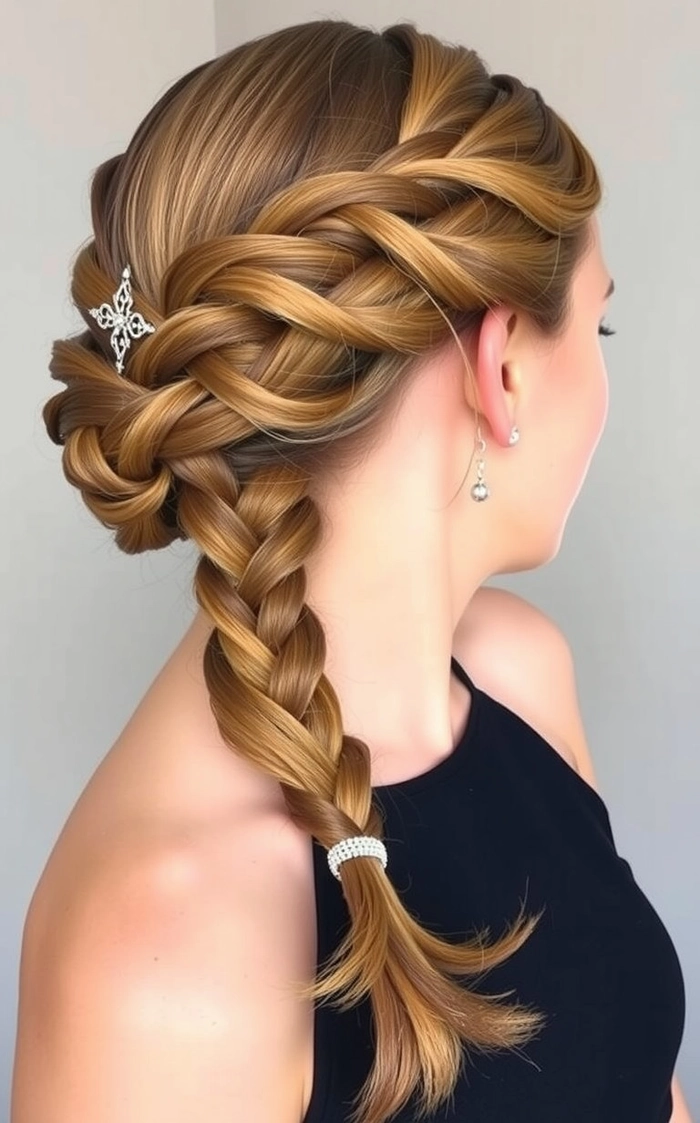
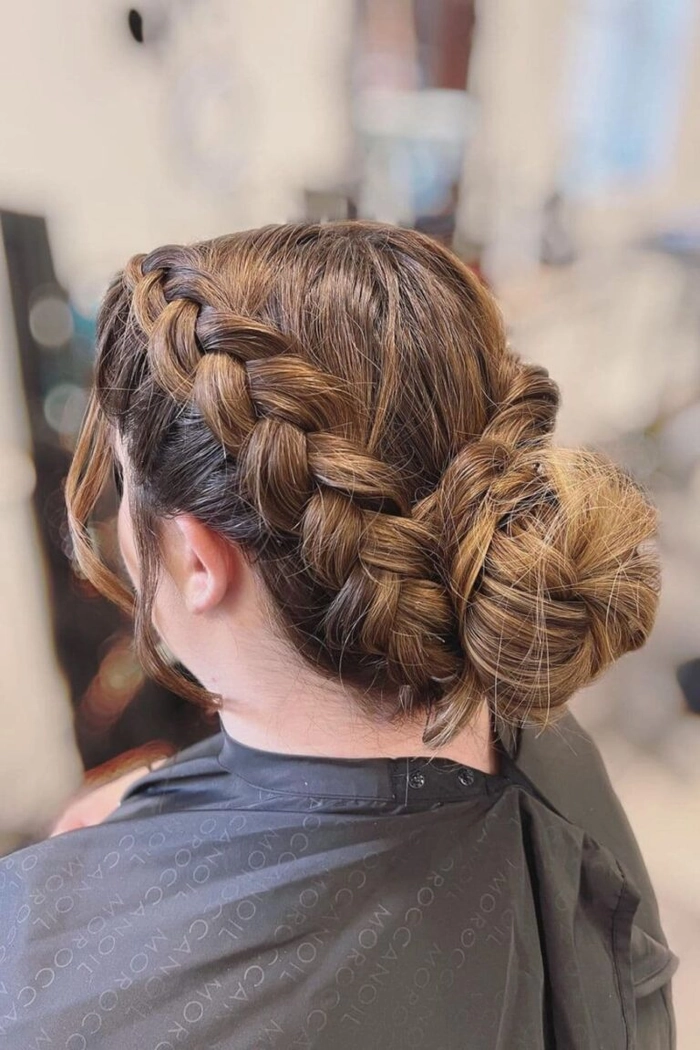
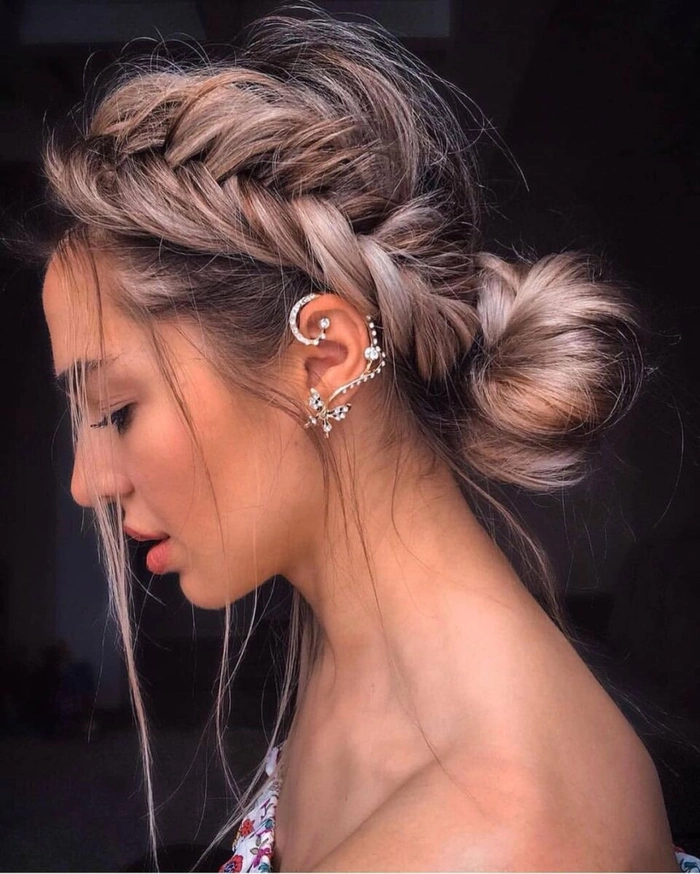
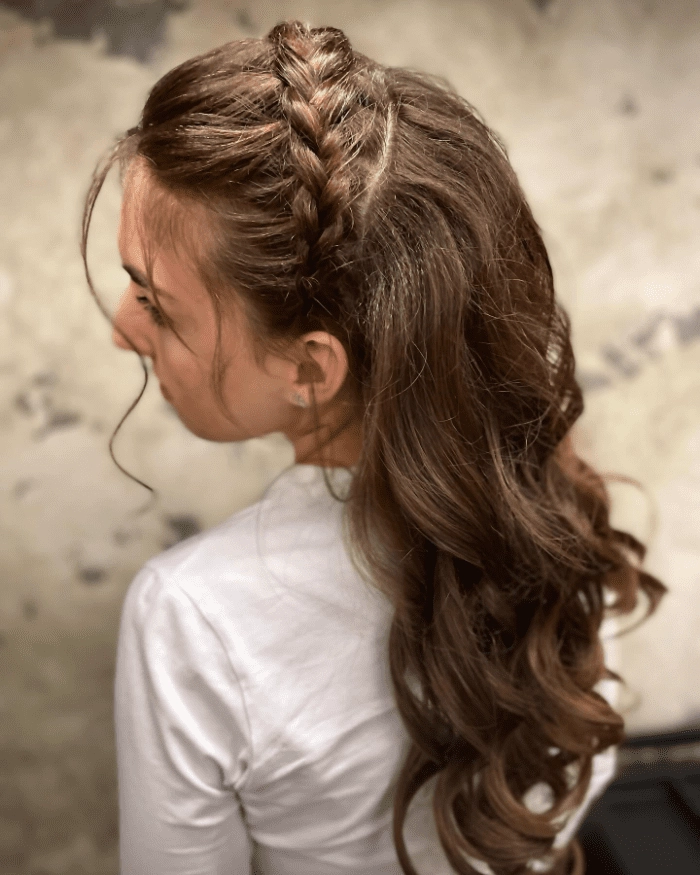
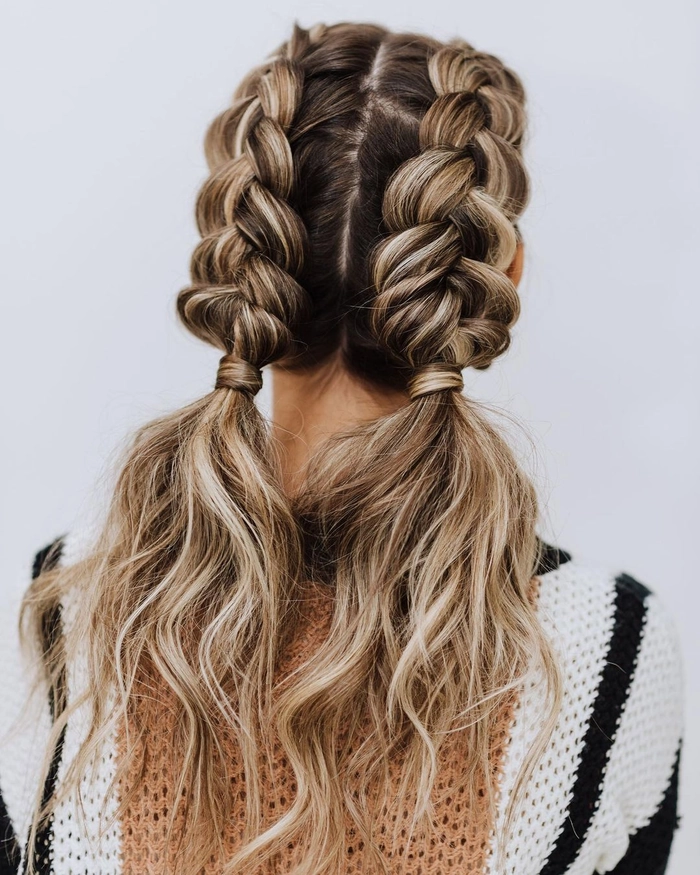
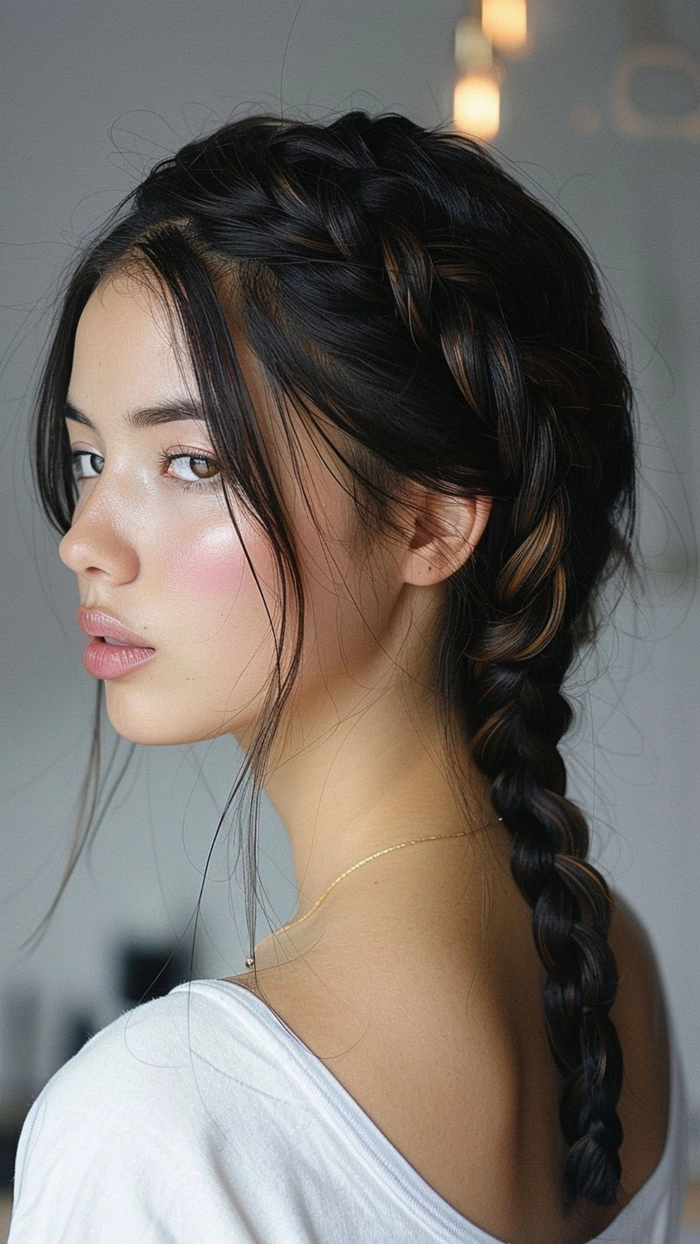
When you’re hunting for the perfect prom look, a Dutch braid can give you that blend of elegance and ease you’re after. The braid sits slightly above the surface of the hair, creating a raised, defined rope that works for almost any hair length or texture. It’s a style that stays put through dancing, photos, and everything in between, so you spend less time fixing your hair and more time enjoying the night.
Why a Dutch braid fits a prom night
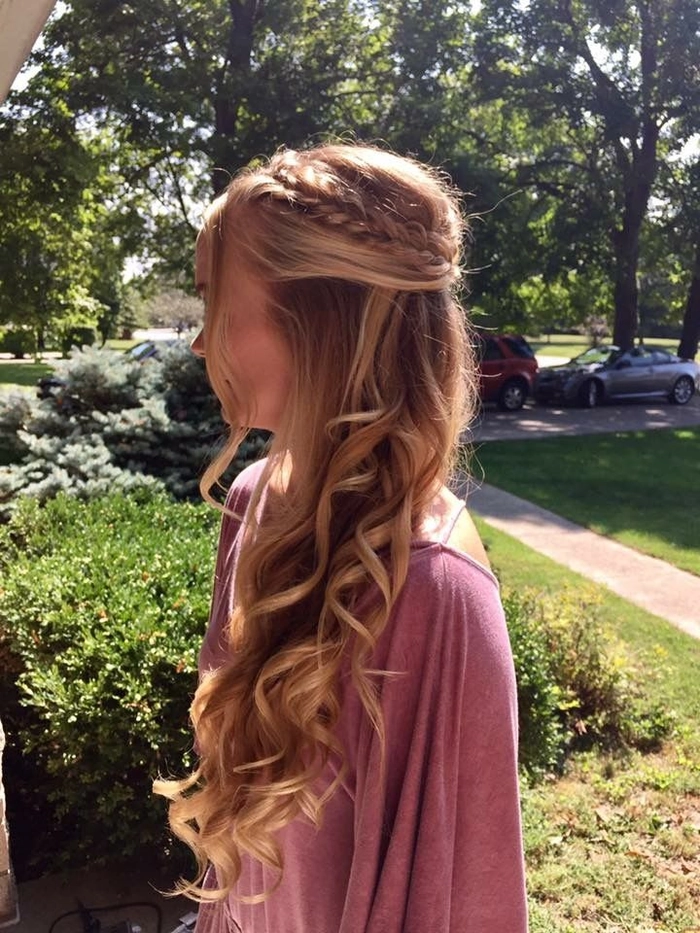
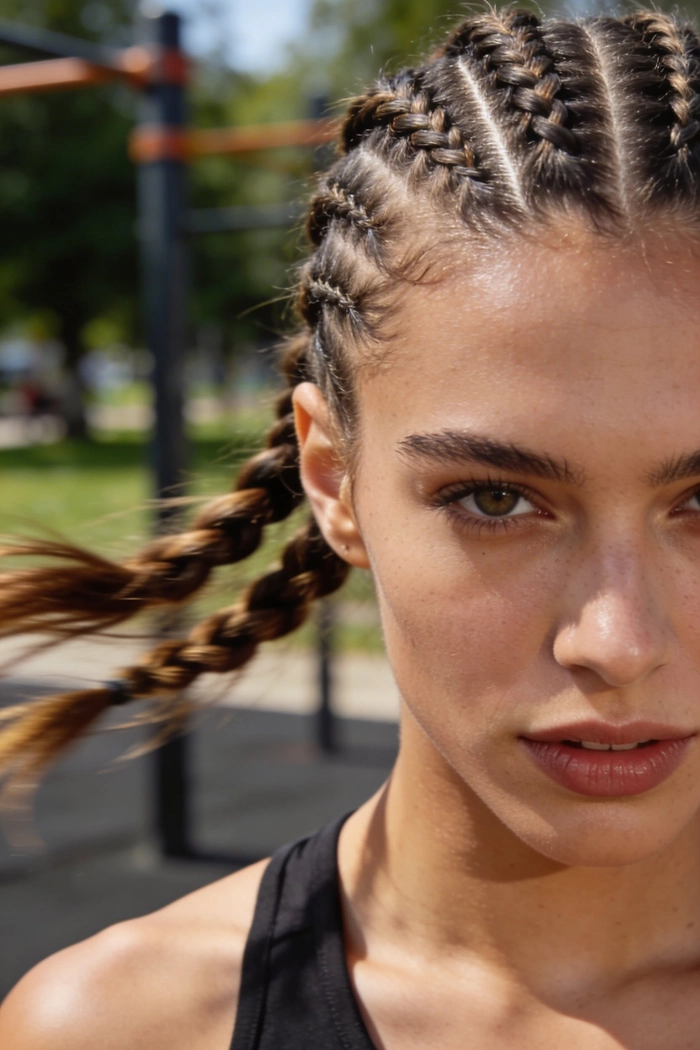
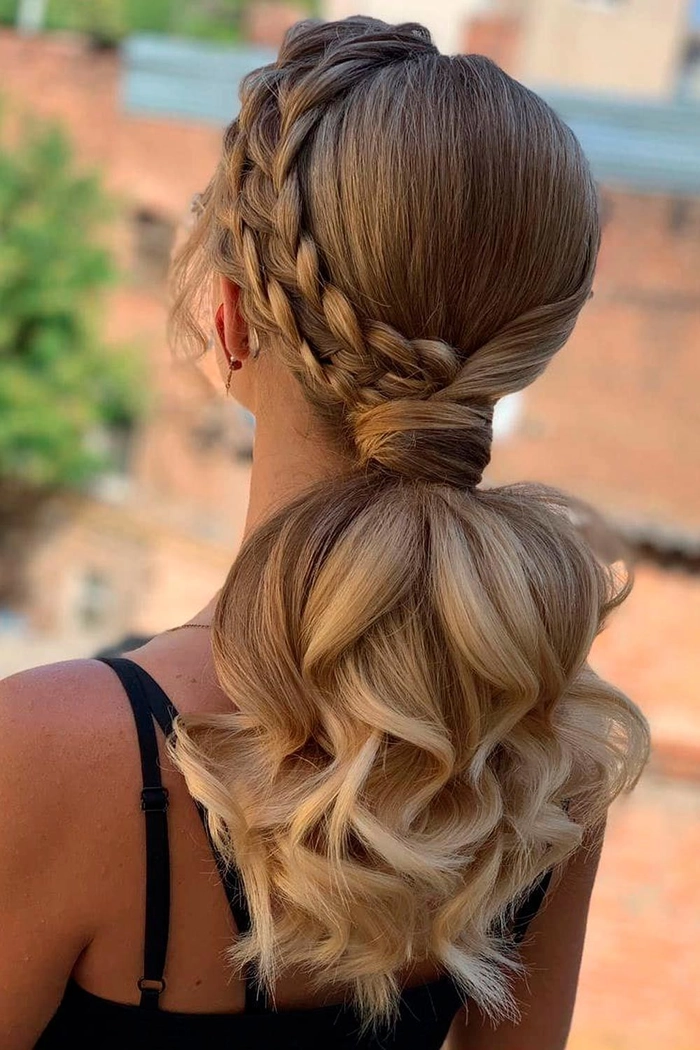
The Dutch braid is versatile enough to be worn sleek and polished, or softened with loose strands for a romantic vibe. Because the braid is woven under the hair, it adds subtle height at the crown, which can help balance round or square face shapes. At the same time, the intricate pattern looks impressive in photos without requiring a full updo. If you love the idea of adding ribbons, flowers, or decorative pins, a Dutch braid provides a sturdy base that keeps accessories in place.
Choosing a Dutch braid based on hair length and texture
Your natural hair texture and hair length influence which Dutch braid variation will look best.
- Fine or thin hair – A single, tight Dutch braid can add the illusion of fullness. Using a lightweight volumizing spray before braiding helps give the hair grip.
- Thick or coarse hair – A loose, chunky Dutch braid shows off the hair’s natural shine and prevents the style from feeling too tight. A smoothing serum can tame frizz.
- Curly or wavy hair – Embrace your natural curl pattern by braiding on damp hair and letting it set. This creates a defined braid that lasts into the evening.
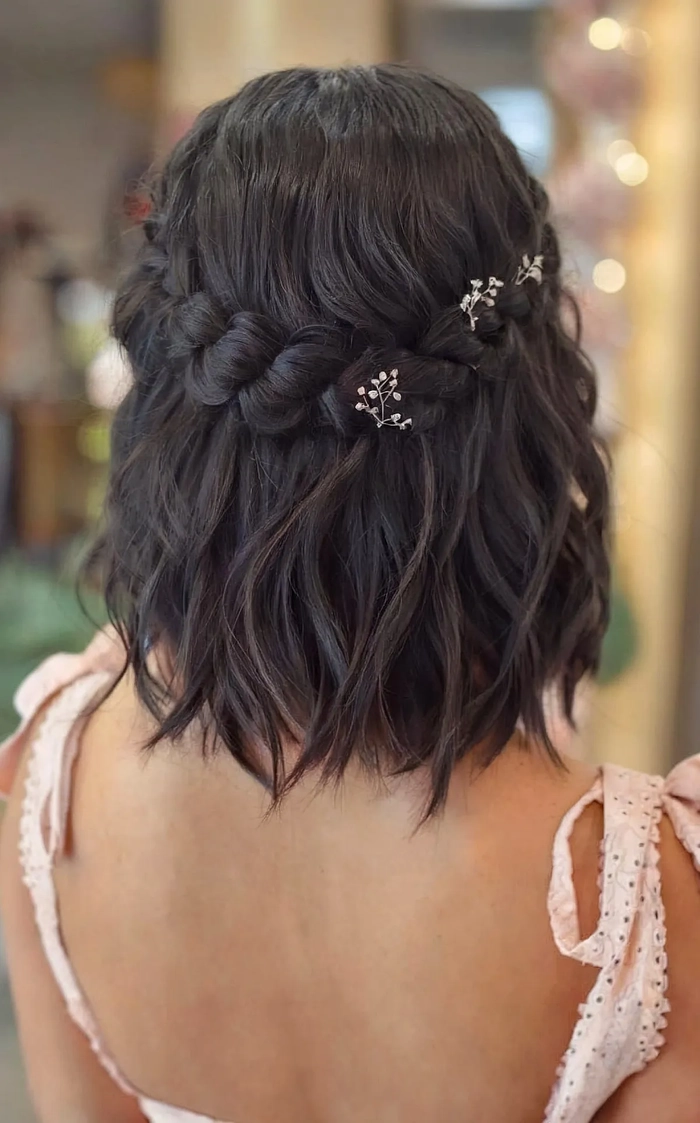
- Layered or short hair – Even with layers, you can start a Dutch braid at the crown and work down, tucking shorter pieces into the weave. If your hair is just above shoulder length, a half‑Dutch braid can give the appearance of a longer style.
Matching the look to your face shape
Understanding how a Dutch braid interacts with your face shape can guide you toward the most flattering version.
For an oval face, almost any placement works; a centered Dutch braid draws attention to the cheekbones. If you have a round face, consider pulling the braid slightly to one side or creating a side part to add length. A heart‑shaped face benefits from a low, loose braid that balances a wider forehead, while a square face can soften angles by keeping the braid sleek and allowing a few wispy strands to frame the jaw.
Styling tips for a polished prom look
Getting a salon‑quality finish at home takes a little prep, but it’s doable with the right steps.
- Start on clean, dry or slightly damp hair. Apply a heat‑protectant spray if you plan to use any hot tools.
- Add a lightweight mousse or volumizing foam to increase grip, especially if your hair is slippery.
- Create a small “bump” at the crown before you begin braiding; this gives the braid its signature lift.
- Keep the tension even as you weave under, and secure the end with a clear elastic that matches your hair color.
- Finish with a light‑hold hairspray to lock the style without making it stiff.
If you want extra shine, a drop of serum on the finished braid can make the strands gleam under the prom lights.
Adding accessories and hair color ideas
A Dutch braid can be a blank canvas for accessories. You might weave in velvet ribbons for a soft, vintage touch, or pin small floral buds along the braid for a spring‑like feel. For those who love bold color, a balayage or ombré can give the braid a gradient effect that shows off dimension. If your hair is a deep, saturated hue, a subtle shimmer spray can enhance the richness without overwhelming the style. If you love pairing braids with ribbons, our guide to prom hairstyles with velvet ribbons shows how to weave them in without damaging the style.
Keeping the braid fresh through the night
Prom can be long, so a few simple tricks help maintain the look.
- Pack a small travel spray of dry shampoo to tame any oil that pops up.
- Carry a few bobby pins in case a strand loosens; you can secure it in seconds.
- Avoid touching the braid repeatedly, as this can cause frizz.
- If you’re wearing a mask for a themed event, gently lift the mask over the braid instead of pulling it off sideways to preserve the shape.
What to ask your stylist before the appointment
Before you sit in the chair, consider these questions:
- “Can we do a Dutch braid that incorporates my natural texture while still looking polished?”
- “What styling products do you recommend for my hair type to keep the braid secure?”
- “How far in advance should we schedule the blow‑dry or treatment so the hair is in the best condition?”
- “Would adding a hair accessory or a touch of color complement my dress without overpowering it?”
These answers help you and your stylist align expectations, ensuring the final look matches your vision.
Putting it all together
Choosing a prom hairstyle with a Dutch braid is about matching the style to your personality, hair type, and the vibe of the evening. Think about how much maintenance you’re comfortable with, whether you want to add accessories, and how the braid will complement your face shape and dress neckline. If you’re leaning toward a soft, romantic look, keep the braid loose with a few face‑framing strands. If drama is your goal, a sleek, tight Dutch braid with a subtle height boost can give that edge.
Start by trying a practice braid at home, experimenting with the tension and placement that feels most comfortable. When you feel confident, bring those notes to your salon consultation. With the right prep, a Dutch braid can stay fresh from the first dance to the last photo, letting you enjoy the night without worrying about your hair.
 Chic Prom Hairstyles Perfect for Short Bob Haircuts
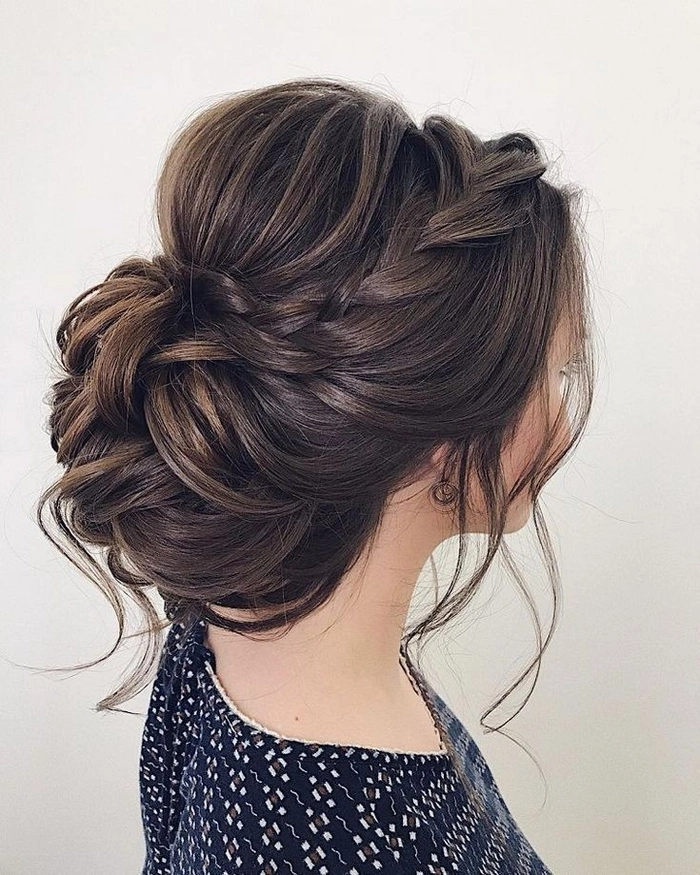 Stylish Medium-Length Prom Updos Perfect for Thick Hair
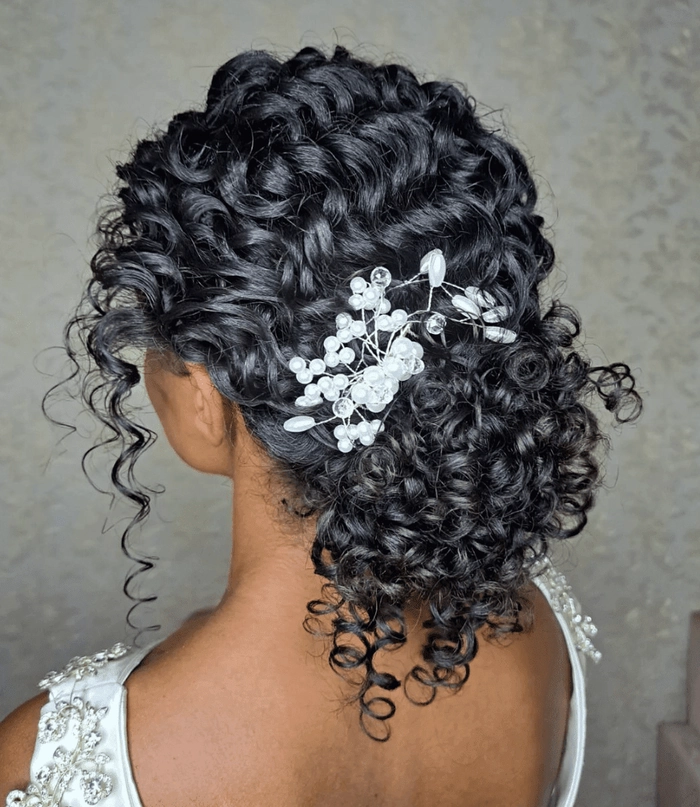 Elegant Long Prom Hairstyles for Natural Curly Hair
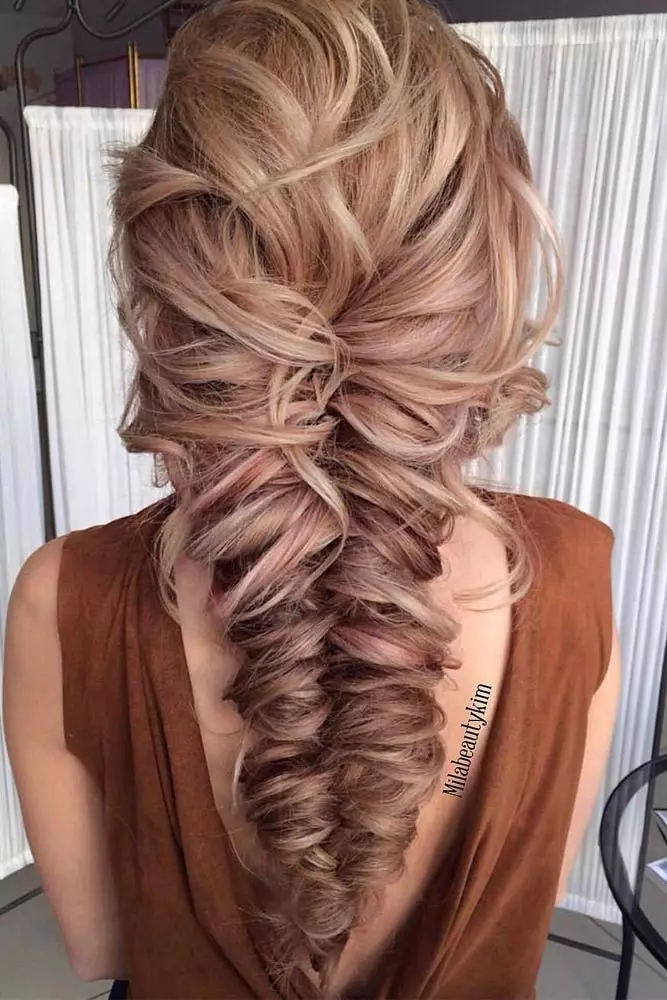 Stunning Prom Hairstyles for Long, Thick, and Heavy Hair
 Voluminous Prom Hairstyles Perfect for Thin Hair
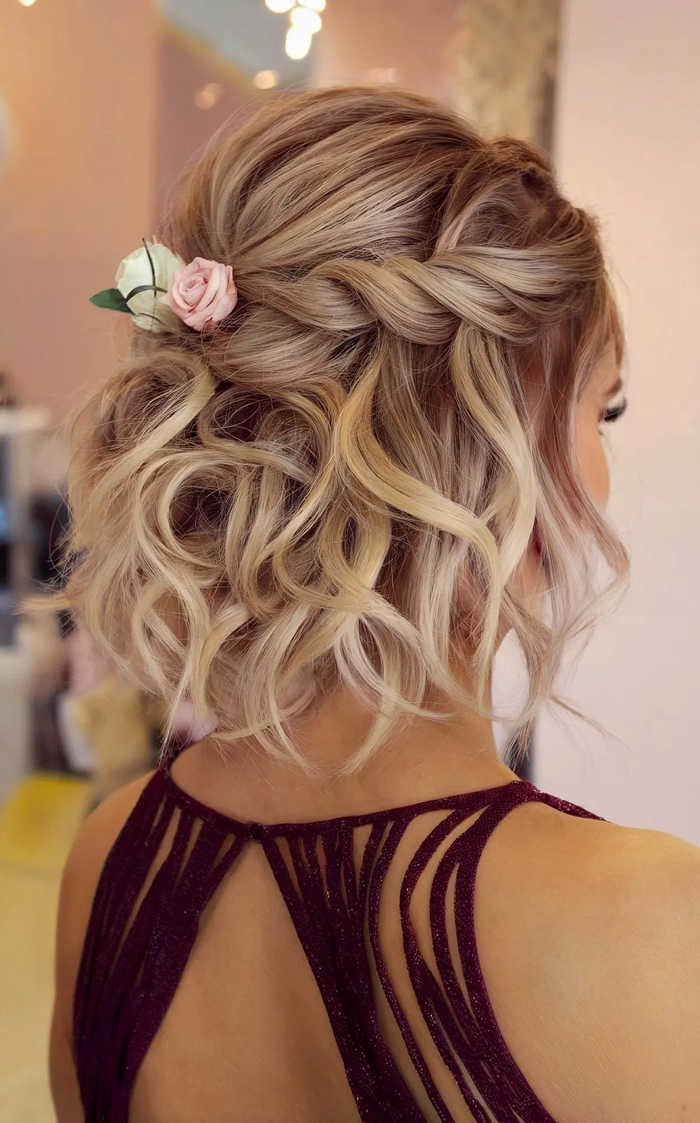 Elegant Prom Updos Perfect for Short Layered Hair Styles