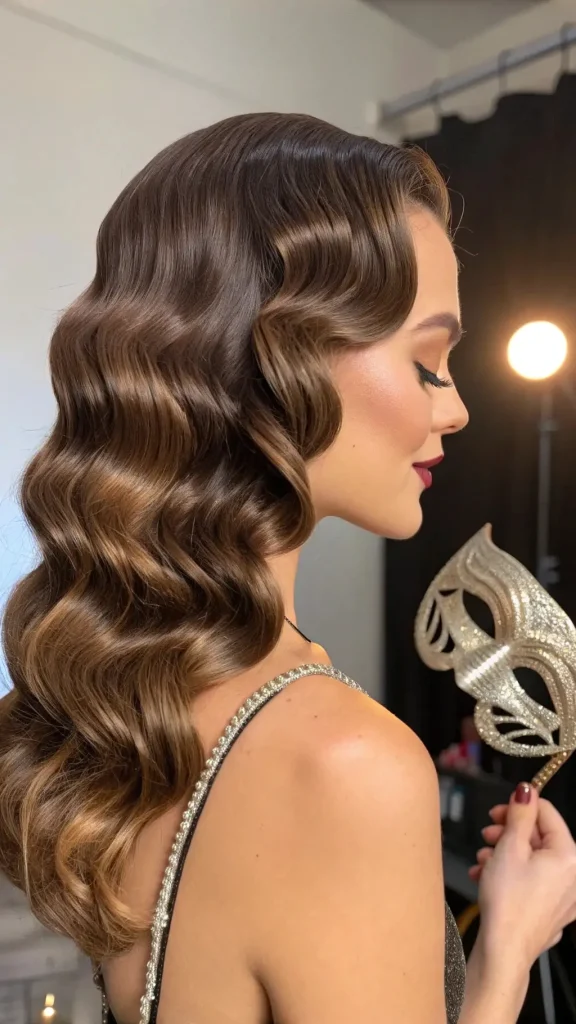
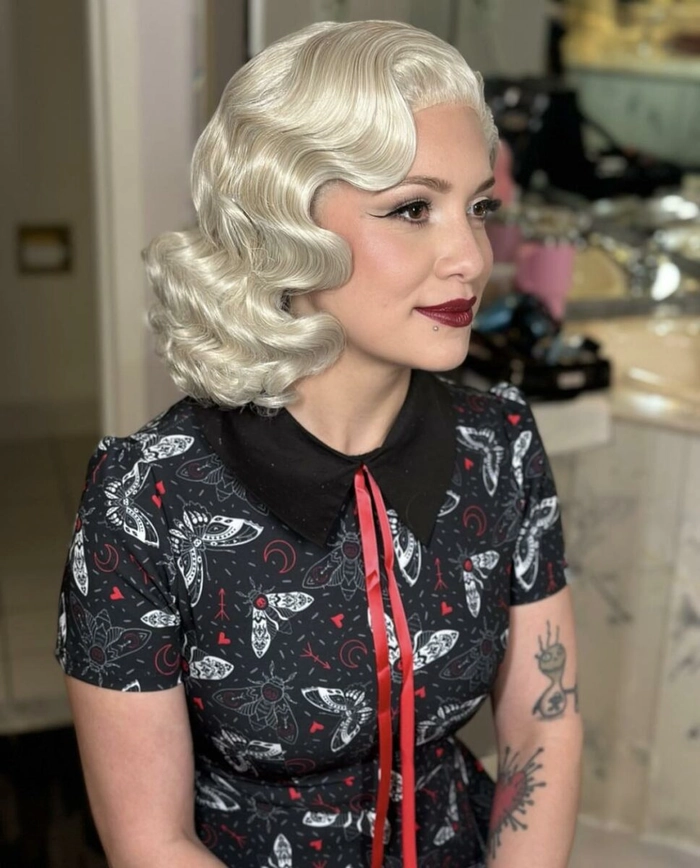
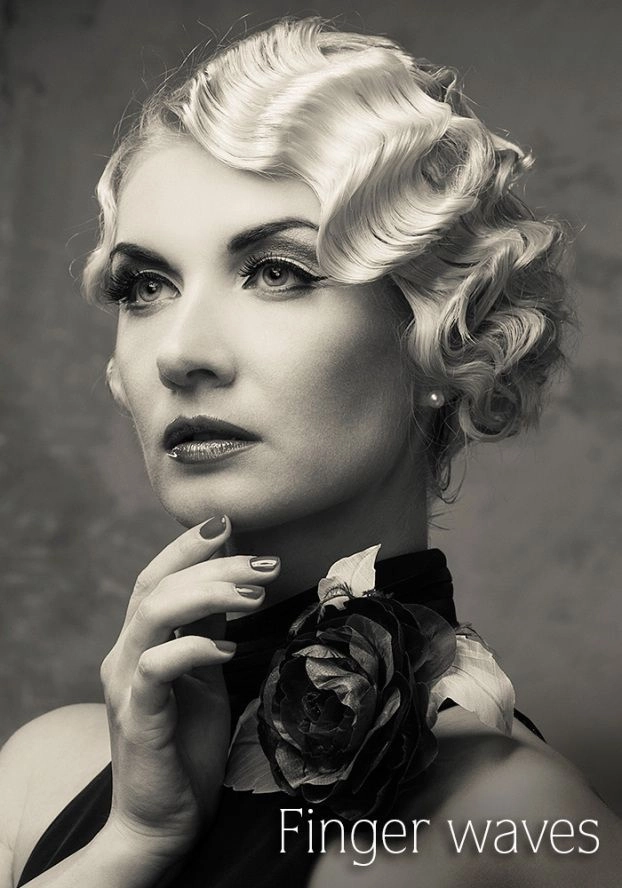
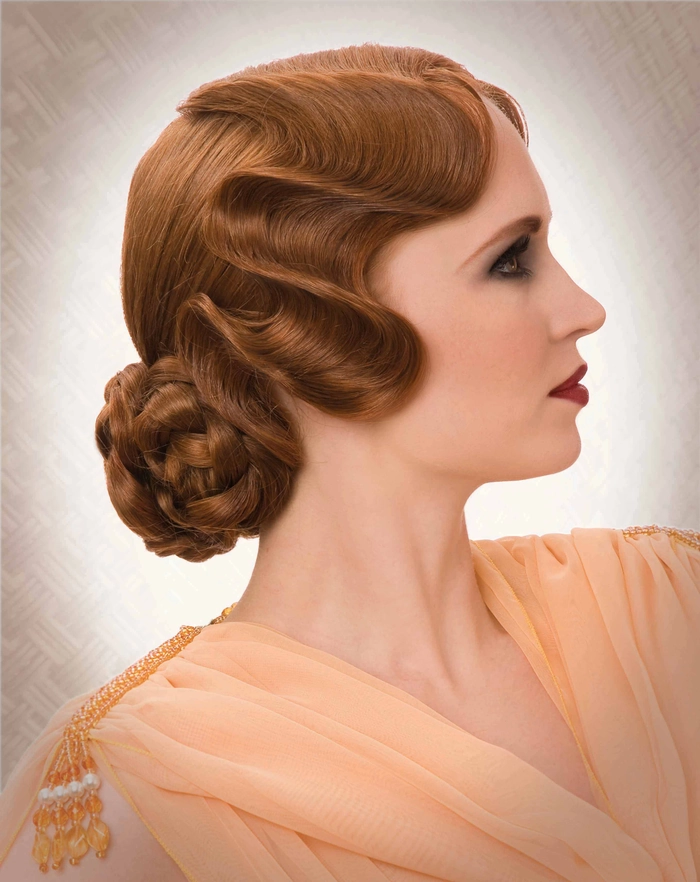
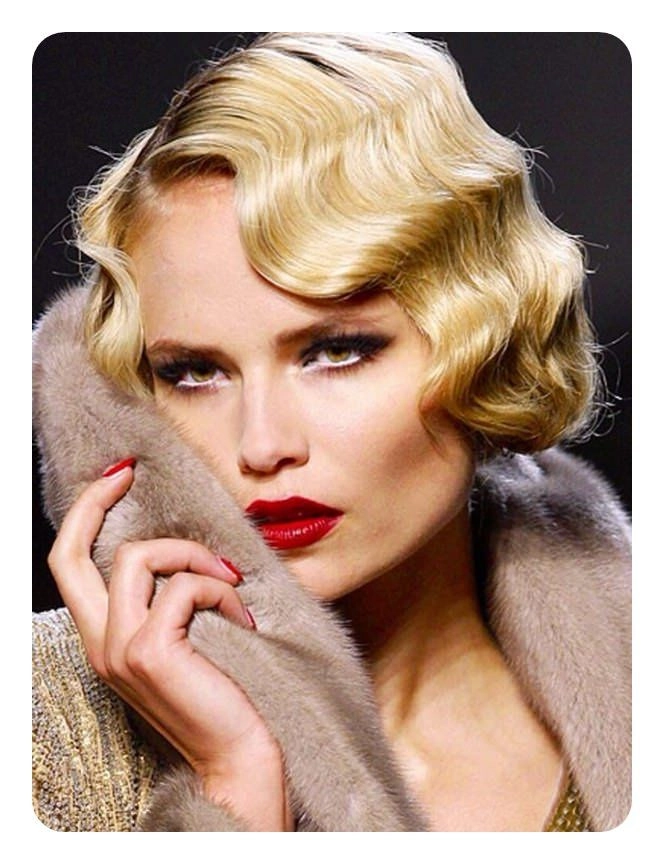
There's something undeniably magnetic about vintage finger waves that sculpted, Old Hollywood elegance that catches the light just right beneath a masquerade mask. Whether you're heading to a themed gala, a New Year's Eve ball, or a black-tie costume party, mastering this classic special occasion hairstyle can transform your entire look from ordinary to unforgettable. But here's the thing: finger waves aren't one-size-fits-all. Your hair texture, face shape, and even your daily styling routine all play a role in how well this style works for you. Let's break down everything you need to know to pull off a stunning set of waves without the frustration.
Why Finger Waves Remain a Go-To for Masquerade Balls
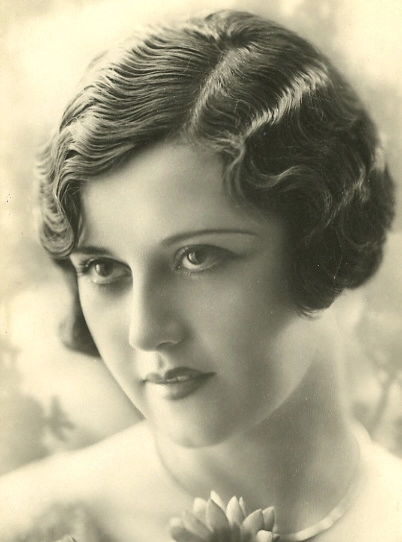
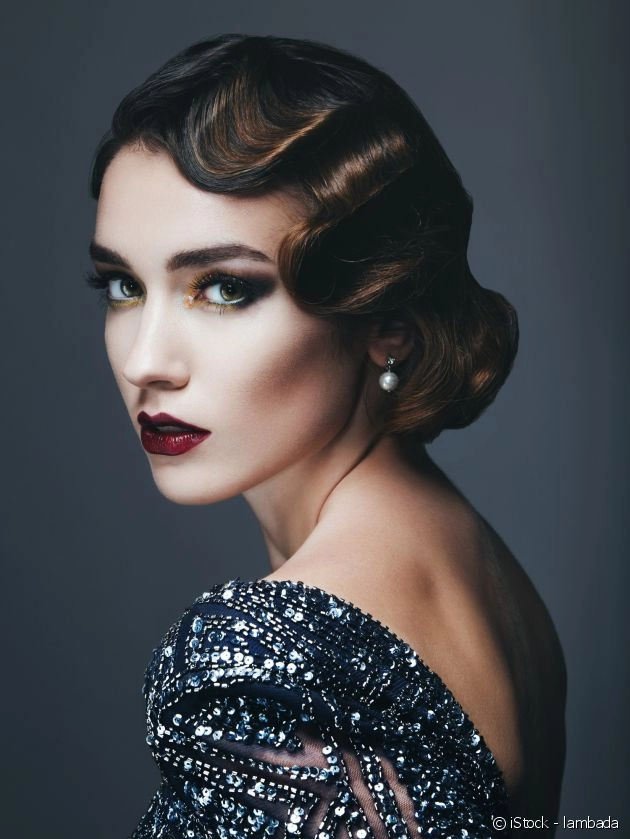
Finger waves first rose to prominence in the 1920s and 1930s, and their appeal hasn't faded. For a masquerade ball, they strike the perfect balance between drama and sophistication. A structured wave pattern frames the face beautifully while complementing ornate masks, feathers, and jewelry. Unlike updos that compete with a mask's straps and embellishments, finger waves lay close to the head, creating a low-maintenance hairstyle that stays put throughout the evening.
They also work across a surprisingly wide range of hair lengths. Whether you're working with a bob or shoulder-length strands, finger waves can be adapted to suit what you have no extensions required.
Matching the Style to Your Face Shape and Hair Texture
Not every wave pattern flatters every face, and that's worth understanding before you commit. If you have a round face shape, deeper, more defined waves that add height at the crown can elongate your features. For those with a square or angular jawline, softer, more relaxed waves along the sides create a beautiful contrast.
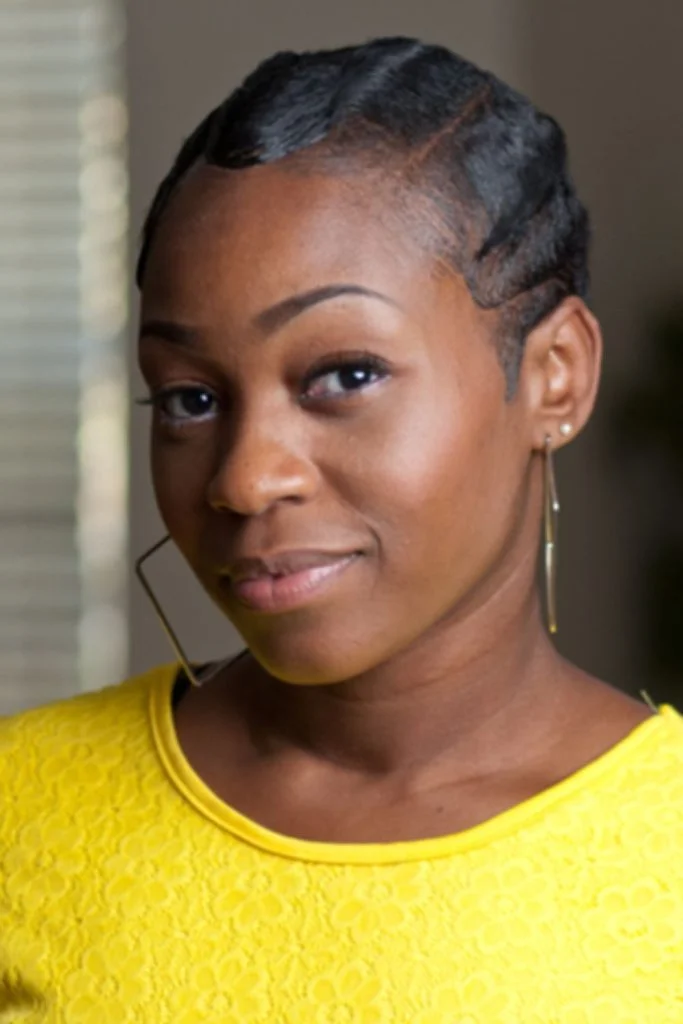
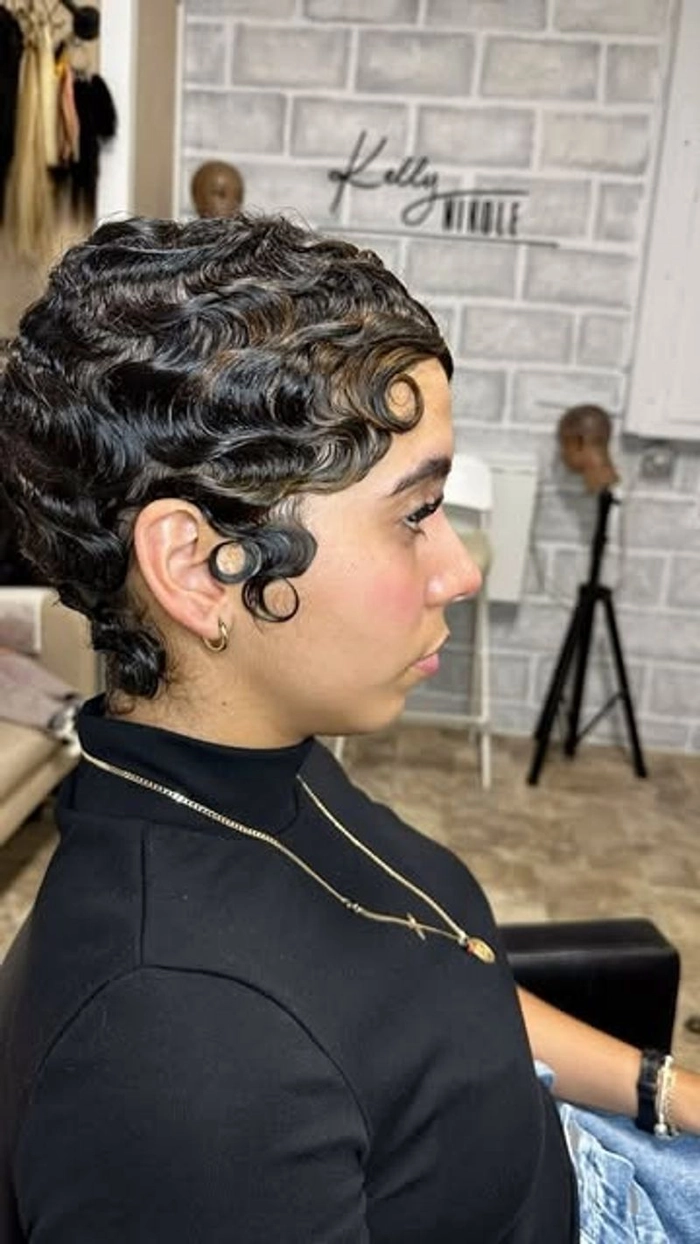
Hair texture matters too. Straight to wavy hair responds most predictably to traditional finger-waving techniques using gel and a fine-tooth comb. Curly and coily textures can achieve gorgeous finger-wave looks as well though the method may involve different products and drying times. A salon consultation beforehand can help you and your stylist plan the best approach for your specific hair type.
How to Create Polished Finger Waves at Home
You don't need a professional stylist to achieve a beautiful set of waves, though help never hurts. Here's a practical step-by-step approach:
- Start with clean, damp hair apply a generous amount of styling gel or wave-setting lotion evenly throughout.
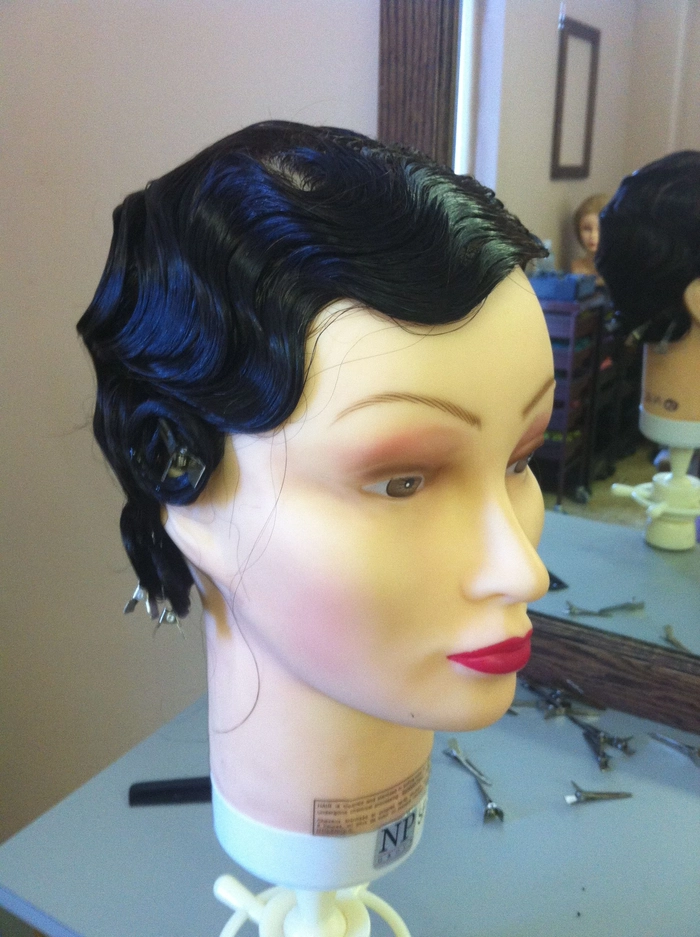
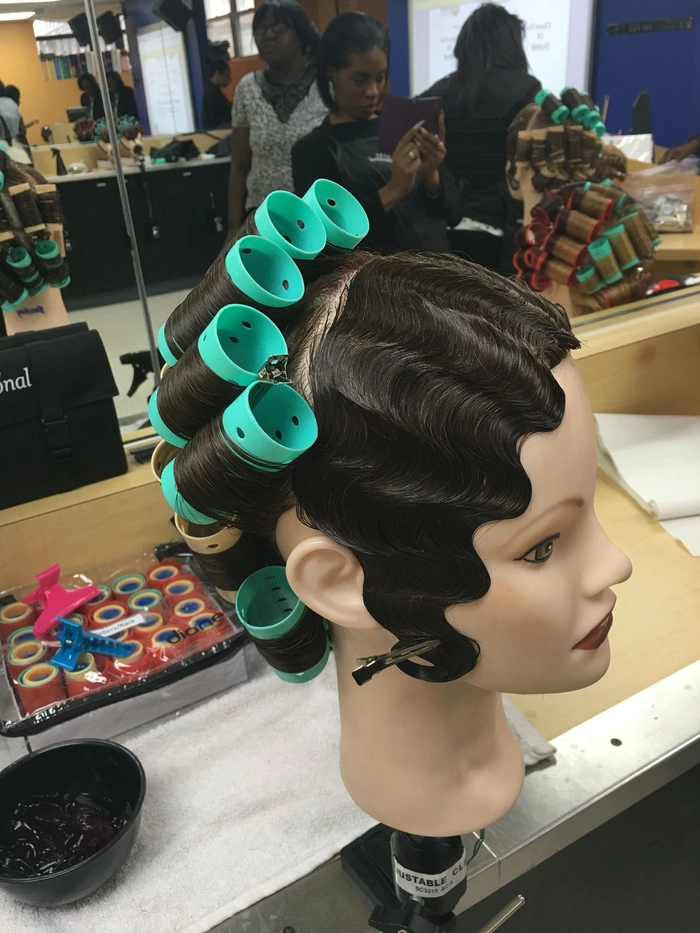
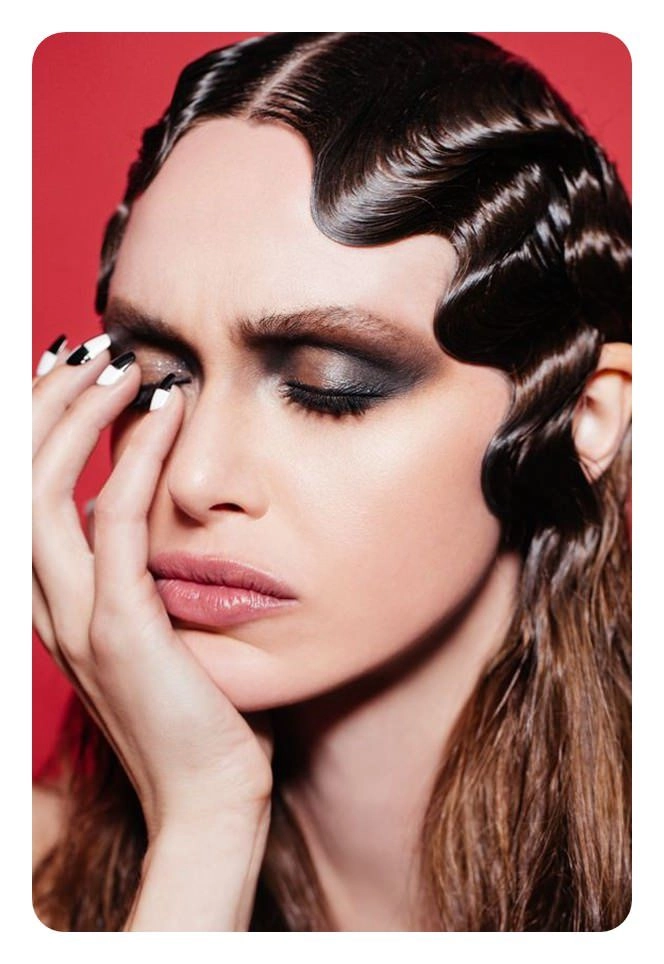
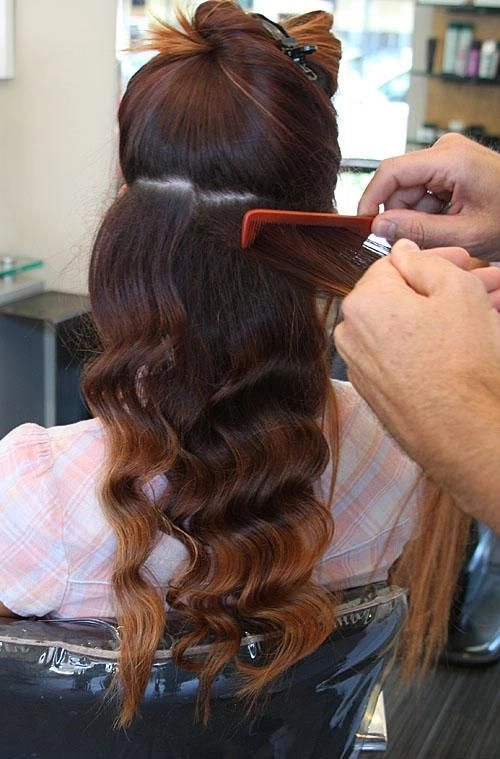
- Use a fine-tooth comb and your fingers to sculpt S-shaped waves, pressing and holding each ridge in place.
- Secure sections with duck-bill clips to maintain the wave pattern while drying.
- Allow your hair to air dry completely or use a diffuser on low heat rushing this step causes frizz and uneven waves.
- Once fully dry, gently remove clips and brush lightly with a soft bristle brush for a smoother finish, or leave the ridges defined for a more dramatic effect.
The key to longevity is product. A strong-hold gel or mousse designed for structured styles will keep your waves intact through hours of dancing. Avoid touching your hair repeatedly that's the fastest way to disrupt the pattern.
Styling Tips and Common Mistakes to Avoid
Even with the best technique, a few common pitfalls can trip you up. Applying too much product can make waves look crunchy and stiff rather than sleek. On the flip side, too little product means the waves won't hold their shape. Finding the right balance takes practice, so consider doing a trial run before the actual event.
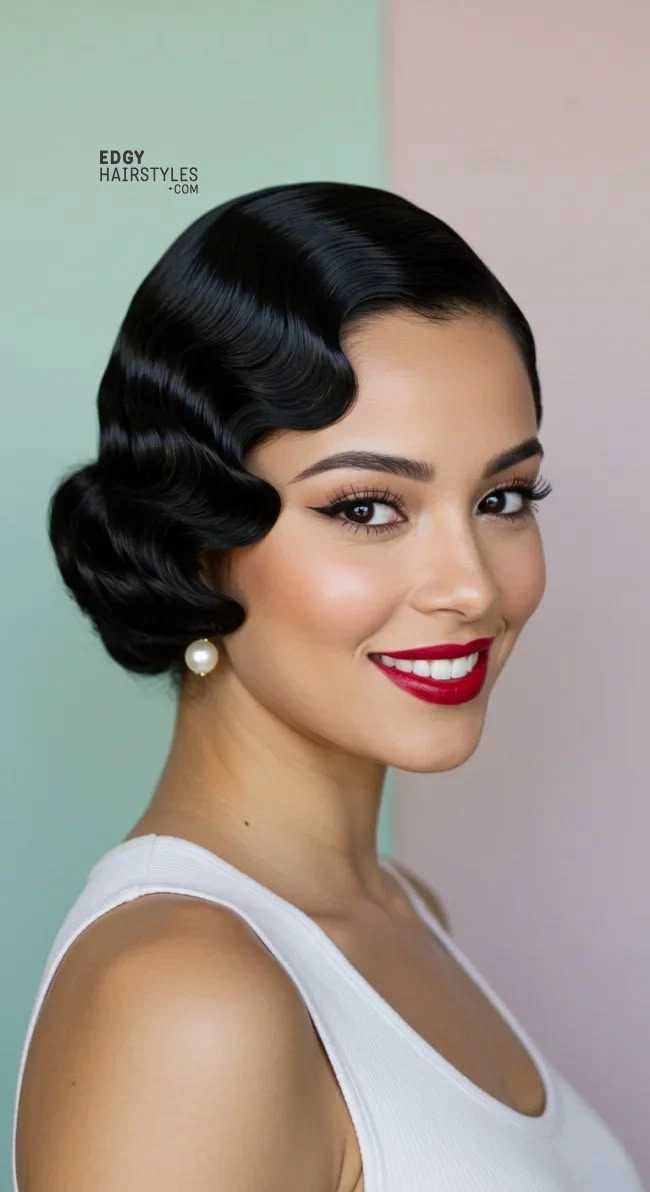
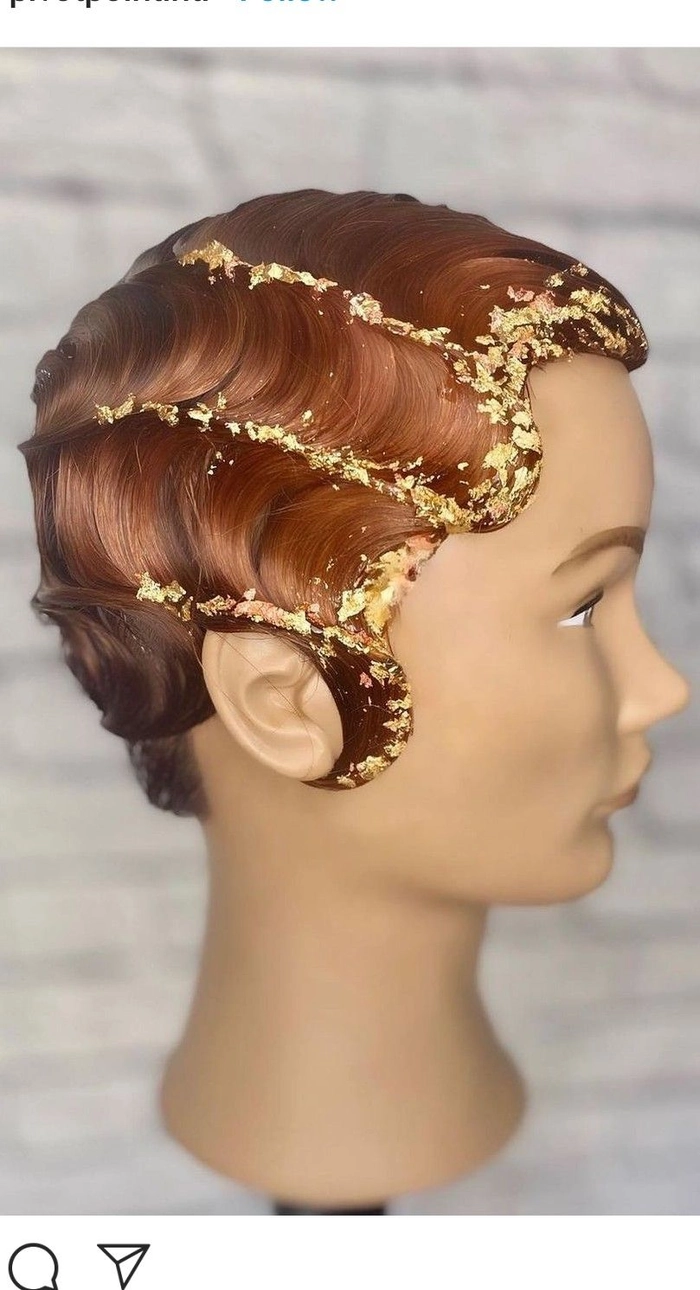
Another frequent mistake is ignoring hair color ideas that complement the style. Finger waves on darker hair tones create a rich, glossy depth that reads beautifully under evening lighting. Lighter or highlighted hair can showcase the dimension of each wave ridge something worth considering when planning your overall masquerade look.
Also, pay attention to your styling routine in the days leading up to the event. Clean, product-free hair holds waves best. If your hair tends to be oily or heavily conditioned, do a clarifying wash the day before to give the gel something to grip.
Keeping Your Look Fresh All Night Long
Once you've nailed the waves, maintaining them is simpler than you might expect. Tuck a small travel-size gel and a fine comb into your clutch for quick touch-ups. If your mask sits tight against your forehead, adjust the wave placement slightly higher so the elastic doesn't flatten your ridges. For everyday hairstyles, you can adapt this same technique into looser, more relaxed waves that feel less formal but carry that same retro charm.
Choose a Style That Feels Like You
Masquerade ball vintage finger waves are more than just a hairstyle inspiration they're a statement. The best version of this look is the one that fits your face, your hair, and your comfort level. Don't chase perfection at the expense of confidence. Whether you go for tight, sculpted ridges or a softer, more romantic wave, the right approach is one that makes you feel like the most striking person behind that mask.
 winter gala hairstyles for medium curly hair - Party
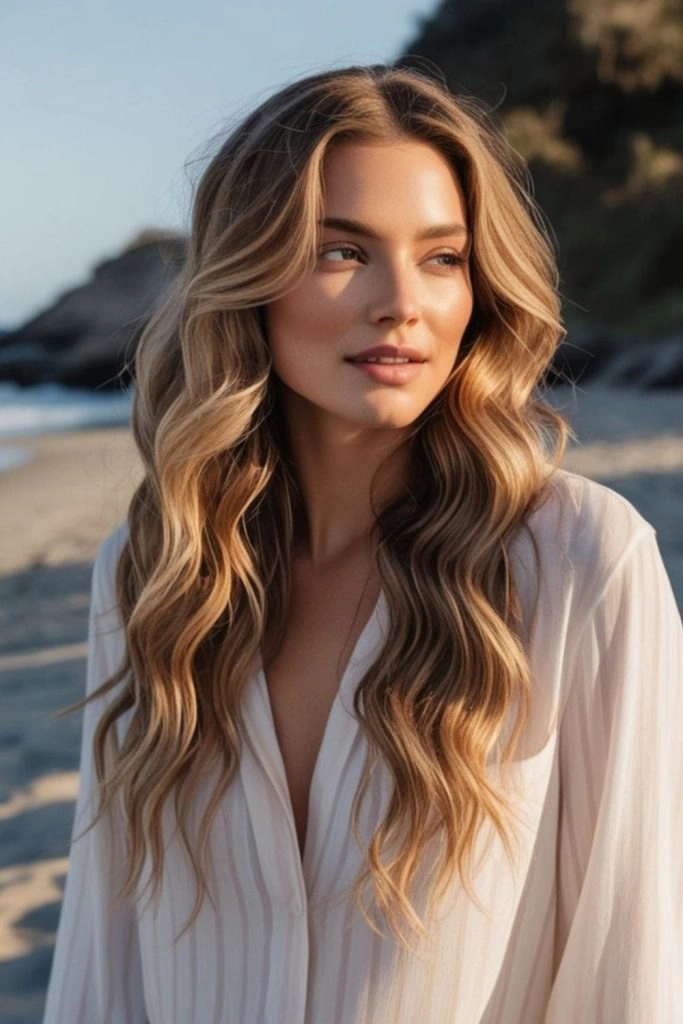 Messy Beach Waves for Your Bachelorette Party
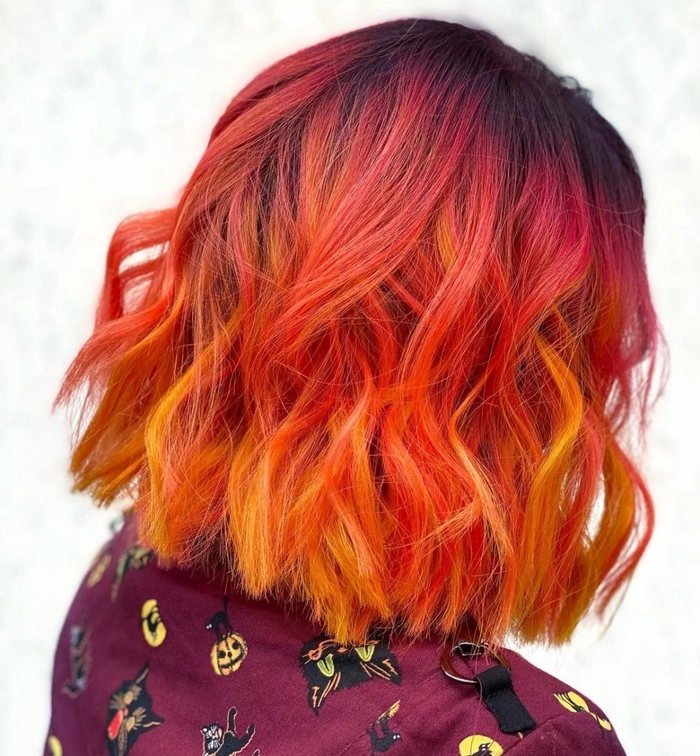 Edgy Halloween Party Hairstyles for Short Hair
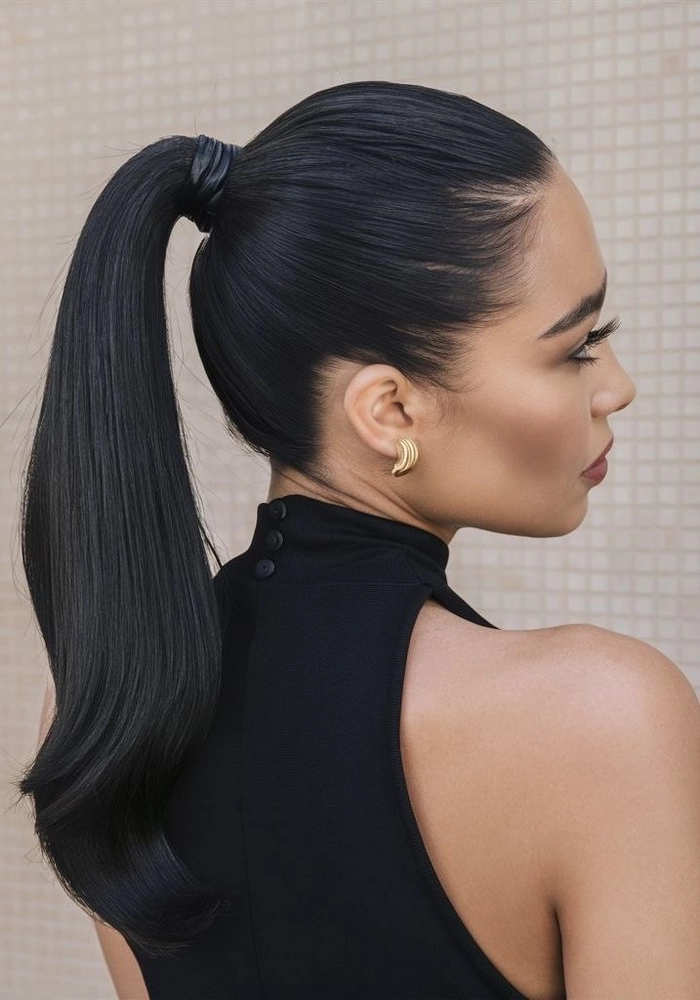 Sleek High Ponytails for Cocktail Attire
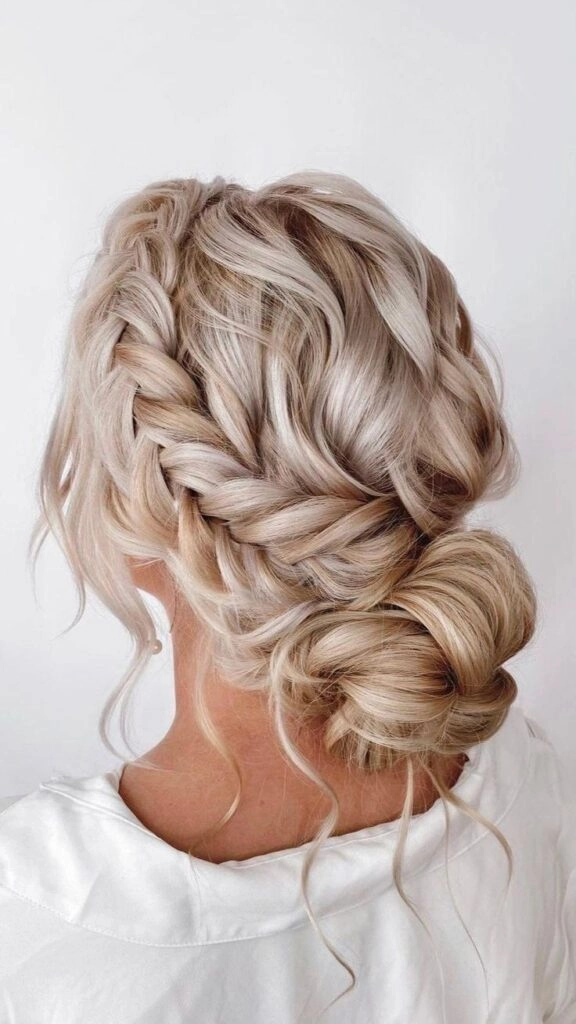
 Elegant Low Buns for Christmas Dinner
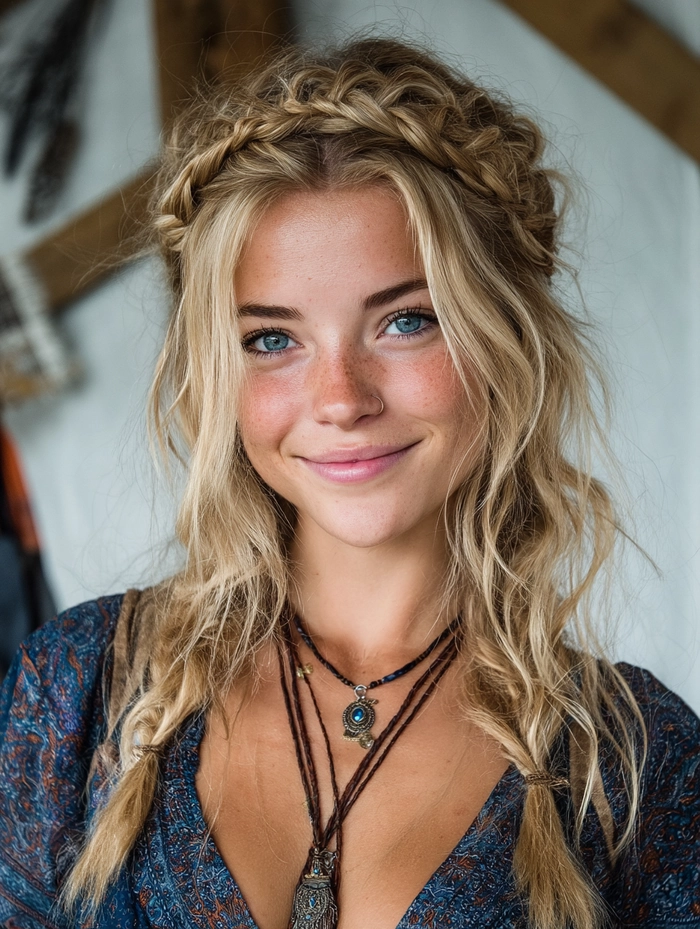 Boho Braided Crowns for Music Festival Style