Planning your wedding hair for a Jewish ceremony is one of those details that feels small until you realize just how much it shapes your entire bridal look. Whether you're honoring tradition with a bedeken veil, wearing a modern sheer veil for the chuppah, or blending both, the hairstyle underneath matters just as much as the veil itself. The right combination keeps you comfortable through hours of celebration, photographs beautifully from every angle, and complements your personal style. Let's walk through how to choose a look that truly works for you.
Understanding the Veil's Role in Jewish Wedding Traditions
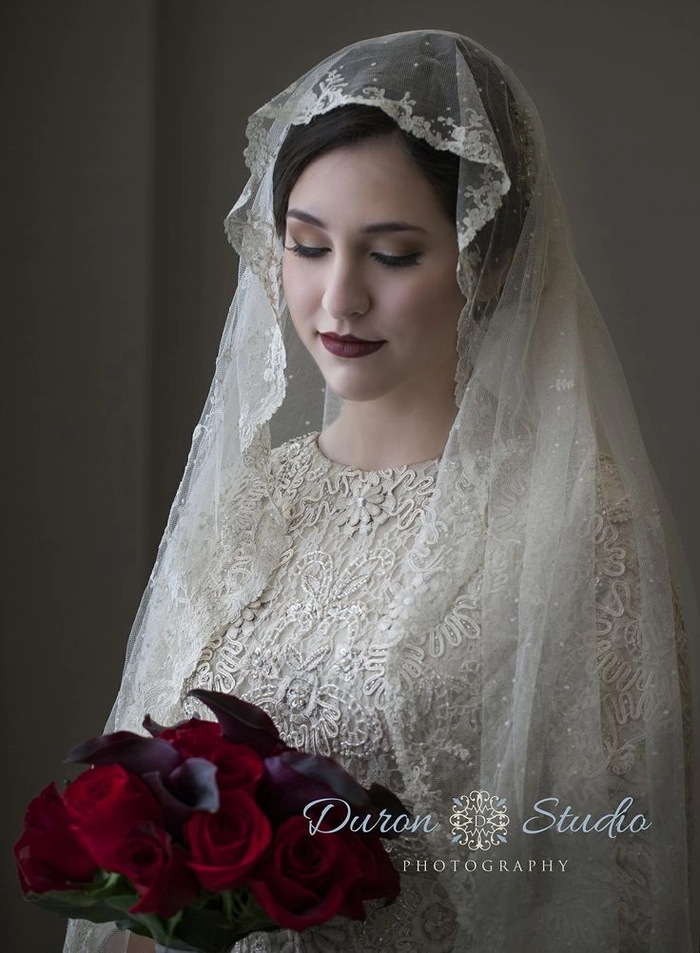
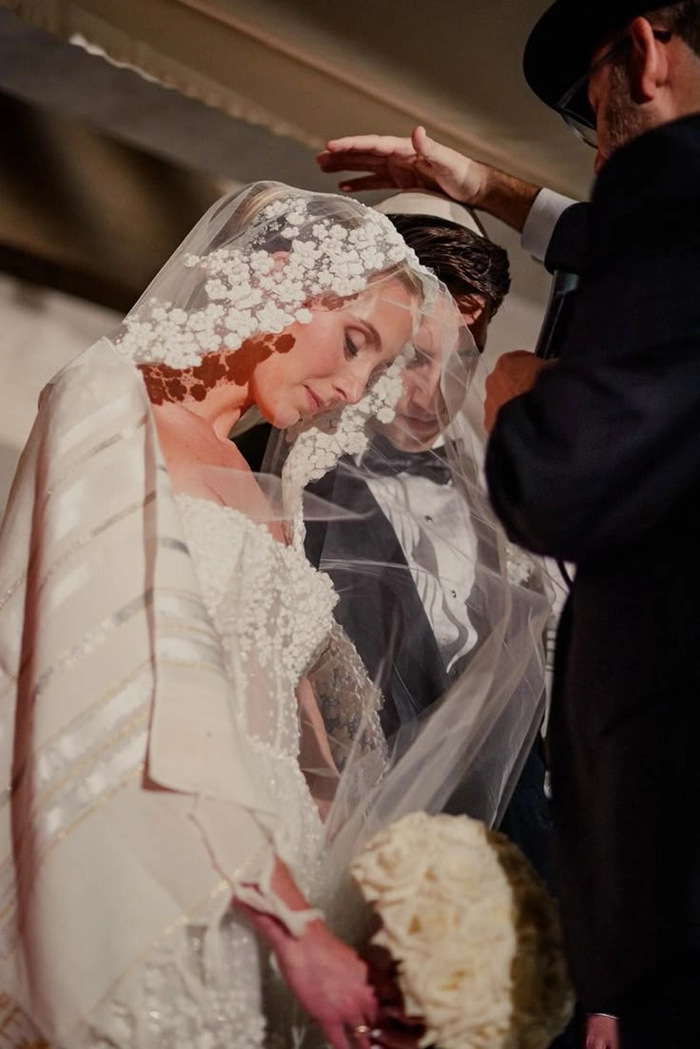
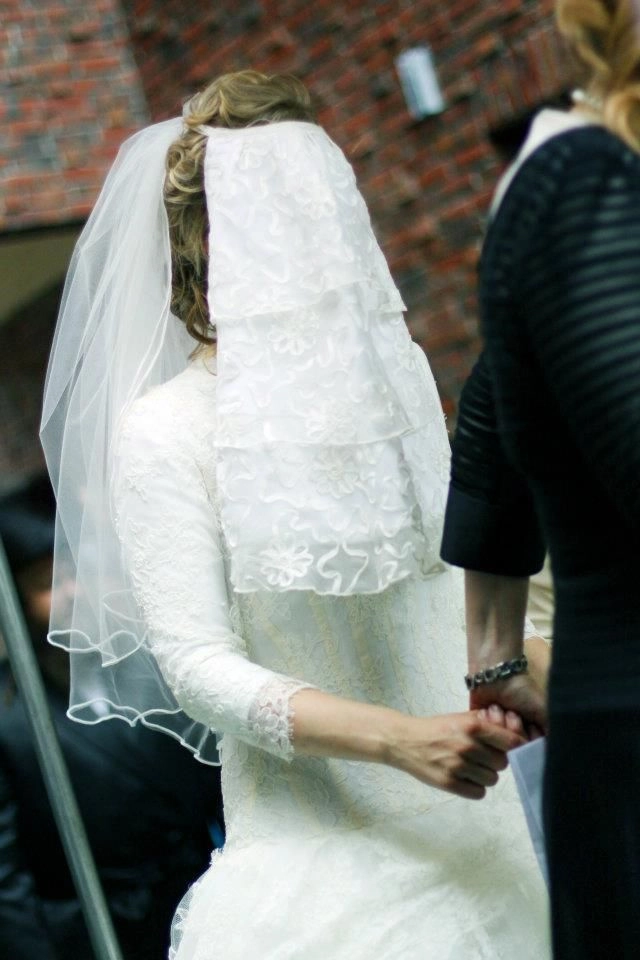
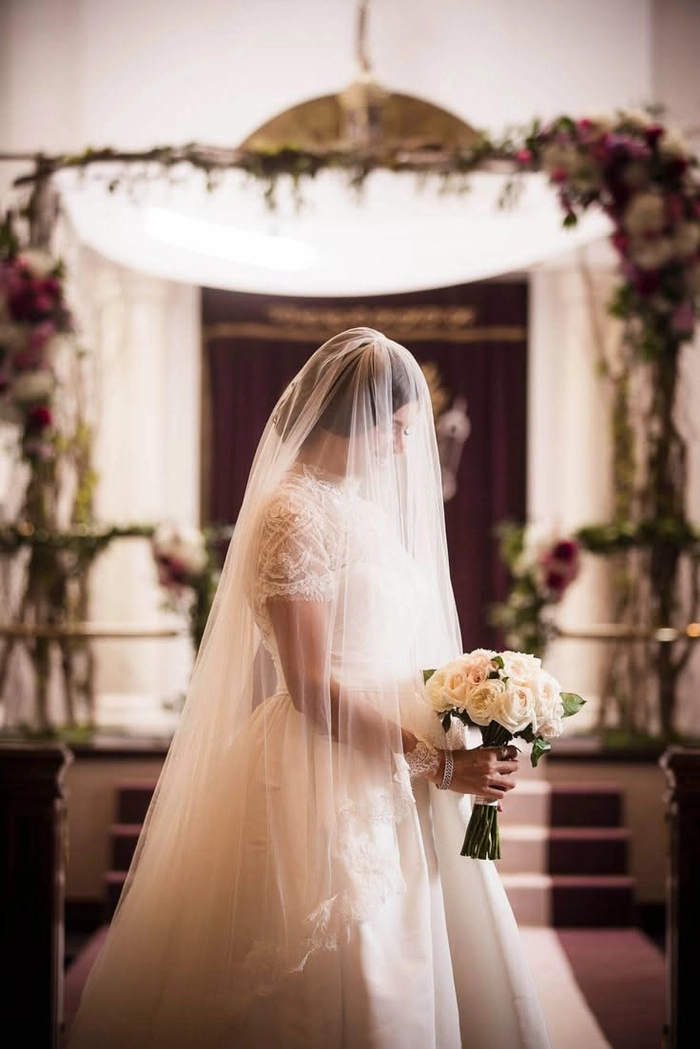
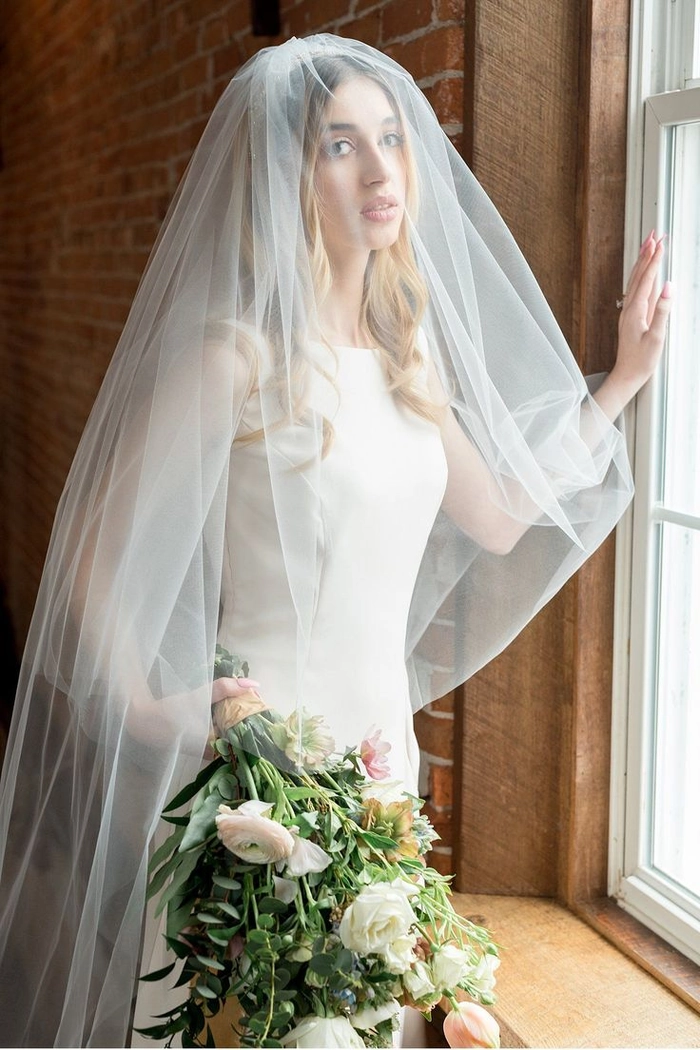
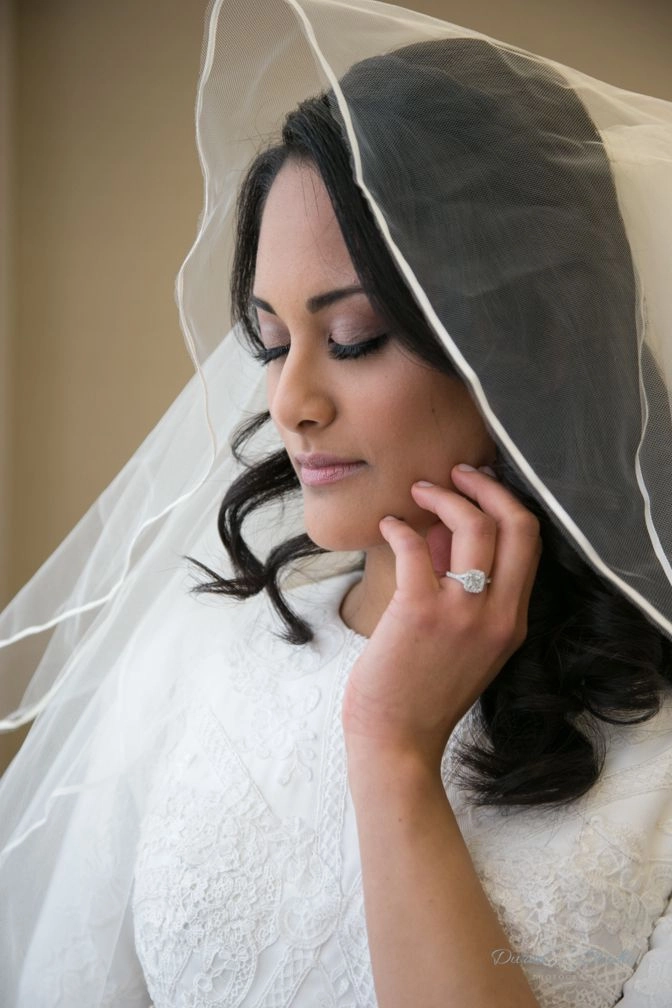
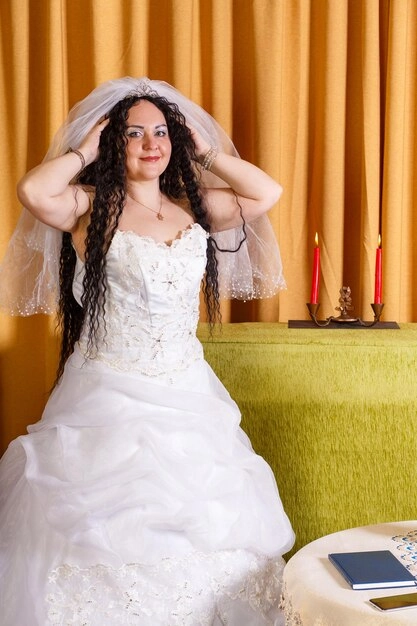
In many Jewish weddings, the veil holds deep significance. During the bedeken ceremony, the groom lowers the veil over the bride's face a moment rich with meaning and emotion. This means your veil isn't just an accessory; it's central to the ceremony. Your hairstyle needs to support the veil securely while still looking stunning once it's removed for the reception.
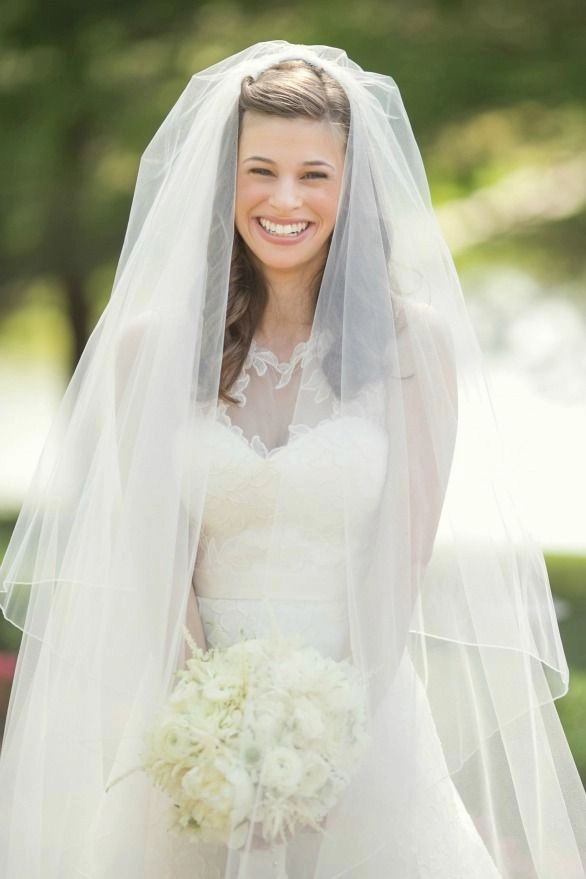
Thicker veils with heavy embellishments require a sturdier base style, while lightweight illusion veils work well with softer, more relaxed looks. Understanding this balance early on helps you avoid last-minute surprises at the salon.
Choosing the Right Style for Your Face Shape and Hair Texture
Not every trending hairstyle flatters every face shape, and that matters even more when you're framing your look with a veil. Here's a practical breakdown:
- Round face: Soft updos with volume at the crown elongate the face. Avoid styles that add width at the cheeks.
- Oval face: Most styles work well low chignons, half-up looks, and romantic waves are all strong choices.
- Heart-shaped face: Side-swept styles or loose layers around the jawline balance a narrower chin beautifully.
- Square face: Soft curls and layered hair near the face soften angular features without hiding them.
Your hair texture plays an equally important role. Fine hair benefits from texturizing products and slight teasing to hold a veil comb in place, while thicker or curly hair may need smoothing or pinning techniques to keep everything secure throughout the ceremony.
Popular Jewish Wedding Hair Ideas That Pair Beautifully With a Veil
Some styles have become favorites among brides for good reason they photograph well, hold up through long celebrations, and work with a wide range of veil types:
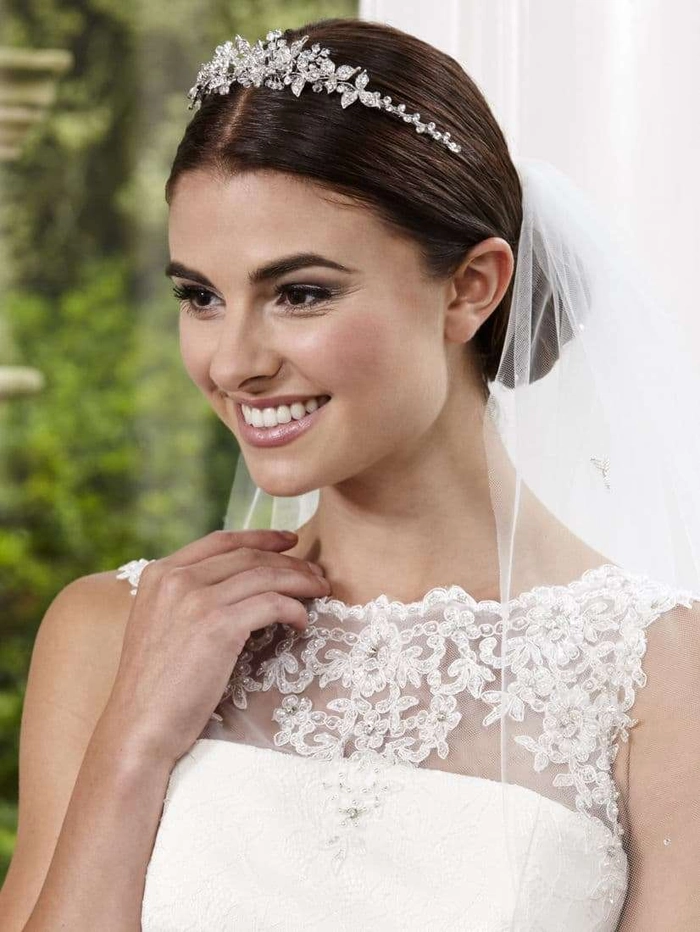
- Classic low bun or chignon: Clean, elegant, and one of the most secure bases for any veil. A stylist can position the veil comb directly above or below the bun for a seamless look.
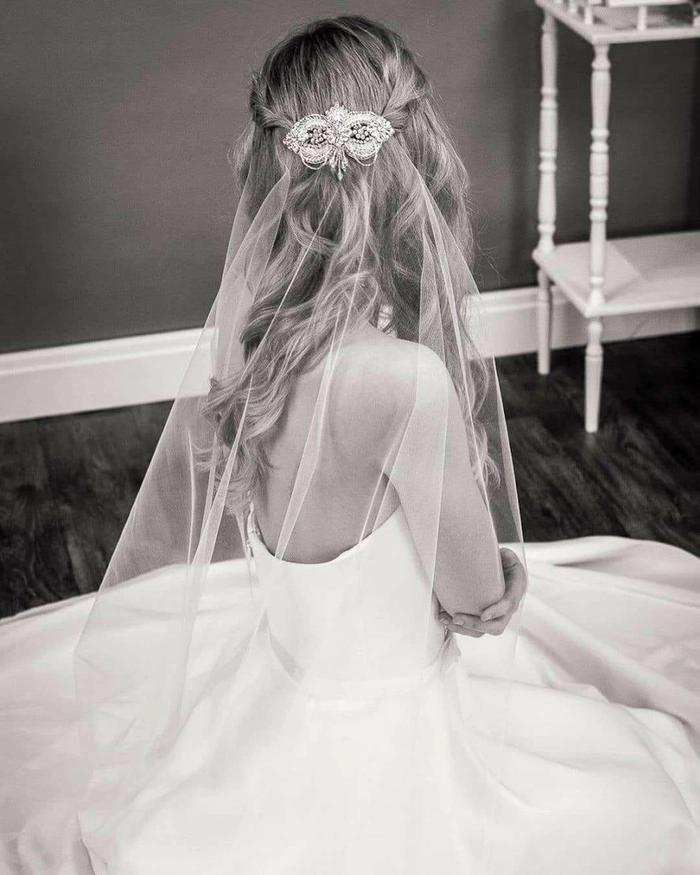
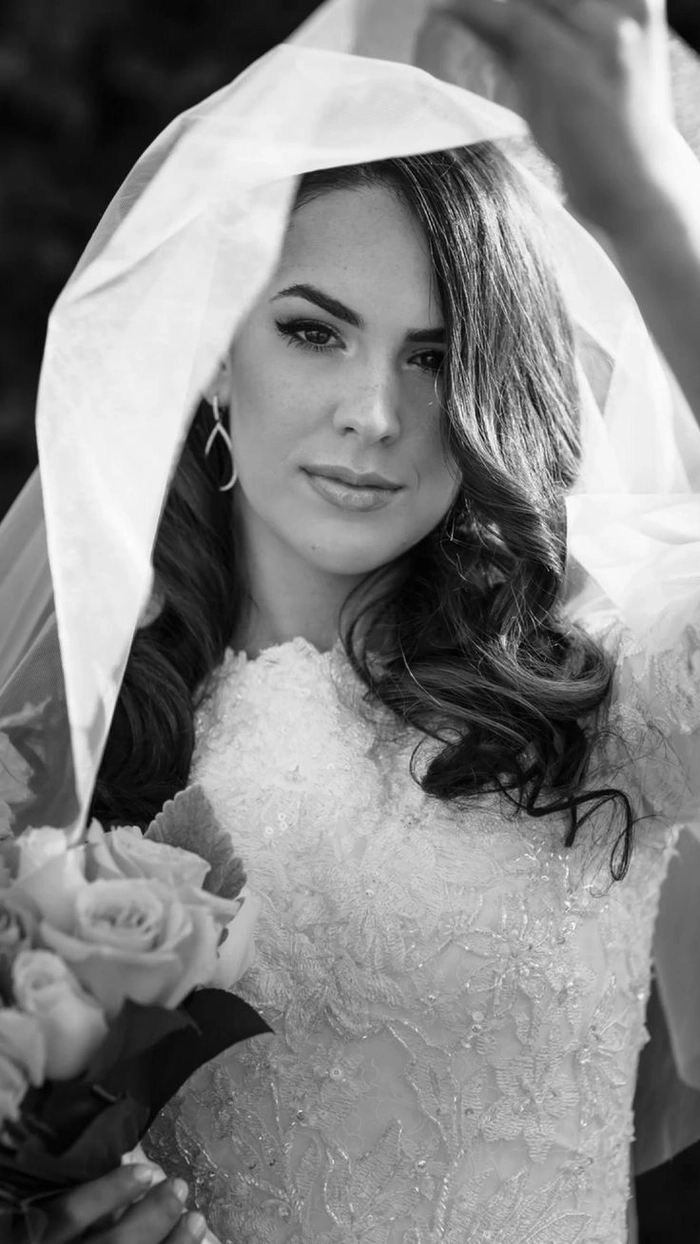
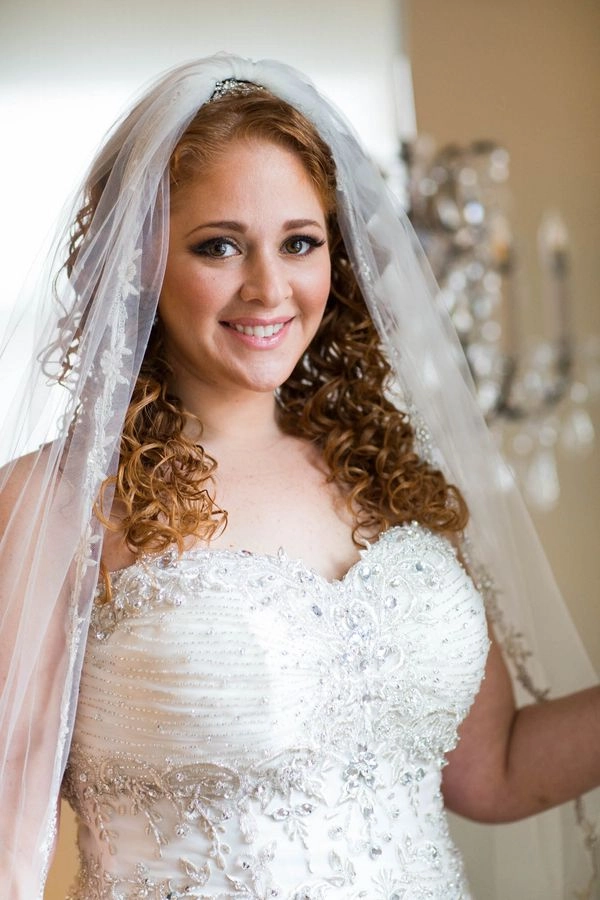
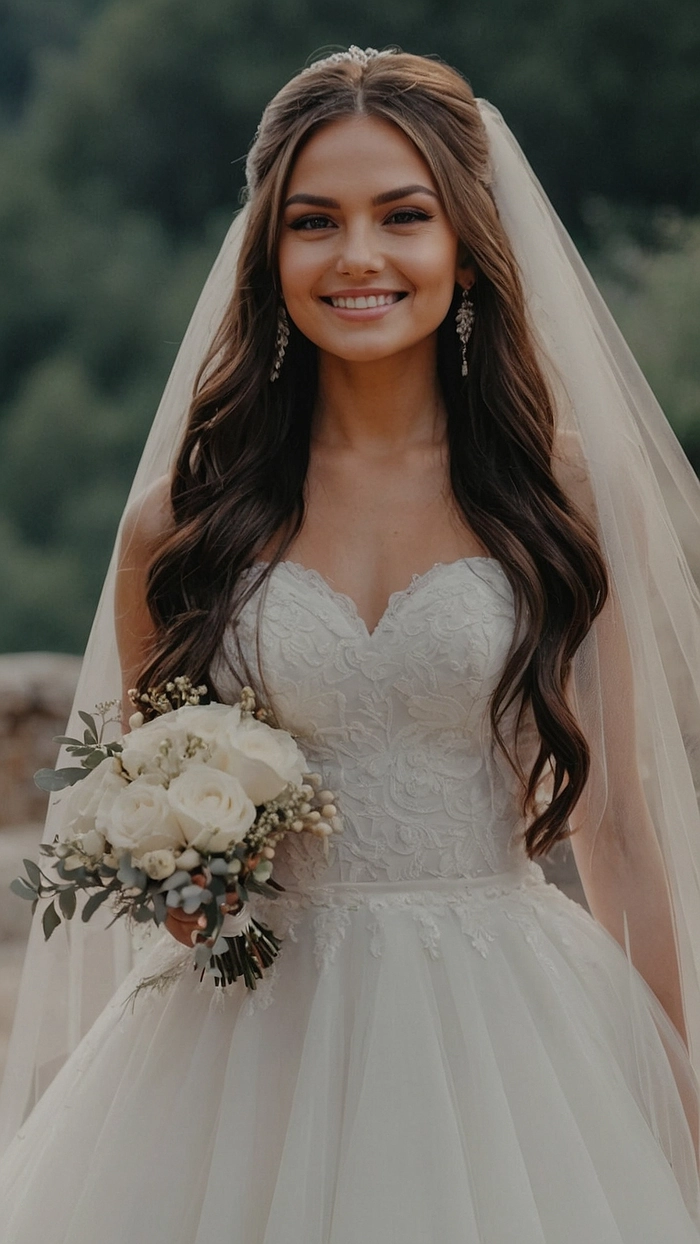
- Half-up, half-down with soft curls: A popular choice for brides who want movement and romance without sacrificing veil stability.
- Braided updos: Beautiful for adding texture and visual interest, especially with layered hair or hair color ideas like highlights that catch light through the braid.
- Sleek pulled-back ponytail: A modern, low-maintenance hairstyle option that puts the focus on your features and jewelry.
Practical Tips to Keep Your Look Polished All Day
A wedding day hairstyle needs to survive the bedeken, the ceremony, hours of dancing, and everything in between. Here's how to make that happen:
- Book a trial run with your stylist at least a month before the wedding. Wear the actual veil or a similar one during the trial.
- Prep your hair properly. Avoid washing it the morning of the wedding day-old hair holds styling products and pins far better.
- Use the right products. A lightweight hairspray, anti-humidity serum, and quality bobby pins make a noticeable difference in longevity.
- Ask your stylist how the veil attaches and whether removing it will disturb the hairstyle beneath. This is crucial if you plan to wear the veil only for the ceremony.
- Consider bangs or face-framing pieces. Even if you wear a full updo, a few soft pieces around the face add softness in photographs and feel more natural.
What to Discuss at Your Salon Consultation
Come prepared with inspiration photos, but be open to your stylist's professional input. Mention your hair length, any concerns about damage from heat styling, and how much time you realistically want to spend on your morning styling routine. If you're considering hair color ideas before the wedding, schedule that appointment at least two weeks prior so the color settles naturally.
A good stylist will also consider your dress neckline, jewelry, and the venue setting all of which influence whether an updo, braided style, or flowing waves works best.
Final Thoughts
Your Jewish wedding hair with veil should feel like the most confident version of you. Don't chase trends that don't suit your face shape, hair texture, or comfort level. The best bridal hairstyle is one that makes you feel beautiful from the bedeken through the last dance and one that you can look back on in photos for decades without regret. Trust your instincts, communicate openly with your stylist, and choose a style that fits your life as much as it fits your wedding day.
 Elegant Bridal Hairstyles for Natural Black Hair on Your
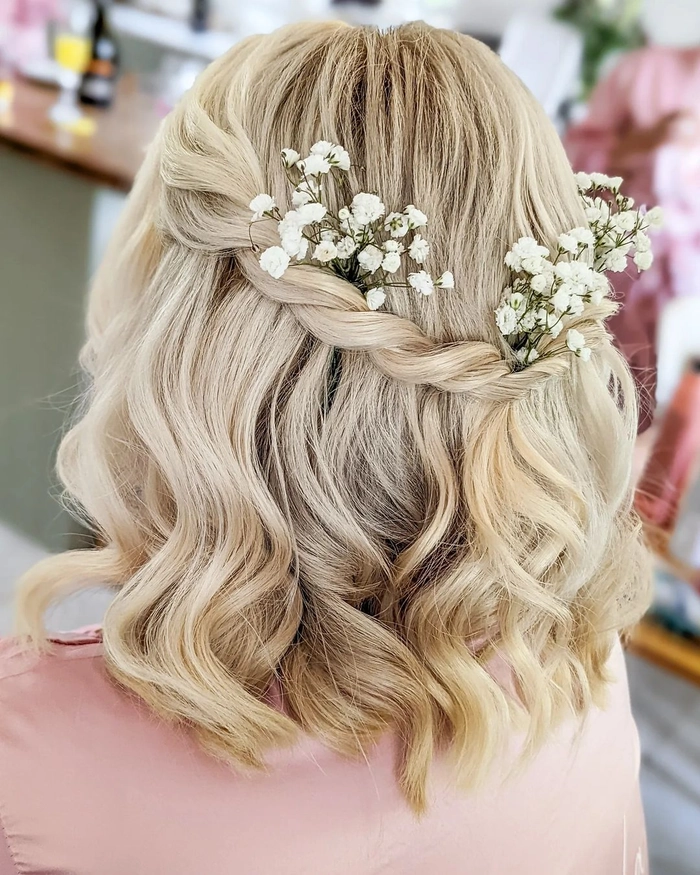 Stunning Medium Length Curly Hairstyles for Brides on Their
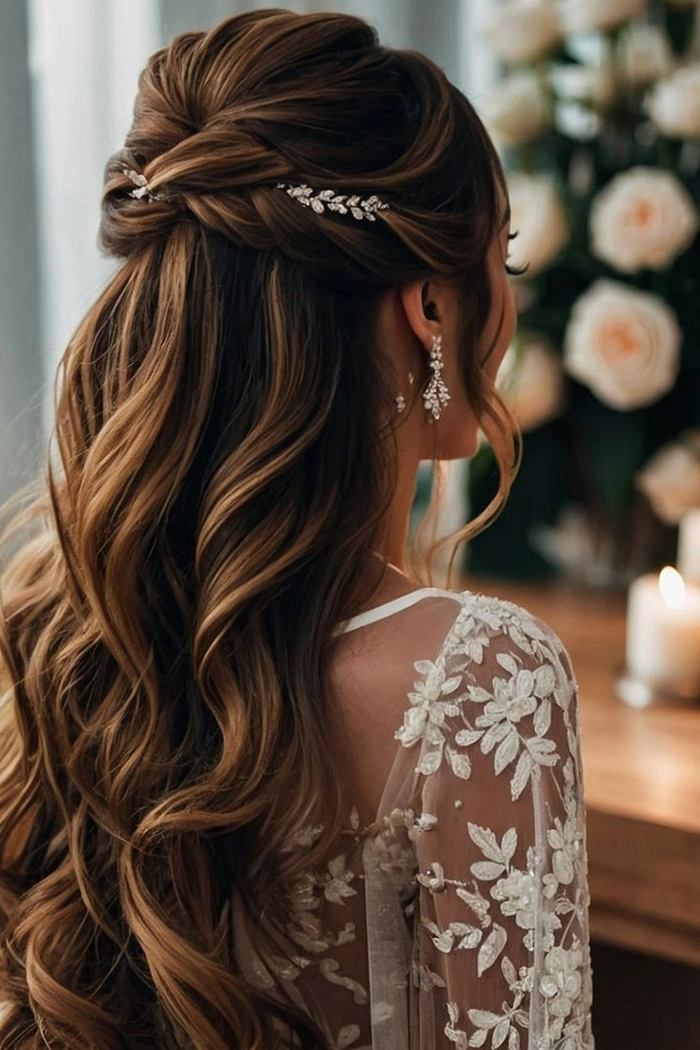 Elegant Shoulder-Length Half-Up Hairstyles for Your Wedding
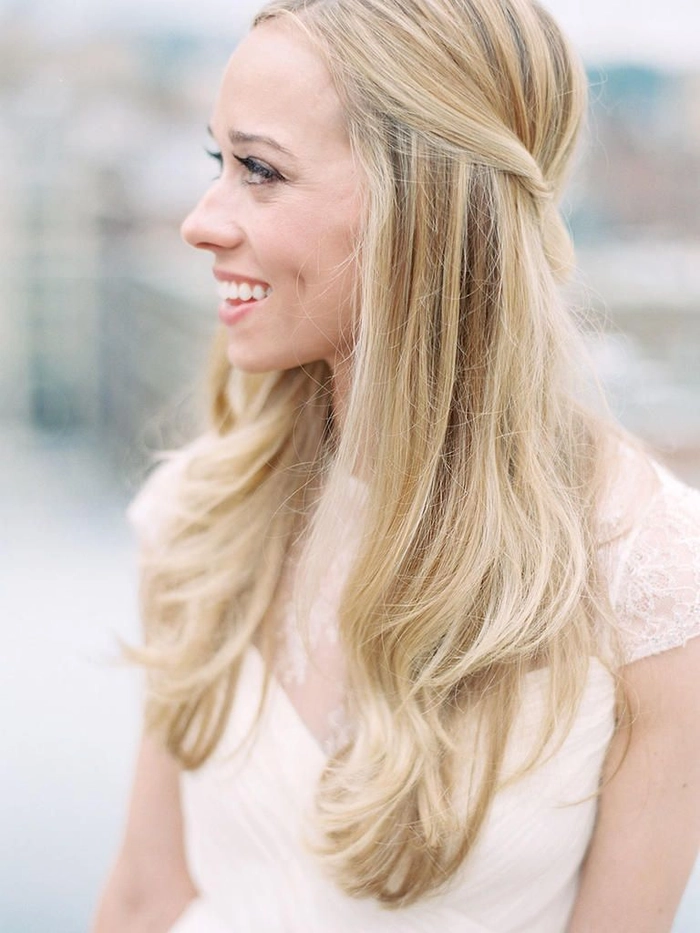 Elegant Long Straight Sleek Bridal Hair Ideas for Your
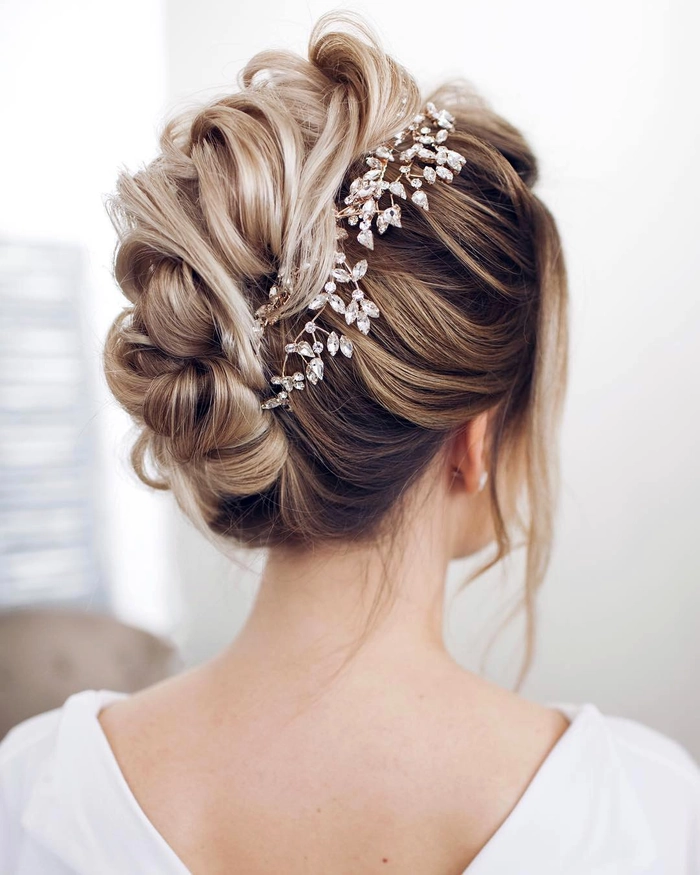 Elegant Bridal Updos Perfect for Fine Thin Hair
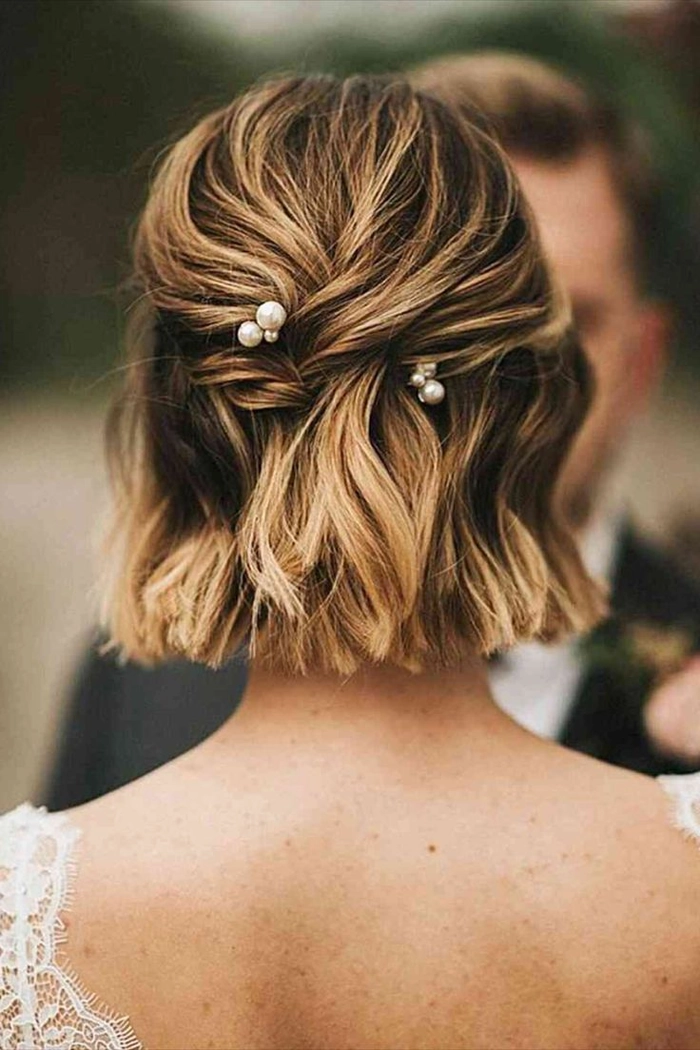 Chic Short Bob Wedding Hairstyles Perfect for Brides