Working in healthcare means long shifts, constant movement, and strict hygiene standards and your hair shouldn't get in the way of any of it. Whether you're a nurse, surgeon, lab tech, or caregiver, keeping your hair neatly tucked away isn't just about looking professional. It's about preventing contamination, staying comfortable during 12-hour shifts, and following infection control protocols. The good news? You don't have to sacrifice style for safety. Below, we'll walk through practical, hygienic hair tucking methods for healthcare workers that actually hold up in demanding environments.
Why Hair Tucking Matters in Healthcare Settings
In clinical environments, loose hair can carry bacteria, interfere with protective equipment like face shields and masks, and create distractions during critical tasks. Most hospitals and care facilities have clear dress code policies that require hair to be pulled back and secured. But "secured" doesn't have to mean boring. Understanding how to tuck and style your hair properly helps you stay compliant, comfortable, and confident throughout your shift.
Choosing the Right Style for Your Hair Texture and Length
Not every tucking method works for every hair texture or length. A style that holds perfectly on straight, fine hair may not survive on thick, curly hair and vice versa. Here's how to match your approach to what you're working with:
- Short hair or layered hair: Use a wide headband or soft elastic band to tuck shorter layers behind your ears and away from your face. A light-hold styling gel or pomade can keep flyaways in place without stiffness.
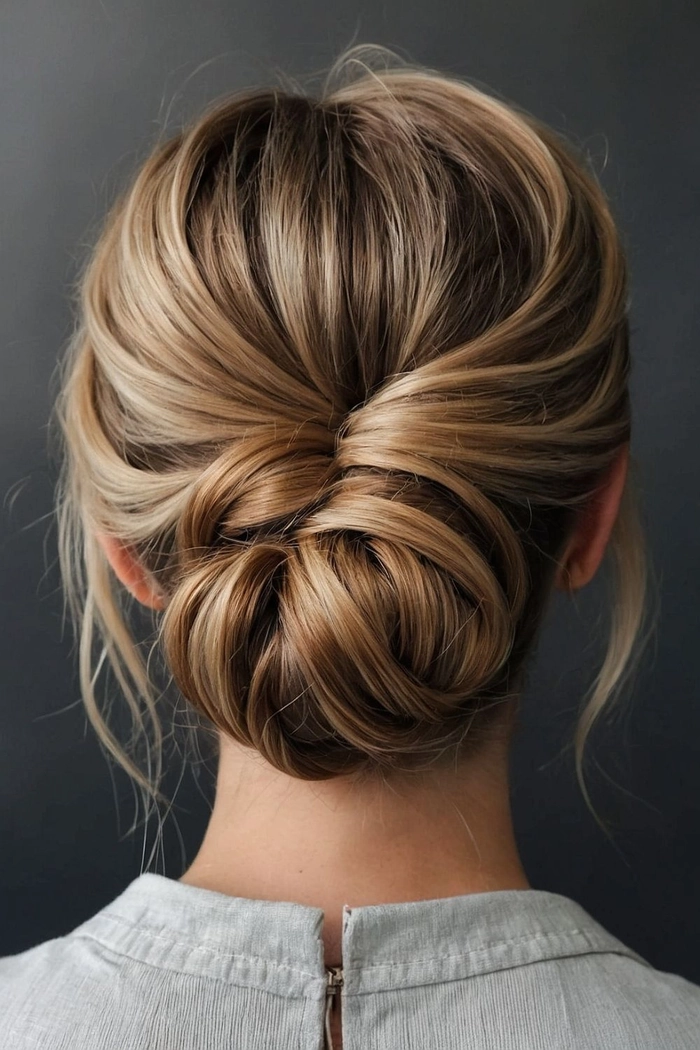
- Medium-length hair: A low bun or braided twist works well. Gather hair at the nape of your neck, twist, and secure with bobby pins. This keeps ends tucked and prevents hair from slipping out mid-shift.
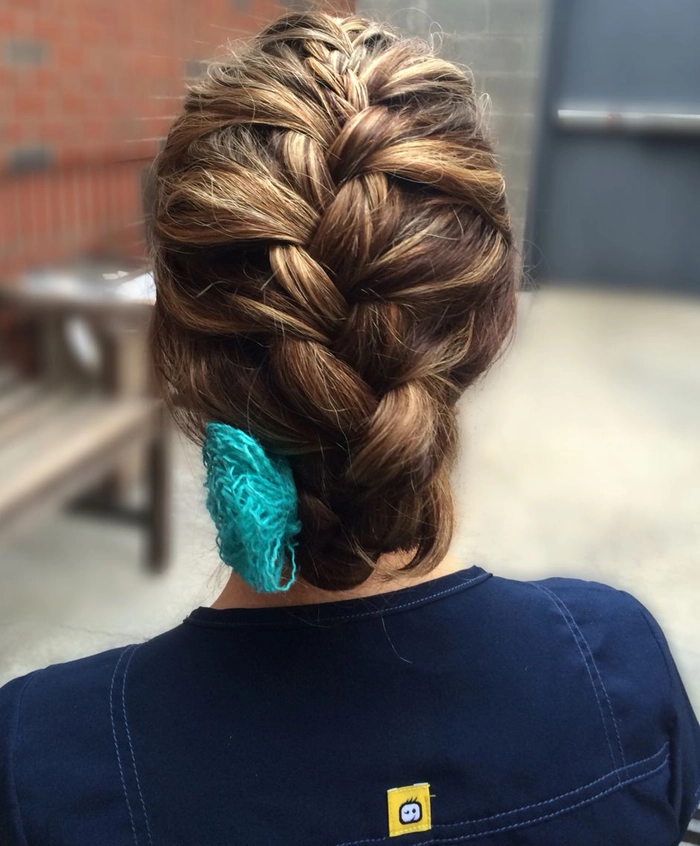
- Long hair: A French braid, Dutch braid, or double braids tucked into a low bun offer the most secure hold. For extra staying power, braid first, then coil and pin this distributes weight evenly and reduces tension on your scalp.
- Curly or textured hair: Pineapple updos, flat twists, and braided buns work beautifully with natural texture. A satin-lined cap or scrub cap can help protect curls while keeping everything contained.
Matching Your Tuck to Your Face Shape
Even functional everyday hairstyles can flatter your features. If you have a round face, a sleek low bun with a slightly off-center part adds length and balance. Oval and heart-shaped faces look great with soft, face-framing pieces tucked loosely behind the ears just make sure they're short enough not to fall forward. Square face shapes benefit from buns positioned at the nape rather than high on the head, which softens angular jawlines. During a salon consultation, ask your stylist about haircut ideas and bangs that work with your tucking routine curtain bangs, for instance, are easy to pin back and grow out gracefully.
Practical Tips to Keep Your Tuck Fresh All Shift
A hairstyle that looks great at 7 a.m. needs to hold through rounds, charting, and everything in between. These hair care tips and styling routine adjustments make a real difference:
- Start with dry, detangled hair damp hair loosens faster and can cause bobby pins to slip.
- Use small, matte-finish bobby pins instead of shiny ones; they grip better and stay hidden.
- Apply a lightweight styling product like a smoothing cream or edge control along your hairline for a polished look.
- Keep a few extra pins and a small hair tie in your pocket or locker for quick mid-shift fixes.
- Consider investing in a quality scrub cap that fits your head comfortably without crushing your style underneath.
Common Mistakes to Avoid
Overly tight buns and ponytails can cause tension headaches and hair breakage over time a real concern for healthcare workers wearing styles daily. Avoid pulling hair so tightly that your scalp feels sore. Also, skip cheap elastic ties with metal clasps; they snag hair and can break strands. Choose seamless, fabric-covered elastics instead. If you color your hair, keep in mind that frequent tucking and pinning can cause friction damage, so discuss hair color ideas and maintenance with your stylist to keep strands healthy.
Final Thoughts
The best hygienic hair tucking method for you depends on your hair type, shift length, and personal comfort. Whether you prefer a simple braid-and-tuck or a polished low bun under a scrub cap, the key is finding a low-maintenance hairstyle that stays put without causing damage or discomfort. Talk to your stylist, experiment with a few techniques at home, and build a styling routine that takes minutes but lasts your entire shift. When your hair is handled, you can focus fully on what matters most your patients and your own well-being.



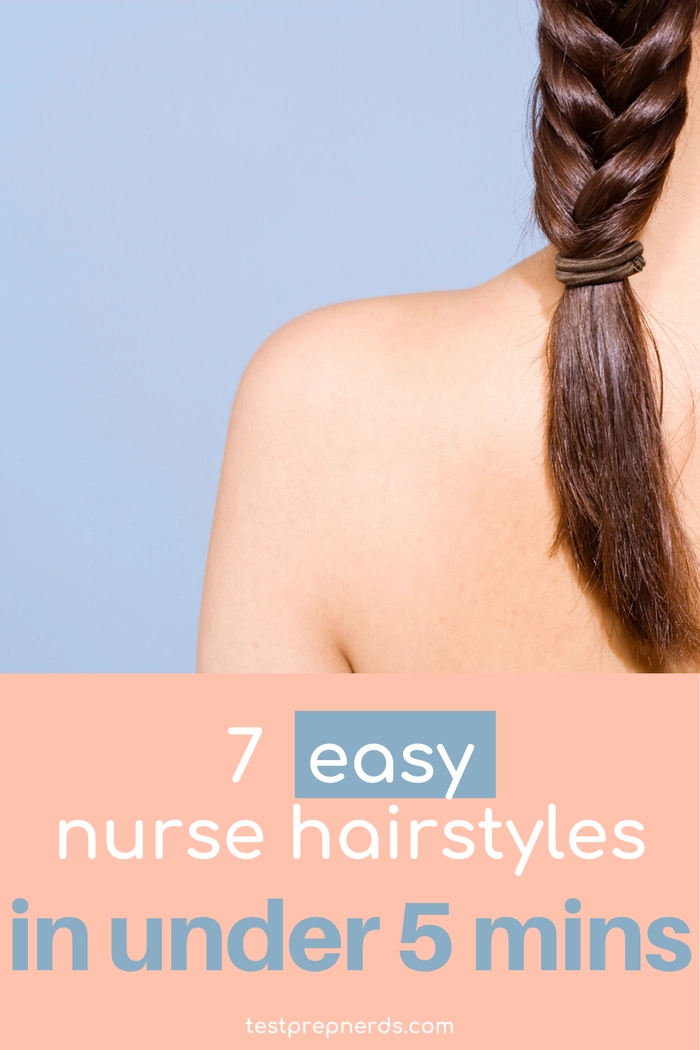
 Professional Office Hairstyles for Long Hair
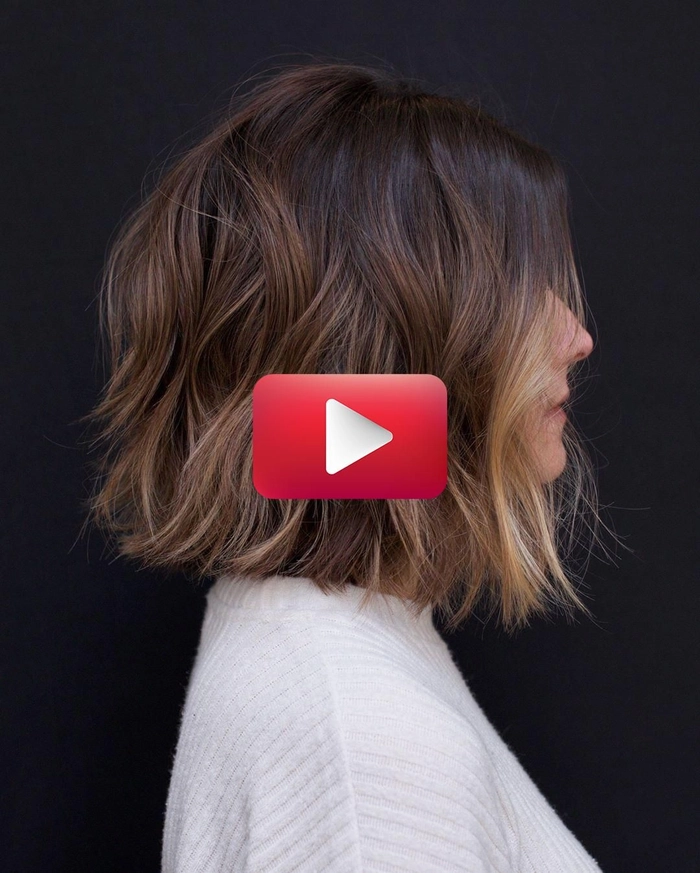 Business Casual Short Bob Hair Ideas
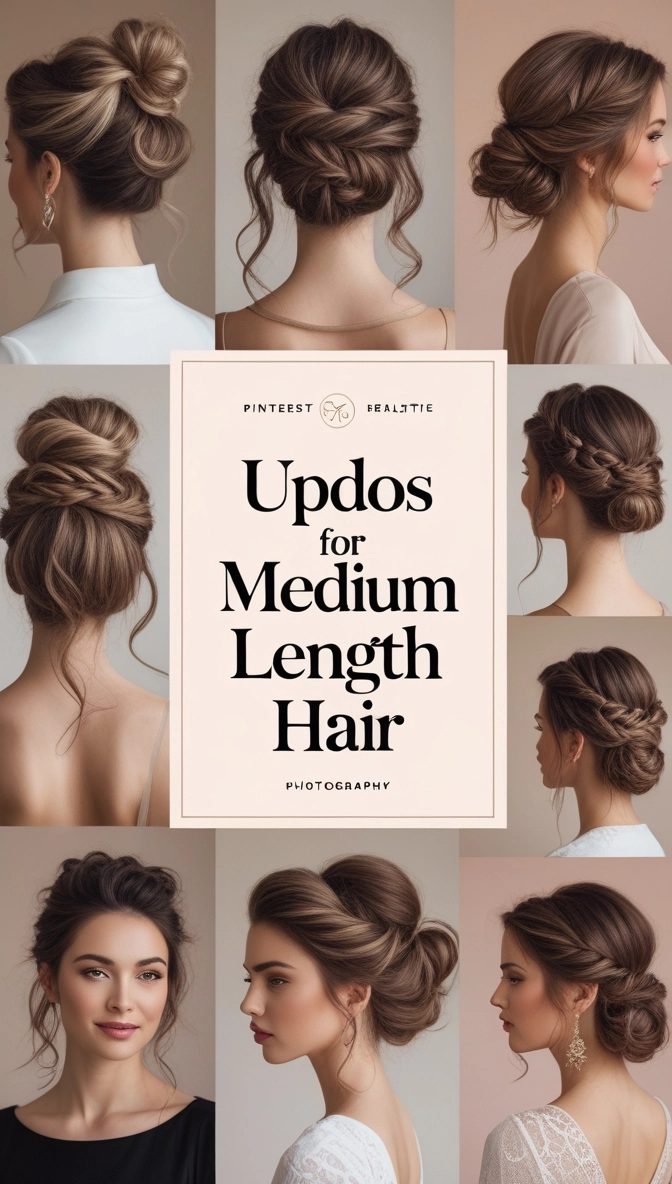 Boardroom Updos for Medium Hair
 Sleek Low Buns: Perfect for Job Interviews
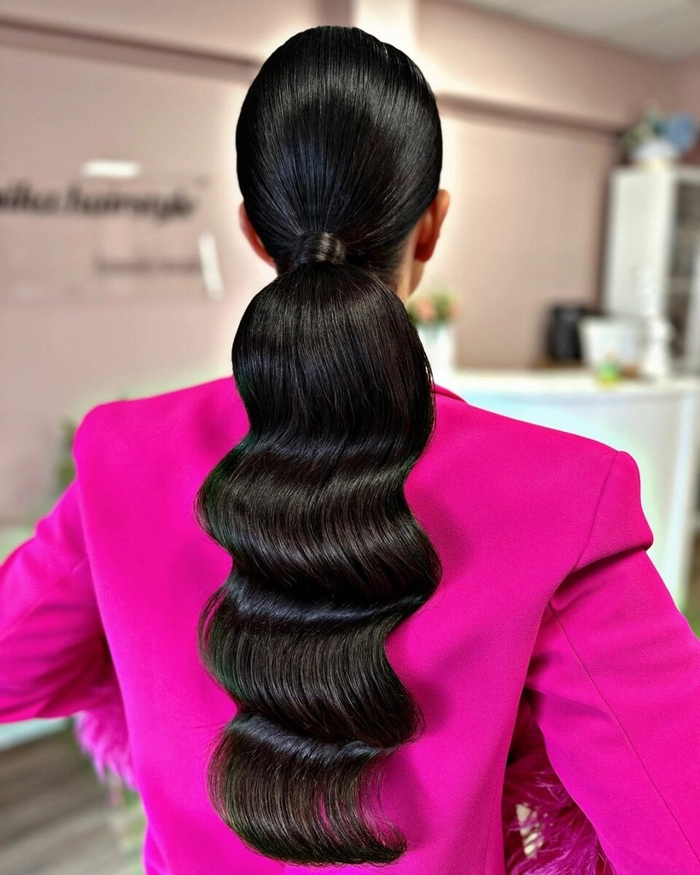 Polished Ponytail Styles for Client Meetings
 Quick Shoulder-Length Updos for the Office