Managing a construction site means spending long hours outdoors, moving between meetings and active work zones all while keeping a hard hat firmly on your head. For construction managers with longer hair, finding a braid style that stays flat, comfortable, and professional underneath safety gear isn't just a style preference; it's a daily necessity. The right braided hairstyle can keep your hair protected, out of your face, and looking polished from the morning safety briefing to the end-of-day walkthrough. Here's how to find a style that actually works for your routine.
Why Braids Work So Well Under Hard Hats
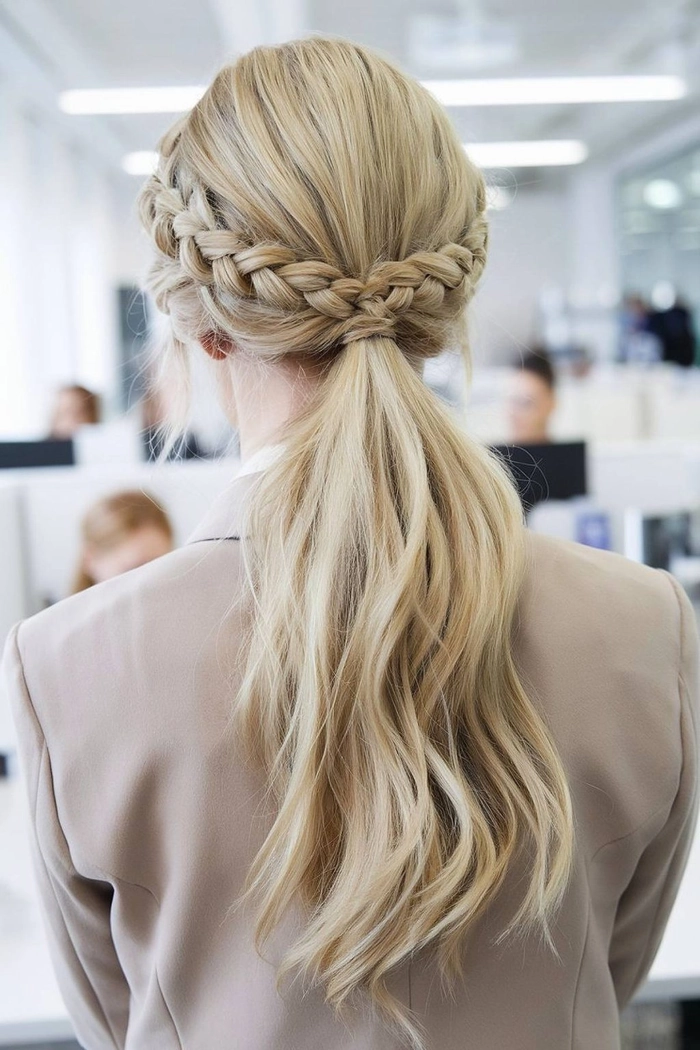
Unlike loose ponytails or buns that create uncomfortable bulk at the back of the head, braids lay flat against the scalp, distributing hair evenly and reducing pressure points. This makes them ideal for anyone wearing a hard hat for hours at a time. Braids also minimize tangling and breakage caused by friction between your hair and the helmet's interior suspension system. If you've been pulling your hair into a rushed ponytail every morning, switching to a structured braid can make a noticeable difference in both comfort and hair health over time.
Choosing the Right Braid for Your Hair Texture and Length
Not every braid works for every hair texture. Understanding what you're working with is the first step toward a style that holds up all day.
- Fine or straight hair: Try Dutch braids or flat cornrows they grip well and stay sleek without slipping throughout the day. A light texturizing spray before braiding adds grip.
- Thick or coarse hair: Two French braids or single flat braids work beautifully and keep volume controlled. These styles also handle humidity and sweat better than looser options.
- Curly or textured hair: Protective styles like flat twists or cornrows are excellent choices. They tuck curls away neatly, reduce daily manipulation, and last multiple days with proper care.
- Short to medium hair length: If your hair doesn't reach into a full braid, consider mini braids along the scalp or a braided headband section that pins flat behind the ears.
A good salon consultation can help you figure out which braiding technique suits your specific texture, density, and face shape especially if you're transitioning from a completely different styling routine.
Matching Braided Styles to Your Face Shape
While practicality comes first, there's no reason your work hairstyle can't flatter your features. If you have a round face, a single center-parted braid or two sleek braids can elongate your silhouette. Angular or square face shapes benefit from softer, slightly loose braids near the temples. Heart-shaped faces look great with braids that have a bit of volume at the crown before laying flat. These small adjustments take seconds but make your overall look feel intentional rather than thrown together.
Styling Tips That Hold Up on the Job
The difference between a braid that lasts two hours and one that survives a ten-hour shift often comes down to preparation. Here are practical steps to make your braids stay put:
- Start with day-old hair or apply a lightweight mousse or styling cream for better grip.
- Braid tightly near the scalp but avoid pulling so hard that it causes tension headaches or hairline damage.
- Tuck the braid ends flat against your head and secure with small, snag-free hair pins rather than bulky elastics.
- Use a satin or silk scarf underneath your hard hat if your hair is prone to frizz or dryness it adds a protective barrier without adding bulk.
- Keep a small pouch of styling products (edge control, a travel-size spray, and a few pins) in your work bag for quick midday touch-ups.
Keeping Your Braids Looking Fresh All Week
One of the biggest advantages of braided styles is that they're genuinely low-maintenance hairstyles. A well-done set of cornrows or Dutch braids can last three to five days with minimal effort. Wrap your braids at night with a satin bonnet or scarf, refresh the edges each morning with a small amount of gel or edge control, and avoid rewetting your braids daily it weakens the hold. Incorporate regular hair care tips like moisturizing your scalp with a light oil to prevent dryness, especially if you're wearing braids consistently.
What to Ask Your Stylist
Before your next appointment, mention that you wear a hard hat daily. Ask your stylist about flat braiding techniques, which braided patterns distribute hair most evenly, and whether any layered hair you have will affect how smoothly the braids lay. If you're considering adding subtle hair color ideas like highlights or lowlights, braids actually showcase dimension beautifully just make sure any color treatments are done before braiding to minimize processing stress on already-secured sections.
Final Thoughts
The best hard hat compatible braid is the one that fits your hair, your face, and your day-to-day reality on the construction site. Don't settle for a style that causes discomfort or falls apart by lunchtime. Experiment with different braiding techniques, invest a few extra minutes in your morning routine, and talk to a stylist who understands everyday hairstyles for active work environments. When your hair feels secure and looks intentional, it's one less thing to think about letting you focus on what you do best.
 Professional Office Hairstyles for Long Hair
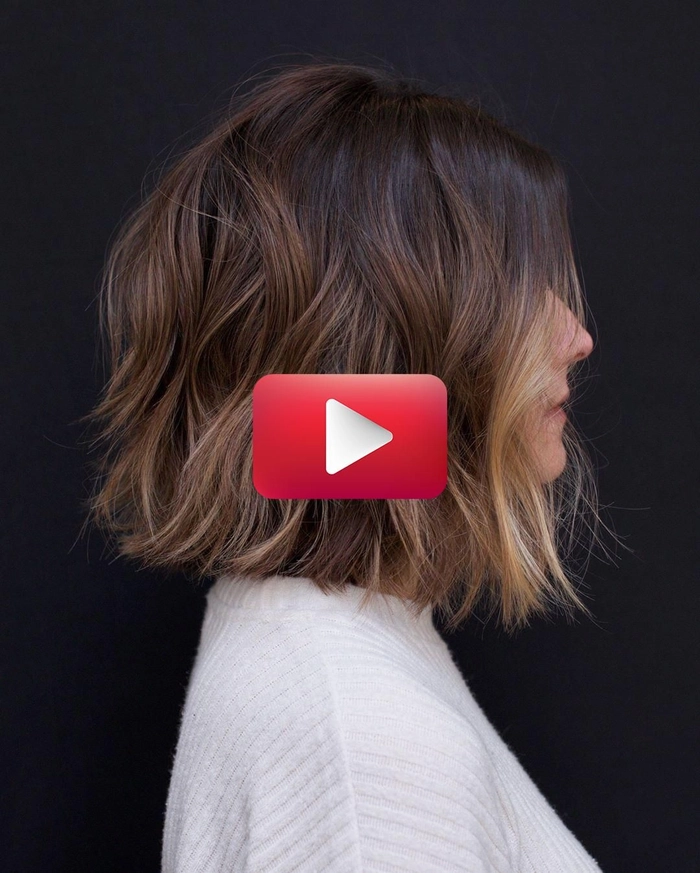 Business Casual Short Bob Hair Ideas
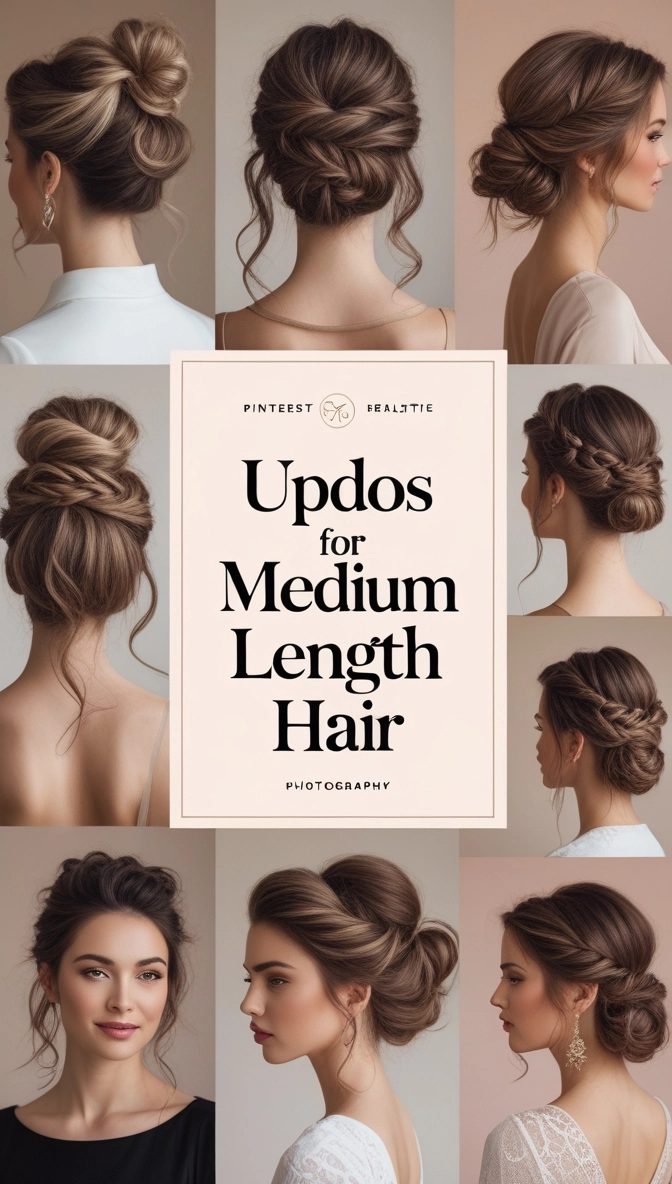 Boardroom Updos for Medium Hair
 Sleek Low Buns: Perfect for Job Interviews
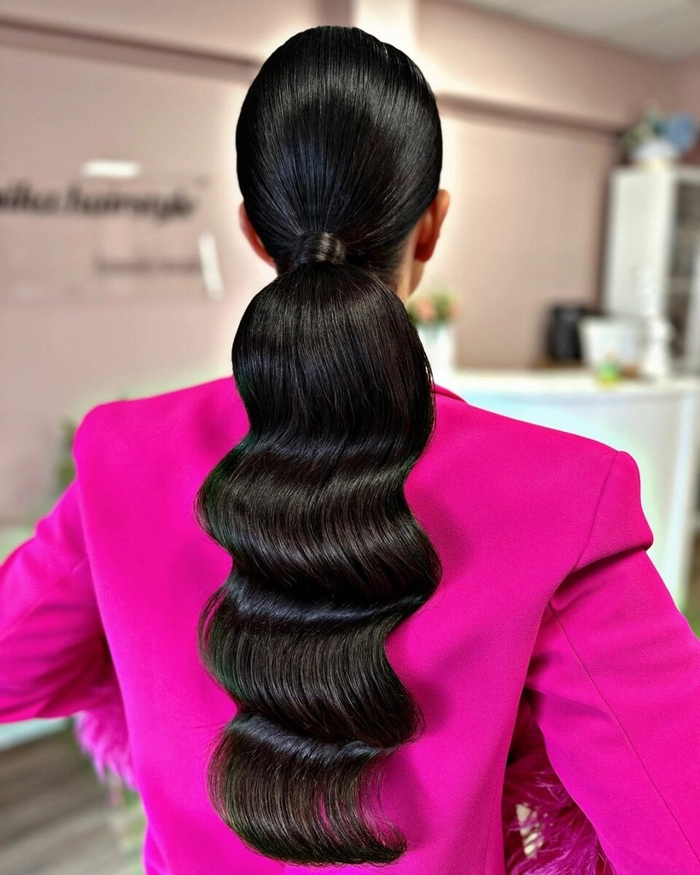 Polished Ponytail Styles for Client Meetings
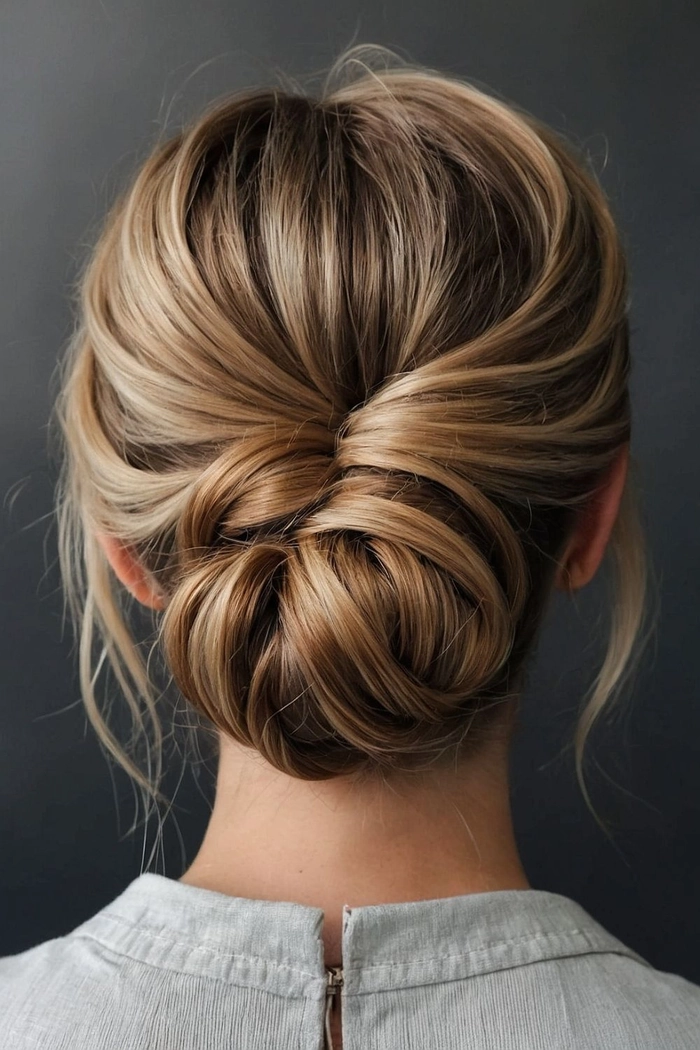 Quick Shoulder-Length Updos for the Office