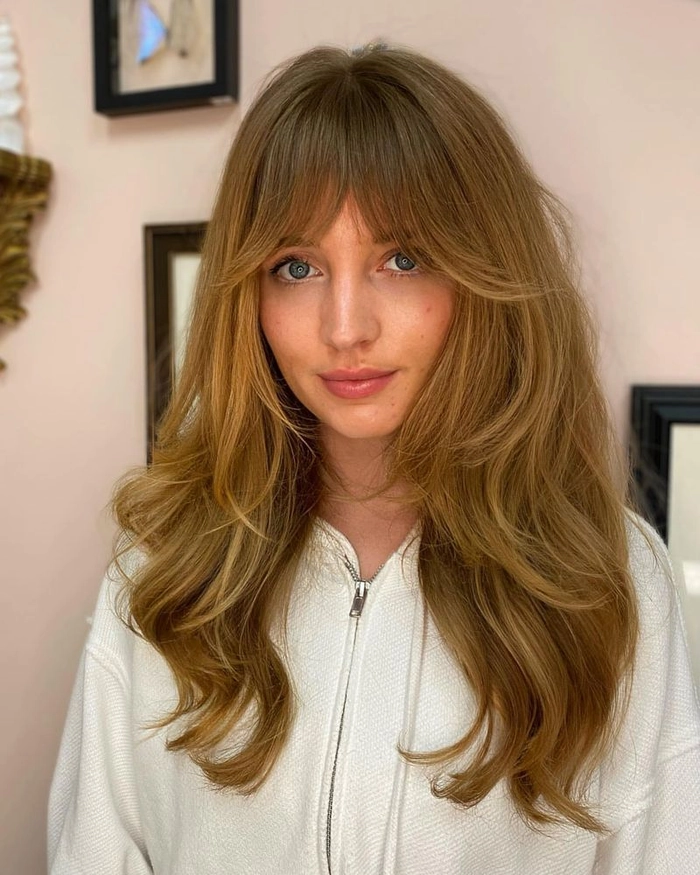
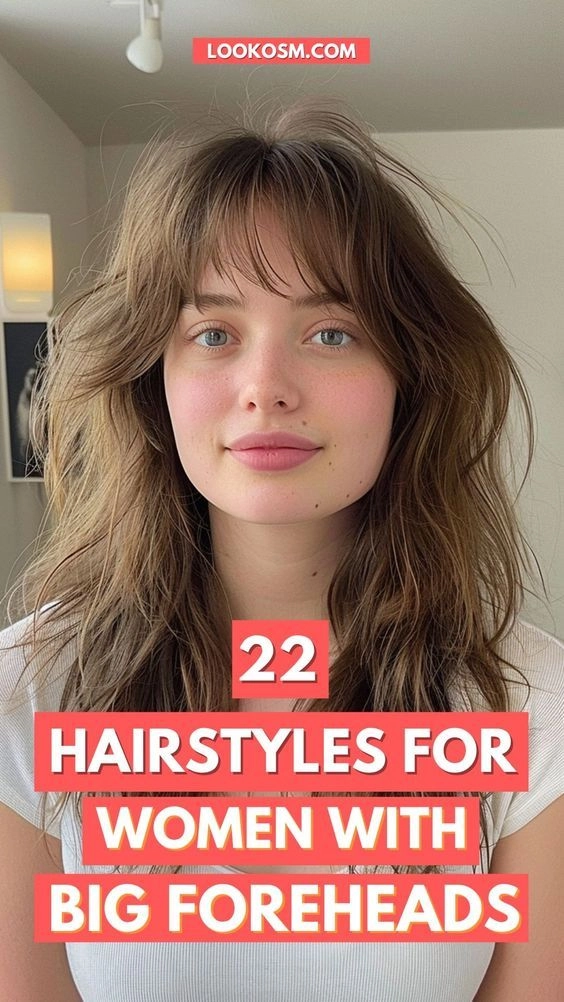
Walking into the office with a fringe that actually flatters your face and looks put-together can change your entire morning confidence. Forehead covering professional fringe styles have become a go-to for people who want to soften their features, frame their eyes, and still look polished in a work setting. Whether you're considering blunt bangs, side-swept layers, or a wispy curtain fringe, the right style can work with your face shape, hair texture, and daily routine without requiring an hour in front of the mirror every morning.
Why Forehead Covering Fringes Work So Well in Professional Settings
A well-cut fringe adds structure and intention to any hairstyle. In a professional environment, it signals that your look is deliberate and maintained not accidental. Forehead covering styles are especially effective because they draw attention to the eyes, balance facial proportions, and can even create the illusion of a smaller or more oval face shape. They also pair beautifully with both short and long hair lengths, layered hair, and a variety of hair color ideas from natural brunette tones to bold balayage.
What makes these styles especially practical for work is their versatility. A side-swept fringe, for instance, can be pinned back for a meeting or left down for a more relaxed creative office. Curtain bangs transition seamlessly from everyday hairstyles to special occasion hair with minimal effort.
How to Choose the Right Fringe for Your Face Shape and Hair Texture
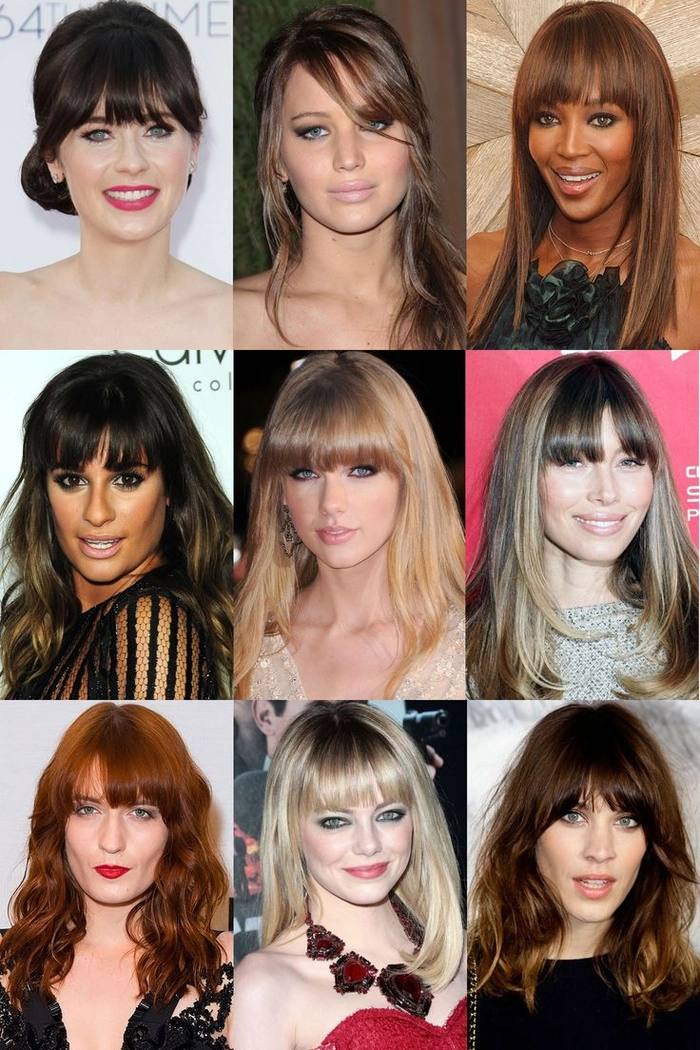
Not every fringe suits every face and that's where a little knowledge goes a long way. Here's a straightforward breakdown:
- Round faces benefit from longer, side-swept bangs that create vertical lines and elongate the face.
- Square faces look great with softer, wispy fringes that soften angular jawlines and strong foreheads.
- Oval faces can pull off almost any style, from blunt cuts to curtain bangs this is the most versatile face shape for fringe experimentation.
- Heart-shaped faces are complemented by chin-length curtain bangs or textured fringes that balance a wider forehead with a narrower chin.
Hair texture matters just as much. Thick, straight hair holds blunt bangs well, while wavy or curly textures often do better with layered, piece-y fringes that won't puff up unpredictably. Fine hair can look fuller with a shorter, choppy fringe just be mindful of how it lays flat at the roots throughout the day.
Low-Maintenance Options That Still Look Polished
One of the biggest concerns people have about bangs is the upkeep. The good news? Some forehead covering professional fringe styles are genuinely low-maintenance hairstyles when done right.
Curtain bangs remain one of the easiest options to grow out gracefully and style quickly. They part in the middle and sweep to either side, requiring little more than a quick blow-dry or a pass with a round brush. Side-swept bangs are another forgiving choice they stay out of your eyes, grow out without looking awkward, and suit almost every face shape.
For styling at home, keep these tips in mind:
- Use a lightweight styling product a small amount of texturizing spray or mousse keeps fringe in place without stiffness.
- Blow-dry bangs immediately after washing, while they're still damp, to set the shape for the day.
- Keep a mini flat iron or round brush in your routine for quick touch-ups on humid mornings.
- Trim bangs every three to four weeks to maintain the length many salons offer complimentary fringe trims between appointments.
What to Ask Your Stylist Before Making the Cut
A good salon consultation is everything. Before committing to a forehead covering fringe, ask your stylist how the cut will work with your natural hair texture and growth patterns. Cowlicks near the hairline, for example, can make certain bang styles frustrating to manage daily. Ask to see haircut ideas on someone with a similar face shape and discuss what your styling routine realistically looks like.
If you're unsure, start with a longer fringe. It's easier to go shorter at your next visit than to wait months for bangs to grow back. A skilled stylist will also help you explore layered hair options that blend the fringe naturally into the rest of your cut.
Keeping Your Fringe Fresh Between Salon Visits
Between appointments, a few habits make all the difference. Dry shampoo is your best friend forehead bangs absorb oils faster than the rest of your hair, so a quick spray at the roots keeps them looking clean. Avoid touching your fringe constantly, as this transfers oil and causes limpness. And if your fringe loses its shape mid-week, a quick mist of water and a blast from a blow-dryer can revive it in under two minutes.
Forehead covering professional fringe styles offer a simple but powerful way to elevate your look at work without overhauling your entire hairstyle. The key is choosing a style that respects your face shape, works with your hair texture, and fits your real life not just a Pinterest board. Book that salon consultation, bring a few reference photos, and trust your stylist to tailor the look to you. The right fringe doesn't just frame your face it frames your confidence.


 Professional Office Hairstyles for Long Hair
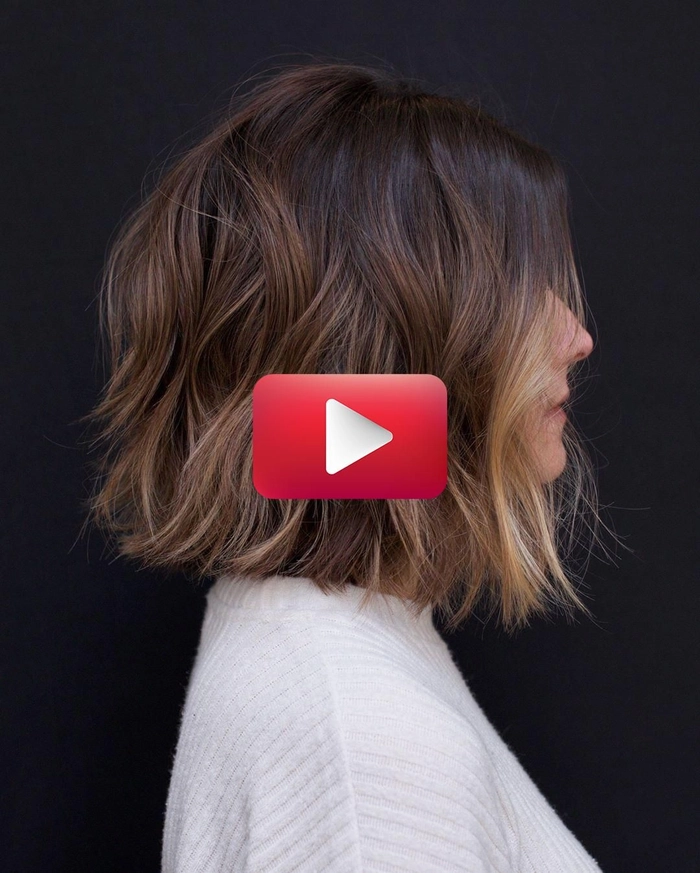 Business Casual Short Bob Hair Ideas
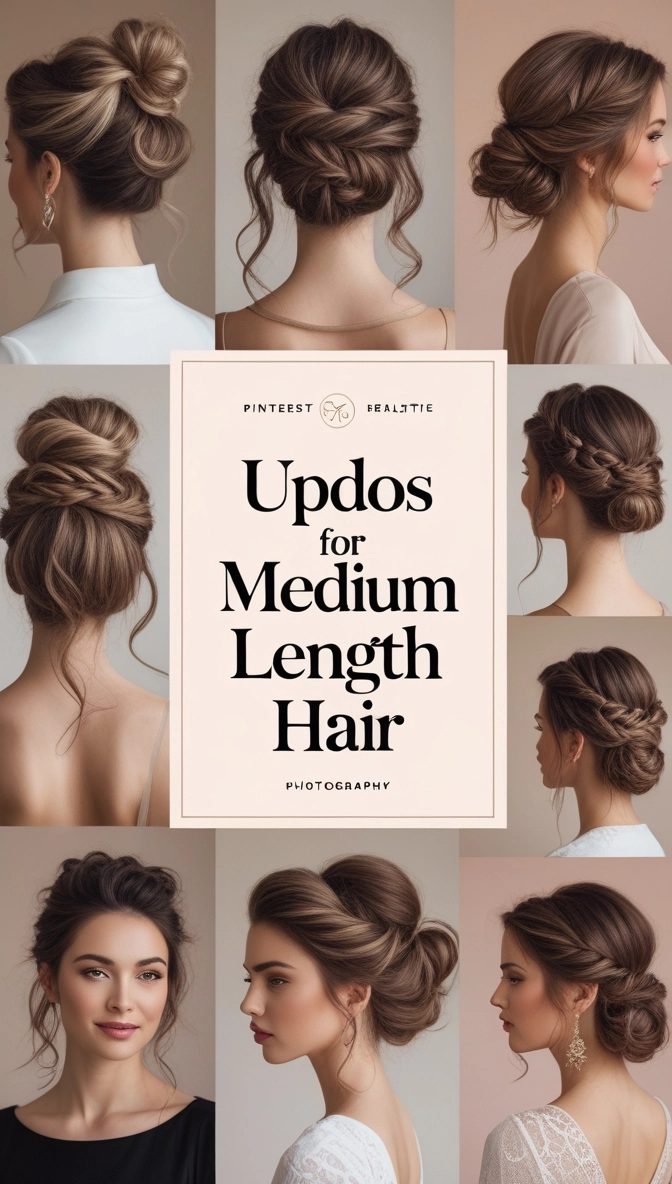 Boardroom Updos for Medium Hair
 Sleek Low Buns: Perfect for Job Interviews
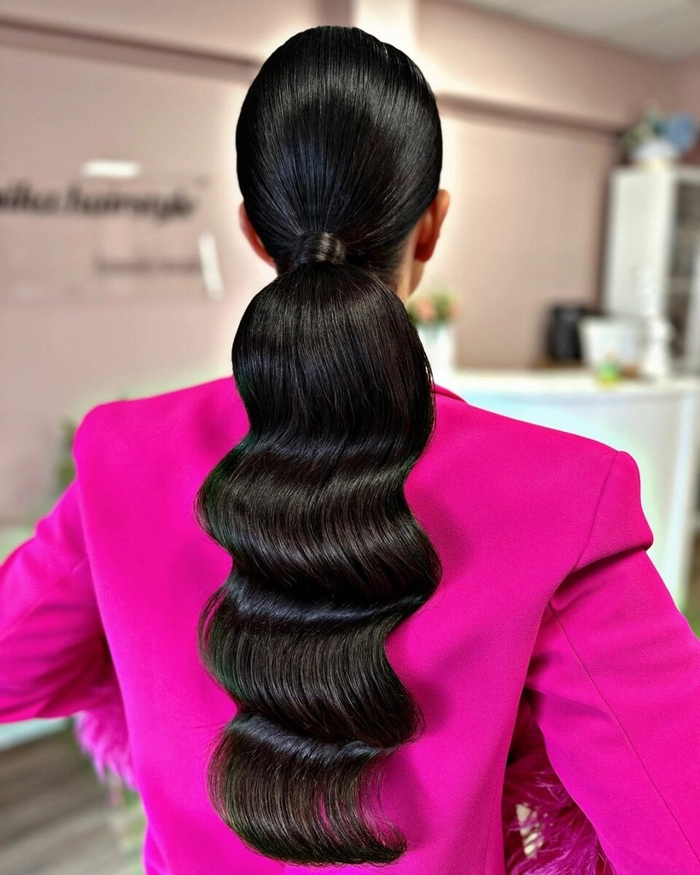 Polished Ponytail Styles for Client Meetings
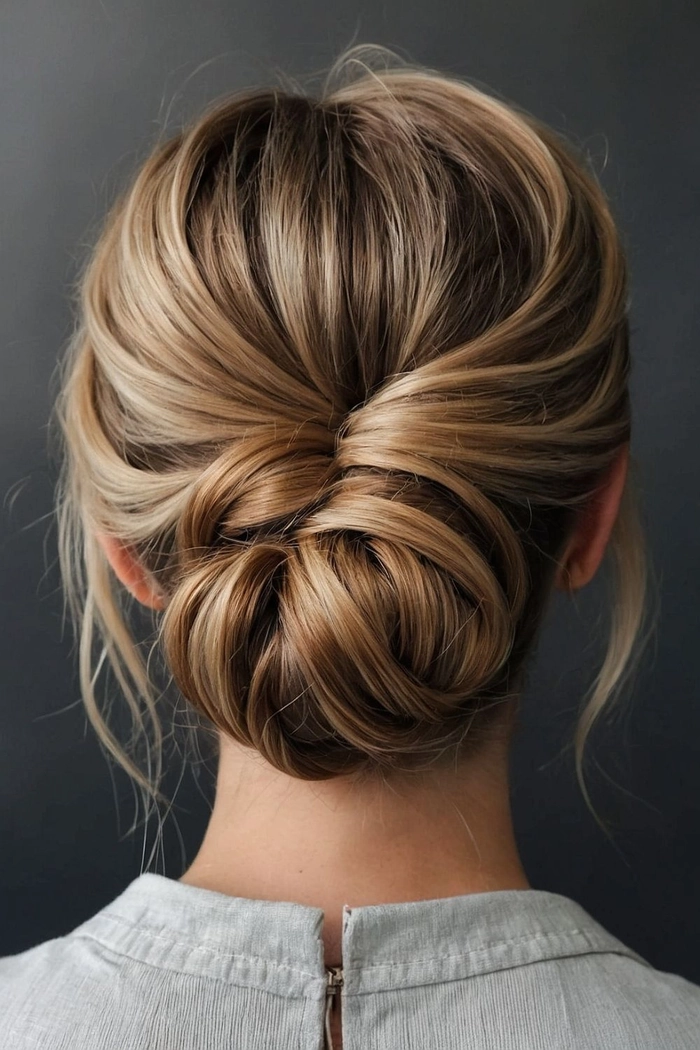 Quick Shoulder-Length Updos for the Office