If you work on your feet all day whether you're in healthcare, fitness, food service, warehouse logistics, or any role that keeps you moving you already know the frustration of hair falling into your face mid-task. Double dutch braids solve that problem beautifully. They stay tight, keep hair completely secured, and look professional enough for client-facing roles. More importantly, they hold up through sweat, humidity, and long shifts without constant readjustment. This guide breaks down how to wear double dutch braids in active work settings, who they suit best, and how to keep them looking fresh from clock-in to clock-out.
Why Double Dutch Braids Work So Well for Physically Demanding Jobs
Unlike loose ponytails or messy buns that unravel during movement, double dutch braids sit close to the scalp and distribute tension evenly across two sections. This makes them one of the most reliable low-maintenance hairstyles for anyone whose work involves bending, lifting, running, or repeated physical activity. They also protect your hair from tangling and breakage caused by friction against uniforms, equipment, or safety gear.
Compared to single braids or French braids, the dutch technique creates a raised, rope-like effect that tends to grip better and last longer especially on layered hair or finer textures that slip out of other styles quickly.
Matching Double Dutch Braids to Your Face Shape and Hair Texture
The beauty of this style is its versatility, but small adjustments make a big difference in how flattering they look:
- Round face shapes benefit from pulling braids slightly tighter at the crown to add height and elongate the silhouette.
- Oval and heart-shaped faces can soften the look by leaving a few wispy pieces around the temples this also works well if you have bangs growing out.
- Square face shapes look great with braids that start slightly further back from the hairline, which reduces emphasis on angular features.
As for hair texture, dutch braids work across the board. Coarse or textured hair often holds braids the longest without product, while straight or fine hair may need a light texturizing spray or dry shampoo at the roots for grip. If your hair is color-treated, braids also showcase dimensional hair color ideas beautifully highlights, balayage, and even bold streaks become more visible in the braided pattern.
How to Make Double Dutch Braids Look Polished at Home
You don't need a salon visit to nail this style. Follow this simple styling routine for a clean, work-ready result:
- Start with day-old hair or freshly dried hair that has a bit of natural texture. Slick, just-washed hair is harder to braid tightly.
- Apply a small amount of styling gel or mousse along the hairline to smooth flyaways and create a professional finish.
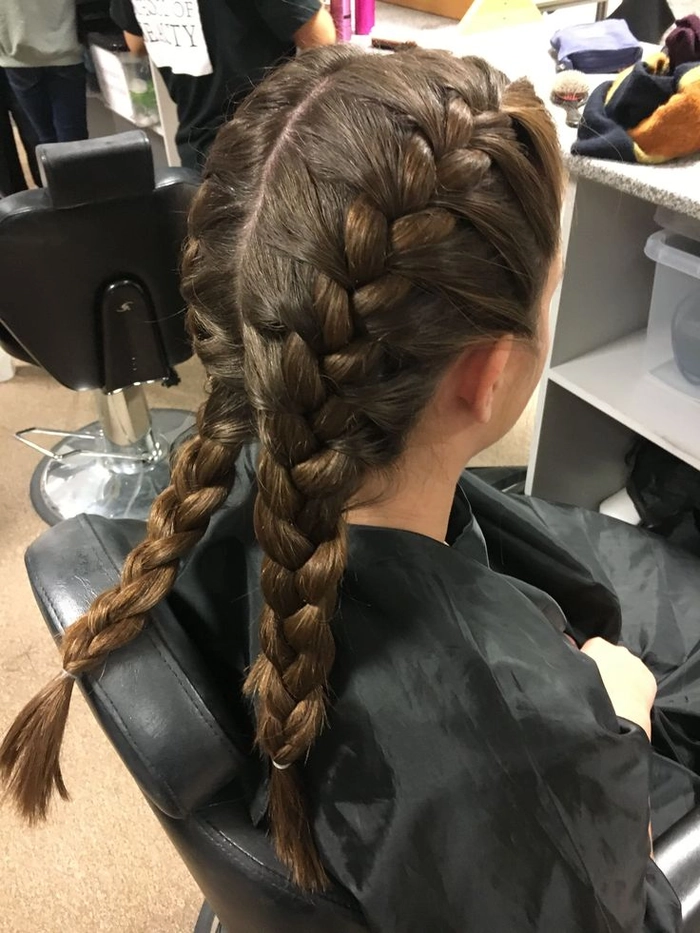
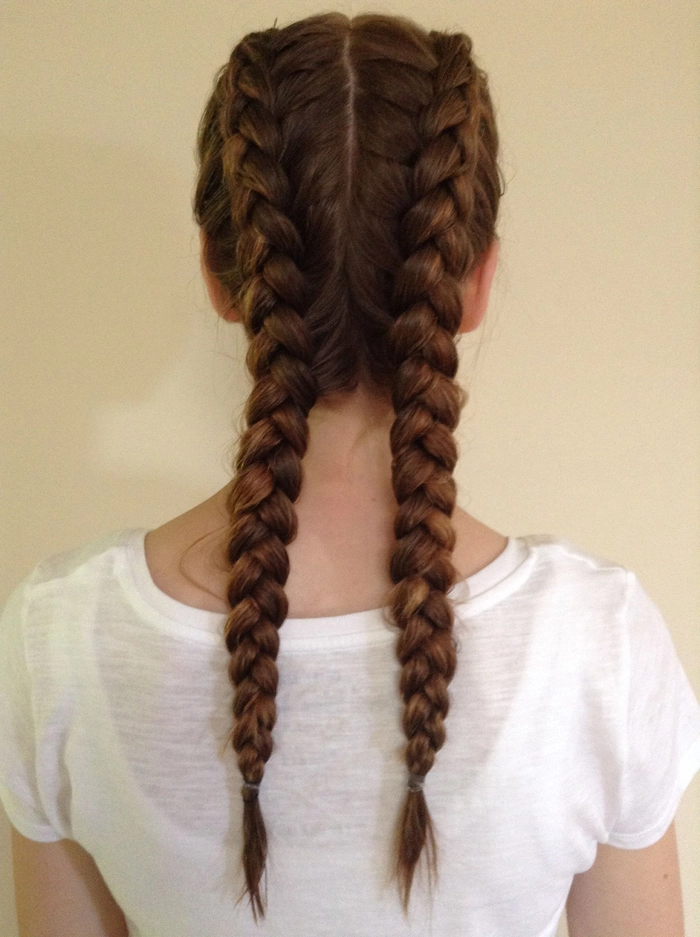
- Part your hair down the center from forehead to nape using a rat-tail comb for precision.
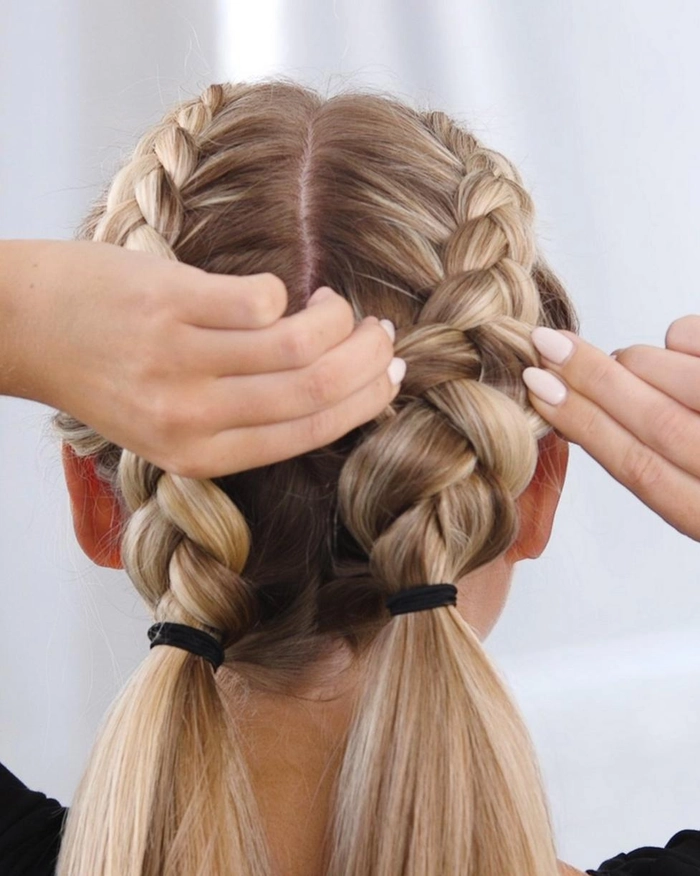
- Begin each braid close to the part, picking up small, even sections as you work downward. Keep tension consistent but not painful.
- Secure each braid with a small elastic match it to your hair color for a seamless look.
- For extra hold in high-humidity environments, finish with a light-hold hairspray.
The whole process takes about 10 to 15 minutes once you get the rhythm down, making it practical even on early-morning shifts.
Mistakes to Avoid With Protective Work Hairstyles
A few common errors can turn a great style into a headache literally. Avoid braiding too tightly at the hairline, which causes tension damage to edges over time. If you notice headaches or thinning around your temples, loosen the first few stitches or start the braid an inch back from your hairline.
Also, don't sleep in the same braids night after night without refreshing them. Re-braiding every two to three days keeps the style neat and prevents buildup from styling products.
Getting Professional Input on Your Best Look
If you're unsure whether double dutch braids suit your hair length or daily routine, a quick salon consultation can help. A stylist can assess your hair texture, recommend products, and even show you variations like braided buns or half-up styles that transition from work to special occasion hair effortlessly.
Final Thoughts
Double dutch braids aren't just a trend they're a genuinely functional everyday hairstyle for people who need their hair to stay put through demanding work. Whether you're running between patients, coaching clients, or stocking shelves, this style keeps you looking put-together without constant maintenance. Choose the variation that suits your face shape, invest in a few minutes of prep each morning, and you'll have a reliable go-to look that works as hard as you do.
Styles You'll Actually Love
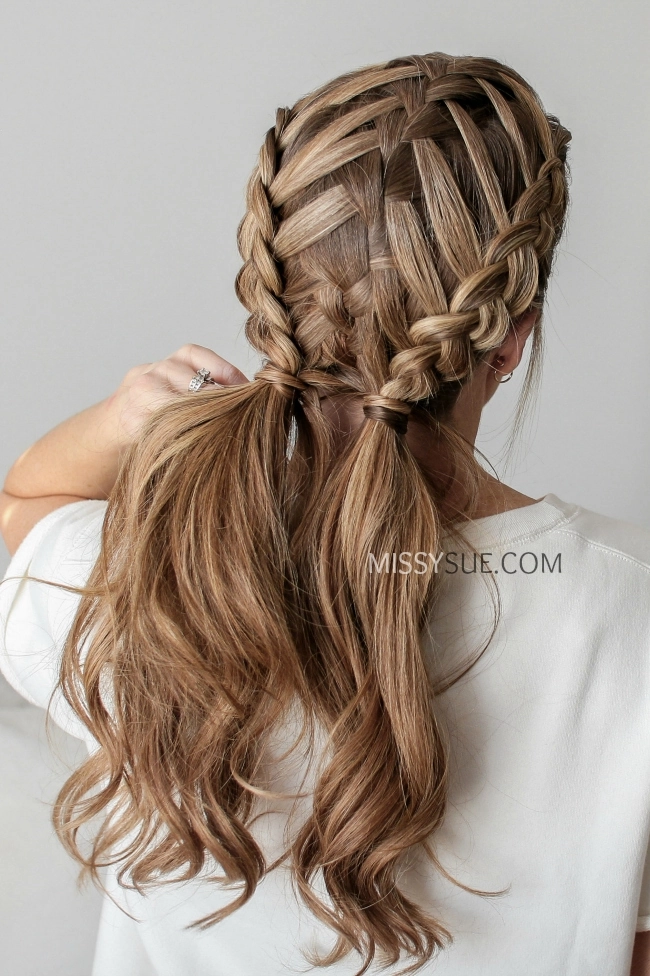
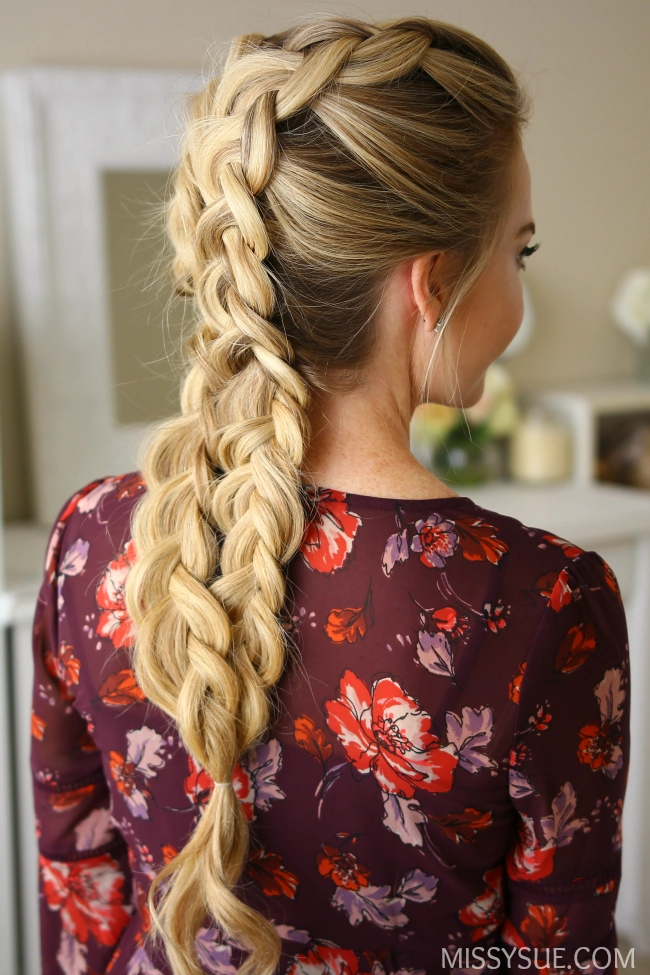
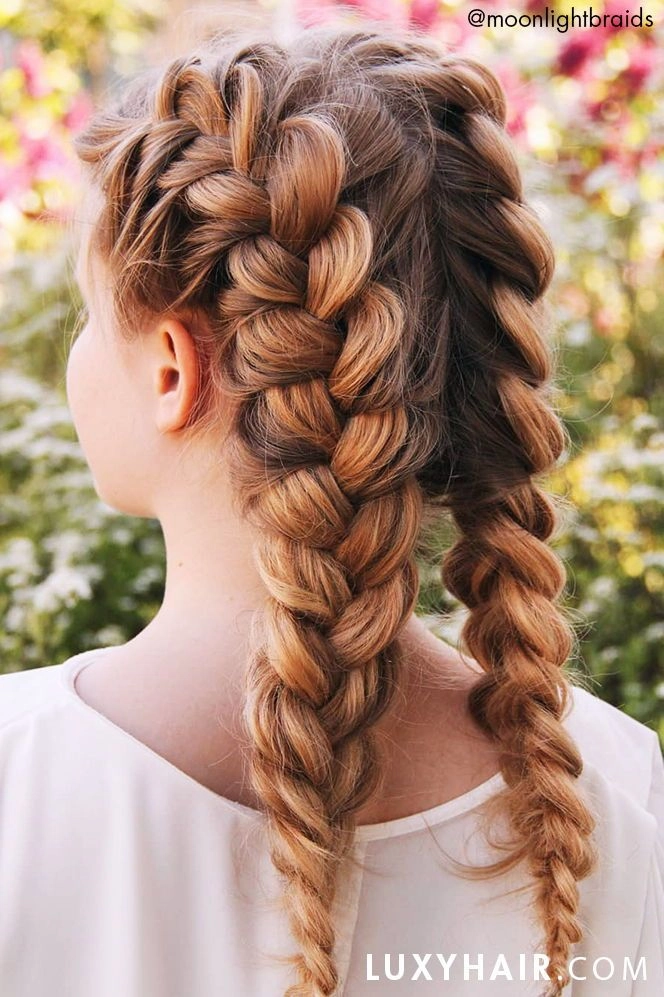
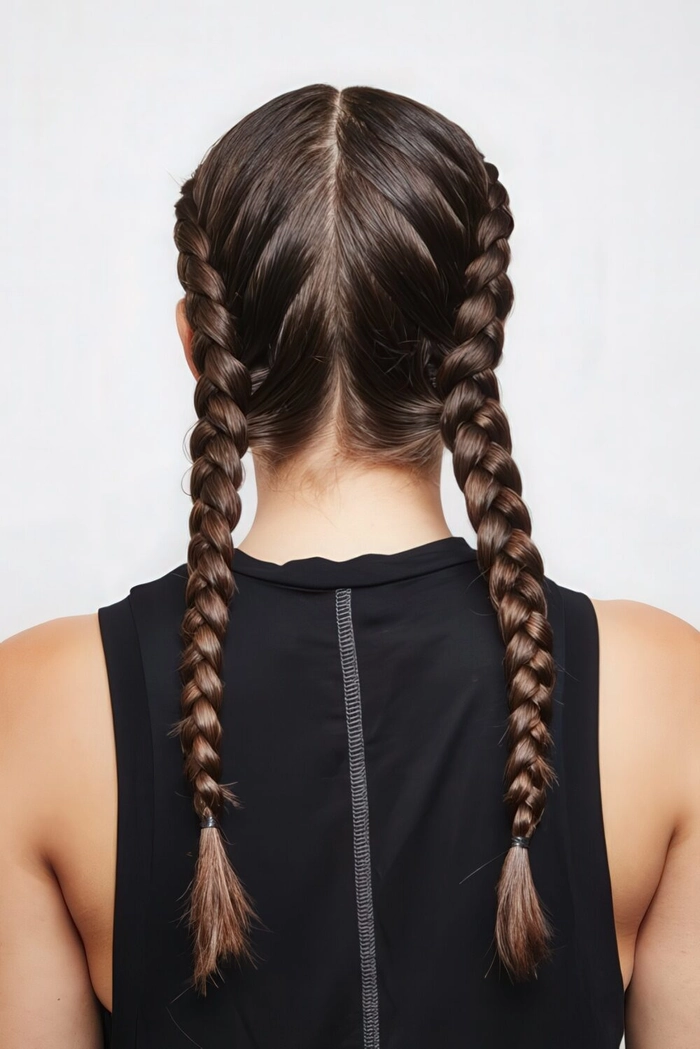
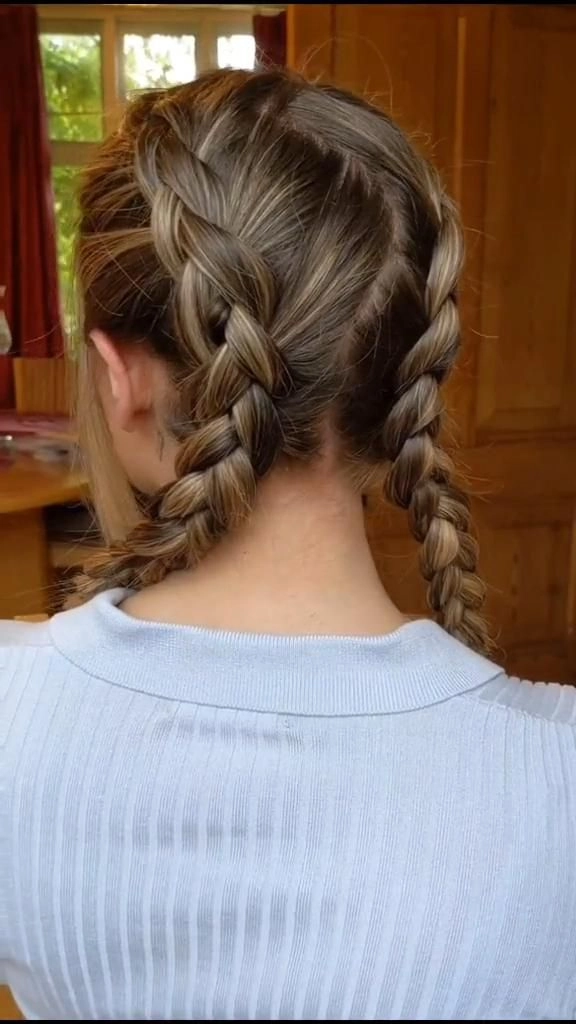
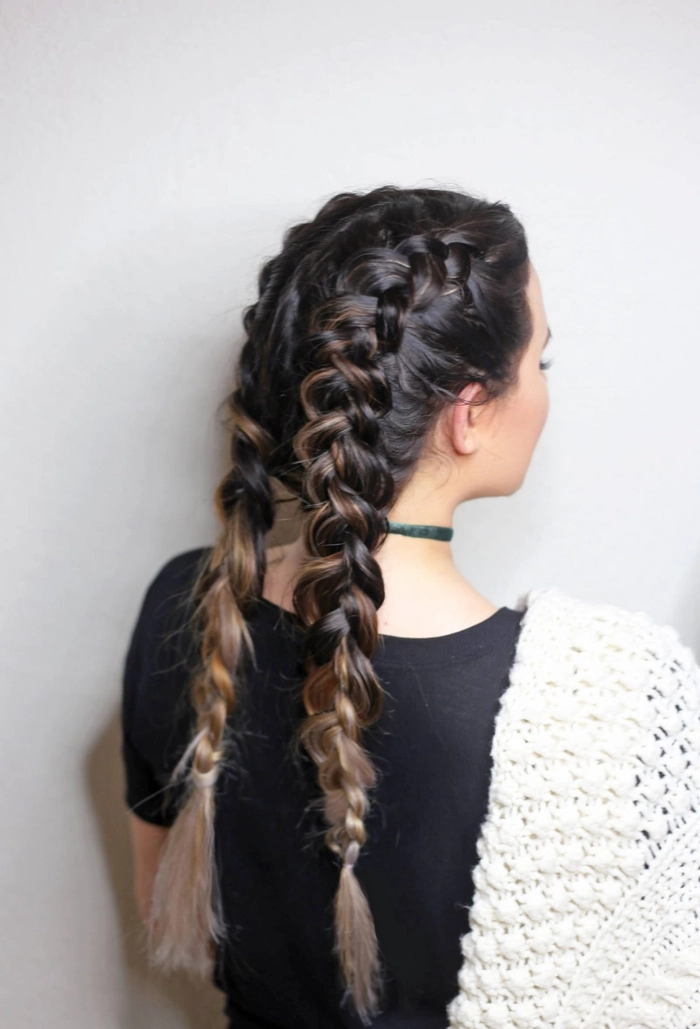
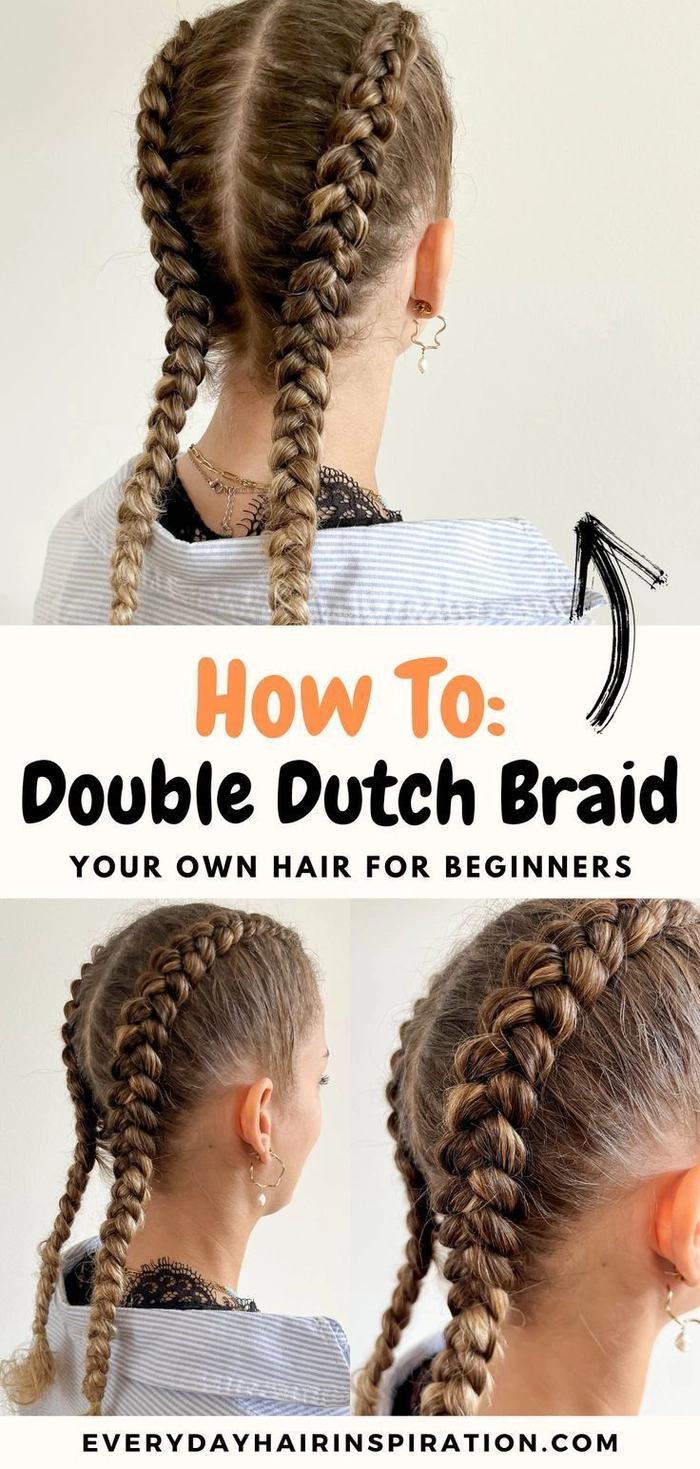
Double Dutch Braids for Active Work Environments - Professional and Practical HairstyleDouble Dutch Braids for Active Work Environments - Image 2Double dutch braids for active work settingsDouble Dutch Braids for Active Work - Gym-Ready Hairstyle for Fitness ProfessionalsDouble Dutch braids for an active and professional work environmentDouble Dutch Braids Hairstyle for Active Work Environments - Image 6Double Dutch Braids for Efficient Active Work DaysPractical double dutch braids for professional and physical job settingsDouble Dutch Braids for Active Work Environments - Professional Hairstyle ImageDouble dutch braids keep hair neat and secure during a physically active work shift
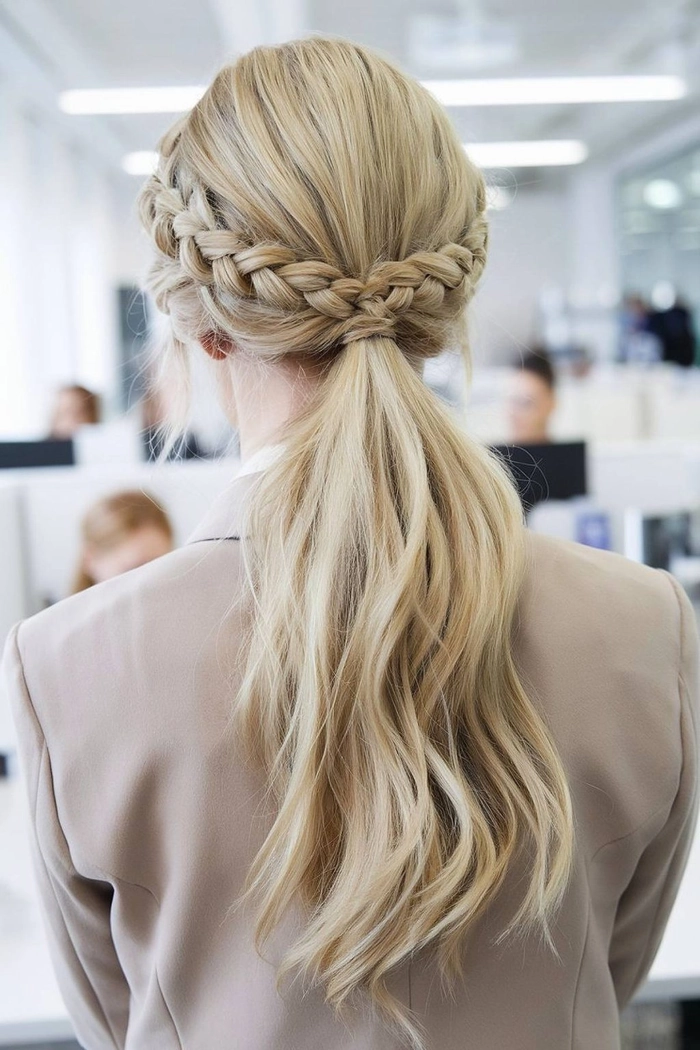 Professional Office Hairstyles for Long Hair
 Business Casual Short Bob Hair Ideas
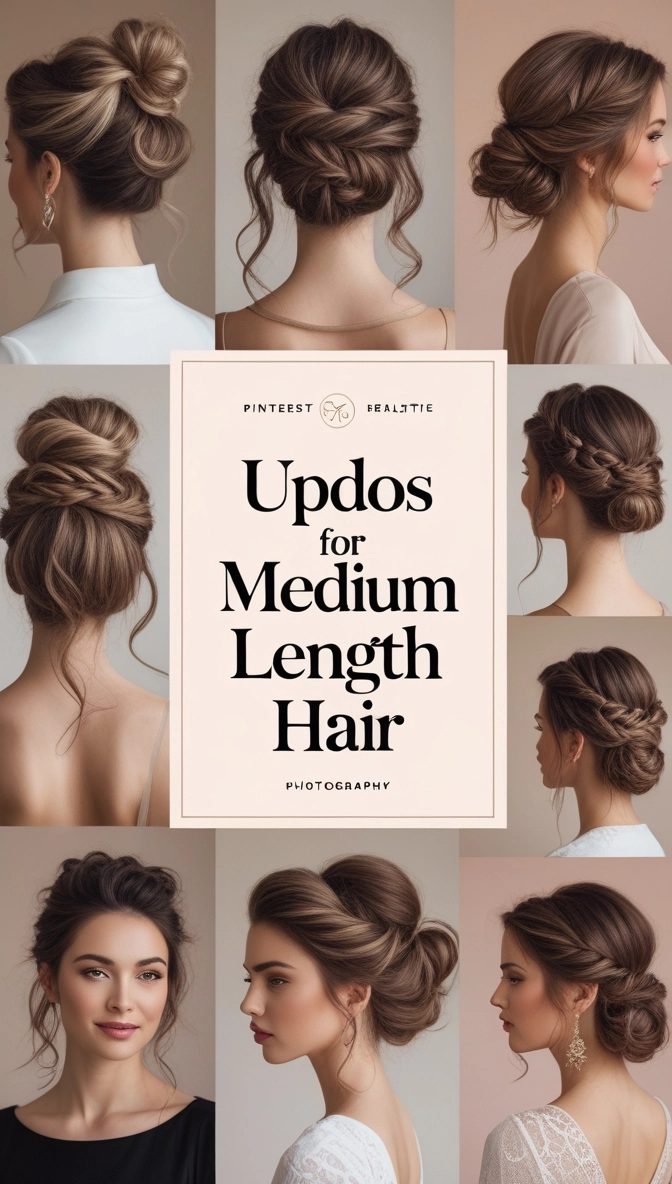 Boardroom Updos for Medium Hair
 Sleek Low Buns: Perfect for Job Interviews
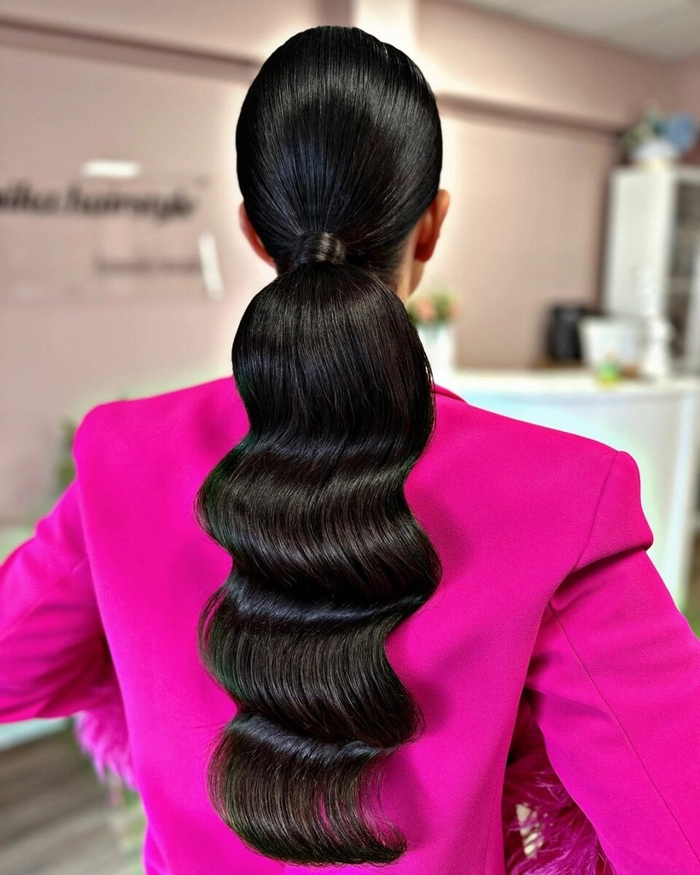 Polished Ponytail Styles for Client Meetings
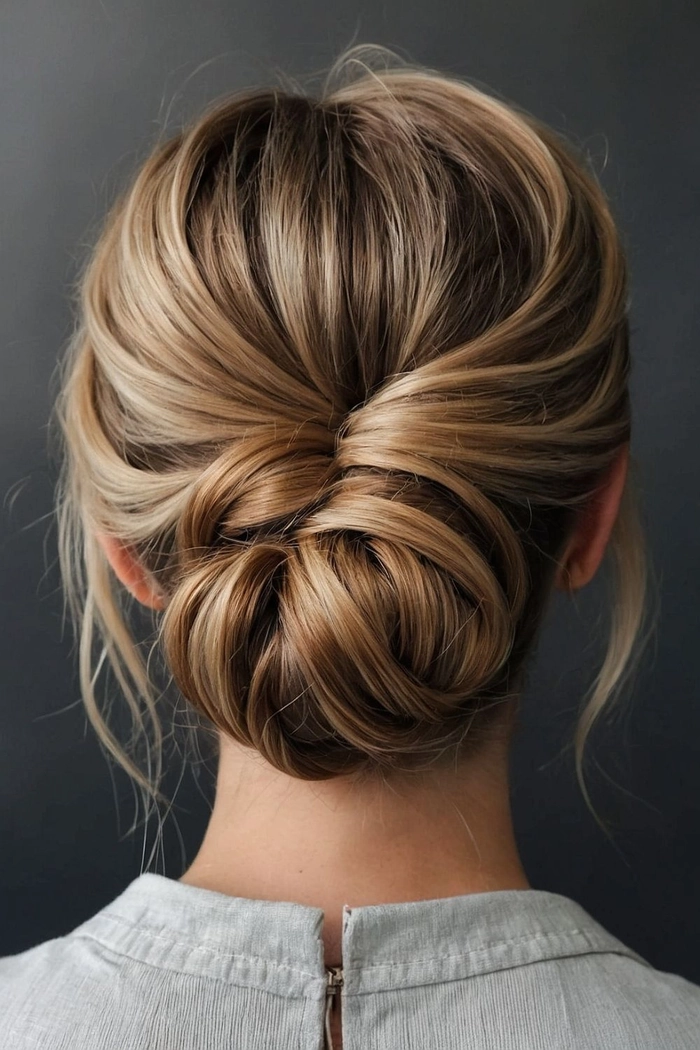 Quick Shoulder-Length Updos for the Office