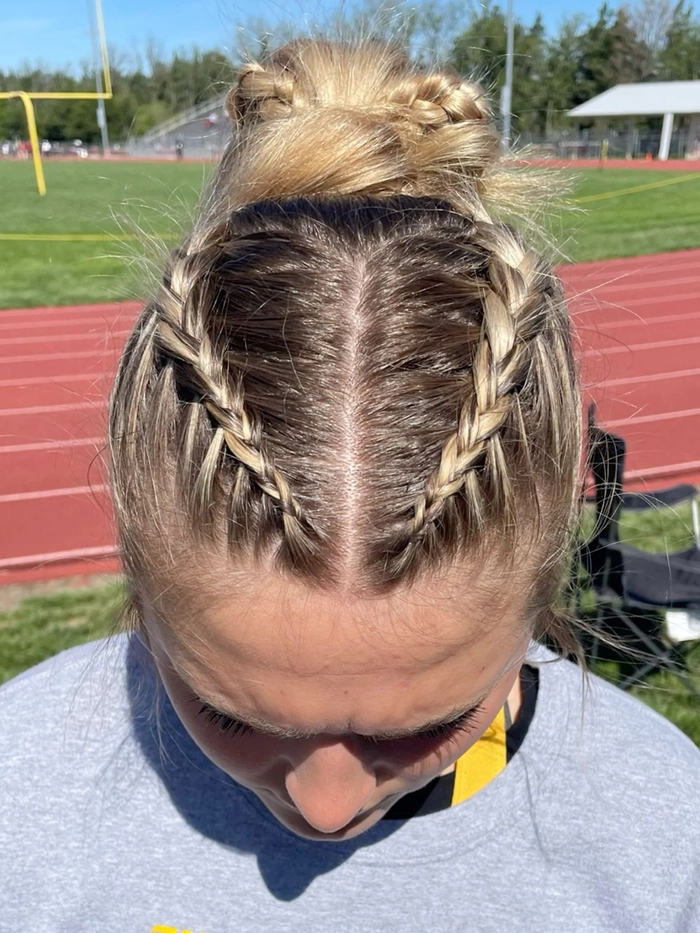
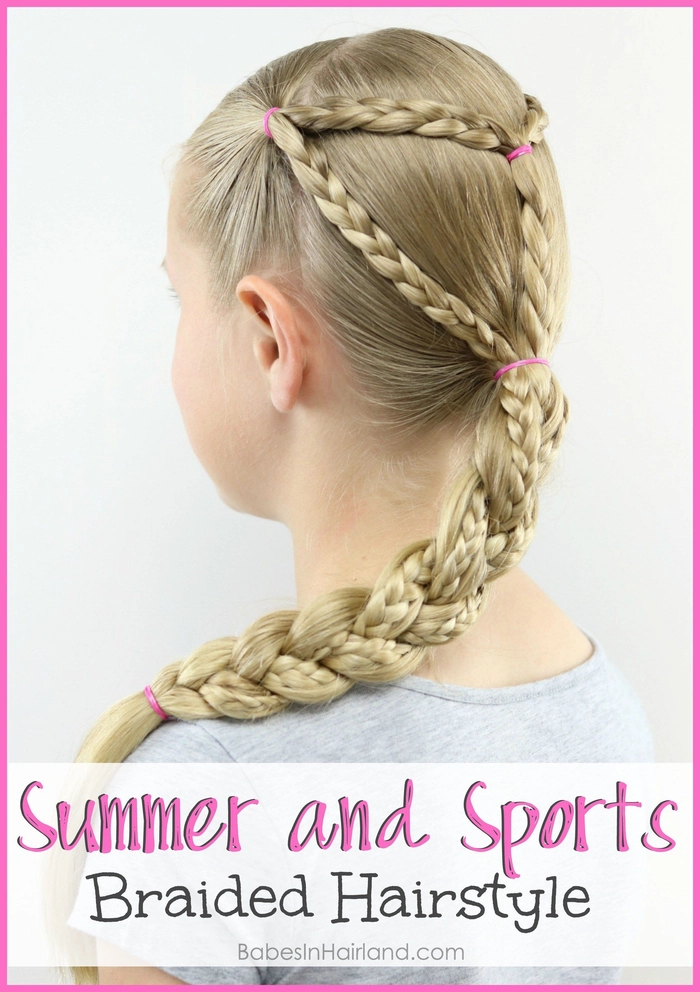
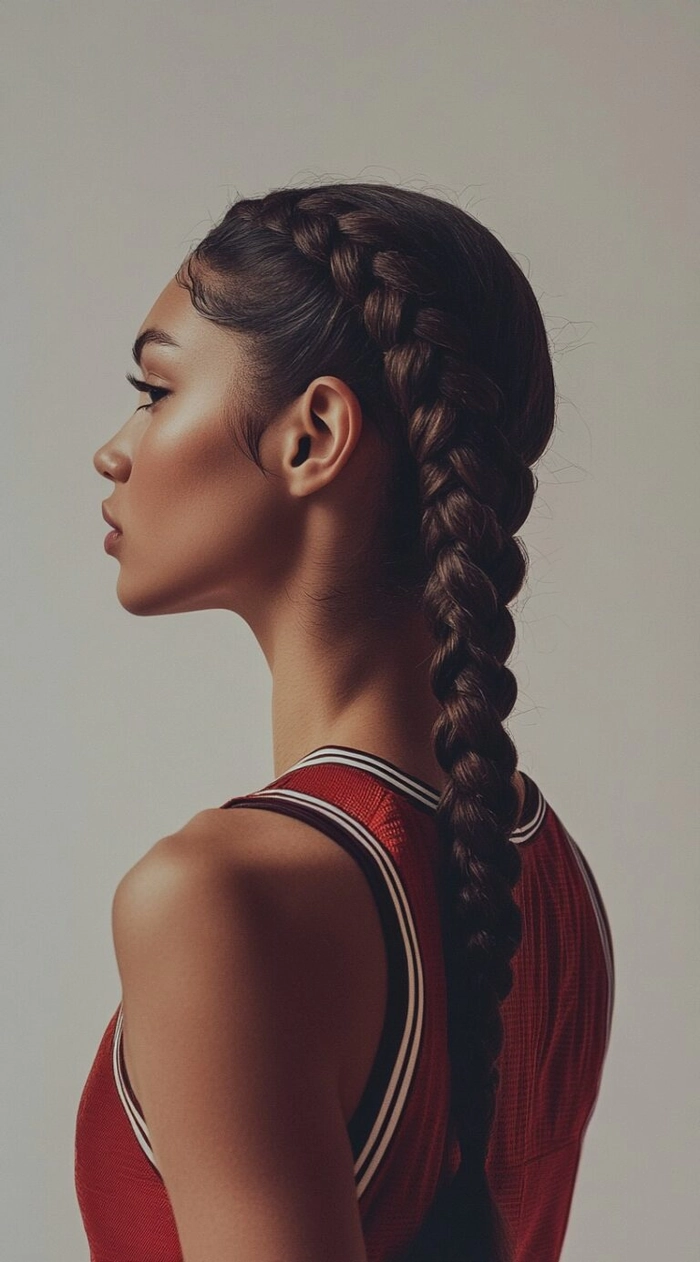
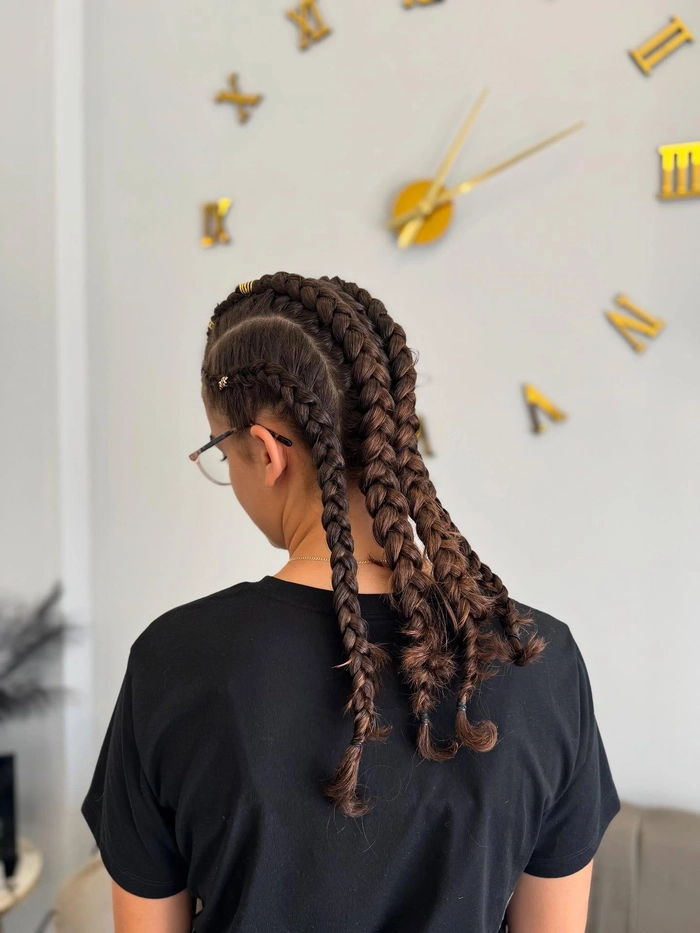
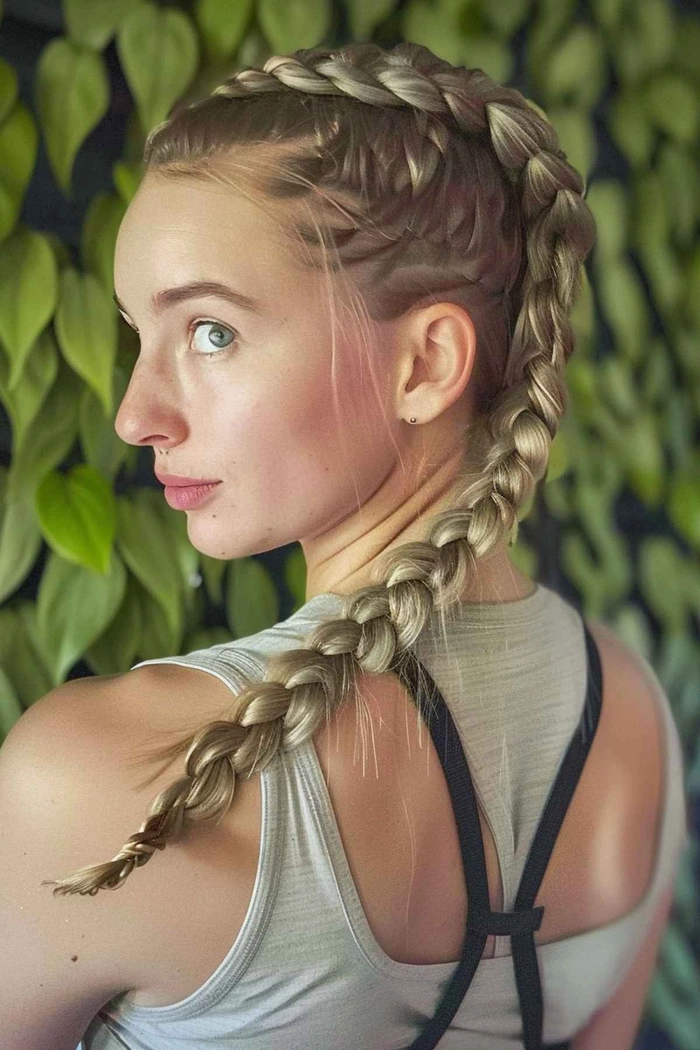
When you’re sprinting, lifting, or cycling, the last thing you want is hair sliding into your face. Casual double braids give athletes a clean, secure option that stays put through sweat and movement, yet still looks relaxed enough to wear after the gym. If you’re looking for a practical everyday hairstyle that works with your routine, double braids are one of the most reliable choices. Below is a step‑by‑step guide to picking, styling, and maintaining a double‑braid look that fits your activity level, hair texture, and personal style.
Choosing the Right Double Braids for Your Activity
Not all double braids are created equal. The best version for you depends on three main factors: hair length, hair texture, and how much time you can spend on styling. If you have thick, wavy hair, a medium‑size braid with a loose hold will prevent tangles while still looking polished. For fine or straight hair, a tighter braid with a bit of texturizing spray adds grip so the style stays intact longer. When selecting a length, remember that braids past the shoulders often shift during high‑impact moves, whereas shoulder‑length braids tend to stay more centered.
Consider your typical workout environment. Outdoor runners might benefit from a braid that’s slightly higher on the head to keep hair off the neck, while gym‑goers who prefer a lower profile can opt for braids that sit closer to the nape. Adding a subtle wave or braid pattern can give the illusion of layered hair without an actual haircut, which is handy if you’re still growing out your length.
Matching the Style to Your Face Shape
Face shape matters when deciding where to place the braids and how thick to make them. A round face often looks best with braids that start higher on the crown, creating vertical lines that slim the face. Oval faces can pull off almost any placement, so feel free to experiment with low, mid, or high braids. Square faces benefit from softer, slightly looser braids that soften the jawline, while heart‑shaped faces can balance a wider forehead by adding volume at the temples with thicker braids or a few loose face‑framing strands.
If you have bangs or layered hair, integrate those into the braid rather than fighting them. A few wispy pieces can frame the face and add dimension without making the style look overly styled. For those exploring color ideas, subtle highlights or low‑maintenance balayage can enhance the visual texture of the braids without extra upkeep.
Styling Tips for a Polished, Sporty Look
A neat double braid starts with clean, slightly damp hair and a lightweight styling product. A mousse or braid spray adds hold without feeling sticky. Follow these quick steps for a polished finish:
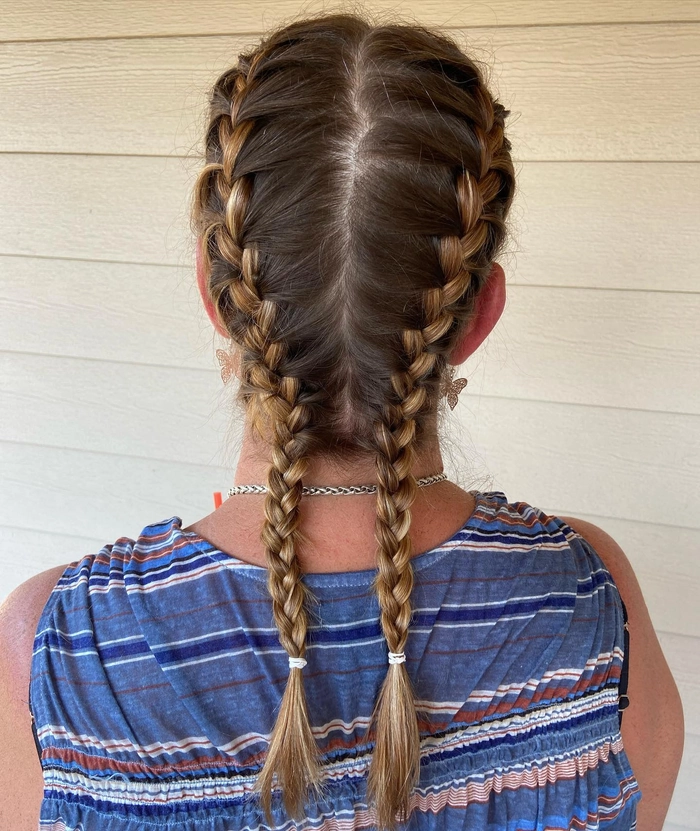
- Part hair down the center, ensuring an even split for balance.
- Apply a small amount of leave‑in conditioner to the ends to prevent frizz.
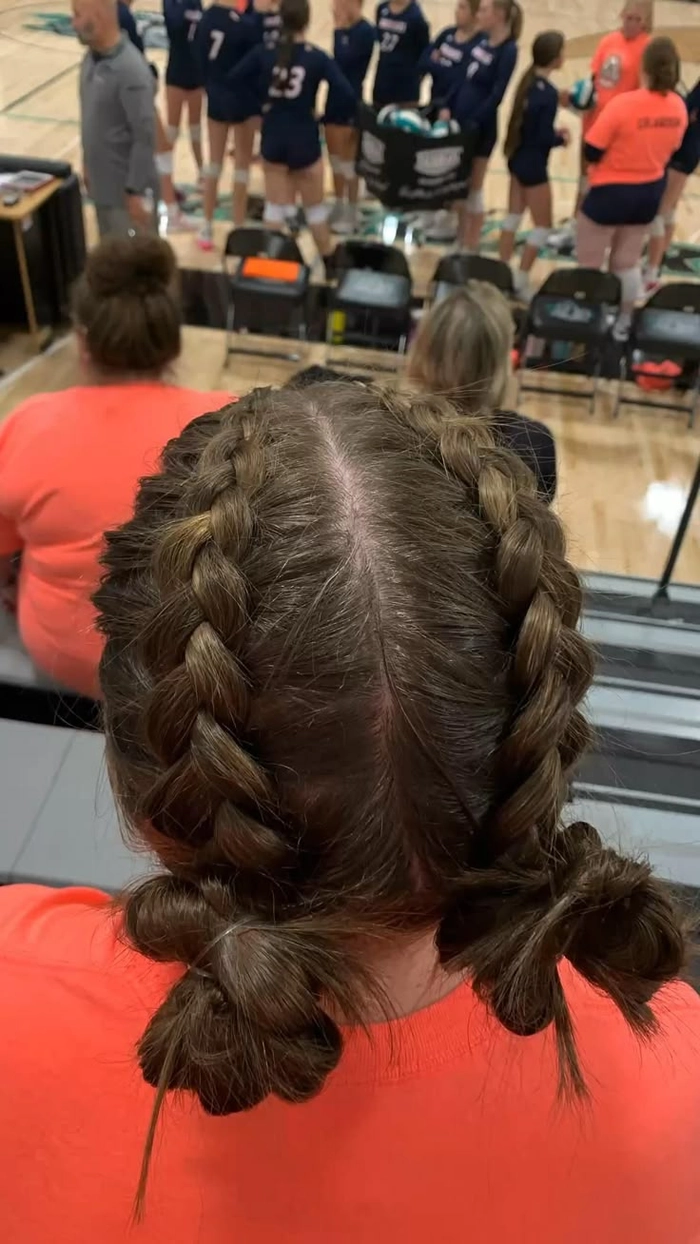
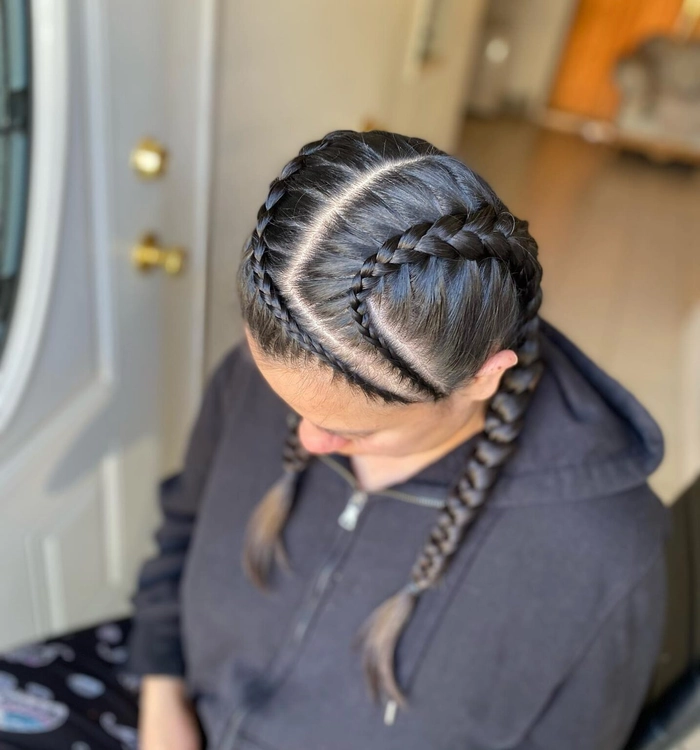
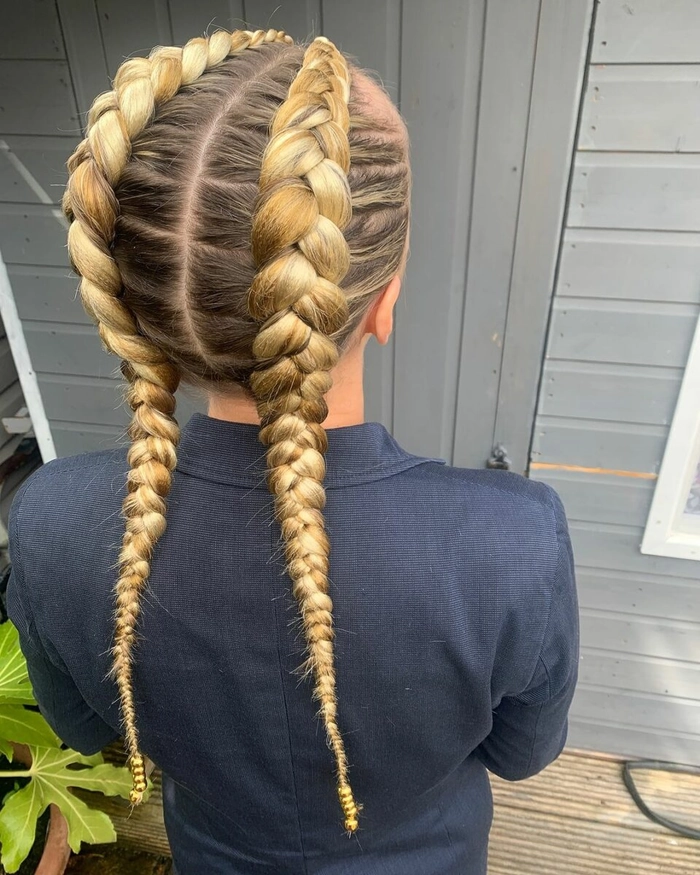
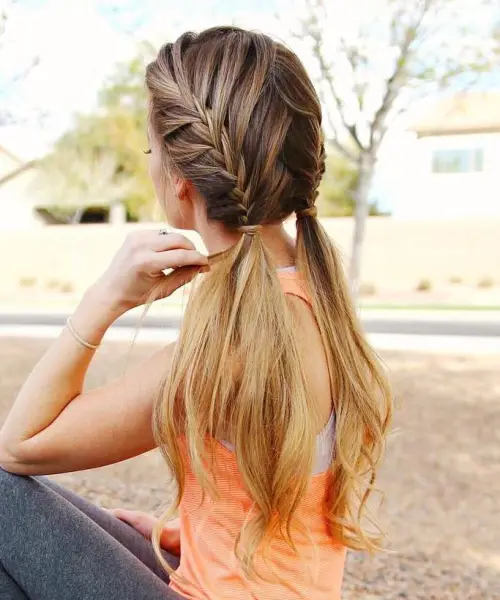
- Create a base braid (or French braid) on each side, then finish with a classic three‑strand braid.
- Secure with an elastic that matches your hair color, and tuck any loose ends.
- For a tighter grip, wrap a thin headband around the crown, tucking the edges into the braids.
If you need a quick refresh between washes, a dry shampoo can add volume at the roots and tame any flyaways. For special occasions after training, a subtle hair accessory like a scrunchie or a metallic clip can elevate the look without adding bulk.
Maintenance and Upkeep for Active Days
One of the biggest advantages of double braids is their low‑maintenance nature, but a few habits keep them looking fresh longer. After each workout, gently shake the braids to release any sweat buildup, then blot excess moisture with a towel. Avoid tight elastics opt for spiral ties that expand with movement and reduce tension on the scalp.
If you’re swimming or doing water sports, protect your braids with a swim cap to prevent them from soaking up chlorine or salt. After swimming, rinse with fresh water, apply a silicone‑based serum to the lengths, and re‑braid if needed. This prevents tangling and keeps the hair smooth.
For longer periods between salon visits, schedule a trim every six to eight weeks to keep the ends tidy. If you’re transitioning from relaxed to natural hair, consider protective styles that complement double braids, such as the everyday protective styles for transitioning natural hair, which can help maintain length while you stay active.
What to Ask Your Stylist Before You Commit
A quick salon consultation can save you from a style that doesn’t match your lifestyle. Bring photos of athletes you admire, and ask whether the chosen braid pattern works with your hair’s natural texture. Inquire about the best braid size for your face shape, how to adjust tension to avoid headaches, and what products will help maintain the look between appointments. If you’re thinking about adding bangs or a new hair color, discuss how those changes will interact with a braided style some colors fade faster in braids, while bangs may need more frequent trimming to stay neat.
For additional inspiration, check out our guide to quick side braided updos for casual garden parties, which offers alternative ways to incorporate braids into everyday looks. If you ever face a bad‑hair‑day emergency, our tips on simple bandana hairstyles for bad hair days can save the day without sacrificing your workout routine.
Choosing a casual double braid that fits your activity level, hair texture, and face shape doesn’t have to be complicated. Start by testing a simple three‑strand braid on a rest day, observe how it holds during your usual workouts, and adjust thickness or placement based on what feels most comfortable. With a little practice, you’ll have a stylish, sweat‑proof hairstyle that moves with you whether you’re hitting the track, the gym, or a weekend hike.
 Easy Half Up Half Down Hairstyles for Medium Hair Days
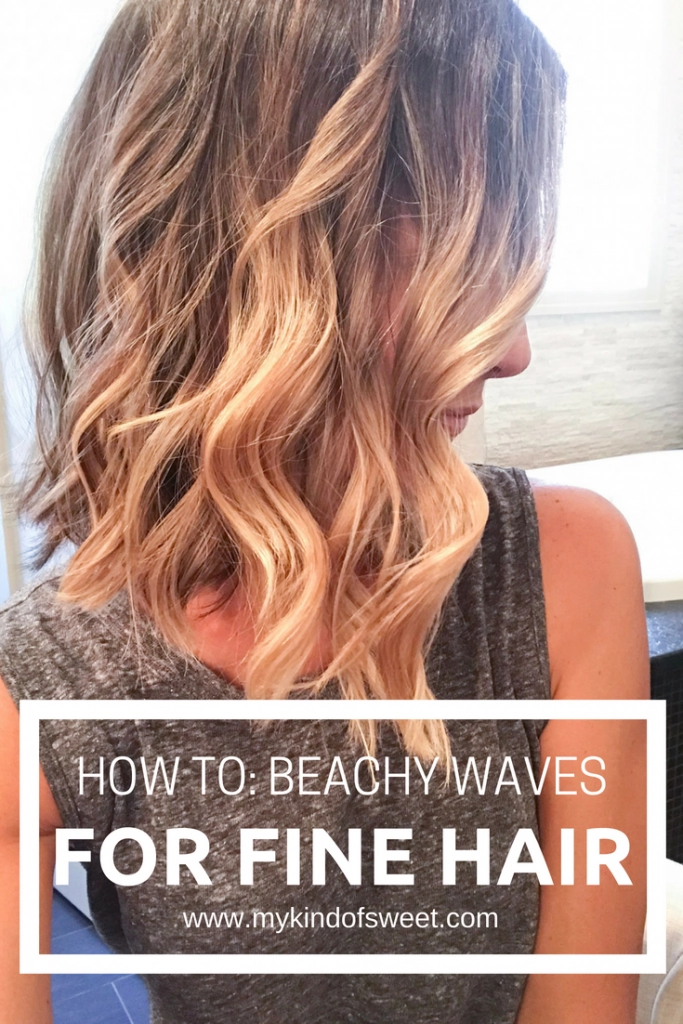 Effortless Beach Wave Hairstyles Perfect for Fine Hair
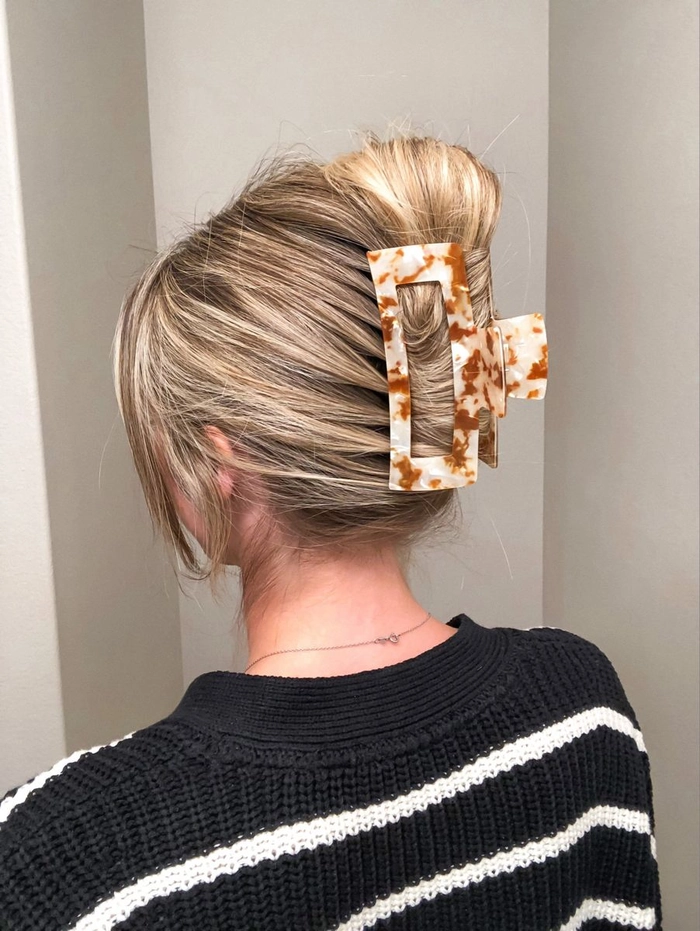 Effortless Claw Clip Hairstyles for Thick Hair You’ll Love
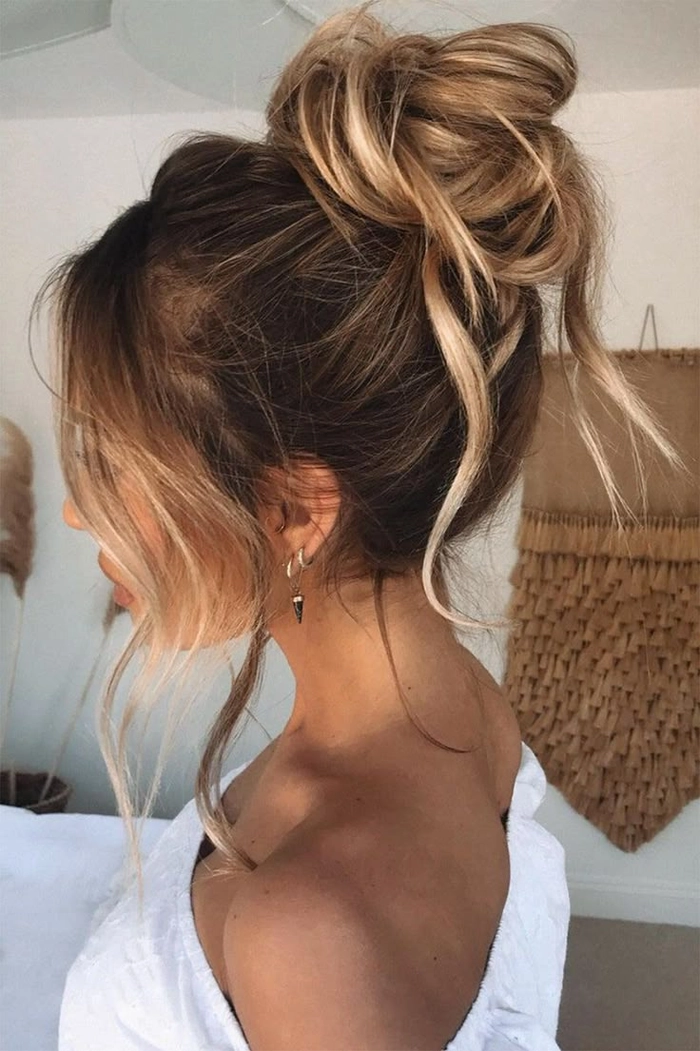 Effortless Casual Messy Bun Styles for Long Hair Ideas
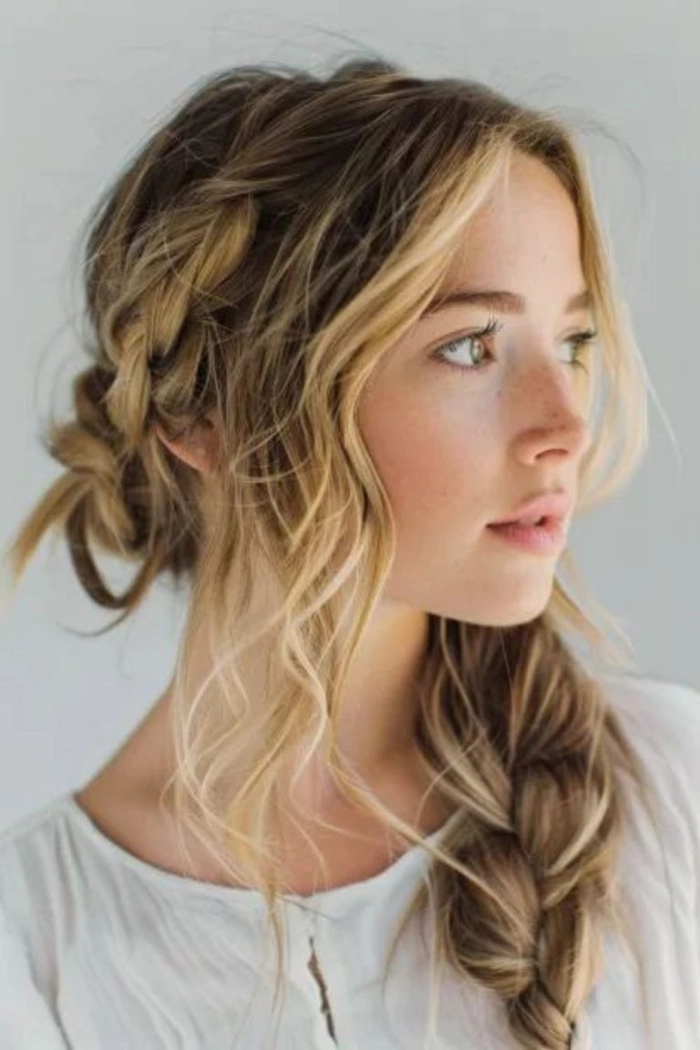 Effortless Braided Hairstyles Perfect for College Days
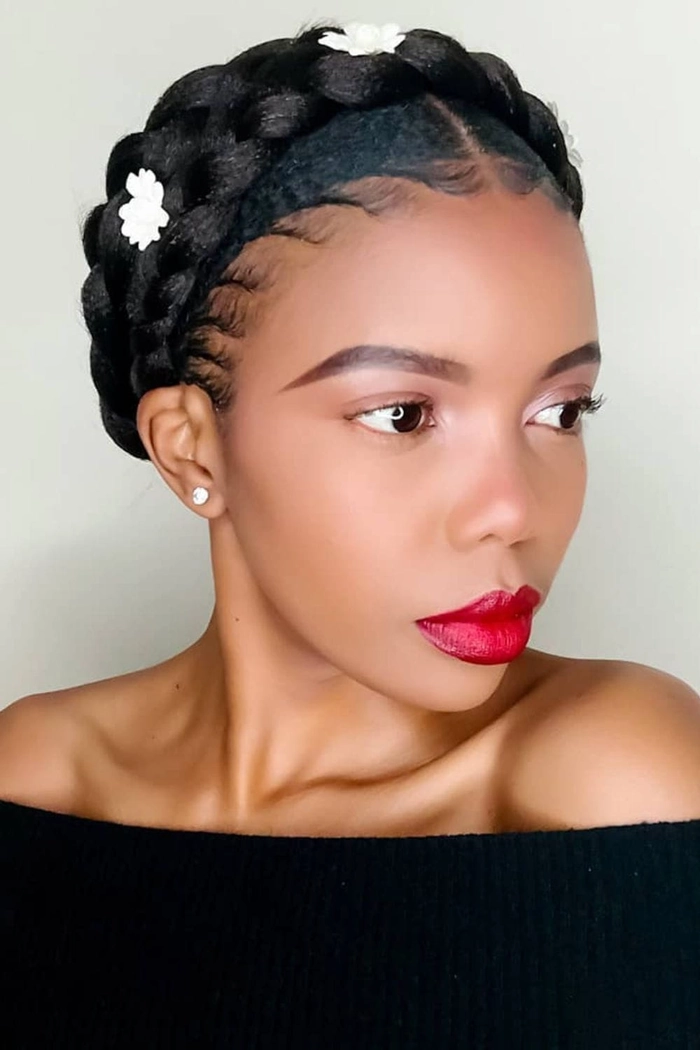 Effortless Casual Halo Braid Styles Perfect for Summer Trips