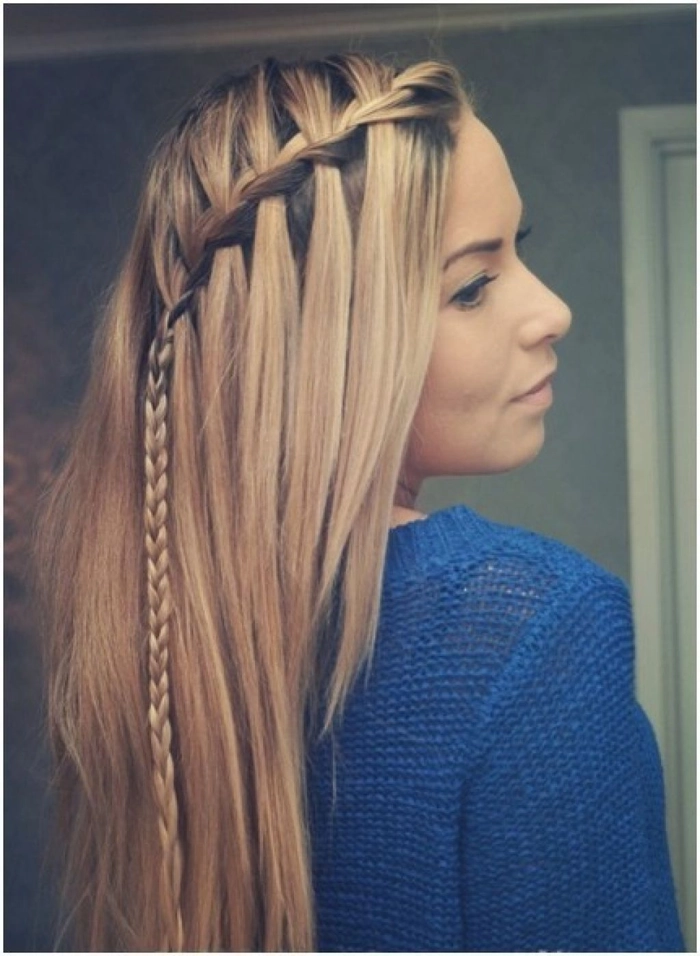
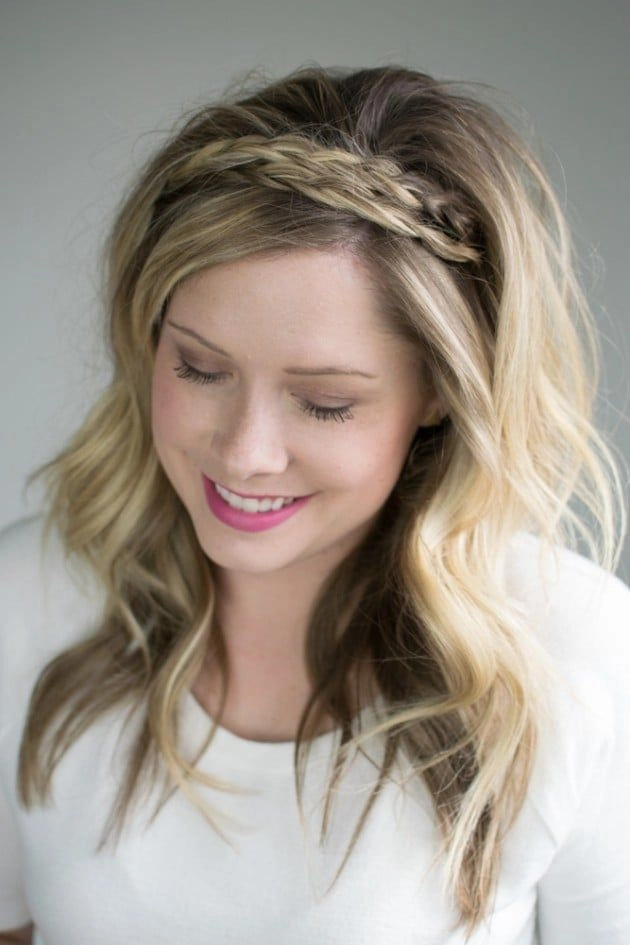
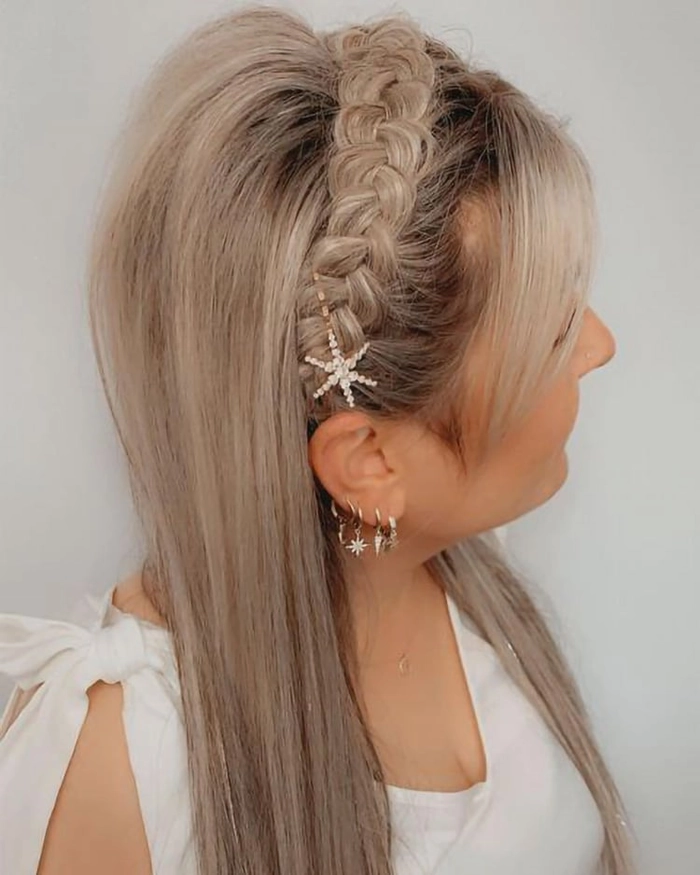
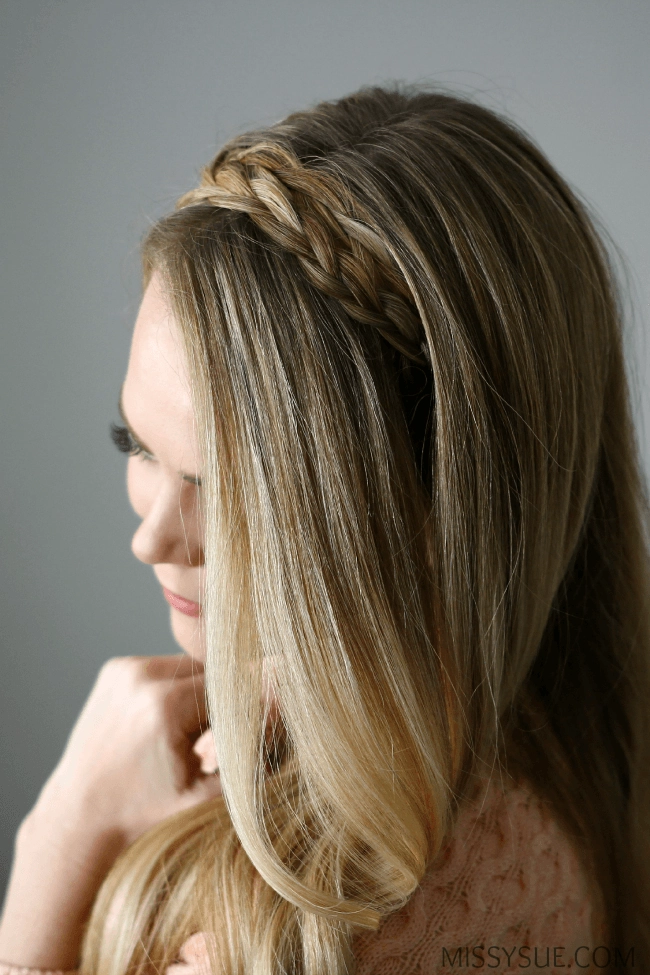
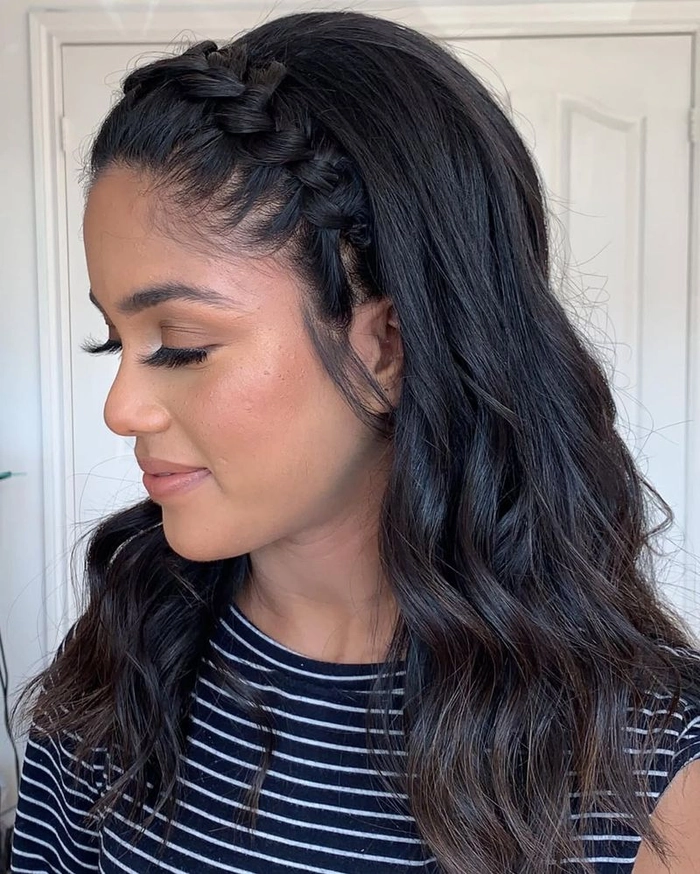
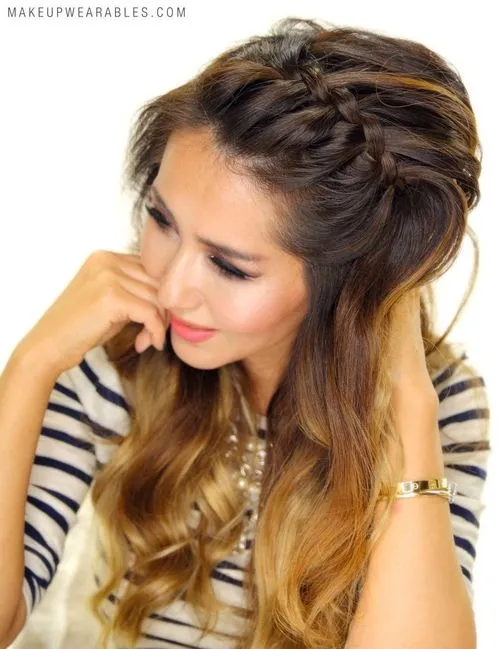
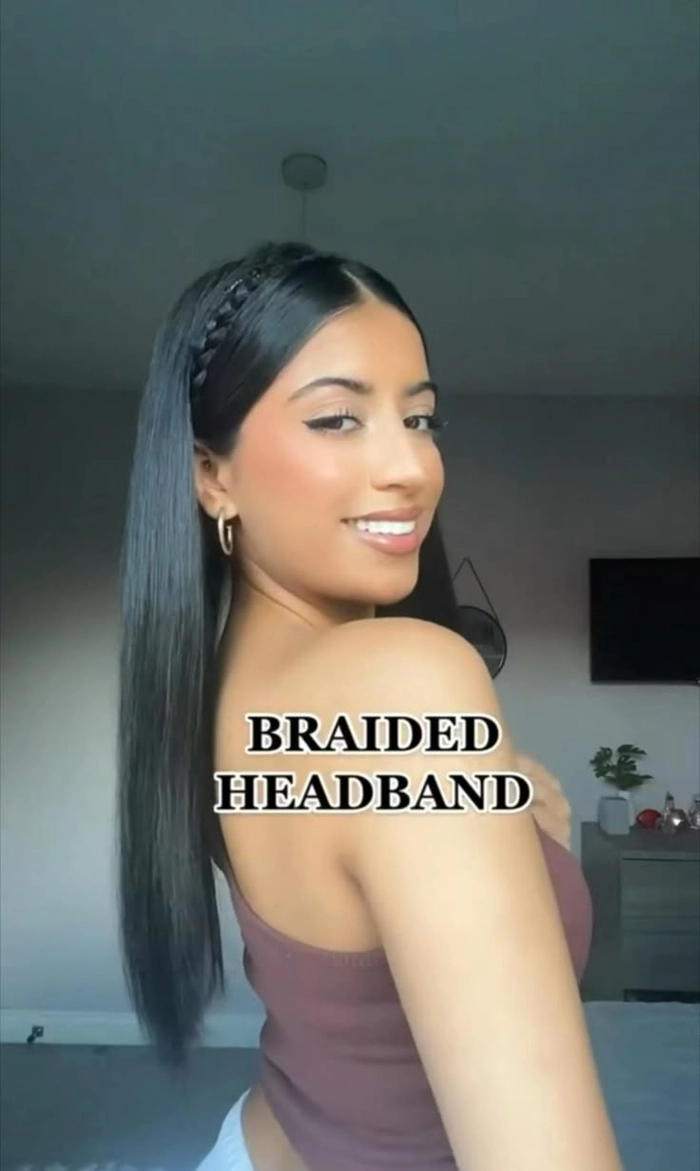
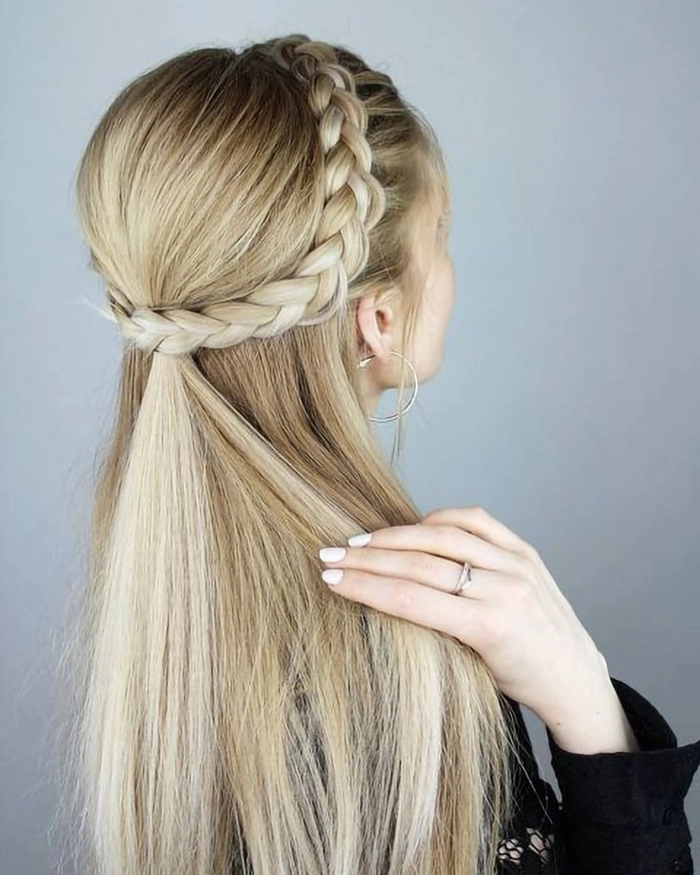
If you have long straight hair and you want a look that feels relaxed but put‑together, a casual braided headband is one of the easiest ways to add visual interest without a lot of effort. It works for quick grocery runs, coffee with friends, or a casual Friday at the office, and it lets you keep most of your hair’s natural length on display.
Why a Braided Headband Works for Long Straight Hair
Long straight hair provides a smooth, sleek canvas that highlights a braided headband’s texture. Because the strands are already aligned, the headband sits more evenly, which reduces the need for extra styling products. At the same time, a braided headband can help keep stray hairs in place on windy days, making it a practical choice for everyday hairstyles.
If you’re also curious about other quick‑change styles, check out our guide to relaxed top knot styles for humid weather casual hairstyles for more ideas that pair well with a straight‑hair routine.
Choosing a Style That Flatters Your Face Shape
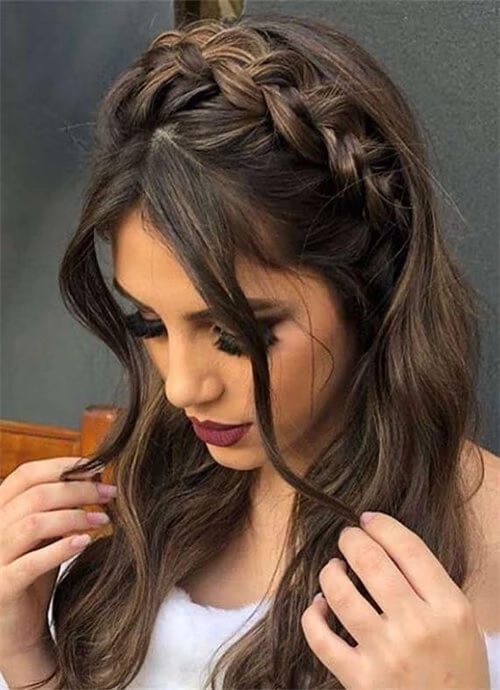
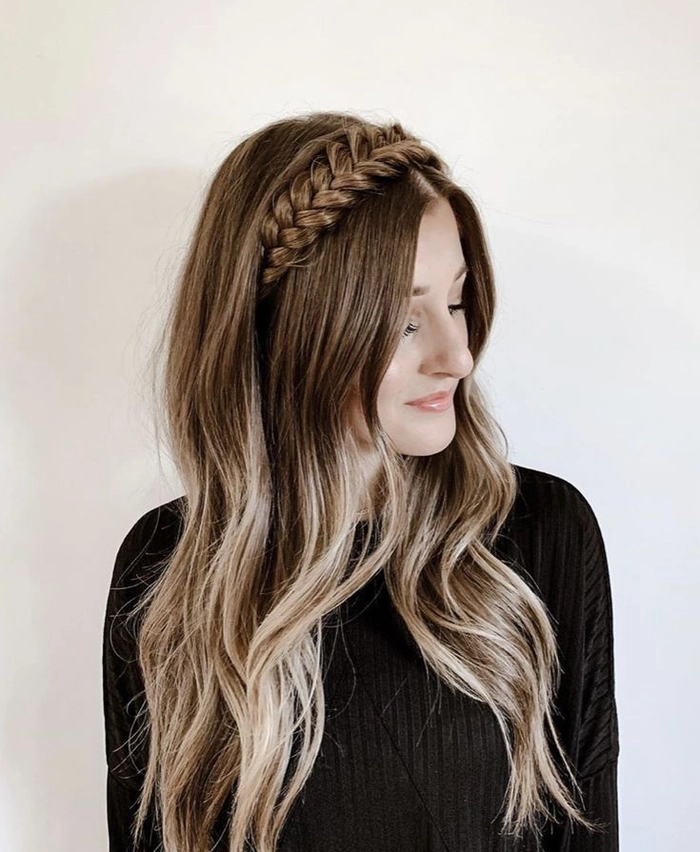
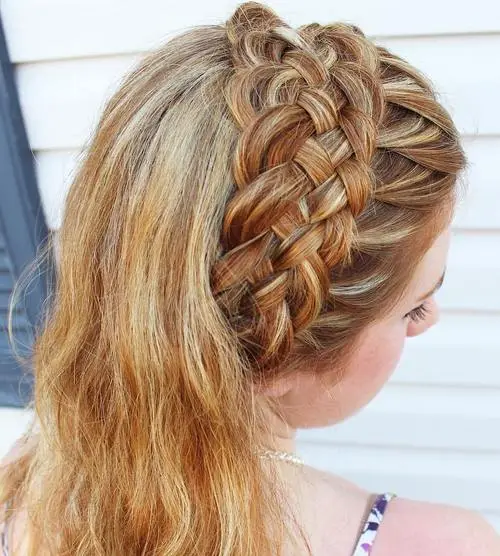
Your face shape influences how wide or thin the braided headband should be. For an oval face, almost any width looks good; a medium‑width braid adds a nice focal point without overwhelming the features. If you have a round face, opt for a narrower, tighter braid that sits higher on the crown; this creates a subtle vertical line that lengthens the look. Heart‑shaped faces benefit from a slightly wider headband that balances a narrower chin, while square faces can soften angles with a softer, looser braid that drapes gently across the forehead.
Consider your hair length as well. With hair that falls past the shoulders, a longer braided headband can be tucked behind the ears or left to hang freely, giving you two different vibes in one day. Bangs or layered hair can be blended into the braid for a seamless finish, or they can be left out to frame the face whichever feels more comfortable for your routine.
Step‑by‑Step Styling for a Polished Look
Creating a tidy braided headband at home takes only a few minutes once you know the basics:
- Start with clean, dry hair. If your hair is freshly washed, a light texturizing spray can add grip and keep the braid from slipping.
- Section off a 1‑inch strip of hair at the front hairline. This will become the “band.”
- Separate the section into three equal pieces and braid them loosely until you reach the desired length, then secure with a small clear elastic.
- Place the braid across the top of your head, aligning it with your natural part or a few inches forward for a softer look.
- Fasten with two or three bobby pins hidden under the braid, positioning the pins diagonally for a more secure hold.
- Mist lightly with a flexible‑hold hairspray to tame any flyaways without making the braid stiff.
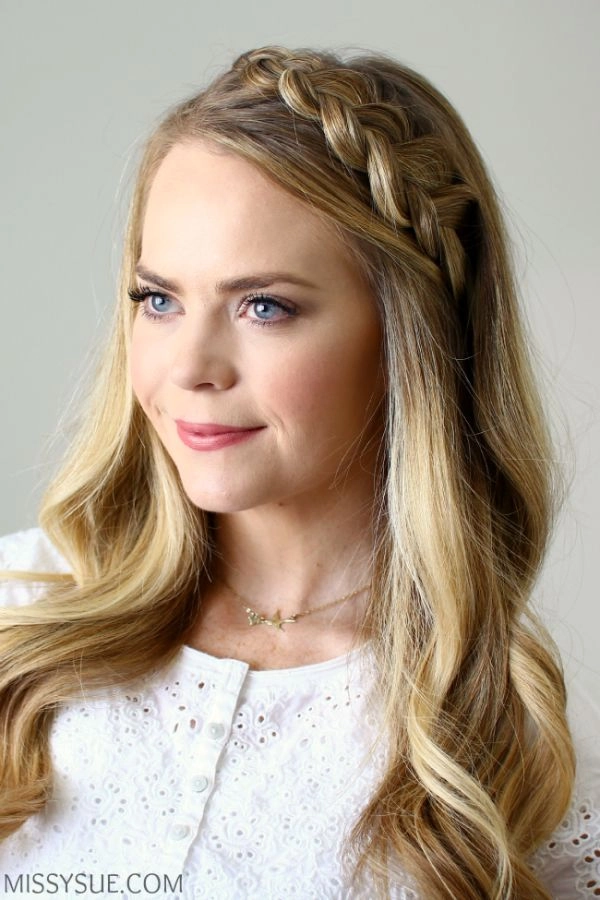
For a more textured vibe, try a looser braid with a slightly wider strand of hair. If you prefer a sleeker result, keep the braid tighter and smooth any frizz with a small amount of serum before pinning.
Low‑Maintenance Tips and Product Picks
The beauty of a braided headband is that it doesn’t demand a lot of upkeep. Wash your hair every two to three days, and apply a lightweight conditioner only on the lengths to avoid making the scalp oily, which can loosen the braid’s grip.
When it comes to styling products, a texturizing spray or a dry shampoo can add just enough grip without weighing down long straight hair. A small amount of lightweight serum on the braid itself can keep it shiny and prevent frizz throughout the day. If you’re using a fabric headband, choose one made of a soft, elastic material that won’t pull or crease the hair.
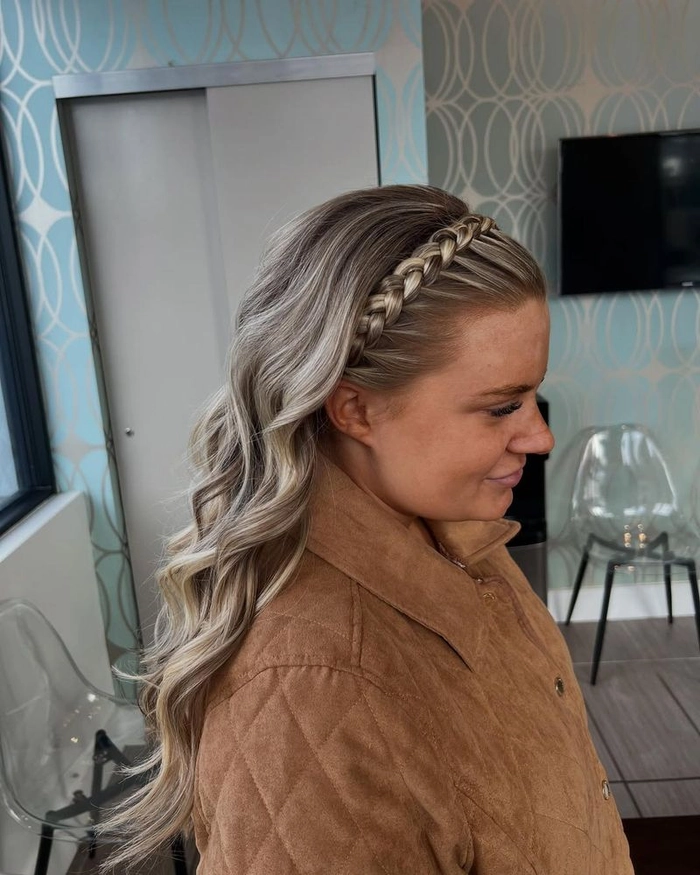
If you enjoy mixing styles, experiment with a braided headband paired with soft waves for a casual, boho effect. Our article on relaxed soft waves for collarbone‑length hair offers inspiration for adding gentle movement without a heat tool.
Common Mistakes to Avoid
One of the most frequent missteps is braiding the headband too tightly, which can cause discomfort and leave a dent in the hair after removal. Instead, aim for a snug but gentle hold.
Another pitfall is using a headband that’s too heavy for fine, straight hair; this can cause the braid to slip backward. Stick to thinner, flexible designs that conform to your head’s shape.
Finally, skipping a clear elastic at the end of the braid can lead to unraveling. Even a tiny elastic hidden under the hair helps keep everything in place for hours.
A braided headband can instantly upgrade long straight hair from plain to polished, and the best part is that it adapts to your lifestyle. Pick a width and texture that match your face shape and daily routine, follow the simple steps above, and you’ll have a look that feels personal, fresh, and easy to maintain. If you’re ready for the next step, try adding a subtle hair color idea like a soft balayage or lowlights to complement the braided detail and give your style even more dimension.

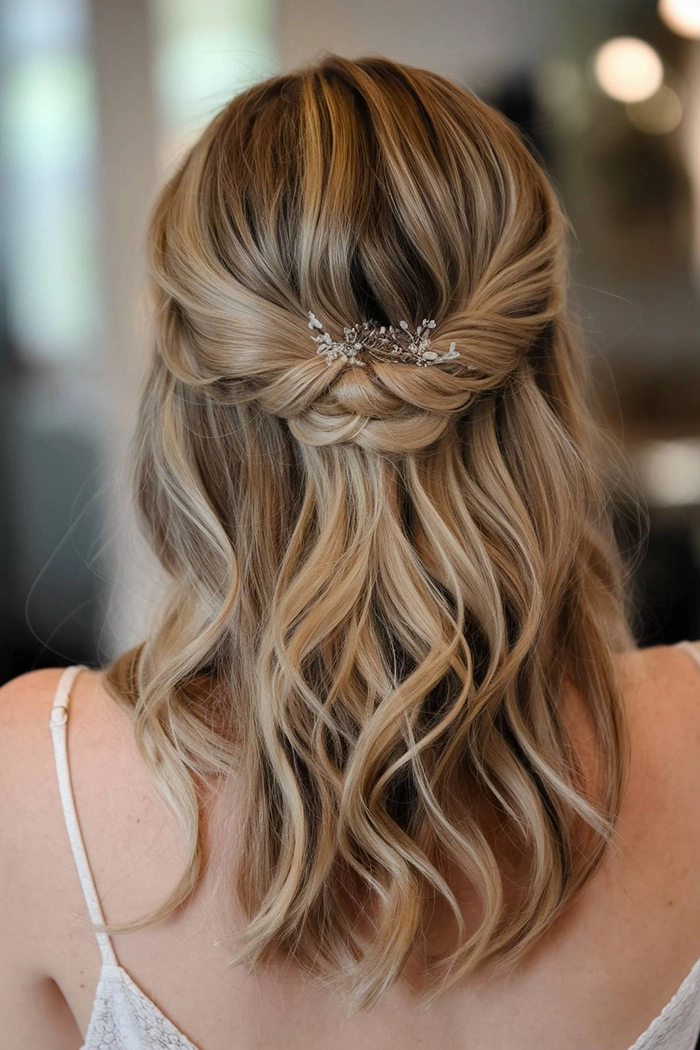 Easy Half Up Half Down Hairstyles for Medium Hair Days
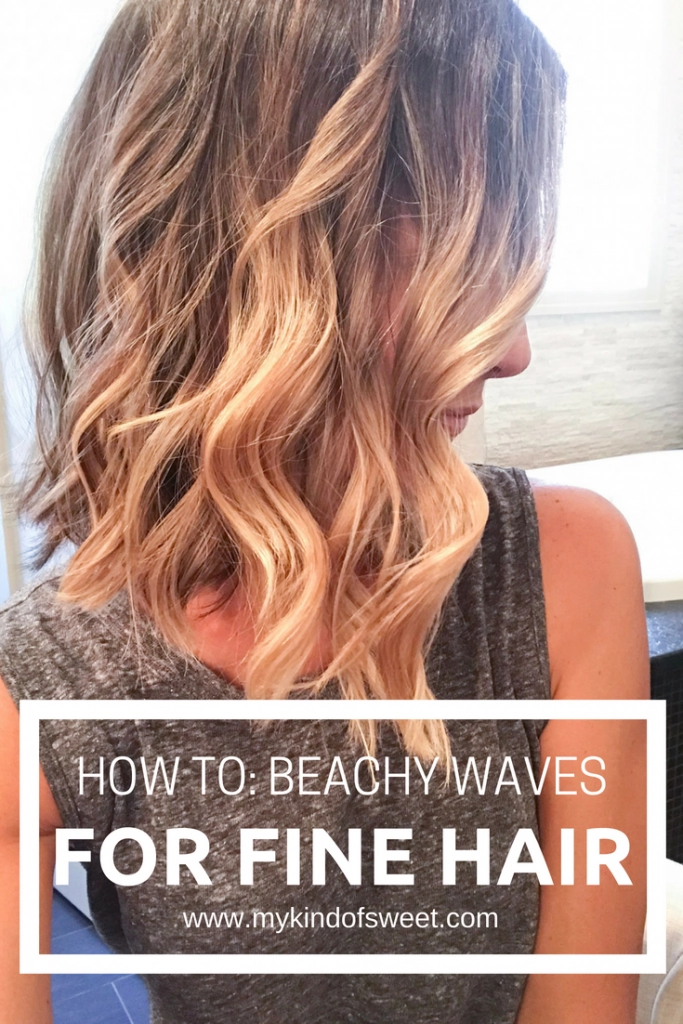 Effortless Beach Wave Hairstyles Perfect for Fine Hair
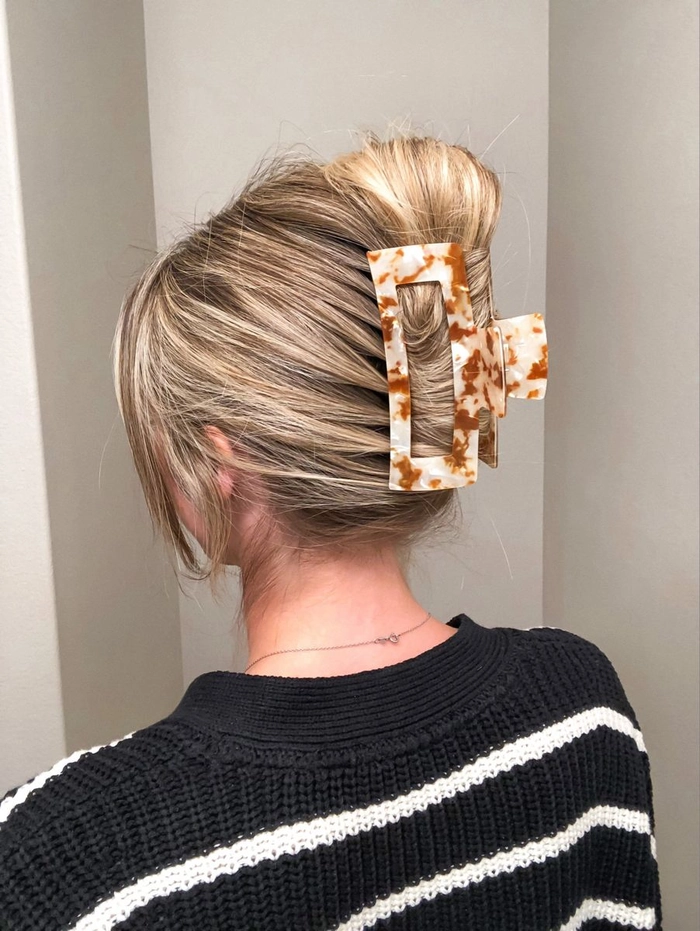 Effortless Claw Clip Hairstyles for Thick Hair You’ll Love
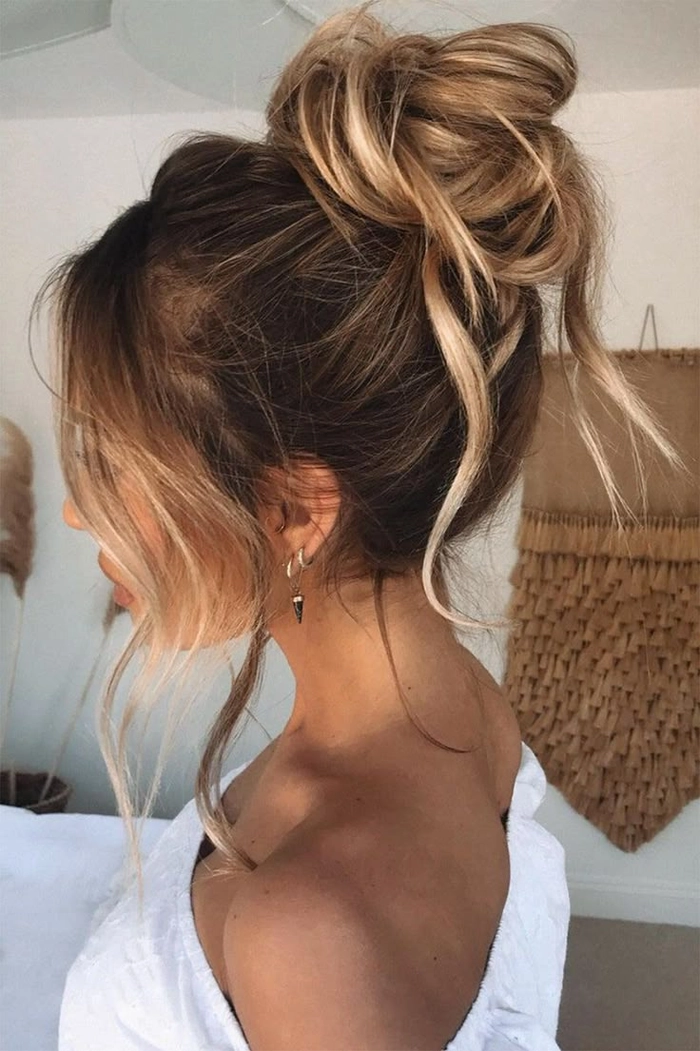 Effortless Casual Messy Bun Styles for Long Hair Ideas
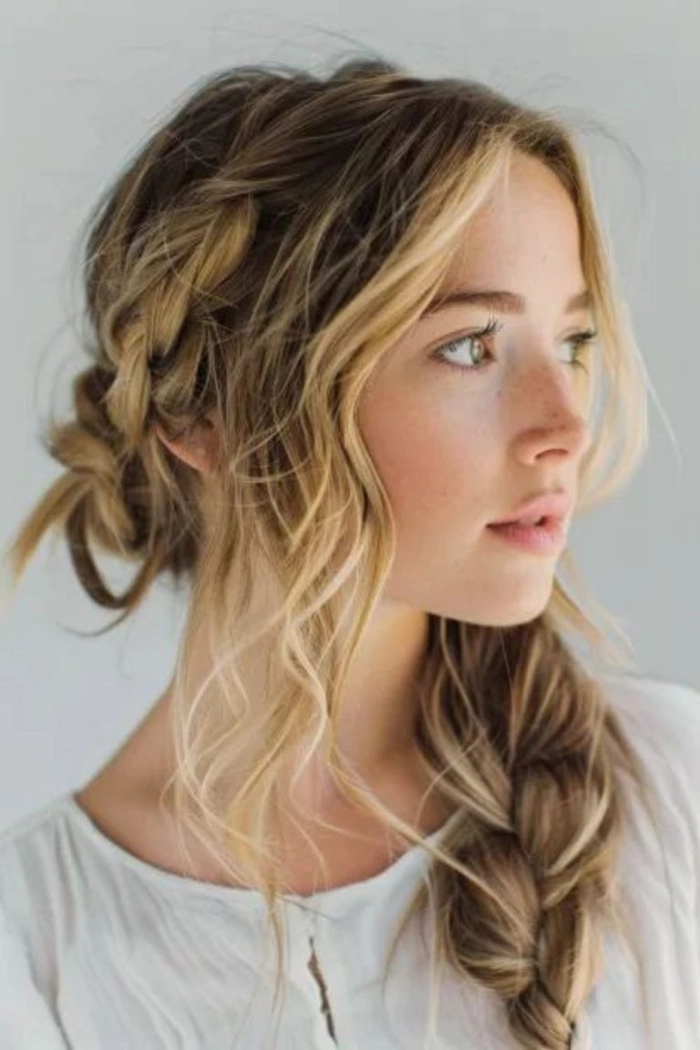 Effortless Braided Hairstyles Perfect for College Days
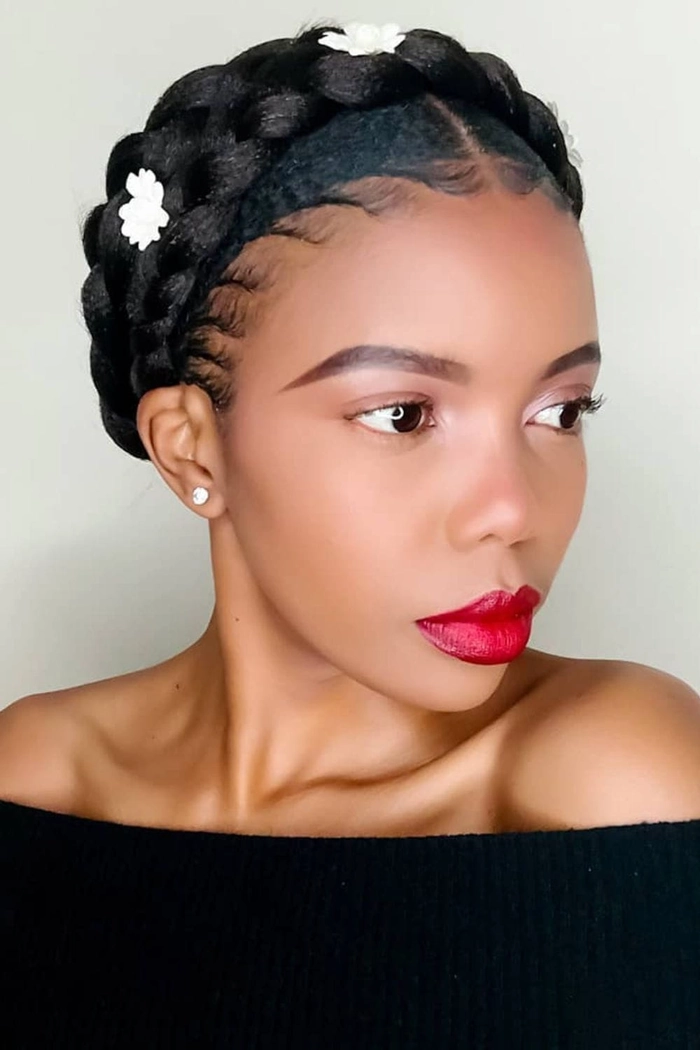 Effortless Casual Halo Braid Styles Perfect for Summer Trips