When you're seconds away from going live, the last thing you need is a flyaway strand stealing the spotlight or a flat crown undermining your on-camera presence. For broadcast journalists, hair isn't just a style choice it's part of the professional image viewers trust. Camera ready hair touchups for broadcast journalists are about knowing the small, fast adjustments that keep you looking polished under studio lights, outdoor conditions, and high-definition lenses. Whether you anchor the evening news or report from the field, having a reliable touchup strategy can make the difference between a confident broadcast and a distracting one.
Why On-Camera Hair Needs a Different Approach
Television cameras are unforgiving. High-definition lenses pick up every frizz, uneven part, and stray hair that the naked eye might overlook. Studio lighting can wash out dimension, making flat hair look even flatter. Wind, humidity, and long shooting schedules add their own challenges for field reporters. That's why broadcast journalists benefit from hairstyles and touchup routines designed specifically for the demands of live television not just everyday hairstyles that look great in person.
Understanding your hair texture is the starting point. Fine hair tends to lose volume quickly under hot studio lights, while thicker or coarser hair may frizz in humid outdoor conditions. Curly and wavy textures need different product strategies than straight hair. Knowing how your hair behaves on camera helps you choose the right styling routine and the right products to keep in your kit.
Choosing a Style That Works on and off Camera
The best broadcast hairstyles balance professionalism with practicality. You want something that looks polished in the first segment and still holds up by the last. Low-maintenance hairstyles like a sleek blowout with subtle layers, a structured bob, or a smooth low ponytail are popular choices because they're easy to refresh between takes.
Your face shape plays a key role too. A side-swept style can soften a square jawline, while soft layers around the face complement rounder shapes. Bangs can frame the face beautifully but require extra upkeep to avoid looking heavy or uneven on camera. If you're considering a change, a salon consultation with a stylist who understands on-camera work is invaluable. Ask them specifically about how a cut or color will translate under studio lighting.
When exploring hair color ideas, keep in mind that very dark or very light shades can lose dimension under flat lighting. Subtle highlights or lowlights add depth that reads well on screen.
Quick Touchup Strategies for the Newsroom
Between segments, you rarely have more than a minute or two. Here are practical touchup steps that work fast:
- Keep a mini hairspray and a fine-tooth comb at your desk to tame flyaways and reshape your part.
- Use a boar bristle brush to smooth the surface and redistribute natural oils for instant shine.
- Blot roots with dry shampoo if studio heat is causing oiliness it adds volume at the same time.
- Carry bobby pins and small elastics to quickly pin back a section that's falling out of place.
- A small amount of smoothing serum on your fingertips can calm frizz without weighing hair down.
- Use a travel-size flat iron for quick fixes on layered hair or bangs that have shifted.
Building a Reliable Styling Routine
Consistency matters more than complexity. Start your broadcast day with a style you've practiced and know holds well. Prep hair with a heat protectant before blow-drying, and set your style with a flexible-hold hairspray that won't look stiff on camera. If you're reporting outdoors, anti-humidity products are worth the investment.
For journalists with longer hair length, a polished blowout or a tucked low bun are versatile options that transition well from studio to location. Shorter cuts like a textured bob offer a crisp, editorial look that's inherently easier to maintain throughout the day.
Common Mistakes to Avoid
One frequent misstep is overloading products in the morning, which leaves hair looking heavy and greasy by midday. Another is choosing a style purely for aesthetics without considering how it holds up over a full broadcast schedule. Avoid experimenting with new haircut ideas right before a big assignment test changes during lower-stakes periods so you can adjust your routine.
Also, don't underestimate the value of hair care tips like regular trims, deep conditioning, and protecting hair from heat damage. Healthy hair styles better and holds shape longer.
Final Thoughts
Camera ready hair touchups aren't about perfection they're about preparation. The right style, the right products, and a quick routine you trust will keep you looking sharp from your first live hit to your sign-off. Choose a look that reflects your personality, fits your daily routine, and works with your natural hair texture. When your hair feels right, your confidence shows and that's what viewers remember.

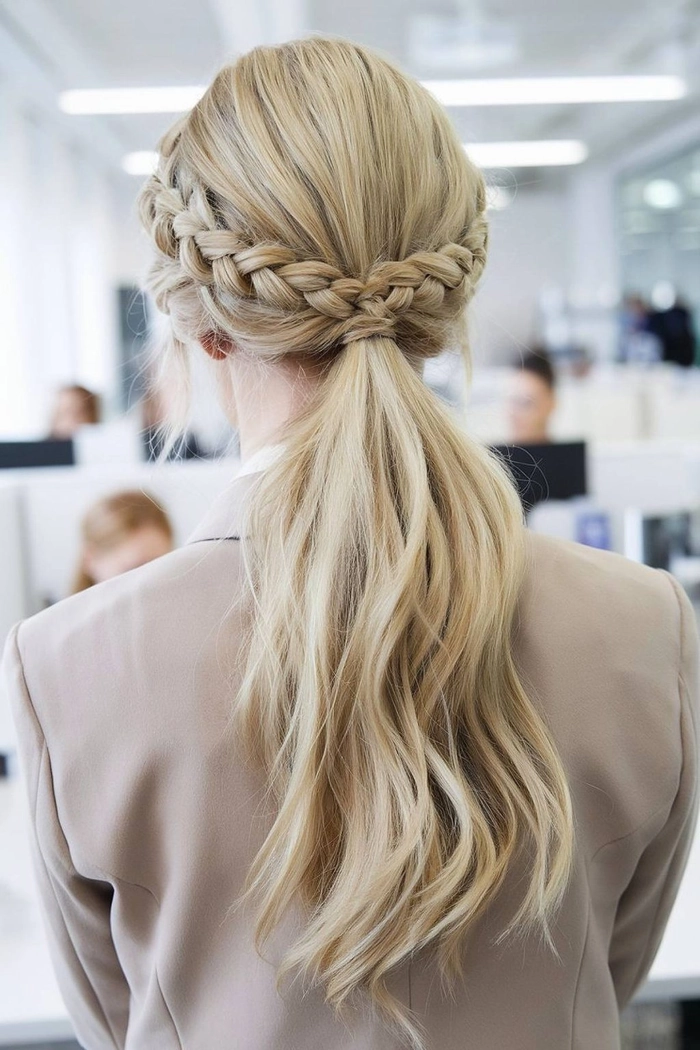 Professional Office Hairstyles for Long Hair
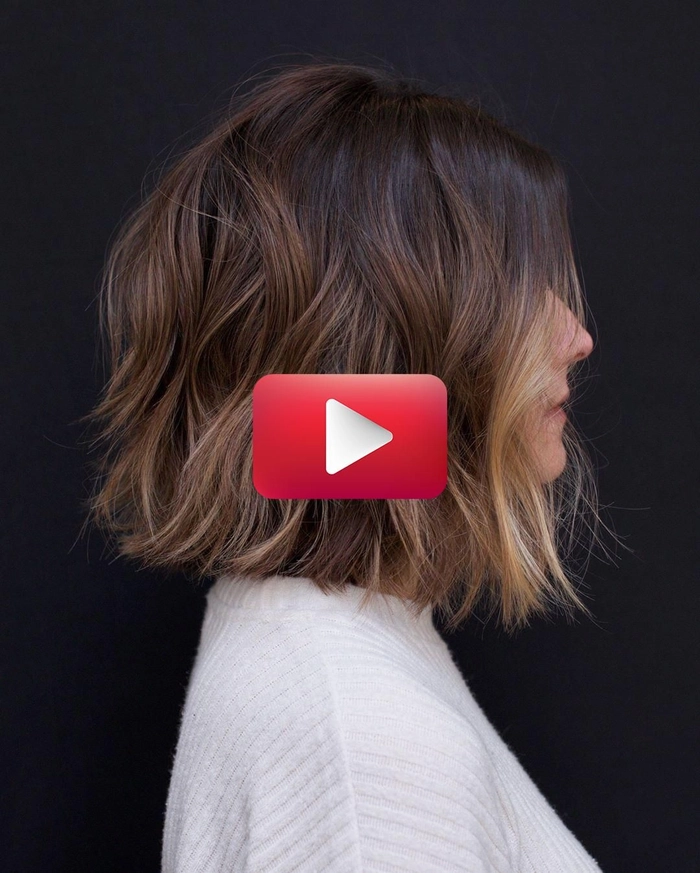 Business Casual Short Bob Hair Ideas
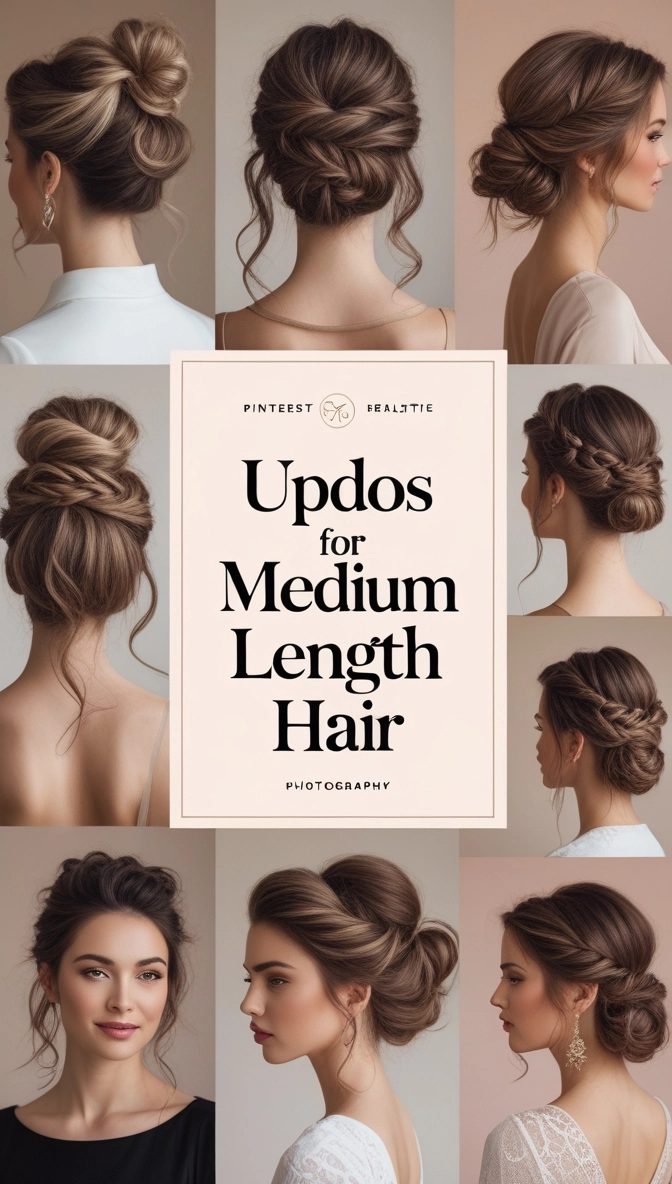 Boardroom Updos for Medium Hair
 Sleek Low Buns: Perfect for Job Interviews
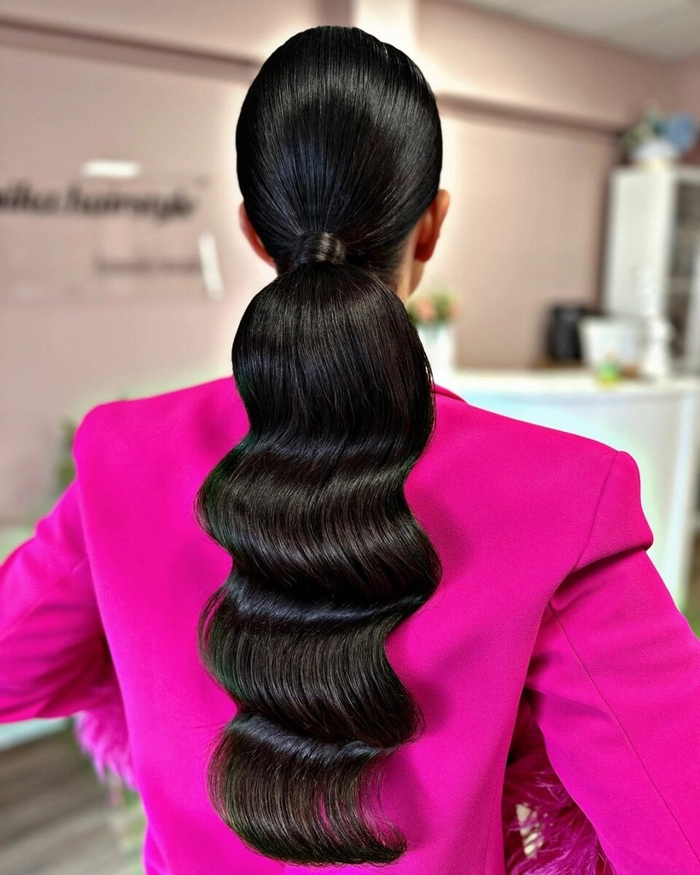 Polished Ponytail Styles for Client Meetings
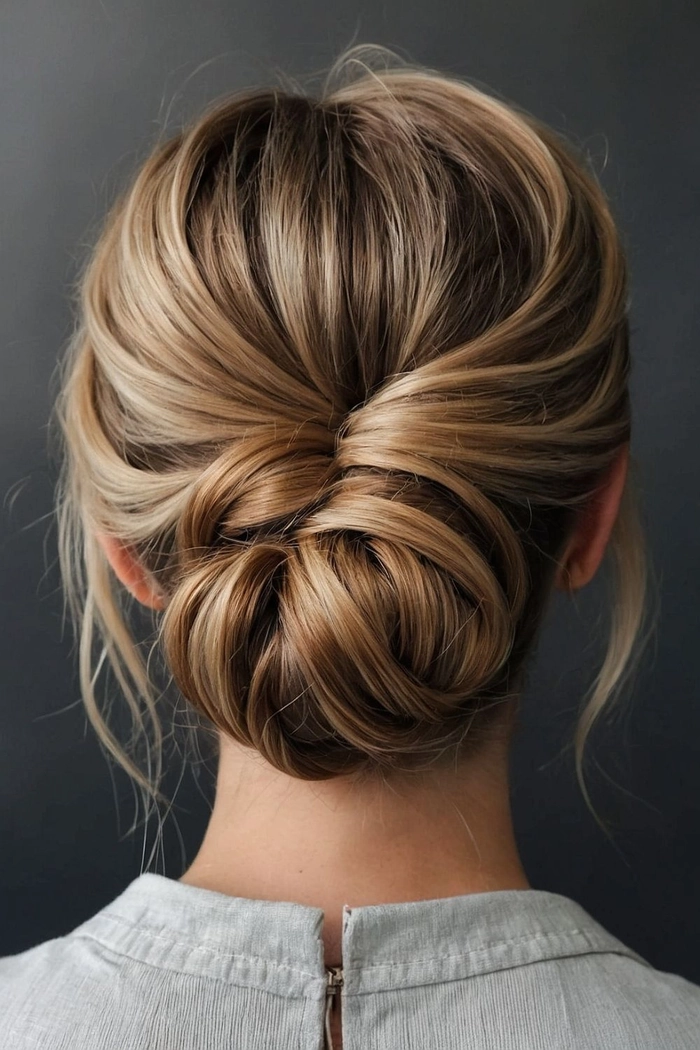 Quick Shoulder-Length Updos for the Office